
A Short History of Parquet: From Versailles to Today
How geometric wood craftsmanship evolved from 17th-century royal courts to modern architectural masterpieces.
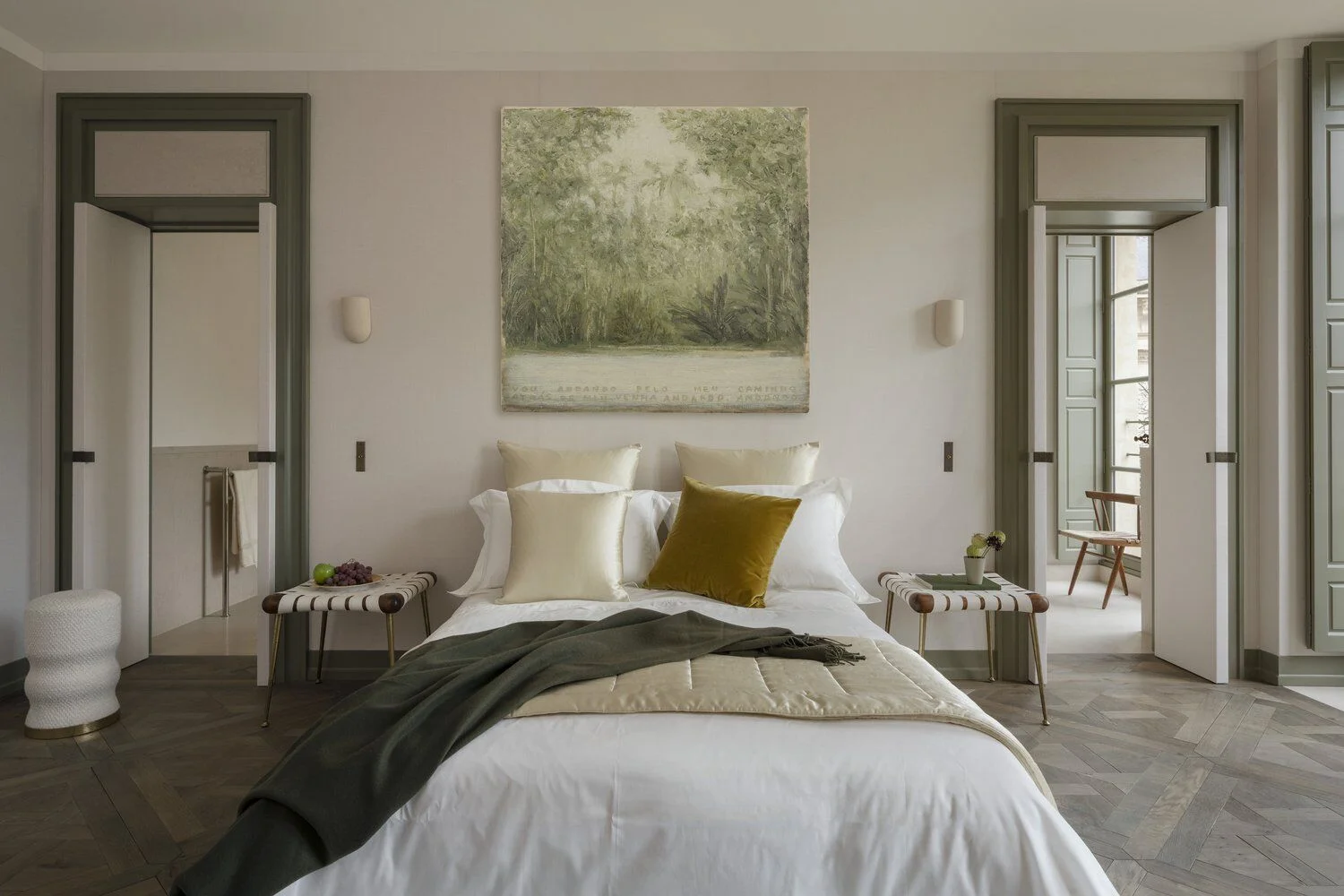
Parquet flooring history began as a highly functional, aristocratic response to the cold, damp stone floors of 17th-century European estates. Popularized in 1684 at the Palace of Versailles, these hand-assembled geometric wood panels revolutionized interior architecture by offering thermal warmth, acoustic dampening, and sophisticated artistic expression. Today, patterns like Parquet de Versailles and Point de Hongrie remain the pinnacle of luxury surface design.
- The Great Shift (1684): Louis XIV replaced the Palace of Versailles' marble floors with intricate oak panels, launching the global history of parquet.
- Geometric Rigor: The classic Parquet de Versailles pattern, or parquet à compartiments, features a diagonal lattice enclosed within a perfect square frame.
- Textile Roots: Point de Hongrie (chevron) was inspired by 16th-century flame-stitch embroidery and popularized during the 19th-century Haussmannization of Paris.
- Modern Scale: Contemporary designers scale up these historic patterns, using raw, matte finishes and wire-brushed textures to suit minimalist spaces.
What is the history of parquet flooring?
The history of parquet flooring dates back to late 17th-century France, where geometric wooden mosaics replaced cold stone and marble underfoot. Originally crafted exclusively for the aristocracy, parquet evolved from a practical thermal solution into an enduring symbol of European craftsmanship and architectural prestige.
Before the widespread adoption of parquet, grand European residences relied on stone, brick, or marble floors. While exceptionally durable, these mineral surfaces retained dampness, transferred cold rapidly, and created harsh, echoing acoustics. While basic wood planking existed in humble dwellings, the development of decorative, pre-assembled geometric wood panels—known historically as marqueterie de jardin—marked the birth of true parquet as an art form.
Artisans hand-cut hundreds of contrasting hardwood pieces, securing them with precise tongue-and-groove joins over timber subfloors to create elaborate, floor-scale tapestries. According to architectural historians, this transition not only elevated the aesthetic of grand salons but also solved structural engineering challenges of the era, paving the way for centuries of wood floor design.
Why did Louis XIV replace marble with Parquet de Versailles in 1684?
King Louis XIV commissioned the first Parquet de Versailles in 1684 to resolve the severe dampness, cold, and echoing acoustics of the Palace's marble floors. Wooden panels provided natural thermal insulation, softened the sound of footsteps, and protected the structural timber joists below from water damage.
The transition from marble to wood at the Palace of Versailles, documented in royal building records from 1684, marked a significant cultural shift from mineral to organic surfaces. Marble floors required constant washing, which allowed water to seep into and rot the palace's wooden joists. By laying dense, interlocking European oak panels, the court cabinetmakers created a dry, resilient barrier that safeguarded the palace's structural integrity.
This architectural shift completely transformed the sensory atmosphere of the French court. The change replaced the harsh, echoing click of heels on stone with a warm, resonant acoustic register. The oak panels also acted as a natural thermal barrier, retaining heat during harsh French winters and making the expansive palace salons significantly more habitable for the royal court.
What is Parquet de Versailles and how is it constructed?
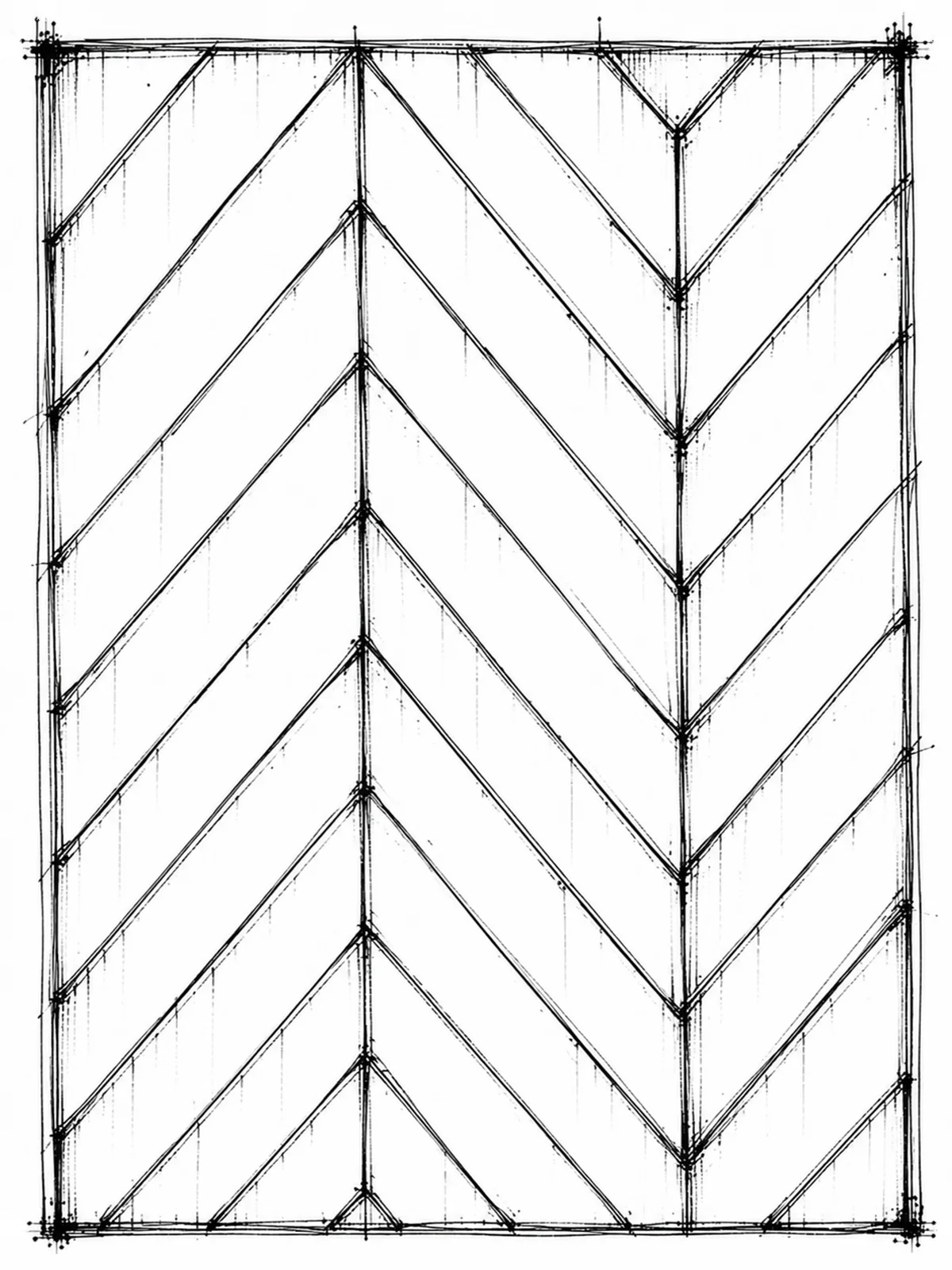
Parquet de Versailles is a classic square parquet panel constructed with a central diagonal lattice woven within a square frame. Historically assembled without nails, this geometric masterpiece uses precise mortise-and-tenon joinery to allow the European oak to expand and contract naturally with seasonal humidity.
Originally termed parquet à compartiments, each standard Versailles panel measures approximately 97 by 97 centimeters. The design relies on a rigorous mathematical grid, where dozens of small, hand-beveled oak pieces form a woven pattern that appears to float within its outer square border. This structural independence prevents the wood from buckling or splitting during seasonal climate shifts.
The resulting surface plays beautifully with natural light. Because the wood pieces are assembled in alternating directions, the grain of individual elements absorbs and reflects light differently. This creates a shifting, dynamic contrast of light and shadow—a gentle chiaroscuro underfoot—that changes as you move through the room.
What is the history of Point de Hongrie (Chevron) flooring?
Point de Hongrie flooring, commonly known as chevron parquet, originated in 16th-century Italy, inspired by vibrant flame-stitch embroidery. The pattern gained widespread architectural prominence during the 19th-century Haussmannization of Paris, becoming the definitive flooring style for grand boulevard apartments.
The name "Point de Hongrie" translates to "Hungarian point," referencing the zigzag flame-stitch patterns popular in Renaissance textiles, specifically those associated with Saint Elizabeth of Hungary. During Baron Haussmann’s monumental urban renewal project in Paris between 1853 and 1870, architects sought a flooring style that could visually expand and elegantize rooms. Point de Hongrie met this need perfectly.
Laid parallel to fireplaces and large windows, the sharp, continuous zigzag seams of the chevron pattern acted as a visual compass. The design directed incoming natural light and created an illusion of endless space. The alternating angles of the wood grain meant that one row of planks would appear light and shimmering while the adjacent row appeared deep and shadow-toned, depending on the position of the sun.
Chevron vs. Herringbone: What is the difference?
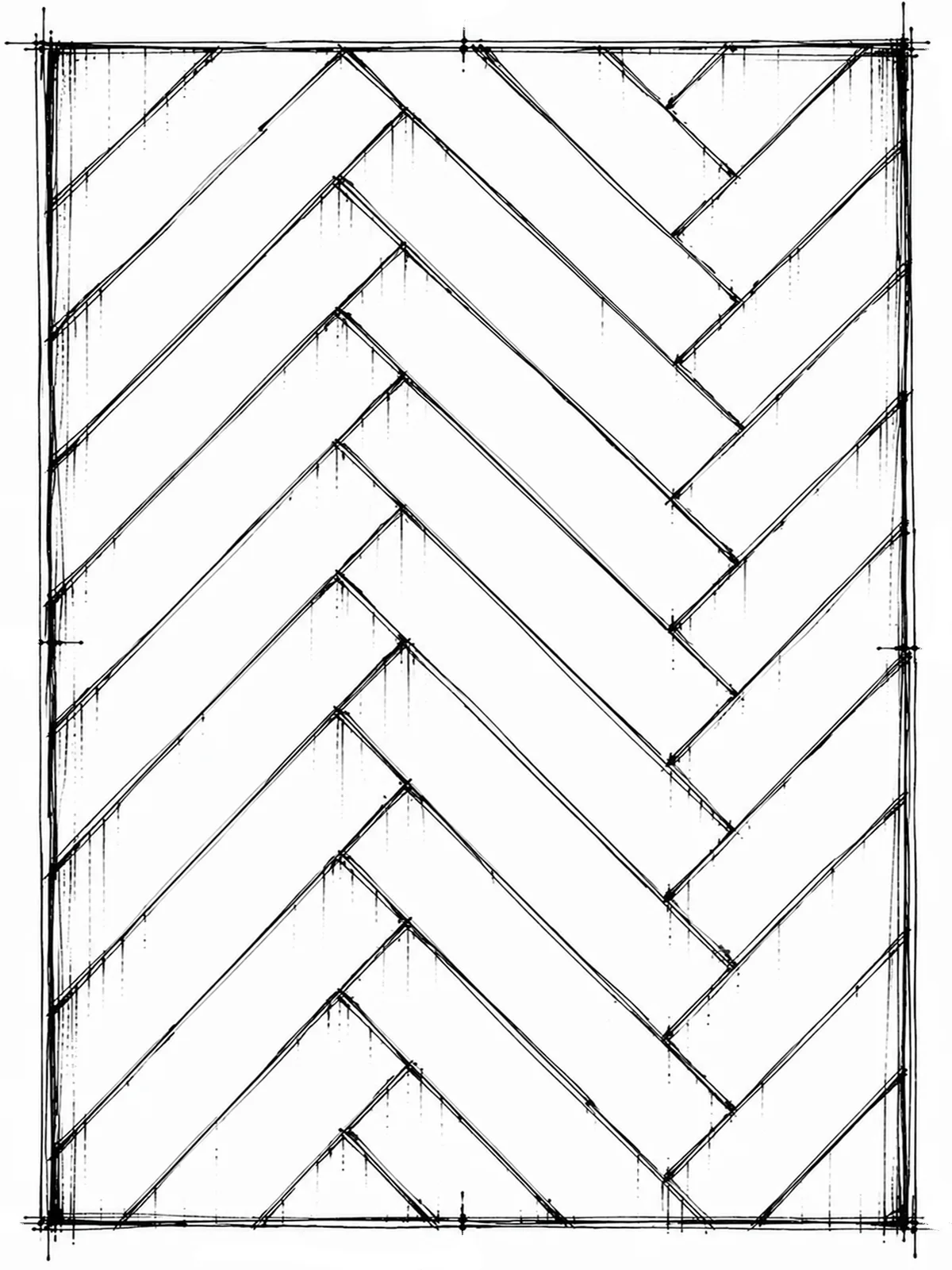
The difference between chevron and herringbone parquet lies in the cut of the wood joints and the resulting visual alignment. Chevron planks are cut at an angle to meet flush along a straight center line, while herringbone planks are rectangular and overlap at a 90-degree angle.
Designers often confuse these two classic patterns, yet they create distinct visual rhythms. Chevron (Point de Hongrie) produces a continuous, clean zigzag pattern with sharp, unbroken seams. Herringbone (known in France as Bâtons Rompus) creates a broken, stepped pattern that feels heavier and more traditional underfoot. The choice between the two fundamentally alters the perceived scale and movement of an interior.
| Aesthetic Feature | Chevron (Point de Hongrie) | Herringbone (Bâtons Rompus) |
|---|---|---|
| Plank Cut Angle | Mitered ends (usually 45° to 60°) | Square-cut ends (90°) |
| Joint Alignment | Meets flush along a continuous straight seam | Interlocking, overlapping perpendicular joints |
| Visual Rhythm | Sharp, fluid zigzags that elongate the space | Staggered, stepped pattern with broken lines |
| Historical Context | 19th-century Parisian Haussmann apartments | Traditional European estates and historic libraries |
How has classic parquet evolved for modern architectural design?
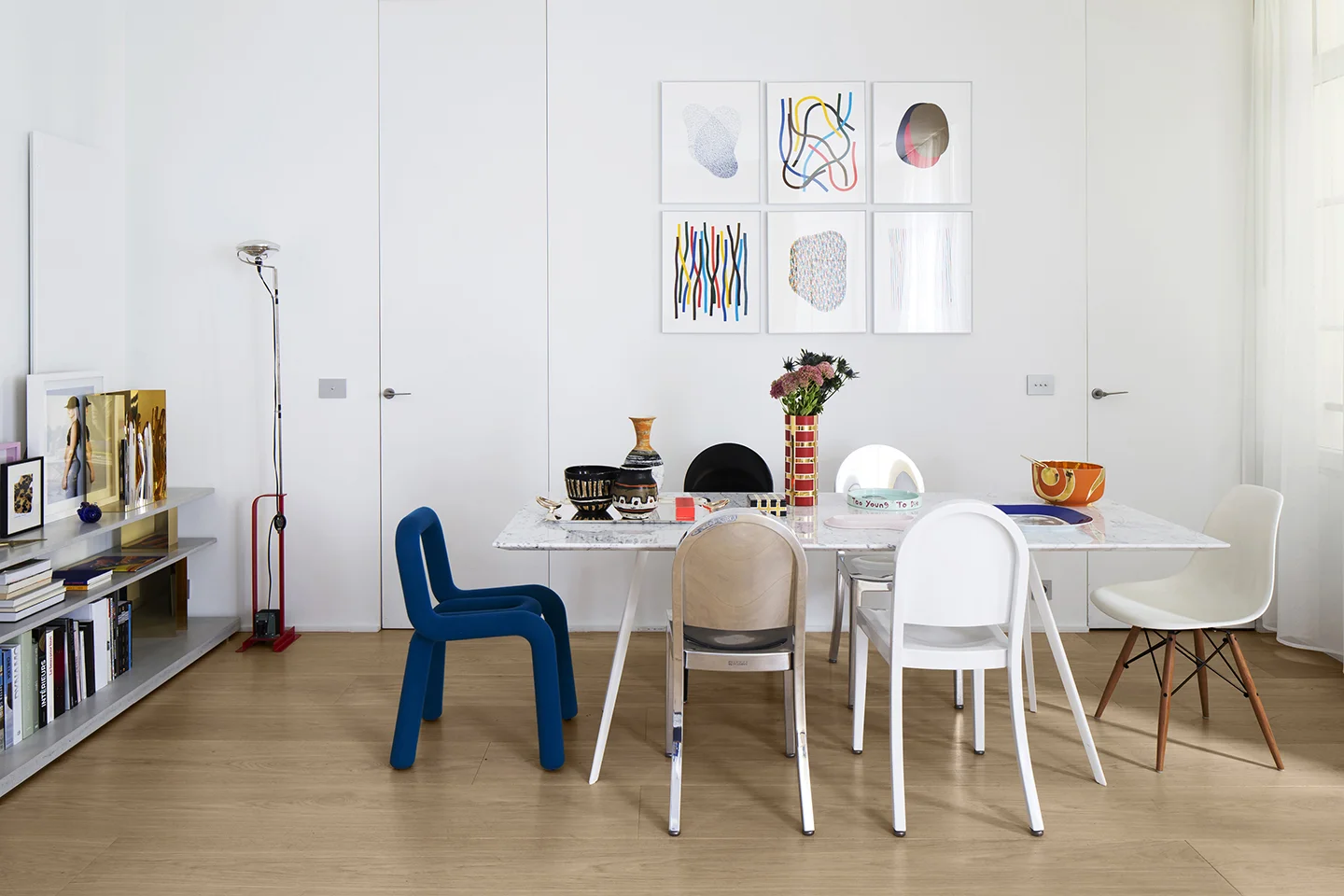
Modern architectural design adapts classic parquet patterns by dramatically scaling up the dimensions and utilizing advanced finishing techniques. Contemporary installations swap high-gloss varnishes for wire-brushed, raw-effect oils, emphasizing the natural tactile grain of European oak in minimalist, light-filled spaces.
Today's grandest residential and commercial projects do not simply copy history; they recontextualize it. Enlarged Versailles panels and wider, longer chevron boards create a cleaner, less cluttered aesthetic suited to spacious open floors. This upscaling brings a contemporary perspective to historic patterns, ensuring they feel thoroughly modern rather than purely antique.
Furthermore, the modern palette favors organic, matte finishes. By applying reactive stains and deep core-smoking techniques, craftsmen can draw out rich, earth-toned colors from within the oak pores without masking the timber's natural beauty. This preserves the timeless geometric discipline of the 17th century while aligning with the quiet luxury and sensory depth of contemporary architecture.
Frequently Asked Questions about Parquet History
Why is it called Parquet de Versailles?
The pattern is named after the Palace of Versailles, where King Louis XIV replaced the cold marble floors with this specific diagonal lattice wood panel design in 1684. It became a hallmark of French royal style and was subsequently copied in grand estates worldwide.
What is the difference between Point de Hongrie and Chevron?
Point de Hongrie and Chevron are terms for the same geometric pattern. In France, "Point de Hongrie" is the historic name derived from 16th-century flame-stitch embroidery, while "Chevron" is the common international term referring to the V-shaped zigzag design.
How did Baron Haussmann influence the history of parquet?
Baron Haussmann's 19th-century redesign of Paris mandated high-ceilinged, grand apartments that utilized Point de Hongrie (chevron) flooring. This massive urban development cemented the pattern as the definitive symbol of classical Parisian interior design.
More from the Atelier
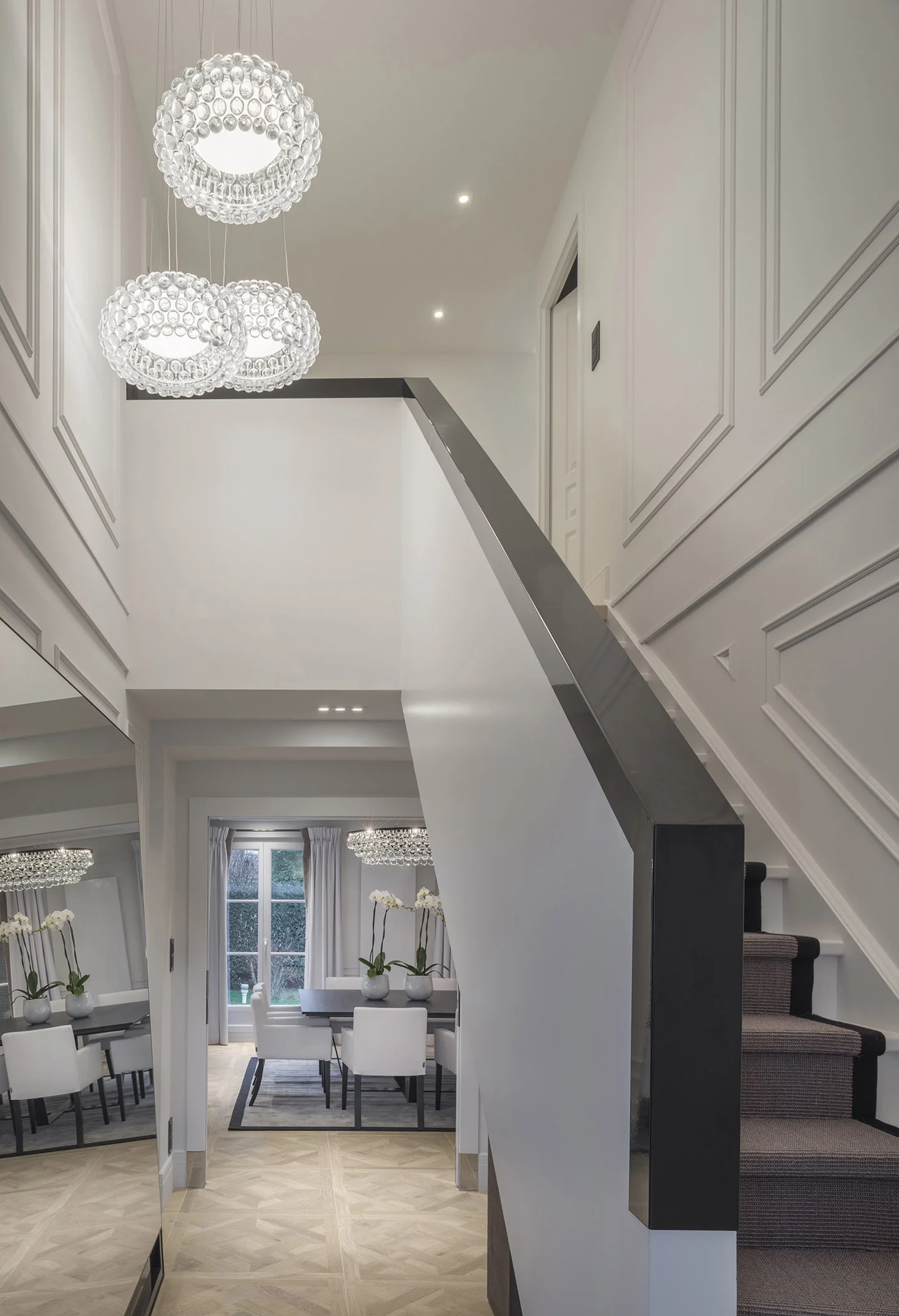
Calm Bedroom Design: How Wood Floors Create Restful Interiors
Learn how natural wood bedroom floors, acoustic balancing, and soft timber textures combine to transform your bedroom into a quiet, restorative sanctuary.
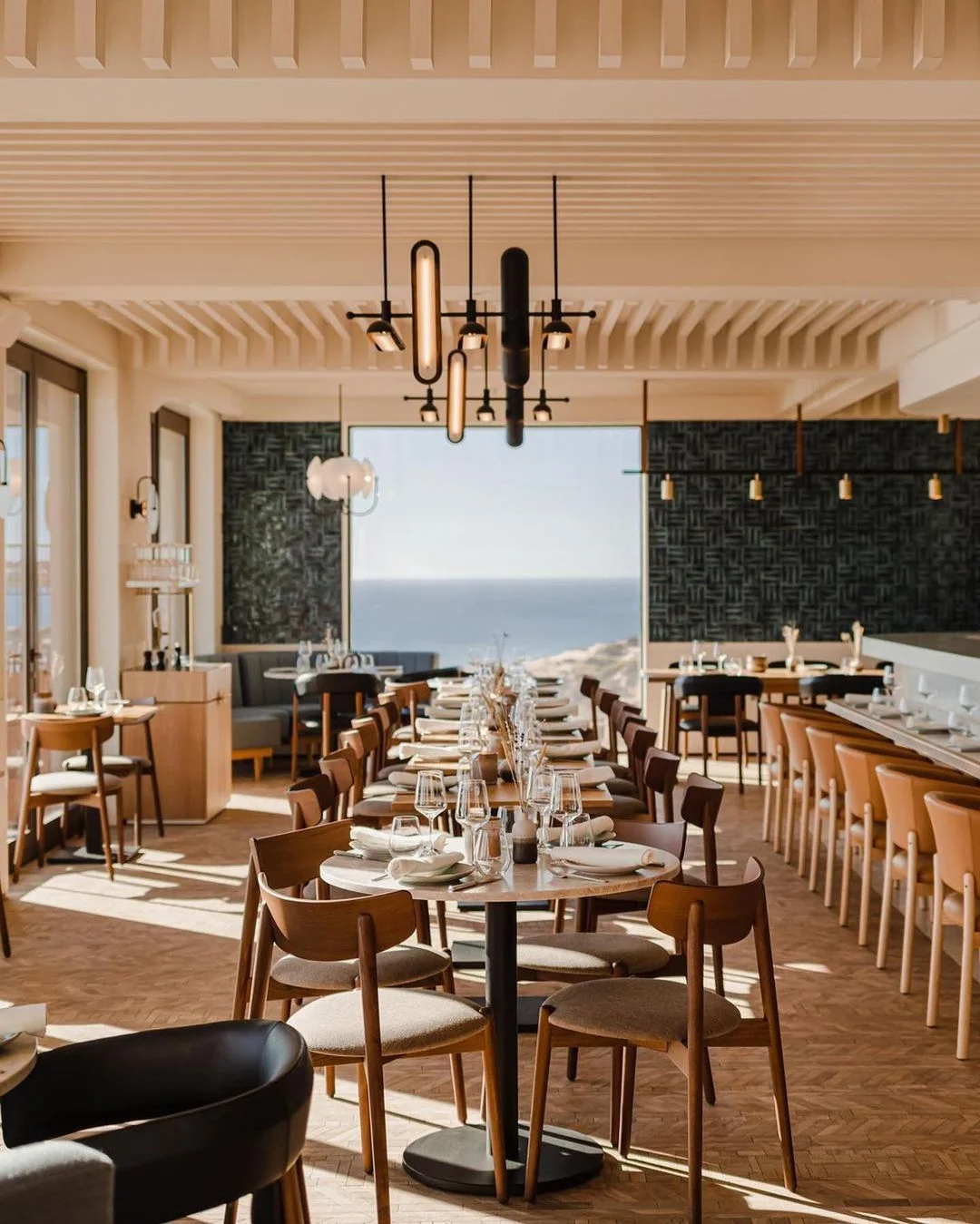
Summer Light & Organic Grids: Coastal Sanctuaries
Discover how the raw, organic grids of end-grain wood and pale timber tones ground bright, modern seaside properties into peaceful sensory retreats.
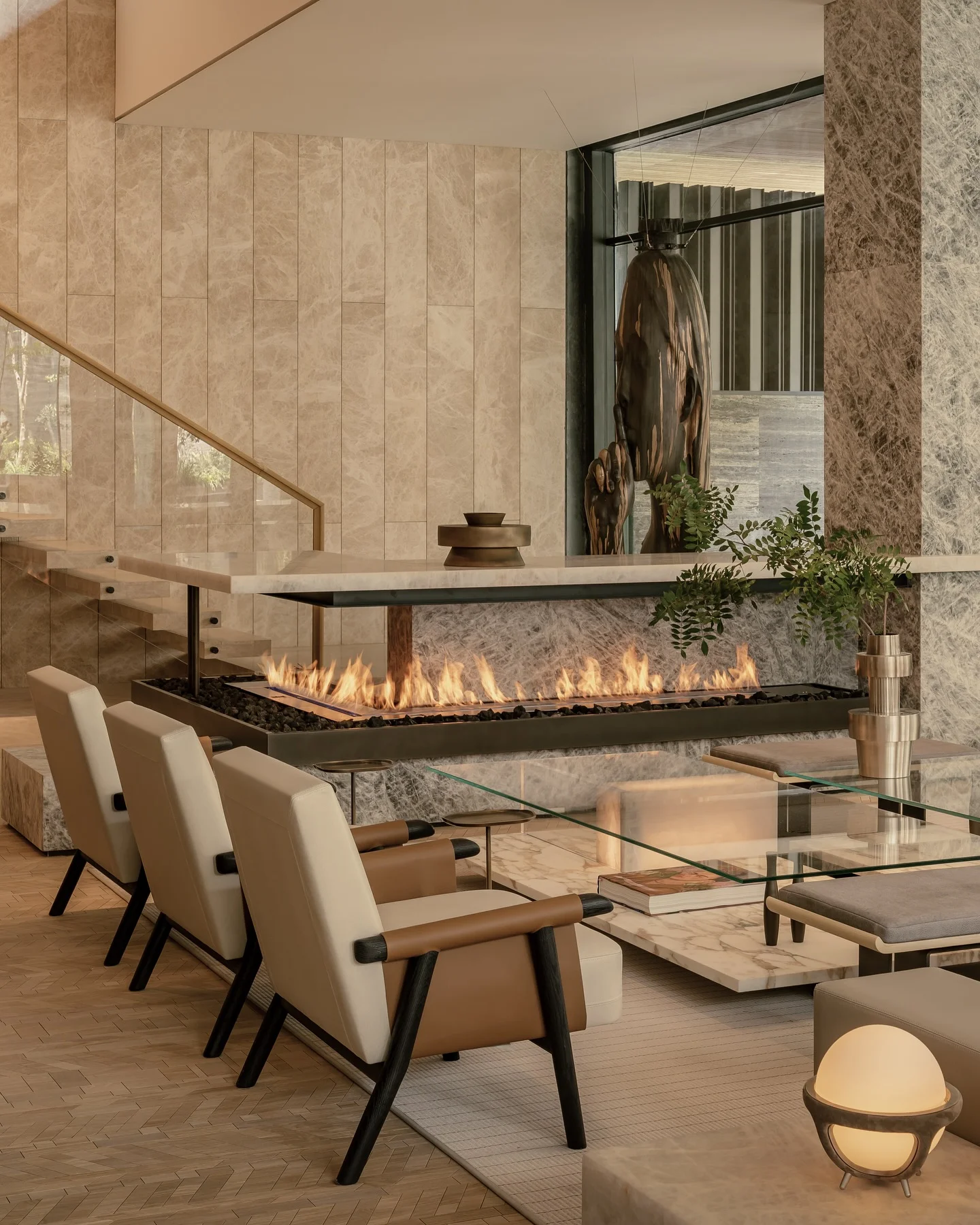
Minimalism and Wood: Doing More with Less Material in Design
Discover how warm minimalism replaces stark white spaces with tactile timber. Learn how a monomaterial approach creates serene, acoustically quiet luxury.