
Ash, Maple and Beech: Choosing the Best Light Wood Flooring
An architectural comparison of tone, grain, and durability across three premier pale wood species.
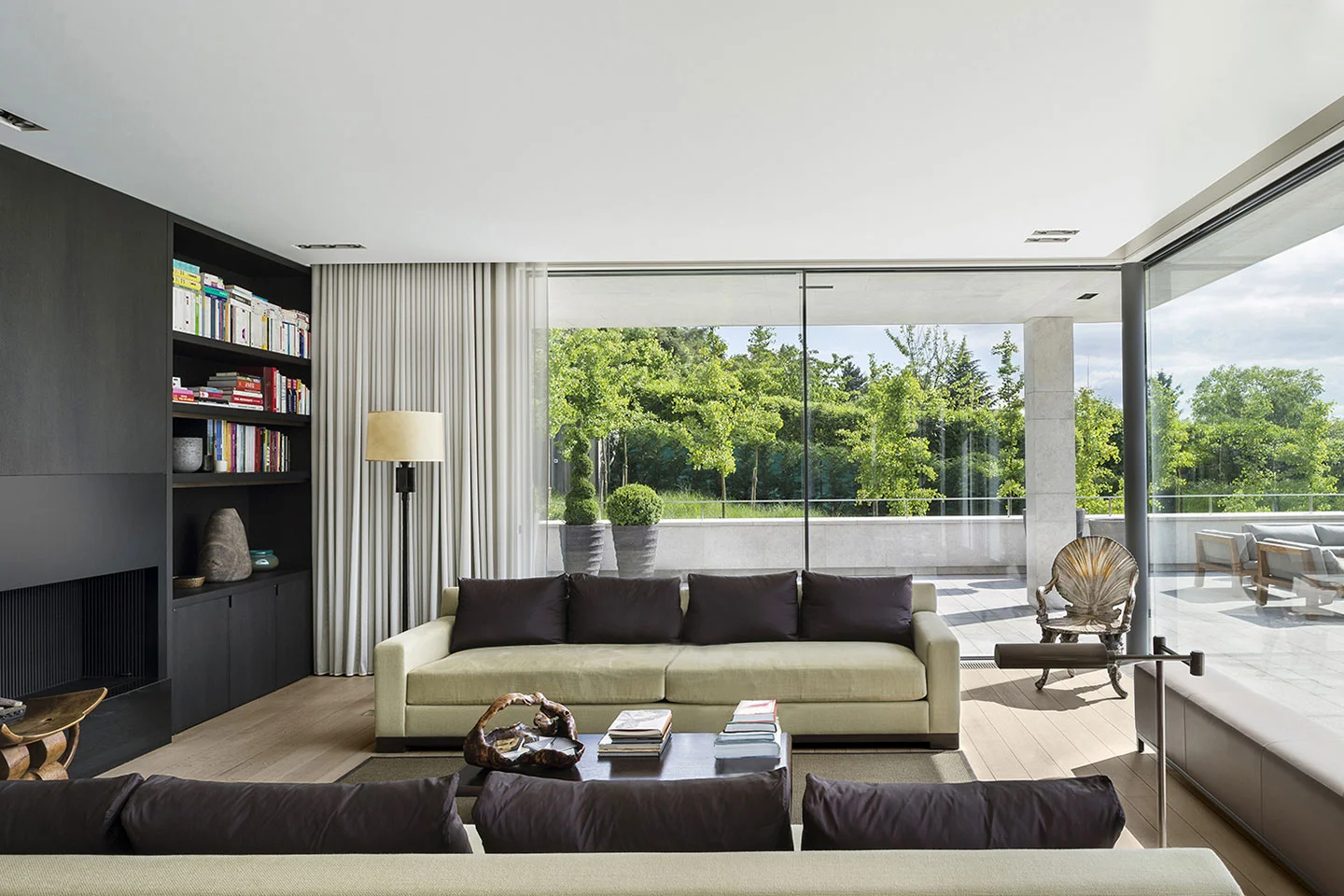
Light wood flooring using ash, maple, or beech offers an elegant way to maximize natural light and ground modern interiors in warm minimalism. While ash provides a graphic, expressive grain, maple delivers an ultra-smooth, uniform surface, and beech introduces a soft, stabilizing rosy-golden warmth. Selecting the right species requires balancing these aesthetic qualities with their distinct Janka hardness ratings and natural UV patination over time.
- Ash flooring features a bold, wavy grain pattern that creates a graphic, textured aesthetic, especially prominent in end-grain cuts.
- Maple flooring offers a dense, uniform, fine-grained surface with creamy white tones that naturally patina to a warm golden hue over time.
- Beech flooring provides a cohesive, fine-textured surface with warm, wheat-and-apricot undertones that are often enhanced through steam-treating.
- All three species feature high Janka hardness ratings, making them incredibly durable options for high-traffic residential and commercial spaces.
- Exposing the vertical fibers of these light woods in an end-grain format exponentially increases wear resistance while creating a light-catching, tactile surface.
What is light wood flooring, and why is it trending?
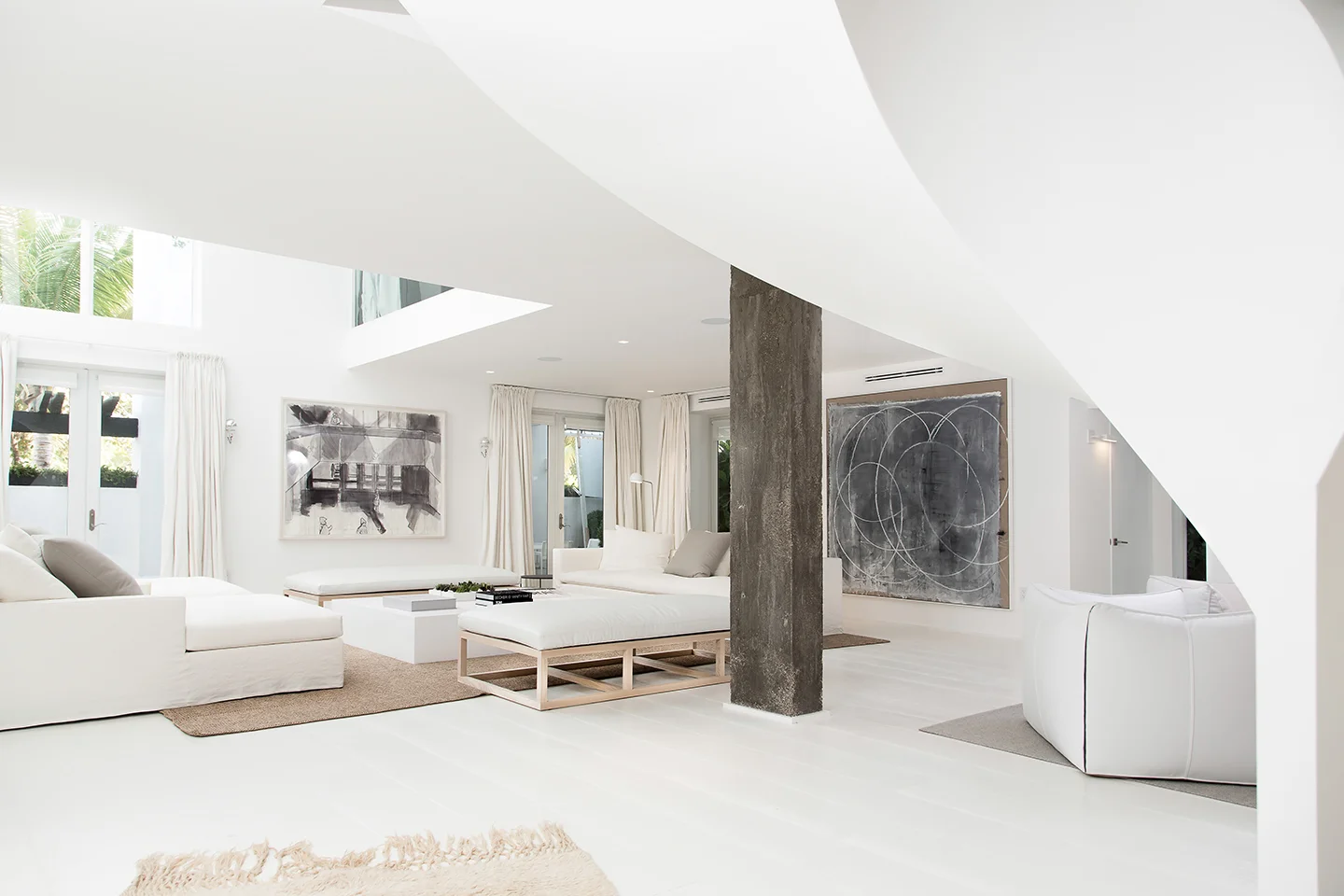
Light wood flooring refers to architectural timber surfaces made from pale species like ash, maple, and beech that bounce natural light to create airy, spacious interiors. This surface treatment is trending because design preferences have shifted away from cold, sterile grays toward warm minimalism, where natural materials provide acoustic comfort and organic textures. By utilizing pale wood floors, architects can amplify the volume of a room and establish a serene, grounded atmosphere.
In modern design, light-colored floors serve as a canvas for natural illumination. Low-angle morning light catches the matte surfaces of pale timber, diffusing a soft, natural glow rather than a harsh glare. This aesthetic, often associated with Scandinavian and Japandi design movements, relies on the subtle variations of natural wood to ground clean architectural lines. By reflecting light instead of absorbing it, pale wood floors make open-plan spaces feel more expansive and connected to the natural world.
Ash vs. maple vs. beech flooring — how do they compare?
Ash, maple, and beech flooring differ primarily in their grain pattern, color undertones, and how they respond to light and wear over time. While ash is highly graphic with a prominent, wavy grain, maple is exceptionally uniform and smooth, and beech is warm and harmonious with a fine, dotted texture. Understanding these differences allows designers to select the precise species that complements their interior vision.
To assist in the specification process, the physical and aesthetic characteristics of these three pale hardwood species are compared below:
| Wood Species | Janka Hardness Rating | Grain Pattern | Visual Character | Natural Patina Process |
|---|---|---|---|---|
| White Ash | 1,320 lbf | Bold, wavy, expressive | Graphic & textured | Warms slightly to a soft straw tone |
| Sugar Maple | 1,450 lbf | Tight, uniform, closed | Monolithic & serene | Patinas over time to a warm golden-amber |
| European Beech | 1,300 lbf | Fine, straight, small flecks | Warm, cohesive & relaxed | Deepens slightly to a rich rosy-golden hue |
As documented by wood scientists in the Janka Hardness Scale, all three species offer robust durability that meets or exceeds the hardness of traditional White Oak (1,360 lbf). This makes them highly reliable choices for high-traffic environments, ensuring that the floor maintains its structural integrity even under constant daily wear.
What are the unique characteristics of ash flooring?
Ash flooring is celebrated for its highly graphic, expressive grain structure and exceptional shock resistance, which makes it a vibrant alternative to traditional oak. The wood features distinct bands of light-colored sapwood and slightly darker heartwood, creating a wavy, rhythmic pattern across the floor. This active grain structure brings a sense of organic movement and artistic energy to minimalist spaces.
Because ash has prominent growth rings, it reads as a highly tactile surface. When milled as traditional planks, the grain flows down the length of the room, adding a spirited movement that breaks up flat architectural planes. In end-grain installations, these growth rings are sliced horizontally, turning each block into a miniature, hand-stamped work of art that catches shifting daylight from different angles. This natural pattern is highly effective at concealing minor scratches and everyday wear, making ash as practical as it is visually striking.
Why is maple flooring favored for minimalist architecture?
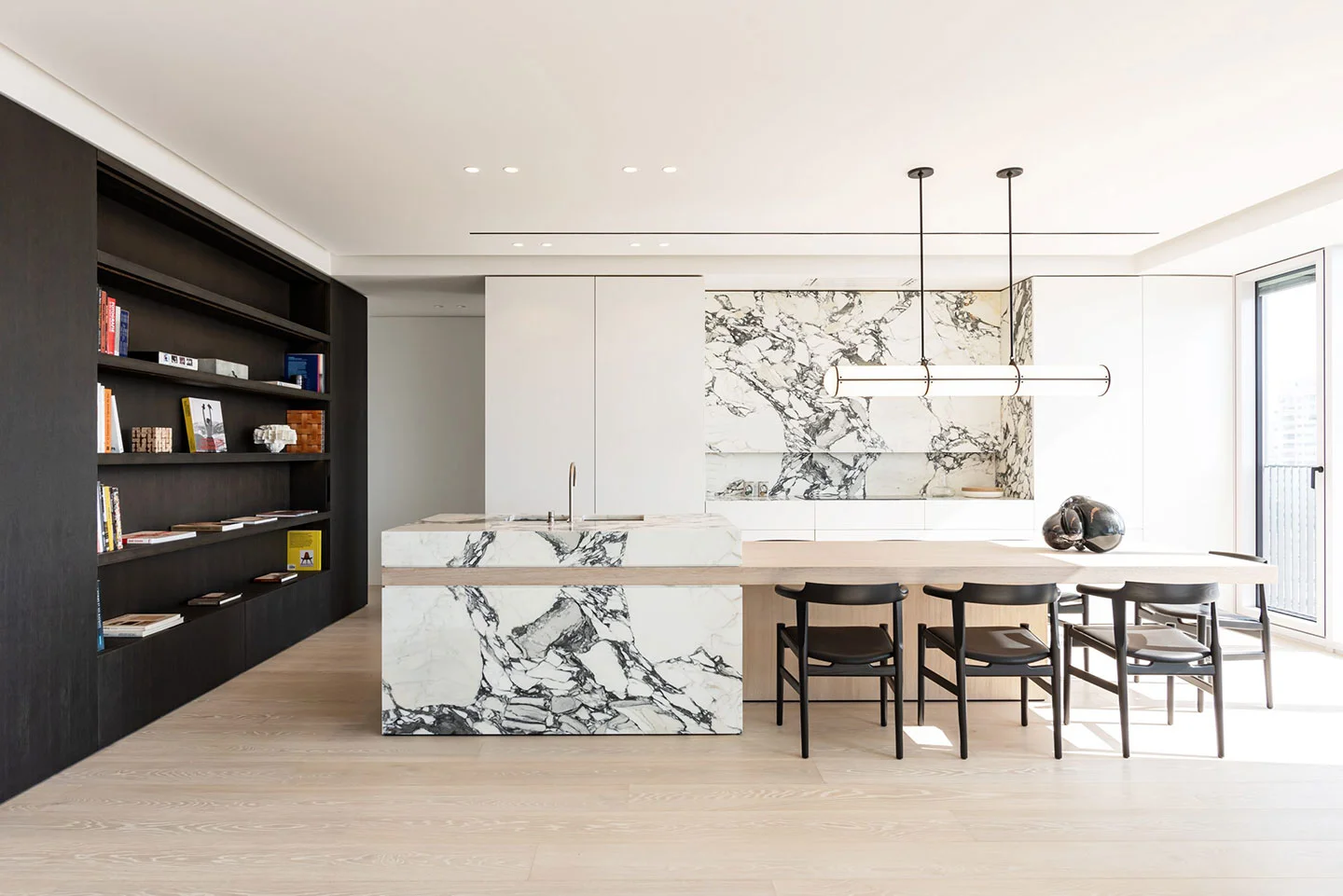
Maple flooring is favored for minimalist architecture because of its incredibly tight, uniform grain and creamy-white to light-ivory coloration, which together create a seamless, near-monolithic surface. This species has very little color contrast between its growth rings, resulting in a serene, quiet backdrop that does not compete with minimalist furniture or clean walls. For spaces designed around the principles of Japandi or Scandinavian design, maple provides the ultimate clean canvas.
Hard maple is exceptionally dense and has historically been used in demanding applications, such as classic butcher blocks and industrial bowling alleys, due to its high Janka hardness of 1,450 lbf. Designers must note that maple is highly sensitive to ultraviolet light. According to timber performance studies, exposure to sunlight will naturally coax out a warm, golden-yellow patina over the years. This aging process is a beautiful, living character of the wood and should be embraced rather than viewed as a defect.
How does beech flooring bring warmth and harmony to large spaces?
Beech flooring brings warmth and harmony to large spaces through its fine, straight grain and soft, rosy-golden undertones that naturally soften cold architectural materials like concrete and steel. Unlike ash's graphic waves or maple's cool creaminess, beech offers a middle ground of uniform, ripe-wheat warmth that ties expansive open-plan interiors together. The resulting surface is cohesive, dotted with tiny, dark wood rays that give the floor a subtle, velvet-like depth underfoot.
To enhance its dimensional stability and enrich its color, beech timber is often subjected to a professional steaming process. This steam treatment relaxes the cellular structure of the wood, making it less prone to seasonal movement while coaxing out its signature warm, apricot-and-pink undertones. This makes steamed beech an exceptional option for commercial and hospitality projects where a sense of welcoming, relaxed elegance is desired.
Plank vs. end-grain cuts — how does the cut affect pale woods?
The choice between longitudinal planks and end-grain cuts fundamentally alters both the aesthetic and physical performance of pale woods like ash, maple, and beech. While traditional planks highlight the natural flow and length of the timber's grain, end-grain blocks expose the vertical wood fibers, which dramatically increases durability and reveals a mosaic of growth rings. This structural difference transforms how the light interacts with the wood surface.
Walking barefoot on an end-grain floor reveals a tactile difference; the exposed vertical fibers feel warmer and slightly softer, acting like a natural acoustic dampener. Historically, this cut was utilized in 19th-century industrial workshops to withstand heavy machinery and iron-wheeled carriages, as documented in historic paving archives. For a bright, light-filled interior, an end-grain cut transforms species like ash or maple into a light-catching tapestry of rings, where every block reacts uniquely to changing overhead illumination.
How do you maintain the brightness of pale wood floors?
Maintaining the brightness of pale wood floors requires using high-quality ultraviolet-inhibiting finishes, regular dry sweeping to prevent abrasive dirt from scratching the surface, and immediately wiping up moisture. Applying a matte, non-yellowing protective oil or a water-based polyurethane sealer with UV blockers is essential to slow down the wood's natural tendency to darken or amber over time. This preserves the fresh, luminous quality that makes light wood so appealing.
Because light wood floors show dirt and micro-scratches more readily than darker woods, a disciplined maintenance routine is key. Avoid using harsh chemical cleaners that can degrade the protective finish or strip the wood's natural oils. Instead, opt for pH-neutral wood soaps specifically formulated for light or white-pigmented finishes to preserve that clean, airy aesthetic for decades.
Frequently Asked Questions about Light Wood Floors
Does maple flooring turn yellow over time?
Yes, maple flooring naturally develops a warmer, golden-yellow patina over time when exposed to ultraviolet light. This color transition is a natural characteristic of the wood species and can be minimized, but not entirely stopped, by using finishes with UV inhibitors.
Which is harder: ash, maple, or beech?
Maple is the hardest of the three, with a Janka hardness rating of 1,450 lbf, followed by ash at 1,320 lbf, and beech at approximately 1,300 lbf. All three species are highly durable hardwoods that are suitable for residential and commercial flooring.
Why is steamed beech used for flooring?
Steaming beech wood relieves internal growth stresses and increases its dimensional stability, making the timber less prone to warping. The process also enriches the wood's natural tones, turning its pale cream color into a warm, uniform rosy-golden hue.
Are light wood floors harder to keep clean than dark floors?
Light wood floors do not collect more dirt than dark floors, but they show dark debris, pet hair, and micro-scratches more easily. Regular dry sweeping and using a pH-neutral cleaner designed for light wood finishes will keep the surface looking pristine.
More from the Atelier
Pine and Fir: Are Softwood Floors a Good Idea?
Discover why architects and minimalist designers are choosing pine and fir over traditional hardwood, embracing a living canvas of light and historic patina.
Chestnut and Elm: Underrated Woods for Character Floors
Explore why chestnut flooring and elm wood floors are emerging as the ultimate character wood species, offering rich histories and striking organic patterns.
Cherry Wood Flooring: Warmth That Deepens with Age
Discover how cherry wood flooring is stepping out of the 1990s and into modern minimalist architecture, celebrated for its unique light-reactive patina.