
Cherry Wood Flooring: Color, Hardness and How It Ages
Few woods change as much in their first year on the floor. Know what you are buying before you choose it.
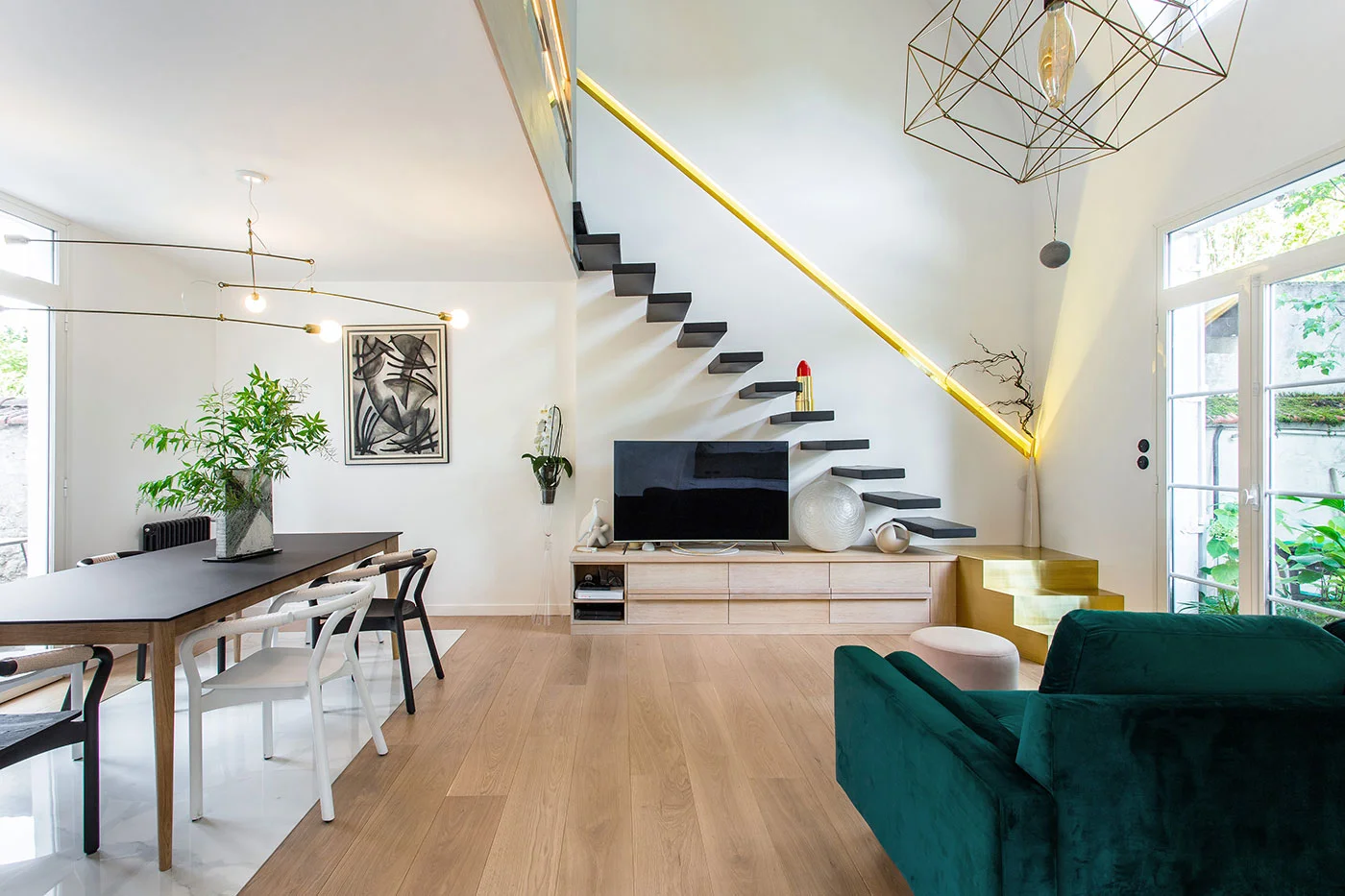
Cherry wood flooring is made from American black cherry, a fine, even-grained hardwood that starts a pale pinkish brown and darkens to a deep reddish brown as it is exposed to light. It is warm and smooth underfoot, but noticeably softer than oak, so it shows dents and scratches sooner. Most of its color change happens in the first months after it is laid.
What does cherry wood flooring look like?
Freshly milled cherry is light, between salmon pink and pale tan, with a fine, straight grain and few strong figure marks. The sapwood is much paler, almost cream, so floors that include it show streaks of light and dark. Small dark flecks, gum pockets, are part of the species and are common in lower grades.
Light changes all of this. Within months the heartwood deepens to a reddish brown and keeps mellowing for years. The change is natural and comes from the wood itself, not from a stain, and it cannot be stopped completely, only slowed by finishes with UV filters.
Why does cherry darken, and how do you avoid rug shadows?
Cherry is one of the most light-sensitive woods used for floors. Anything that covers part of a new floor, a rug, a sofa or a bed, leaves a paler patch behind when it is moved.
- Leave rugs off a new cherry floor for the first few months, or move them regularly.
- Shift large furniture now and then during the first year.
- If you find a pale patch, expose it to daylight. It usually darkens to match the rest of the floor within weeks.
Rooms with strong sun change fastest. A north-facing room and a south-facing one, laid on the same day, will not match a year later.
Is cherry flooring hard enough? Cherry vs oak
Cherry is softer than oak, at roughly 950 on the Janka hardness scale against about 1,300 for oak. In practice that means heels, chair legs and dropped objects mark it more easily. It is a good fit for bedrooms, studies and quiet living rooms, less so for a busy hallway or a kitchen with a dog.
| Cherry | Oak | |
|---|---|---|
| Hardness | Softer; dents more easily | Harder; the benchmark for floors |
| Grain | Fine, smooth, subtle | Open, more pronounced, takes color well |
| Color over time | Darkens strongly to reddish brown | Changes far less |
| Range of finishes | Usually left close to its own color | Natural, smoked, lacquered colors, black |
| Best rooms | Bedrooms, studies, low traffic | Any room, including commercial spaces |
A matte finish helps either wood: small marks blend into the grain instead of catching the light the way they do on gloss.
Solid or engineered cherry?
As with any species, engineered cherry, a cherry wear layer bonded to a stable core, moves less with the seasons than solid boards. That makes it the usual choice for wide planks and for floors over underfloor heating. Solid cherry can be sanded more times over its life, which matters in a softer wood that will need it.
Can you get the warmth of cherry in oak?
Yes, and with a harder floor. OscarOno Paris does not make cherry floors: everything we make is oak, apart from Réserve and Tweed, in Zambezi teak. What oak offers is the same warm, honeyed register without cherry's softness and without waiting a year for the color to settle, because the tone comes from the finish from the first day.
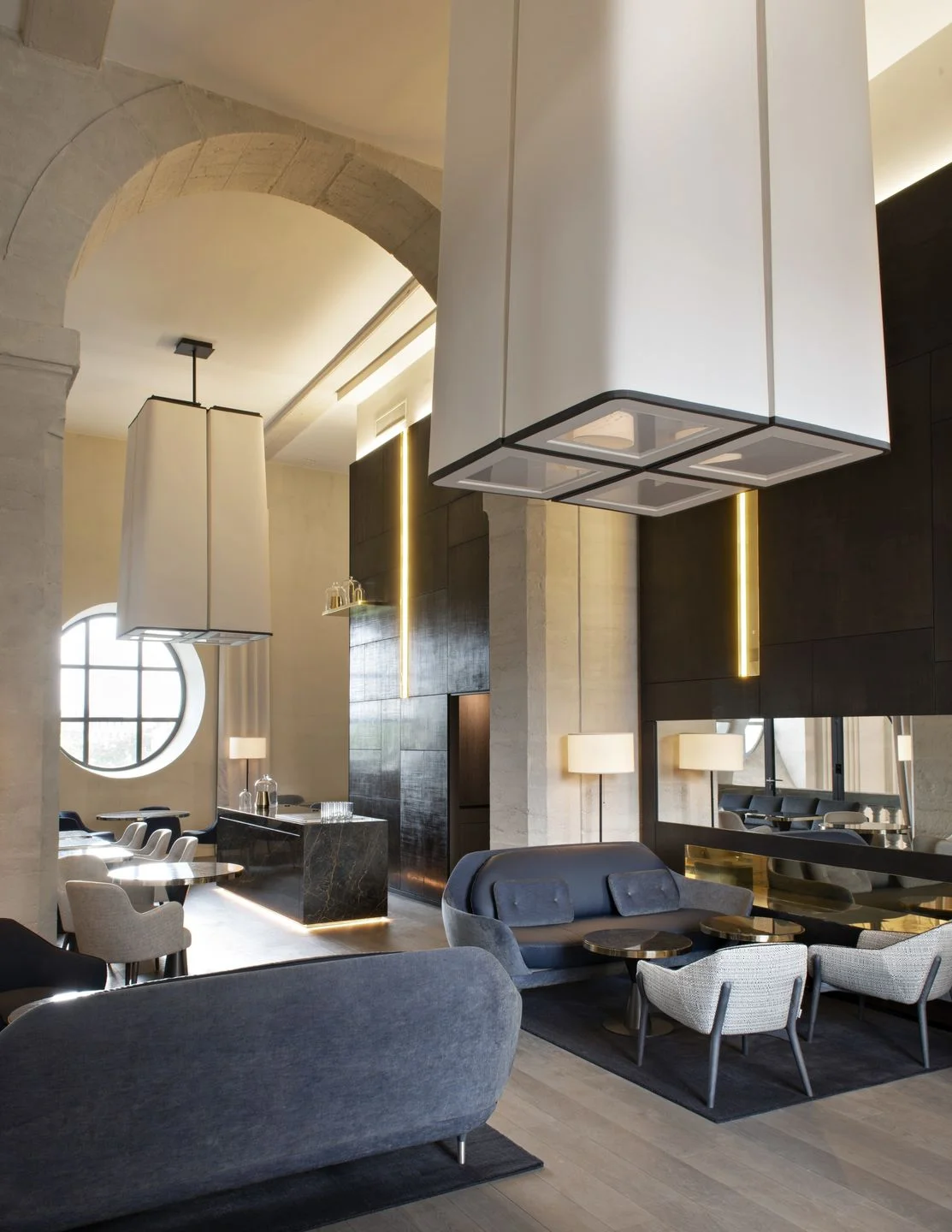
Droit, our straight oak plank, comes in twelve lacquered Essentiel colors, from pale to deep brown. Warm honey and brown tones such as Miel Doux and Brun Doux are the closest to a mellowed cherry floor, though they read as oak, with oak's more open grain, not as cherry. At the Grand Hotel Dieu in Lyon, Droit is laid in Brun Doux, a warm brown.
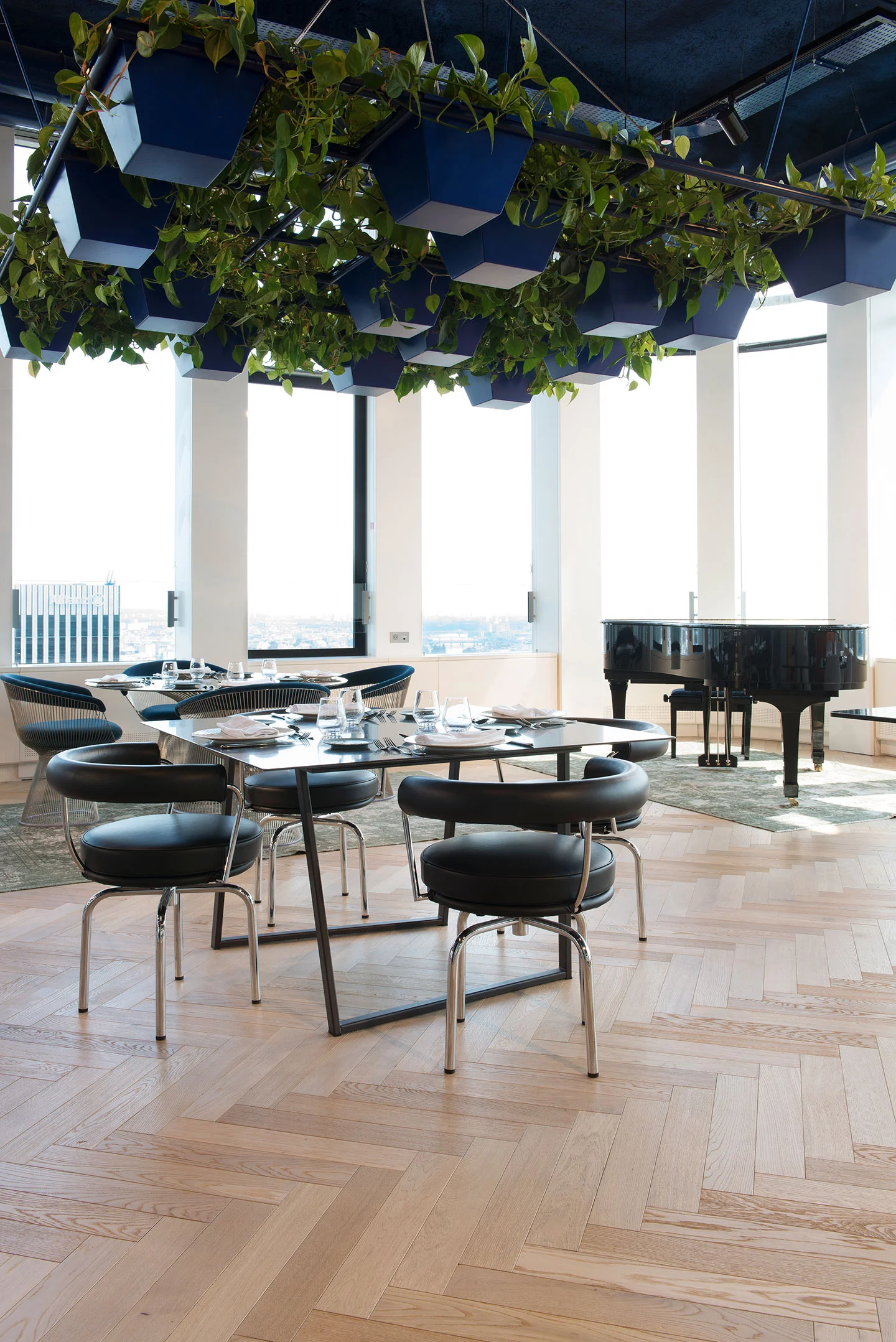
If you like cherry's fine, quiet surface but want pattern, Rompu, our oak herringbone, takes the same colors. At Tour Initiale in Paris, Rompu in Miel Doux shows how a honey tone works on a herringbone.
Frequently asked questions
Does cherry wood flooring darken over time?
Yes. Cherry starts pale pinkish brown and darkens to a deep reddish brown with exposure to light. Most of the change happens in the first months, and it keeps mellowing slowly for years. Finishes with UV filters slow it down but do not stop it.
Is cherry flooring softer than oak?
Yes. Cherry is roughly 950 on the Janka hardness scale and oak about 1,300, so cherry dents and scratches more easily. It suits bedrooms and quieter rooms better than hallways or kitchens.
How do you avoid light patches under rugs on a cherry floor?
Keep rugs off a new cherry floor for the first few months, or move them and the furniture regularly during the first year. If a pale patch appears, leave it in daylight and it will usually darken to match within weeks.
Can cherry flooring go over underfloor heating?
Engineered cherry is the usual choice over underfloor heating, because its layered core moves less than solid wood. Check the manufacturer's guidance for the specific product and system before you commit.
Is there an oak floor that looks like cherry?
Not identical, since oak has a more open grain, but warm honey and brown finishes on oak give a similar warmth with a harder floor. OscarOno Paris does not make cherry floors; its Essentiel oak floors come in twelve lacquered colors, including warm tones such as Miel Doux and Brun Doux.
Warm oak floors by OscarOno Paris
Droit and Rompu share one specification: flatgrain select oak, 12 mm with a 4 mm oak top layer, 150 mm or 190 mm wide, in twelve lacquered colors. Both are rated usage class 33 for heavy commercial traffic, carry a Cfl-s1 fire rating and are FSC and PEFC certified. Warm tones are hard to judge on a screen, so order samples and look at them in your own light. Spec sheets, CAD and 3D files are in the library.
More from the Atelier
Reclaimed Teak Flooring: End-Grain Strength and Resilience
Explore how reclaimed teak flooring and end-grain timber provide extraordinary durability, natural silica protection, and stability for demanding spaces.
How to Prevent Fading on Hardwood Floors: Design Guide
An architectural approach to managing sun exposure on wood floors, from spectrally selective glazing to finish choices and uniform patina development.
The Craft of Marquetry Parquet Flooring and Panels
Marquetry parquet flooring bridges historical French palace geometry with contemporary minimalism, bringing architectural structure to luxury interiors.