
Types of Parquet Floor: Architectural Patterns and Cuts
A technical specification guide to chevron, herringbone, panels, and endgrain.
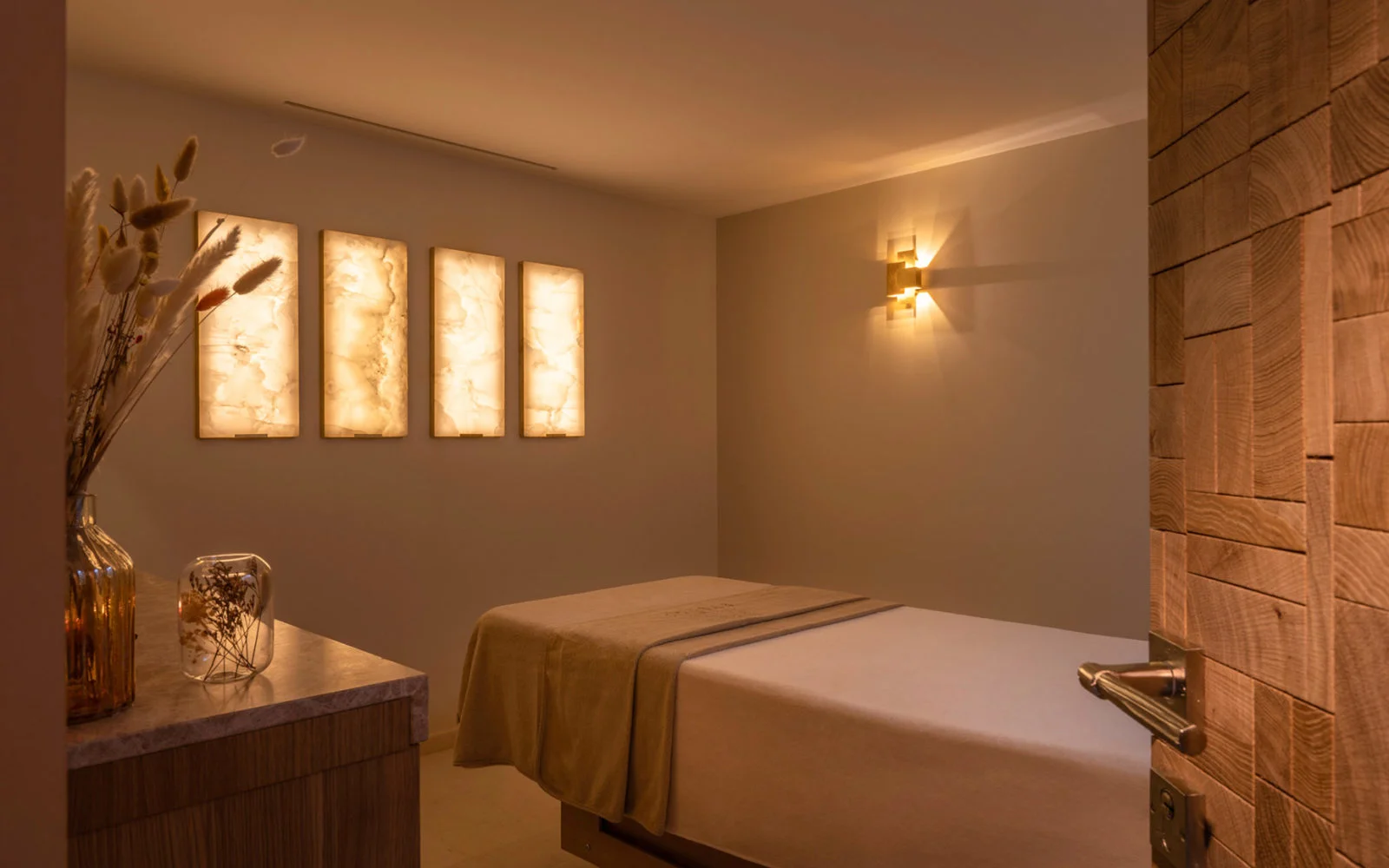
Selecting among the architectural types of parquet floor requires balancing geometric rhythm, structural stability, and surface wear. Classic French interiors developed distinct timber formats, ranging from directional zigzag cuts to modular marquetry panels and high-strength vertical timber blocks. Understanding how these patterns interact with light, room proportions, and construction profiles enables architects to specify the right floor for high-traffic environments.
What are the primary types of parquet floor?
The primary types of parquet floor divide into directional linear patterns, modular geometric panels, and vertical-fiber endgrain blocks. Directional formats include point de Hongrie (chevron) and bâtons rompus (herringbone), each organizing individual boards along precise angles to direct sightlines. Modular panels like parquet de Versailles assemble small elements into balanced square grids, while endgrain blocks expose the cross-section of timber growth rings for distinct compressive strength.
In addition to surface geometry, parquet is defined by timber cut and internal construction. Modern specifications typically feature engineered compositions where a solid European oak or exotic hardwood top layer is bonded to an engineered backing layer, such as birch plywood or solid timber substrates, delivering enhanced dimensional control compared to traditional solid boards.
How do herringbone and chevron patterns differ?
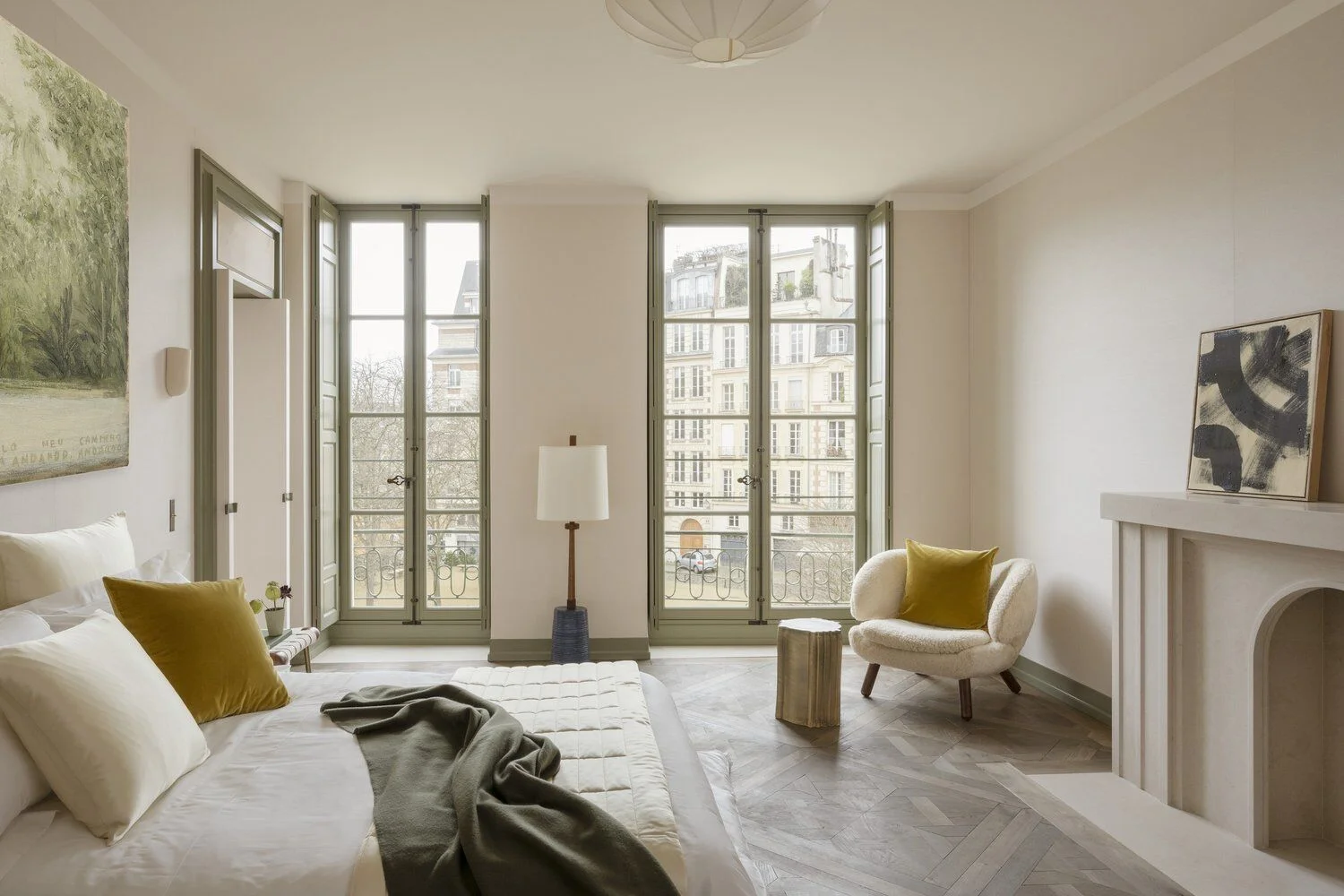
The distinction between herringbone and chevron lies entirely in how the board ends are cut and met. Herringbone uses true rectangular boards laid at 90-degree angles to each other, creating a stepped zigzag where the end of one plank meets the flank of its neighbor. The pattern carries historical weight in Parisian residential architecture, offering a balanced visual texture that absorbs asymmetry across irregular floor plans.
Chevron, known historically as point de Hongrie, requires the ends of every board to be mitred at an angle, most commonly 45 degrees or 60 degrees. When laid head-to-head, these mitred boards create a continuous, razor-sharp central axis that runs unbroken down the room. A 45-degree cut produces an equilateral point that widens visual perception across narrow spaces, whereas a 60-degree angle establishes a steeper, more elongated perspective suited to long galleries and formal salons. In retail applications such as Cartier in New York, chevron creates a deliberate sense of formal direction.
What defines Versailles panels and geometric marquetry?
Versailles parquet panels replace continuous directional movement with contained, self-centering modular geometry. First created in the seventeenth century to replace decaying stone floors, the standard Versailles panel sets diagonally woven oak strips inside an enclosing square frame. The resulting layout is calm and non-directional, anchoring large salons without leading the eye toward a specific wall.
Specifying panel parquet requires disciplined room planning. Panels must be set symmetrically from the centerlines of the room outward, with customized plain board perimeters or friezes absorbing fractional measurements along the walls. While traditional panels relied on complex solid carpentry, engineered formats preserve hand-fitted craftsmanship while ensuring the modules remain flat under fluctuating relative humidity.
Why specify endgrain wood block flooring?
Endgrain flooring turns the anatomy of timber on its head by exposing the upright fibers of the tree rather than its longitudinal face. Historically laid as pavé de bois in nineteenth-century Paris streets and industrial workshops, endgrain blocks withstand extreme compressive loads because footfall presses directly against the vertical cell walls rather than shearing across horizontal grain lines.
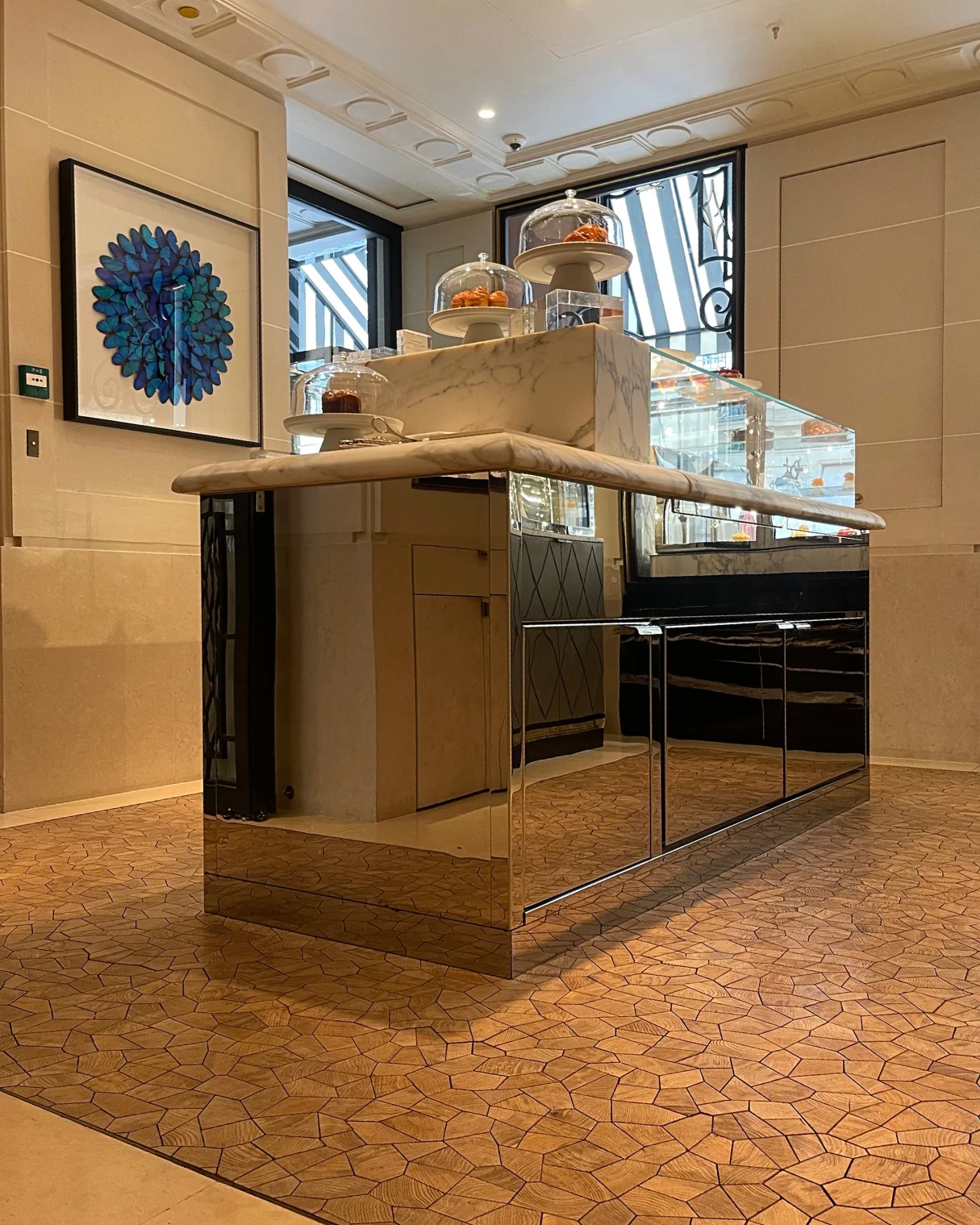
Beyond extreme hardness, endgrain floors introduce remarkable acoustic absorption and tactile depth. The exposed growth rings create an organic, mosaic-like surface where joins visually recede into a continuous architectural plane. Hospitality and commercial spaces, such as the Butterfly Pâtisserie at the Hôtel de Crillon in Paris, utilize endgrain surfaces to handle dense traffic while softening room acoustics.
How do parquet patterns and constructions compare?
Every parquet typification balances visual geometry, traffic resistance, and layout discipline. The following comparison highlights structural traits across the most common formats:
| Parquet Format | Grain Orientation | Visual Geometry | Primary Architectural Character |
|---|---|---|---|
| Herringbone (Bâtons rompus) | Flatgrain longitudinal | 90° interlocking steps | Rhythmic, forgiving on room proportions |
| Chevron (Point de Hongrie) | Flatgrain longitudinal | Continuous V-point (45° or 60°) | Dynamic, directional axial perspective |
| Versailles & Marquetry | Flatgrain assembled | Self-contained square panels | Balanced, modular, classical symmetry |
| Endgrain Blocks | Transverse cross-cut rings | Square or organic tessellations | Acoustic damping, high compressive strength |
| Straight Planks | Flatgrain longitudinal | Continuous parallel runs | Minimal, architectural, quiet plane |
How does OscarOno Paris approach parquet formats?
OscarOno Paris develops architectural wood surfaces that translate heritage French geometries into rigorous modern specifications. For directional patterns, the Essentiel collection includes Rompu for classic herringbone and Hongrie for chevron, both engineered with a 12 mm oak core and a 4 mm select-grade top layer, available in widths of 150 mm or 190 mm across twelve lacquered finishes. For modular paneling, Dalle delivers 800 x 800 mm assembled panels in select oak, featured in residences like Private Residence by After Bach in Paris.
Where extreme durability and acoustic calm are paramount, OscarOno Paris endgrain surfaces provide certified high-performance solutions rated for heavy commercial use (Usage class 34, Cfl-s1 fire rating). The Opus collection revives organic Parisian wood paving with an 8 mm endgrain wear layer over 12 mm birch plywood, while Cube crafts a quiet geometric grid from solid oak offcuts with a 6 mm wear layer. Designers seeking clean transitions can align these patterns with straight planks in Droit or non-repeating layouts in Forêt. To evaluate grain textures, finishes, and technical assemblies directly, order samples or explore spec sheets, CAD, and 3D assets in the OscarOno Paris Library.
Frequently asked questions
What is the difference between herringbone and chevron parquet?
Herringbone uses rectangular boards placed at right angles to create a staggered zigzag pattern. Chevron boards are cut at an angle at their ends, joining along a straight center line to produce a continuous V-shaped point.
What are the benefits of endgrain wood block flooring?
Endgrain flooring exposes the vertical growth rings of the timber, providing exceptional resistance to heavy foot traffic, noticeable sound dampening, and a distinct organic surface texture where joints recede visually.
Can parquet panels be customized for room boundaries?
Yes. Classic parquet panels like Dalle are square modules centered within the primary space, while the perimeter edges of the room are framed with plain timber boards or friezes to absorb dimensional variances.
More from the Atelier
Reclaimed Teak Flooring: End-Grain Strength and Resilience
Explore how reclaimed teak flooring and end-grain timber provide extraordinary durability, natural silica protection, and stability for demanding spaces.
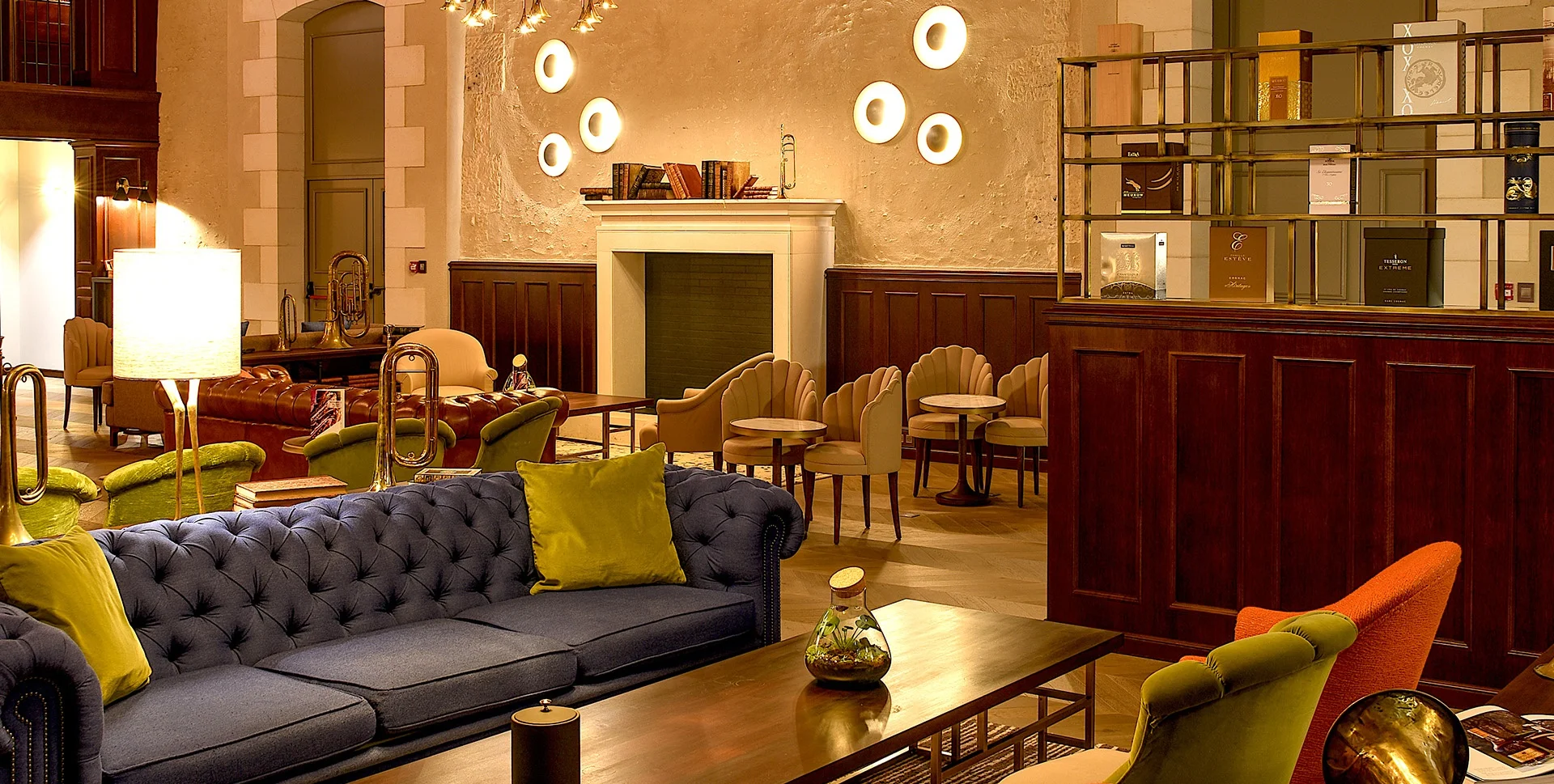
How to Prevent Fading on Hardwood Floors: Design Guide
An architectural approach to managing sun exposure on wood floors, from spectrally selective glazing to finish choices and uniform patina development.
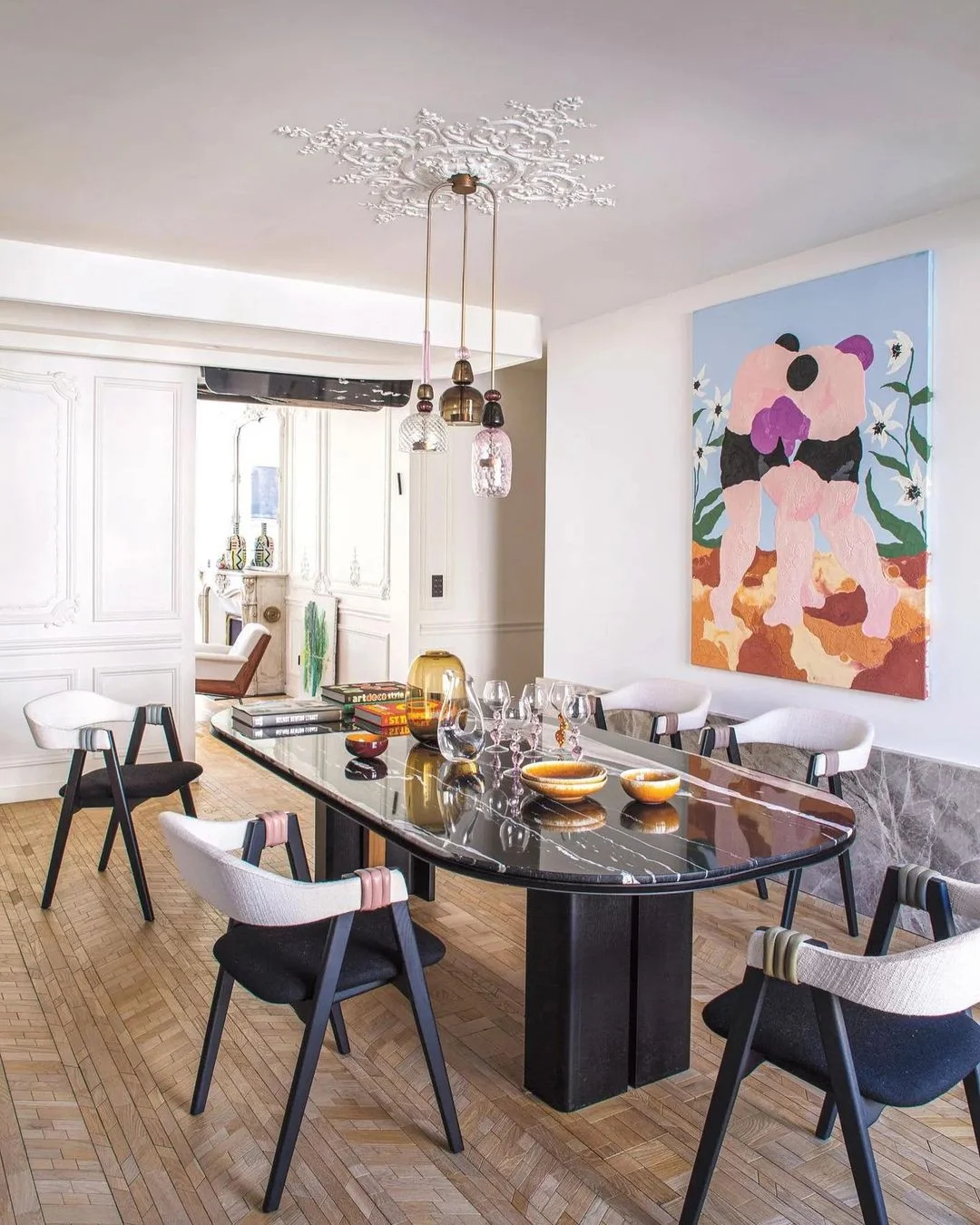
The Craft of Marquetry Parquet Flooring and Panels
Marquetry parquet flooring bridges historical French palace geometry with contemporary minimalism, bringing architectural structure to luxury interiors.