
Pine and Fir: Are Softwood Floors a Good Idea?
Unveiling the beauty, longevity, and living patina of softwoods in modern architecture.
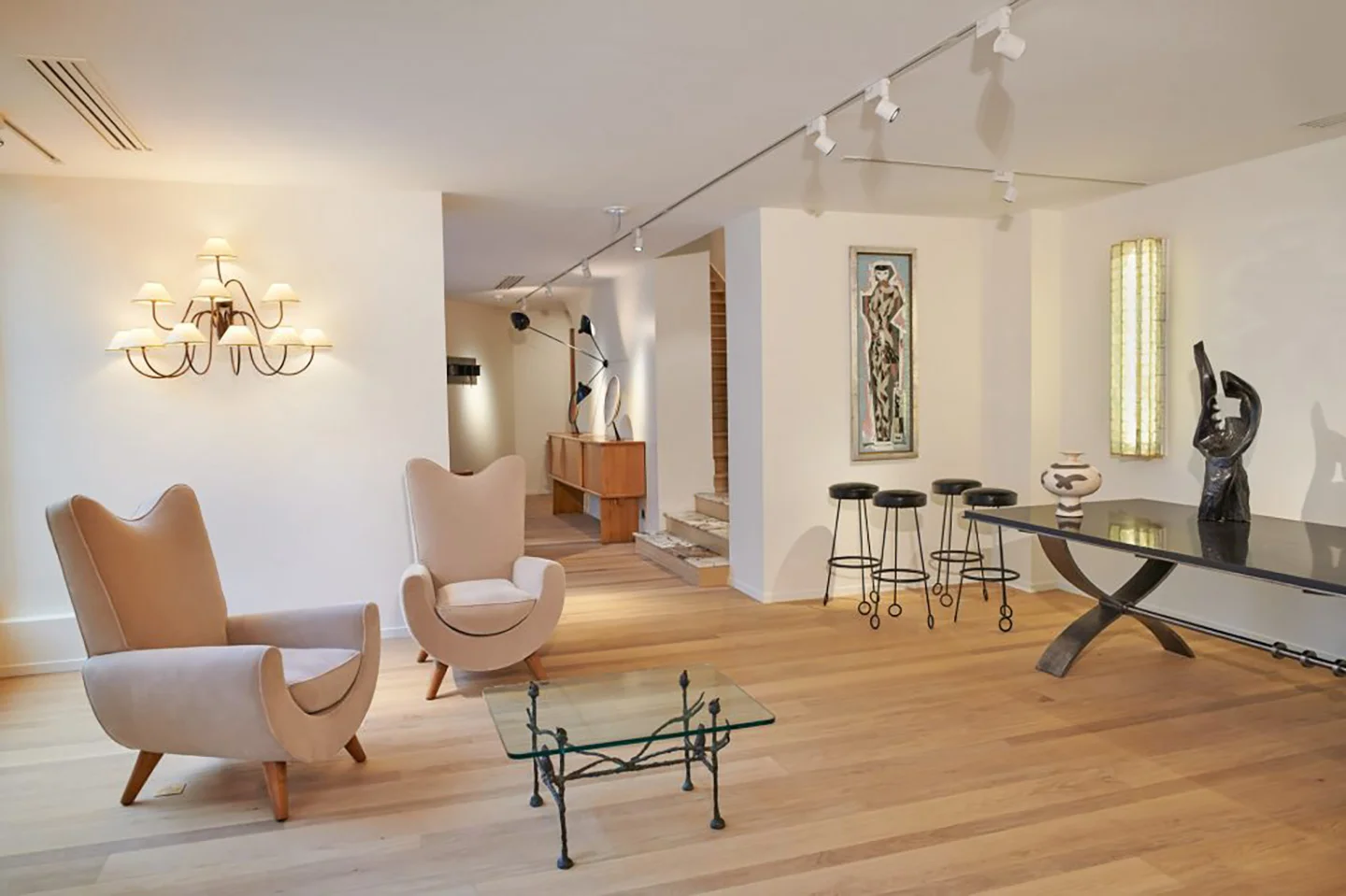
Softwood floors crafted from pine or fir are an exceptional choice for residential spaces where warmth, natural patina, and architectural scale are valued over sterile, scratch-resistant perfection. While softer than hardwoods like oak, high-quality softwoods like Douglas fir and old-growth heart pine develop an incomparable, lived-in character that matures beautifully over decades. When finished with traditional breathable treatments, these timbers offer a unique tactile comfort and a quiet luxury that dense hardwoods cannot replicate.
- Tactile Comfort: Softwoods offer a warm, velvety texture underfoot that feels noticeably softer and more temperate than dense hardwoods.
- Architectural Scale: Douglas fir planks can be sourced in extraordinary architectural scales, reaching up to 5 meters or more to emphasize clean spatial lines.
- Reclaimed Heritage: Old-growth and reclaimed heart pine feature tight grain patterns and structural stability that rival the durability of some hardwoods.
- Self-Healing Fibers: Traditional finishes like lye and floor soap allow minor dents to naturally self-heal and expand back to shape during routine washing.
- Living Canvas: Embracing a softwood floor requires accepting a "living wood" philosophy, where minor marks record the natural history of a home.
What is the difference between a softwood floor and a hardwood floor?
Softwoods come from gymnosperm trees (usually evergreen conifers like pine and fir), which possess a simpler cellular structure that makes the timber more resilient, flexible, and acoustically absorbent than dense angiosperm hardwoods like oak. This structural difference creates a floor that is warmer to the touch but more susceptible to surface indentations. Hardwood is defined by its complex vascular system, which yields high density, whereas softwoods rely on their natural elasticity to manage stress and impact.
On the Janka hardness scale, which measures the force required to embed a steel ball into the wood, softwoods sit significantly lower than their hardwood counterparts. For instance, Eastern White Pine measures around 380 lbf and Douglas Fir sits at approximately 660 lbf, compared to European White Oak at 1,360 lbf. However, this hardness rating does not correlate directly to structural failure. The long-fiber cellular makeup of softwoods allows them to absorb kinetic impact, bending slightly rather than fracturing, which provides a cushioned step and superior acoustic properties.
Is pine good for flooring in high-end design?
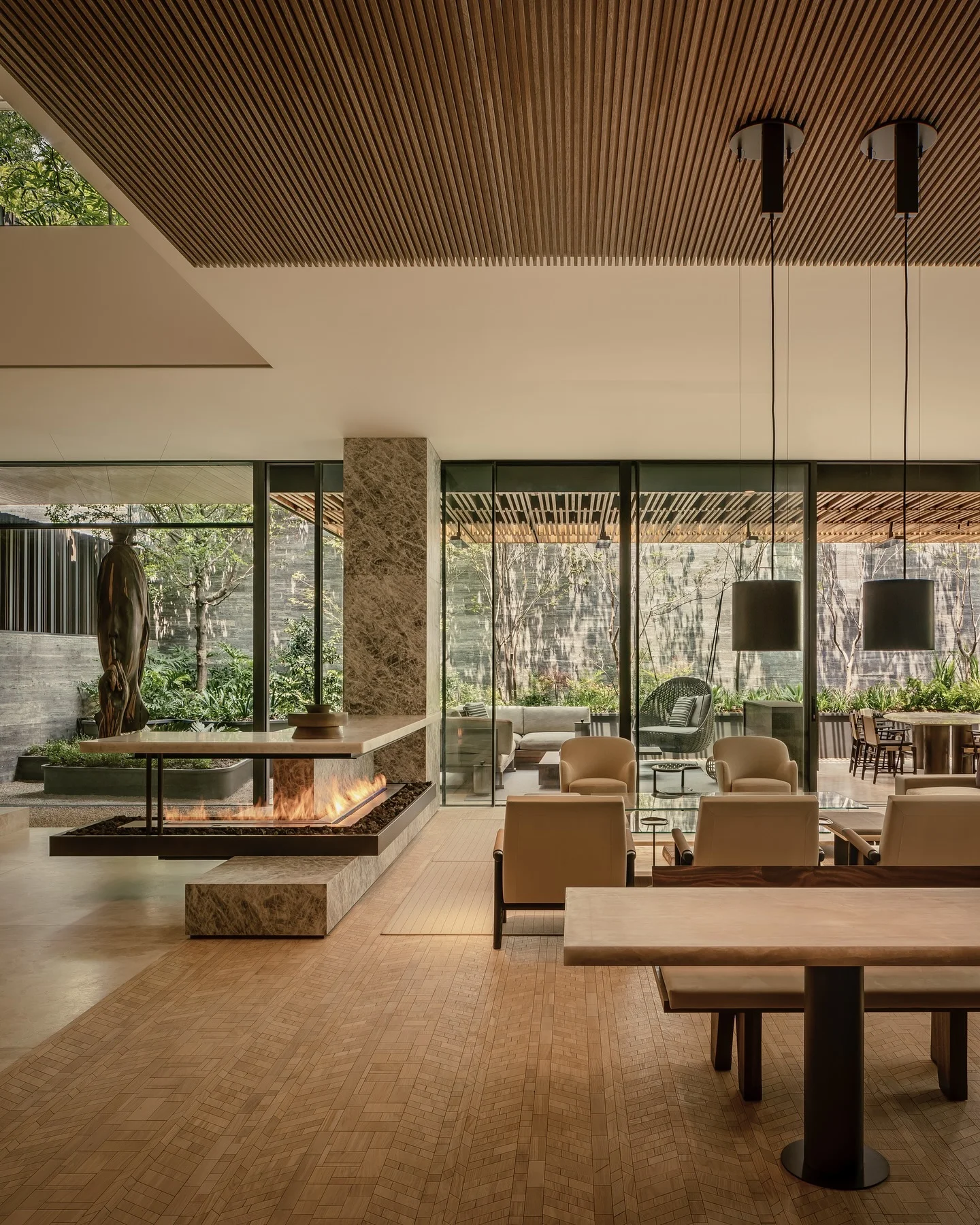
Pine flooring is highly regarded in luxury design, particularly when sourced as antique reclaimed heart pine or old-growth timber, which offers structural stability, deep amber tones, and historic character. Modern designers use these reclaimed materials to ground contemporary spaces with a sense of permanence and warmth. The tight, resin-heavy grain of historic heart pine is vastly different from soft, fast-grown plantation pine commonly found in hardware stores.
Many contemporary designers look to reclaimed heart pine salvaged from nineteenth-century industrial buildings and textile mills to bring historical depth into modern projects. Design practices such as Workstead have integrated these antique timbers into highly refined residential spaces, celebrating their rich, reddish-gold hues and historic nail markings. Because old-growth trees grew slowly over centuries, their rings are incredibly dense—frequently exceeding twenty rings per inch—which naturally increases the wood's hardness and resistance to warping.
How does a fir wood floor elevate minimalist architecture?
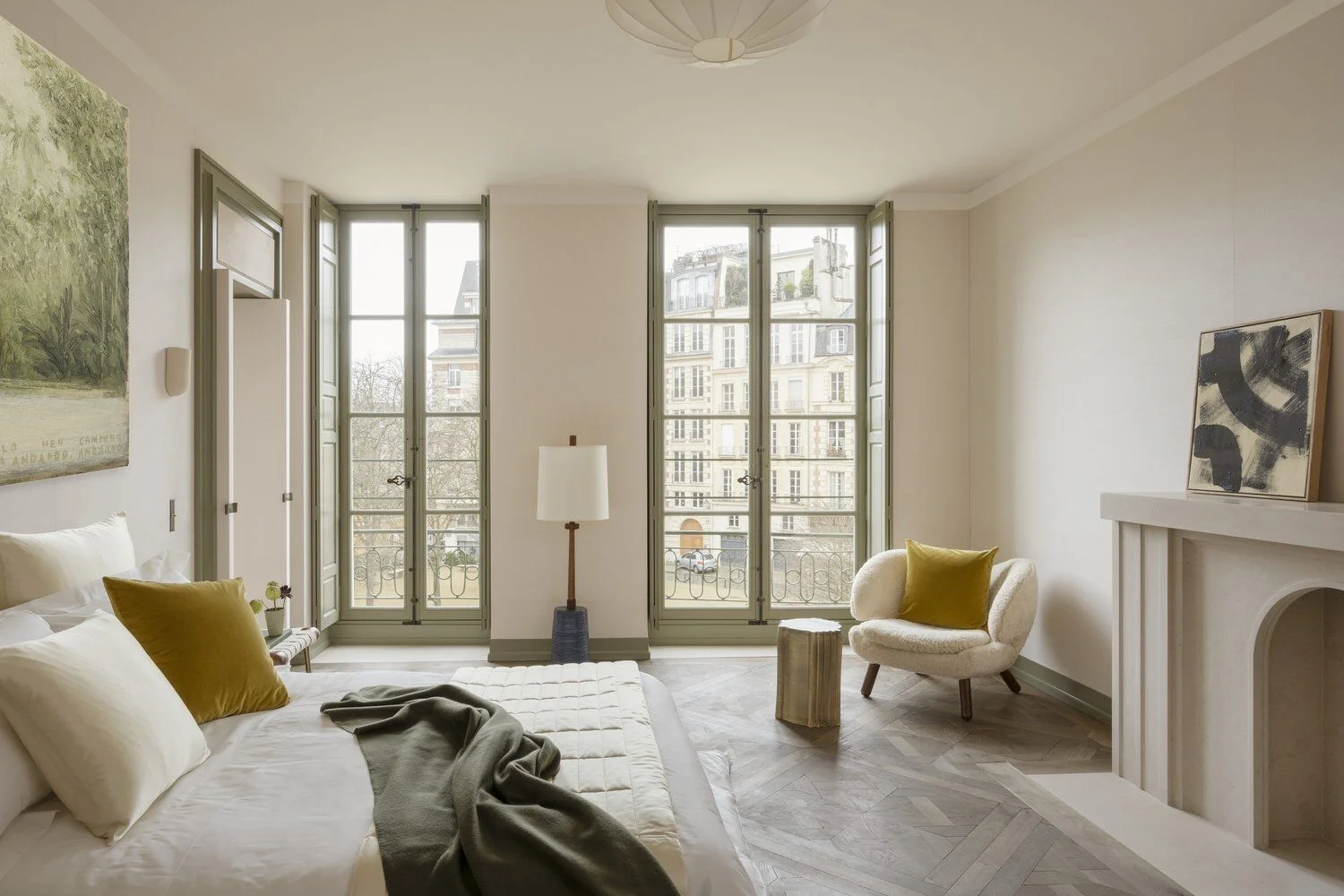
A fir wood floor elevates minimalist architecture by providing exceptionally long, wide, and seamless planks that emphasize linear perspective, paired with a pale, light-diffusing surface that enhances natural illumination. This aesthetic is central to Scandinavian design, where expansive Douglas fir boards create an atmosphere of quiet luxury. The sheer scale of these planks minimizes floor joints, creating an uninterrupted, expansive visual plane.
The use of massive Douglas fir planks has been famously championed by minimalist architects like John Pawson in collaboration with premium timber specialists, establishing a global benchmark for high-end interior surfaces. By treating these wide planks with lye and white floor soap, the timber retains a pale, bone-white tone that reflects morning light with a soft, matte diffusion. In contemporary urban homes, such as ConForm's Repoussoir project in London, Douglas fir is chosen precisely for this linear dominance, drawing the eye effortlessly through open-plan spaces to create an illusion of greater spatial volume.
Comparing Softwood and Hardwood Flooring Characteristics
To understand how different softwood species perform relative to popular hardwoods, designers evaluate a combination of Janka hardness, scale, and traditional finishing methods. The table below outlines these key performance indicators:
| Wood Species | Classification | Janka Hardness (lbf) | Typical Plank Widths | Ideal Finishes | Aesthetic Contribution |
|---|---|---|---|---|---|
| Douglas Fir | Softwood | 660 | Up to 300–450 mm | Lye wash and white soap | Pale, clean, linear minimalism |
| Reclaimed Heart Pine | Softwood | 1,225 | 150–250 mm | Penetrating oils or waxes | Rich, warm, historical amber |
| European Oak | Hardwood | 1,360 | 180–220 mm | Reactive stains and oils | Neutral, highly versatile grain |
| American Walnut | Hardwood | 1,010 | 120–180 mm | Clear natural oils | Deep, dark, organic luxury |
What are the best finishes for a softwood floor?
The best finishes for a softwood floor are breathable, penetrating treatments like lye washes, natural floor soaps, and matte hardwax oils rather than hard polyurethane lacquers. These finishes protect the timber fibers from within while keeping the surface raw, matte, and capable of naturally expanding to self-heal minor dents. Lacquers should be avoided because they form a brittle shell that easily cracks when the soft wood underneath flexes.
When a softwood floor is treated with a traditional Scandinavian soap finish, the soap fat reacts with the timber to form an invisible, dirt-repellent layer. This method is highly valued in minimalist architectural design because it keeps the wood breathable and velvety to the touch. Furthermore, because the pores remain open, when the floor is washed with warm water and soap, the compressed wood fibers in shallow dents naturally absorb moisture and swell back into their original position, effectively self-healing over time.
How do you maintain and preserve a pine or fir floor?
Maintaining a pine or fir floor involves regular damp mopping with specialized moisturizing wood soaps and protecting high-impact areas with rugs or felt pads. Because softwoods naturally darken and mature under sunlight, managing UV exposure and accepting a gentle patina are essential parts of long-term preservation. Rather than striving for pristine perfection, owners must embrace the evolving, lived-in character of the timber.
For those who choose a softwood floor, adopting a "living wood" philosophy is key to appreciating its lifespan. Over time, high-traffic zones will acquire a natural compression that hardens the wood further, making it more resilient to future wear. For localized damage, such as a sharp dent from a dropped object, a damp cotton cloth and a hot iron can be applied to steam the compressed wood fibers, prompting them to instantly rise back to the surface level without requiring aggressive sanding.
Frequently Asked Questions about Softwood Flooring
Is pine good for flooring in a busy family home?
Pine flooring can be used in a family home if the owners appreciate a historic, lived-in patina. While it will show scratches and minor dents from toys or pets, these marks blend into the wood's character over time, especially when finished with natural soap or oils that allow for easy, spot-repair maintenance.
Can you use softwood floors with underfloor heating?
Yes, but engineered softwood boards are highly recommended over solid planks for underfloor heating. Engineered Douglas fir or pine offers the dimensional stability needed to withstand the temperature fluctuations of subfloor heating without excessive gapping or warping.
How do you remove dents from a softwood floor?
Minor dents on a soap-finished softwood floor can be removed by placing a damp cloth over the indentation and gently applying a hot iron. The heat and moisture steam the compressed wood fibers, causing them to expand back to their original height.
Does pine flooring darken over time?
Yes, pine and fir are highly photosensitive woods that naturally transition from a pale cream to a warm, golden-amber or honey-red tone when exposed to UV light. This natural darkening can be slowed by applying white-pigmented lye treatments or UV-inhibiting oils during the initial finishing process.
More from the Atelier
Chestnut and Elm: Underrated Woods for Character Floors
Explore why chestnut flooring and elm wood floors are emerging as the ultimate character wood species, offering rich histories and striking organic patterns.
Cherry Wood Flooring: Warmth That Deepens with Age
Discover how cherry wood flooring is stepping out of the 1990s and into modern minimalist architecture, celebrated for its unique light-reactive patina.
What Is Marquetry? The Craft of Picturing in Wood
Explore the intricate craft of wood marquetry. From Renaissance perspective illusions to modern geometric panels, discover how master artisans paint in wood.