
Choosing a Floor for a Period Property: A Design Guide
How to balance historical character, structural stability, and scale in heritage homes.
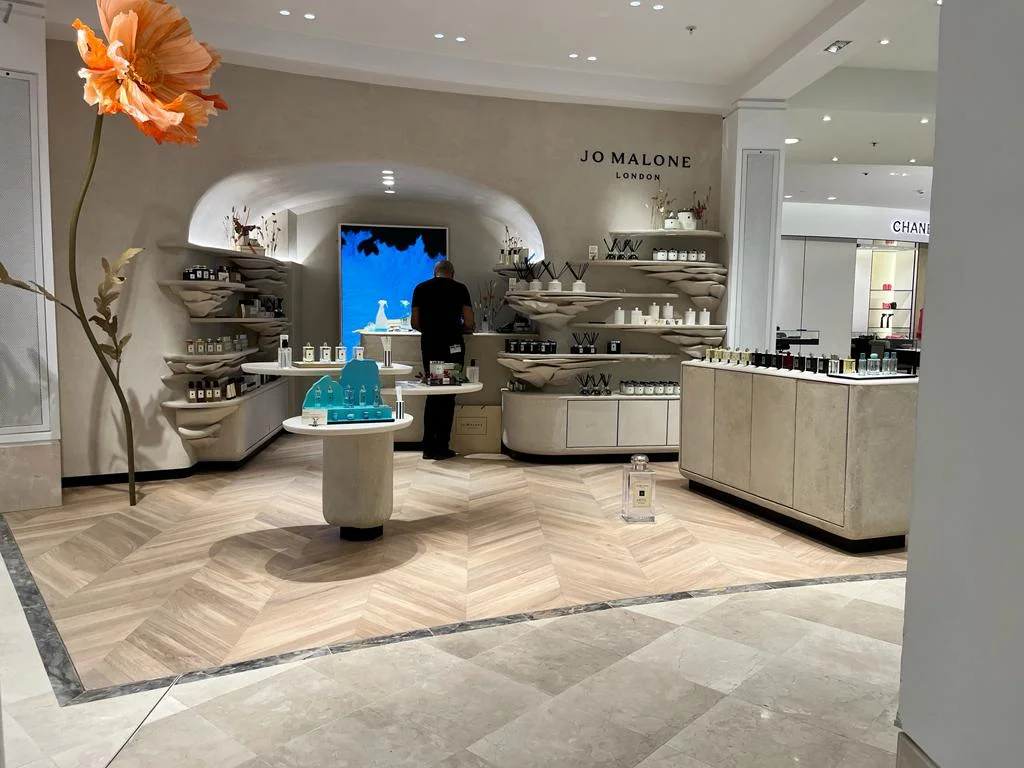
Choosing a floor for a period property requires balancing historical reverence with modern performance. Authentic patterns like Point de Hongrie (chevron) and Bâton Rompu (herringbone) respect the architecture of Haussmannian and Georgian interiors, while modern engineered platforms provide the structural stability needed for underfloor heating and open-plan living. By selecting sympathetic materials and finishes, designers can honor the past while ensuring a floor that endures for generations.
- Haussmann apartments rely on geometric precision, traditionally utilizing Point de Hongrie (chevron) cut at 45-degree or 50-degree angles to direct natural light.
- Georgian homes benefit from grander scales, such as wider oak planks or rhythmic herringbone patterns that mirror classical architectural symmetry.
- Engineered timber is a crucial modern evolution for historic properties, preventing warping caused by seasonal humidity shifts and enabling underfloor heating.
- Natural, matte finishes like fumed or smoked oak treated with natural oils allow heritage wood floors to age gracefully and develop a natural patina.
- End-grain wood blocks, historically reserved for heavy-use civic spaces, offer an evocative, tactile alternative for rustic-luxe barn conversions and outbuildings.
What are the key flooring patterns for a Haussmannian apartment?
Haussmannian apartments are defined by two historic geometric patterns: Point de Hongrie (chevron) and Bâton Rompu (herringbone). Point de Hongrie features planks cut at a 45-degree or 50-degree angle meeting head-to-head in a continuous spine, whereas Bâton Rompu uses interlocking rectangular planks set at 90-degree angles to create a staggered, rhythmic pattern. These layouts are essential to replicating the spatial harmony of 19th-century Parisian architecture.
In a Parisian interior, the floor is never merely a passive surface; it is an active participant in the room's geometry. Sunlight streaming through tall French windows catches the alternating grain directions of a Point de Hongrie floor, shifting from a soft shimmer to a deep shadow as the day progresses. This unique interaction with light highlights the precision of the angled cuts, giving the room an organic sense of movement and visual expansion.
When restoring a Haussmannian apartment, maintaining the exact proportion of these patterns is critical. The scale of the chevron or herringbone must align with the height of the ceilings and the detailing of the wall moldings. Historically, these floors were framed by exquisite borders or friezes that separated the patterned field from the walls, a detailing technique that contemporary designers often recreate to preserve the home's original architectural integrity.
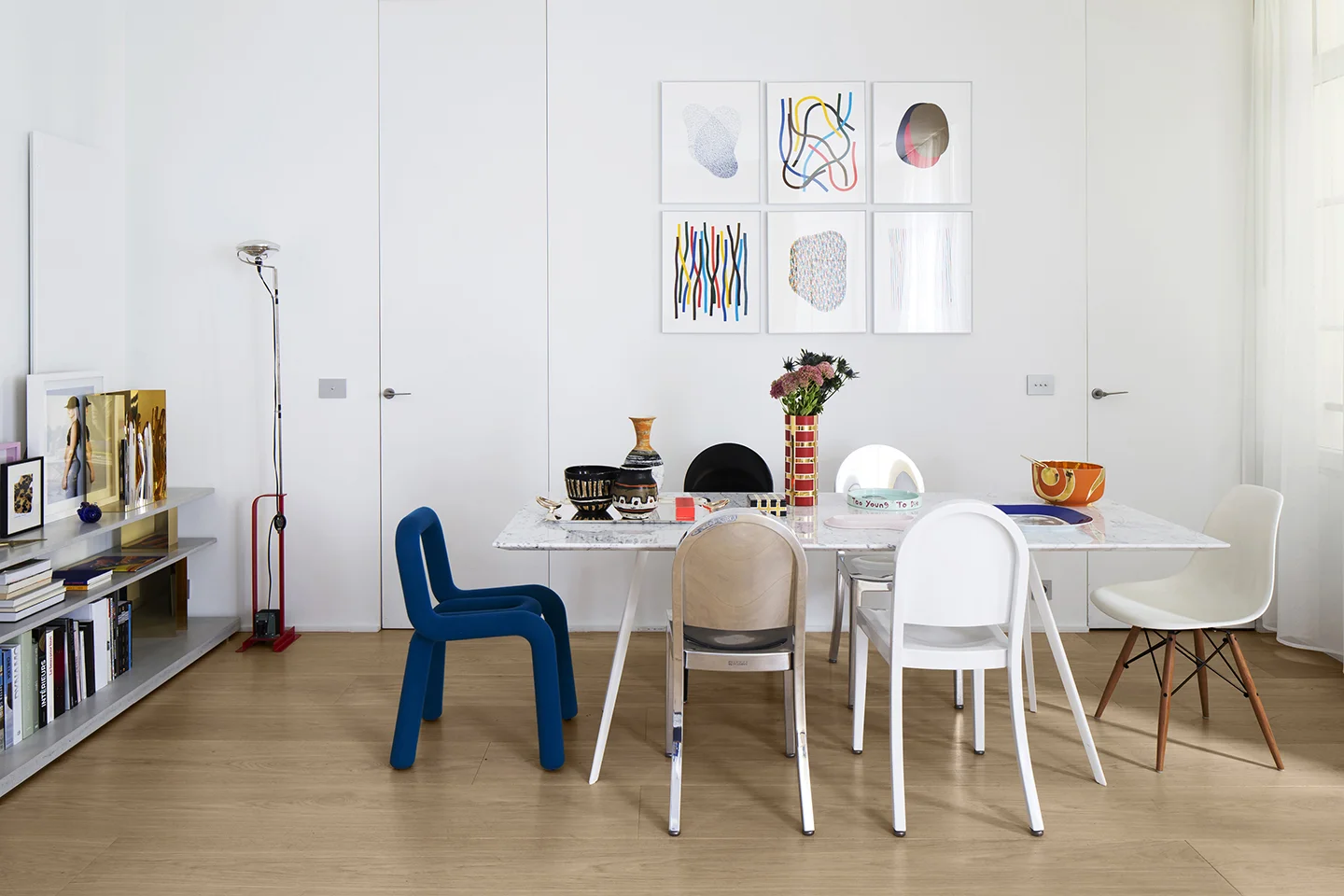
How do you choose the right wood flooring for a Georgian home?
Selecting wood flooring for a Georgian home involves matching the classical symmetry and generous scale of the era's architecture. Wood flooring was historically configured in grand reception rooms with detailed parquetry or wide-plank native oak, while family quarters used Baltic pine. Today, utilizing wider engineered oak planks or classic herringbone honors this spatial balance while providing modern stability.
Georgian interiors, designed between 1714 and 1837, are celebrated for their mathematical proportions and tall sash windows. The generous ceiling heights and massive fireplaces require flooring with enough visual weight to ground the room. Utilizing narrow modern strips in these grand spaces can look busy and disconnected; instead, designers prefer planks ranging from 180mm to 220mm in width to respect the historic scale.
For more formal Georgian drawing rooms, traditional parquetry or rhythmic herringbone patterns add a layer of sophistication that mirrors the intricate plasterwork of the ceilings. The wood should possess a subtle, natural character—avoiding overly rustic grades with large knots, but embracing the gentle variation in grain and tone that would have naturally occurred in hand-hewn timbers of the era.
Solid vs engineered wood flooring — which is better for historic restorations?
Engineered wood flooring is generally superior to solid timber for period property restorations because its multi-layer construction prevents warping, cupping, and shrinking under modern climate control. While solid wood was the historical standard, engineered platforms adapt seamlessly to underfloor heating systems and seasonal humidity shifts without sacrificing the authentic top-layer aesthetic.
Historic properties are notoriously susceptible to environmental fluctuations. Drafty chimneys, stone foundations, and old masonry walls create microclimates within a home, leading to dramatic seasonal changes in relative humidity. Because wood naturally moves in response to moisture, solid planks can buckle or gap over time, particularly when subjected to modern central heating or underfloor systems.
Modern engineered flooring addresses these physical limitations by bonding a high-quality hardwood wear layer to a multi-ply Birch backing. This perpendicular layer structure counteracts the natural expansion and contraction forces of the timber. This technical evolution allows designers to run continuous floors through large open-plan spaces in historical homes without the need for unsightly expansion joints.
| Property | Solid Timber Flooring | Engineered Timber Flooring |
|---|---|---|
| Structural Stability | Low; highly prone to warping, cupping, and gapping with humidity shifts. | High; multi-layer backing prevents movement and maintains flat surfaces. |
| Underfloor Heating | Not recommended; direct heat causes severe drying and cracking. | Excellent; designed to transfer heat efficiently without structural damage. |
| Visual Authenticity | Traditional; solid wood throughout the board's entire thickness. | Identical; thick top wear layer features authentic grain, texture, and cuts. |
| Long-term Durability | Can be sanded multiple times over centuries, but prone to structural failure. | Can be sanded multiple times (with thick wear layers), lasting generations. |
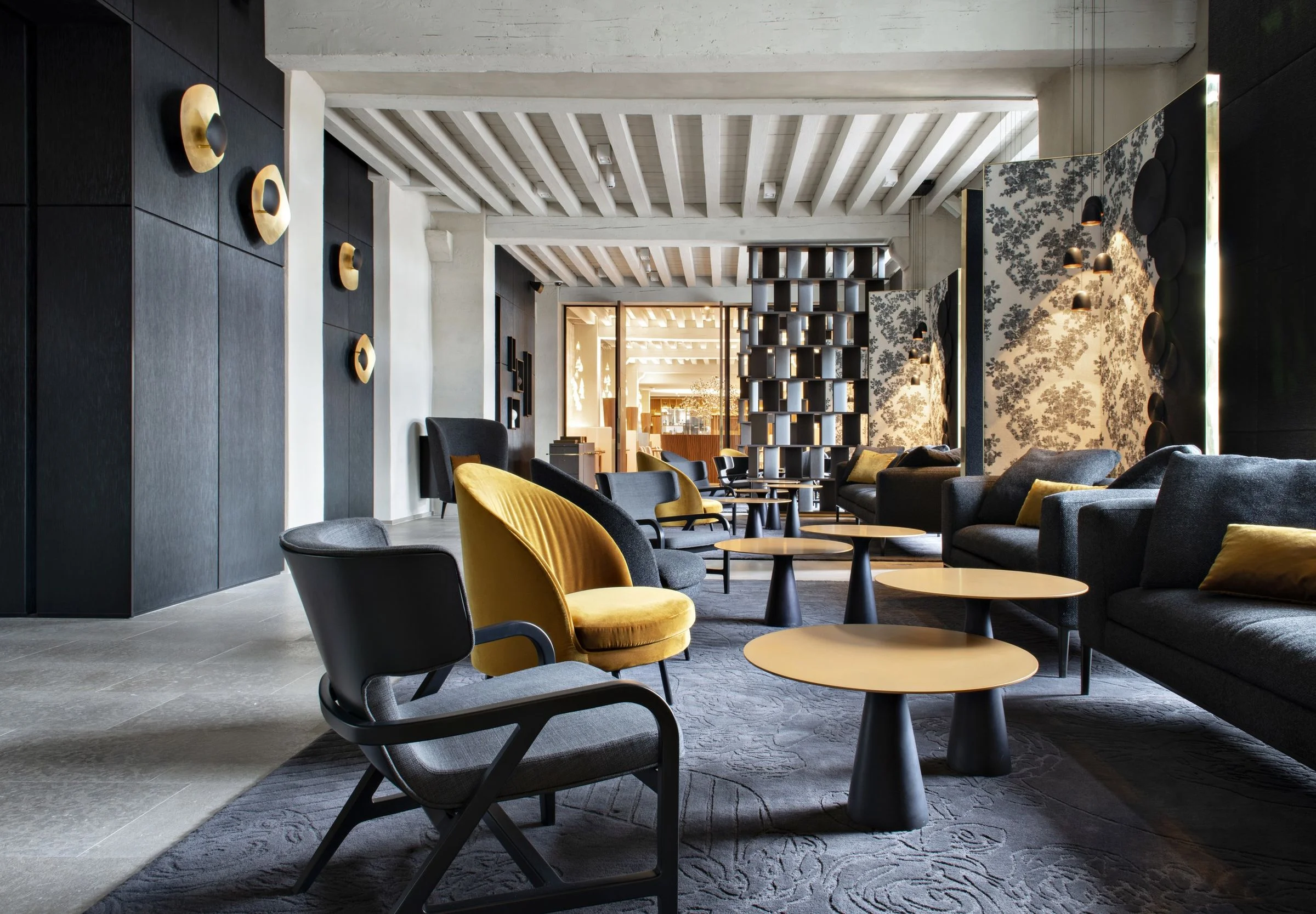
Can you use end-grain wood flooring in a heritage property?
End-grain wood flooring is an excellent, character-rich choice for heritage outbuildings, stables, and rustic barn conversions, though it was not historically common in primary residential rooms. Cutting wood blocks horizontally exposes the tree's annual growth rings, offering unparalleled durability and a highly textured, mosaic-like appearance that bridges historic stone walls and contemporary living.
In the 19th century, the streets of Old Paris and the floors of heavy industrial mills were paved in end-grain oak blocks because of the material's immense compressive strength. When utilized in a modern residential restoration, this technique shifts the dialogue from delicate parquetry to raw, tactile materiality. The concentric rings and natural micro-cracks of the end-grain blocks create a visual map underfoot that feels deeply grounded and architectural.
A notable example of this sympathetic application is found at the 18th-century dairy restoration within the Domaine des Étangs in Massignac, France. Here, designers utilized engineered end-grain oak block surfaces to bridge the gap between the raw, historic stone walls and a highly sophisticated, contemporary library space. The floor respects the agricultural history of the outbuilding while elevating the interior to a modern sanctuary of quiet luxury.
What finishes and treatments preserve the authentic look of period flooring?
Preserving the authentic look of period flooring requires choosing low-sheen, natural finishes like hardwax oils or fumed and smoked treatments rather than high-gloss polyurethane sealants. These modern, breathable finishes allow European oak to age gracefully underfoot, deepening its color and developing a rich, historical patina that respects the architectural heritage.
Polyurethane lacquers create a plastic-like barrier over the wood, which reflects light harshly and prevents the timber from breathing. In contrast, natural oils penetrate deep into the wood pores, protecting the fibers from within while leaving the surface texture fully tactile. Underfoot, brushed and oiled oak offers a velvety warmth that feels organic and connected, especially in high-ceilinged spaces where acoustics can sometimes feel cold or echoic.
To replicate the deep, honeyed, or charcoal tones of antique timber, designers often utilize fuming or smoking techniques. Rather than applying a superficial surface stain, these processes expose the wood to natural chemical reactions that darken the oak's inherent tannins all the way through the board. The result is a palette of rare depth and complexity that looks entirely natural, ensuring any future scratches or wear reveal beautifully matching dark wood underneath.
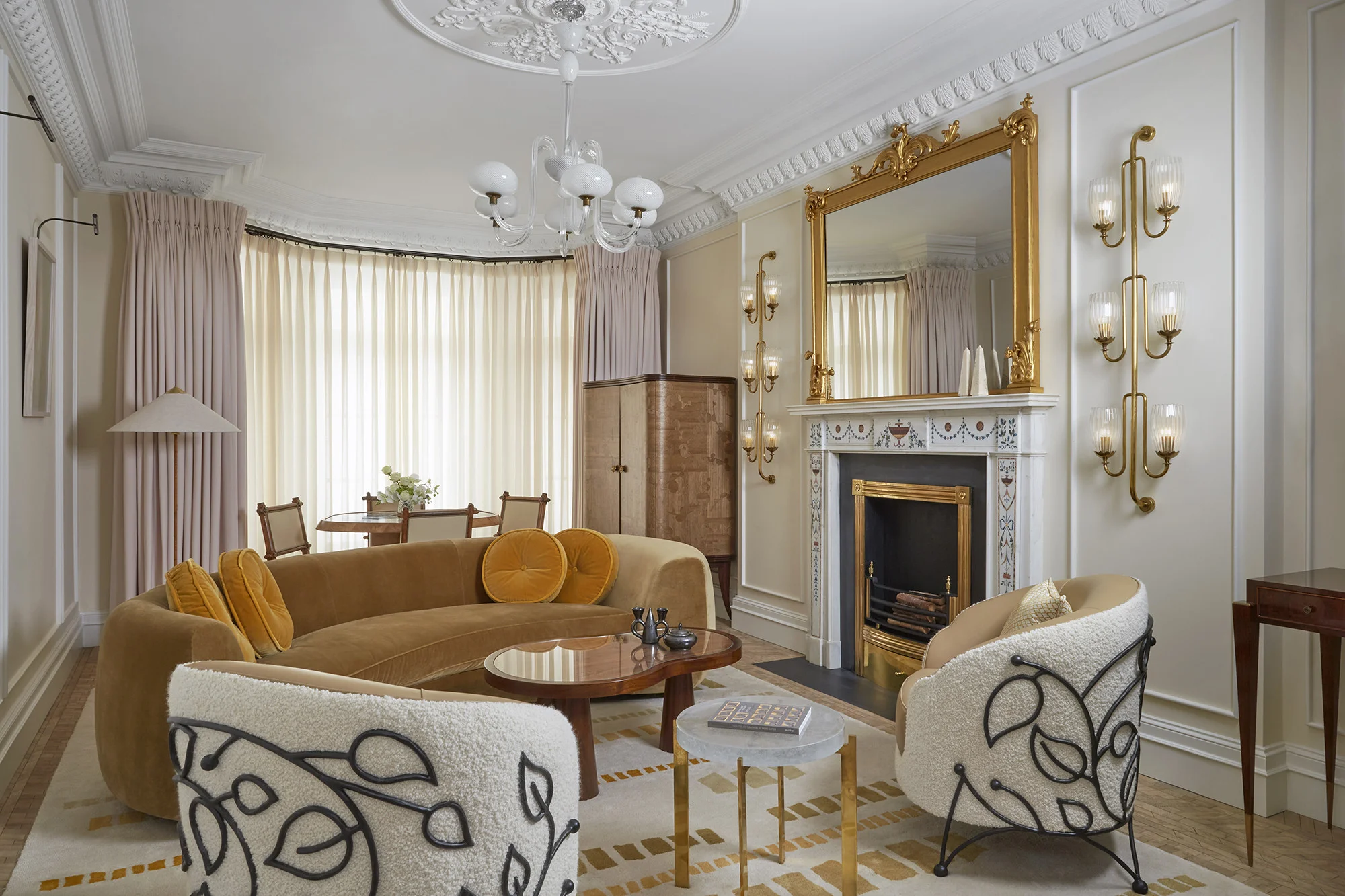
Frequently Asked Questions about Period Property Flooring
Which is older, herringbone or chevron flooring?
Herringbone (Bâton Rompu) is historically older, dating back to ancient Roman roads and Renaissance European interiors. Chevron (Point de Hongrie) became highly popular later, during the 17th and 18th centuries in France, particularly as a signature element of classical French parquetry and Parisian apartments.
Can I install underfloor heating beneath a heritage parquet floor?
Yes, underfloor heating can be safely installed beneath a heritage parquet floor, provided you use high-quality engineered timber rather than solid wood. Engineered wood is structurally stable enough to handle the thermal changes without warping, cracking, or gapping, maintaining the historical aesthetic while providing modern comfort.
How do I choose between chevron and herringbone for my period property?
Choose chevron if you want a clean, continuous, and fluid geometric line that visually elongates the room and accentuates natural light. Choose herringbone for a more traditional, rhythmic, and interlocking pattern that brings classic texture and historical warmth to both grand and compact spaces.
What wood species is most authentic for historic restorations?
European oak is the most authentic and enduring wood species for historic restorations across Europe and the UK. It offers the ideal balance of durability, fine grain structure, and historical accuracy, as it was the primary hardwood utilized in the grand architectural estates of the Georgian, Victorian, and Haussmannian eras.
More from the Atelier
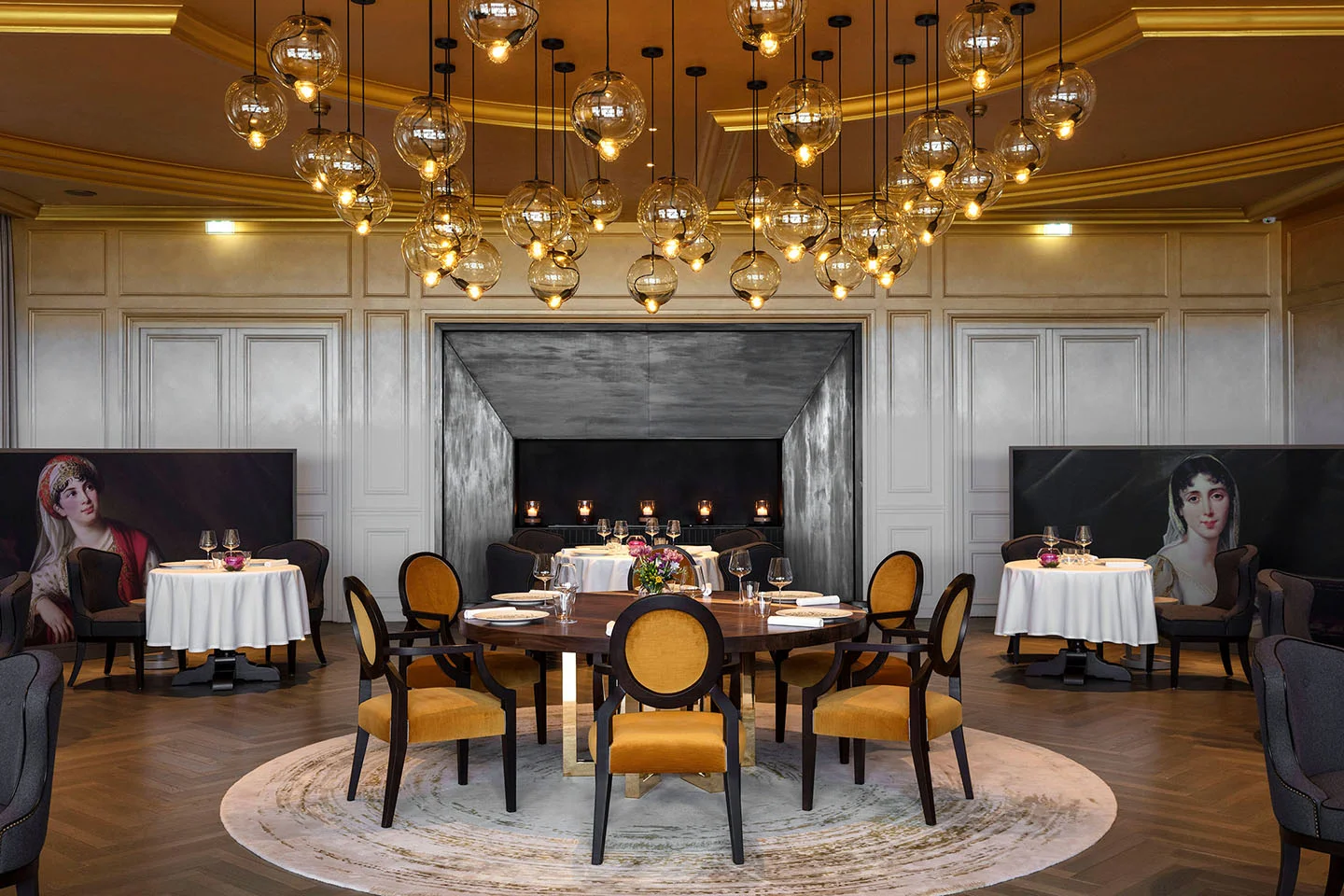
Modern Versailles Parquet & Marqueterie Trends
Discover how historic French marqueterie and Versailles parquet panels are being reinterpreted for modern commercial and residential interiors.
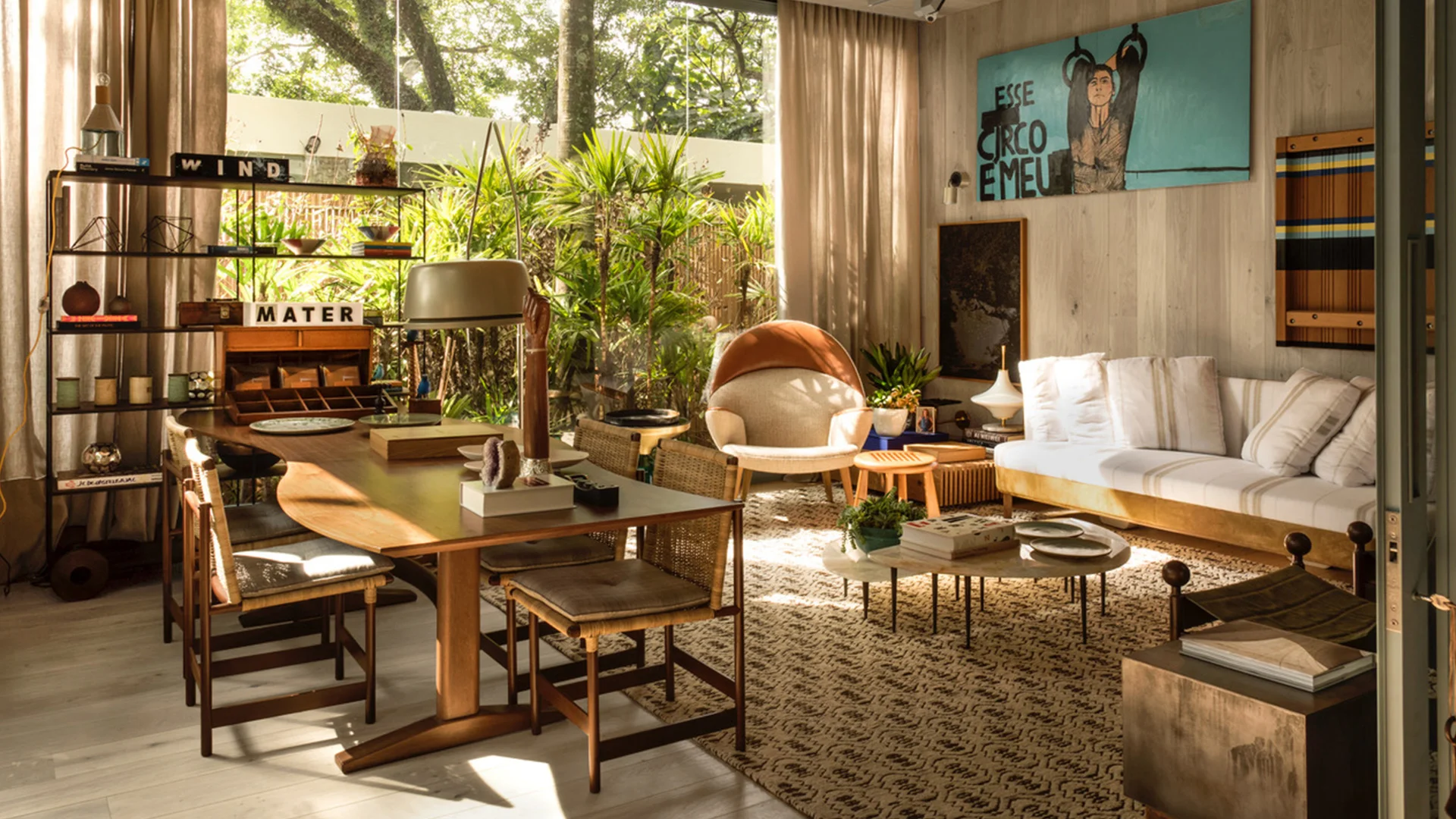
The Texture Pairing Playbook: Wood with Linen, Stone and Brass
Discover the art of balancing wood, linen, stone, and brass. This design-led guide explores how to combine these raw materials for a timeless interior.
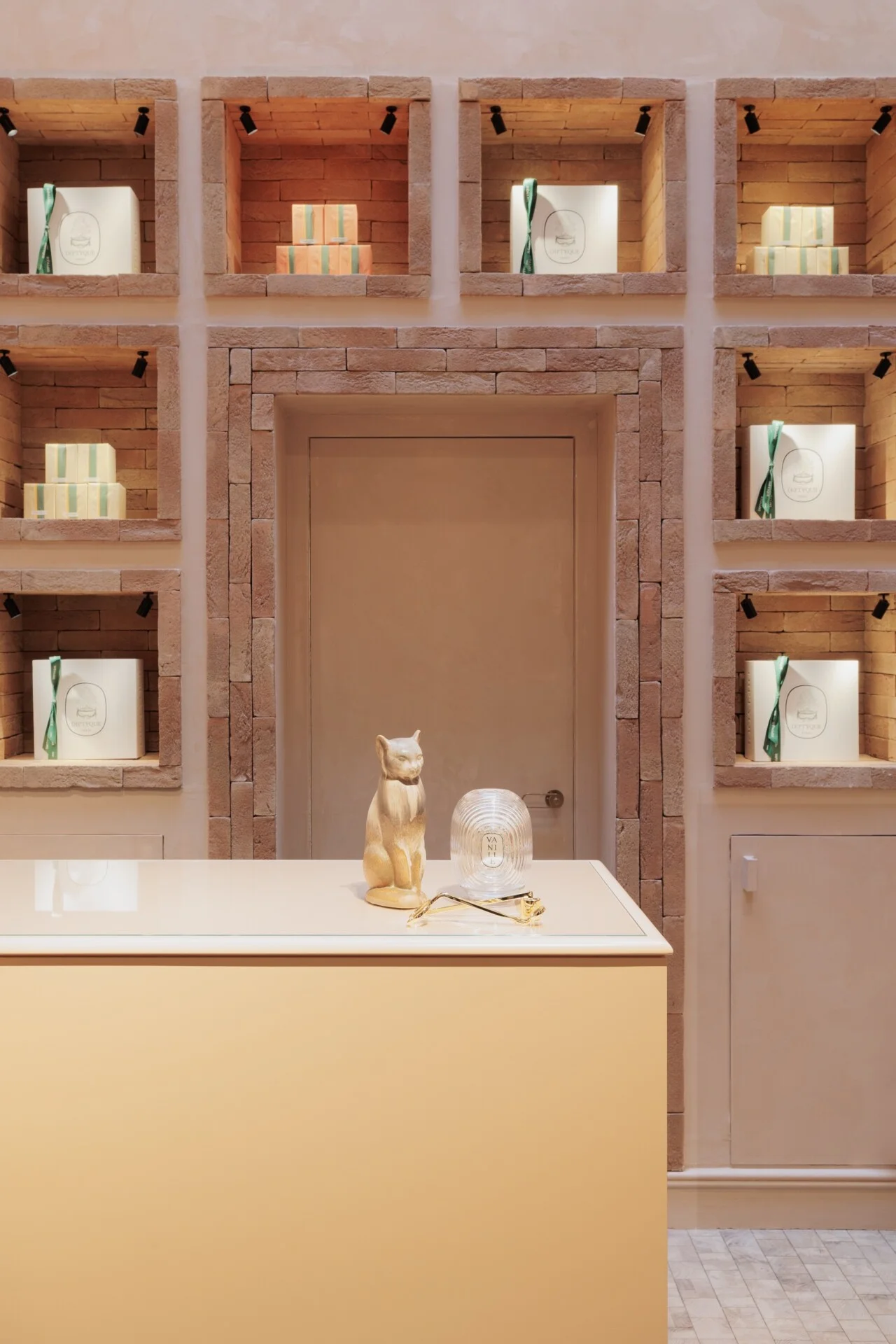
Wood Floor Direction: Which Way Should Boards Run?
An expert guide on choosing the optimal wood floor direction. Learn how natural light, entry axes, and room proportions dictate board layout.