
Why Is Wood Different Colours? The Natural Pigments Hidden in Timber
Understanding the organic chemistry, botanical extractives, and light-driven oxidation that shape the natural spectrum of wood.
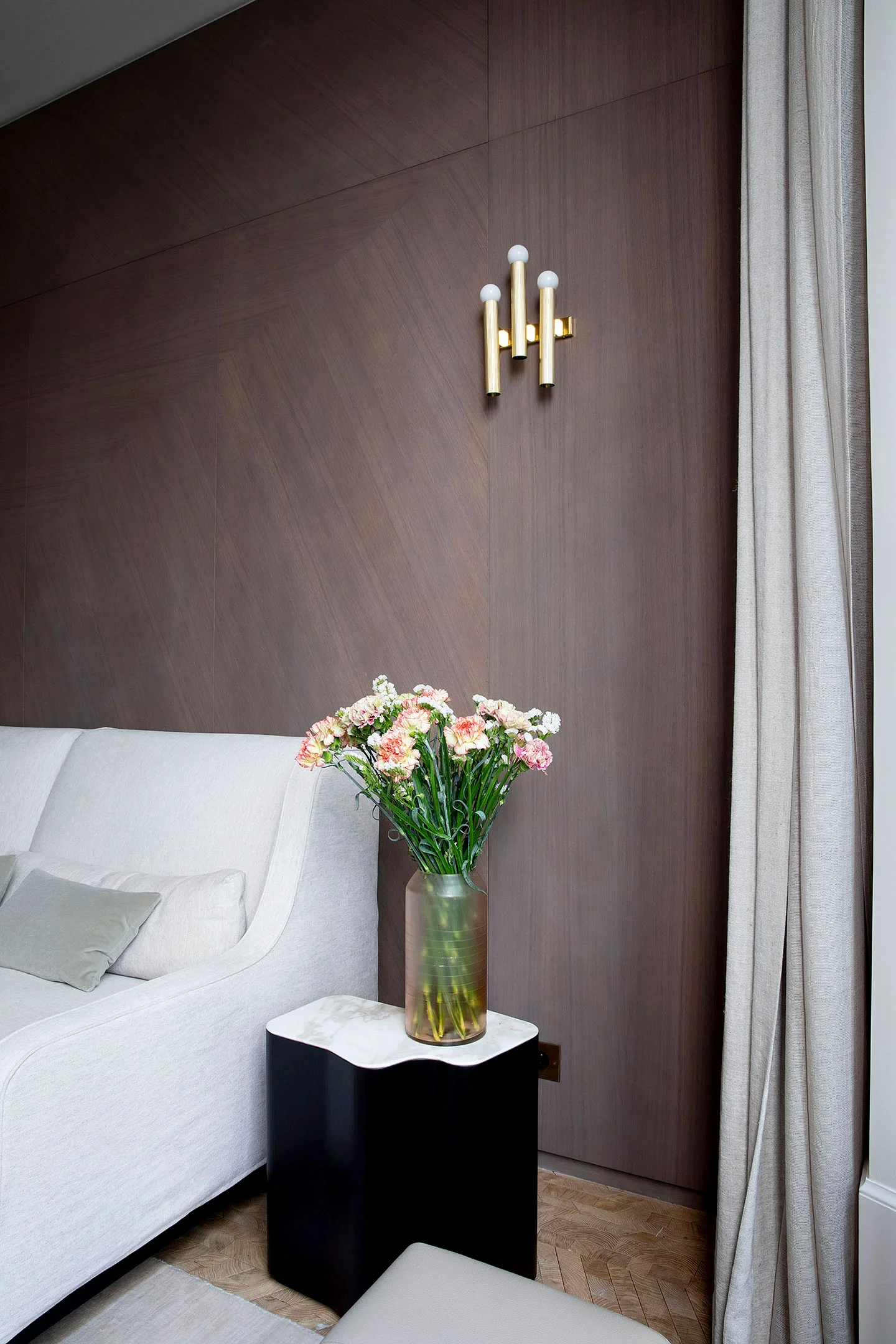
Wood gets its natural colour from a complex mix of organic compounds called extractives, including tannins, resins, and lignins, which accumulate in the inner core of the tree. The concentration of these natural wood pigments, combined with exposure to light and oxygen, determines whether a timber species presents as a pale blonde, a warm golden-red, or a deep chocolate brown. Rather than acting as a static material, wood functions as a dynamic canvas of biological chemistry that continues to evolve long after harvesting.
- Heartwood contains dense deposits of protective extractives like tannins, quinones, and flavonoids, giving it a much darker hue than the surrounding sapwood.
- Natural wood tones are highly dynamic, shifting and mellowing over time as UV light and oxygen interact with the timber’s inherent chromophores.
- Chemical reactions between wood tannins and metal ions, such as iron, can darken timber from within, creating rich charcoal and ebonized tones naturally.
- Modern luxury design is shifting away from artificial surface stains toward honest materiality, utilizing natural pigment infusions that preserve the wood's breathability.
Why is wood different colours?
Wood is different colours because of the unequal distribution of organic compounds known as extractives—such as tannins, flavonoids, and quinones—which accumulate in the tree's heartwood as it ages. These compounds act as the tree's natural defense mechanism, protecting the inner timber from decay, insects, and fungi while imparting distinct pigments that range from cream to deep brown. While the structural walls of wood cells (lignin and cellulose) are naturally pale or translucent, it is these non-structural extractives that paint the timber with its signature hue.
The distribution of these pigments is not uniform throughout the tree. The young, outer portion of the trunk, known as sapwood, remains pale and creamy because its primary function is transport rather than storage or structural defense. In contrast, the older inner core, or heartwood, becomes a depository for highly concentrated chemical compounds. This biological transition explains why species like black walnut display a dramatic, painterly contrast between their light outer rings and dark inner cores.
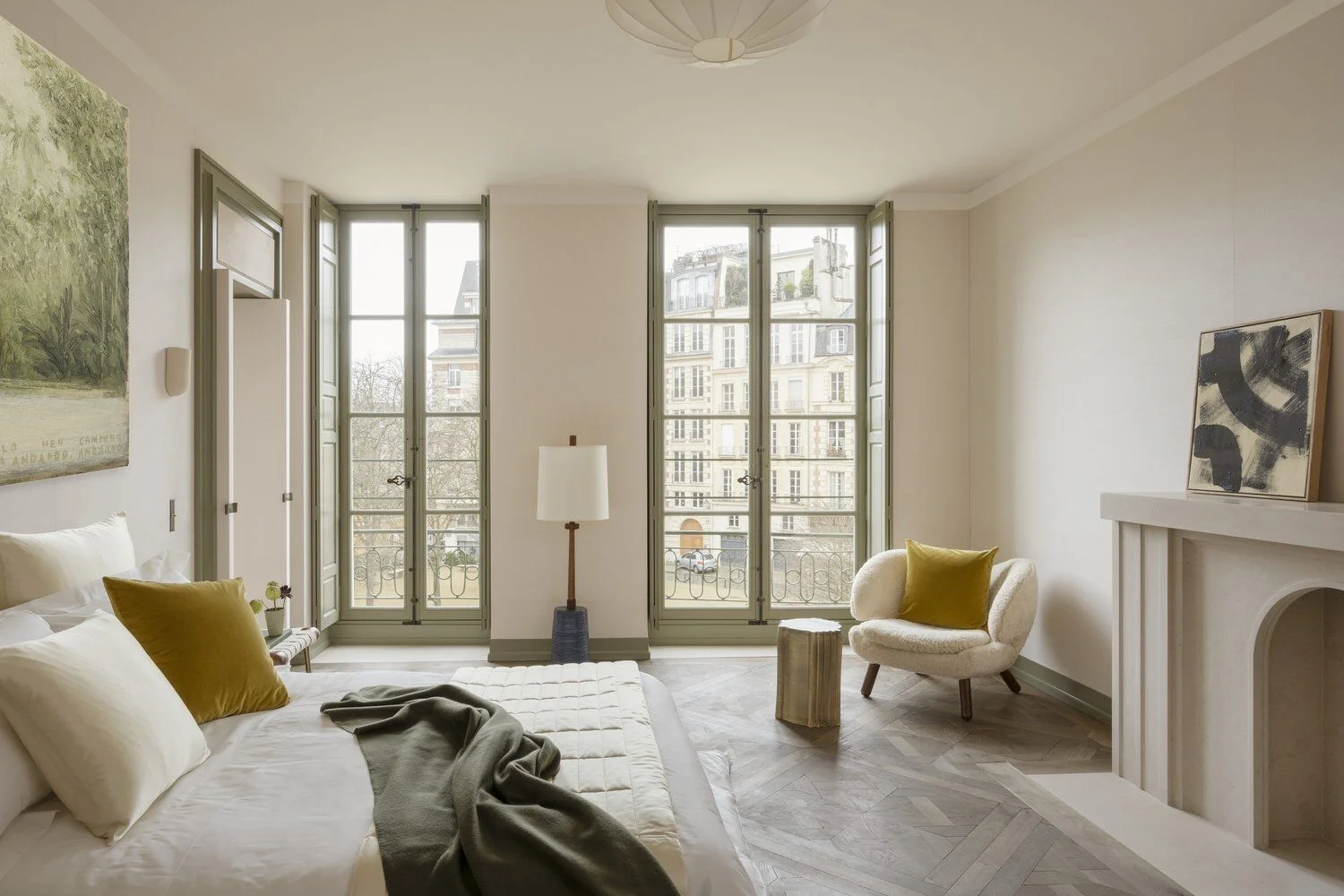
What are natural wood pigments and extractives?
Natural wood pigments are complex organic molecules called extractives that are deposited in the cell walls of heartwood during the tree's transition from active sapwood. These non-structural compounds include tannins, coloring matter, resins, and essential oils, which define the unique hue, odour, and natural durability of each specific timber species. Because these molecules are not part of the wood's physical support skeleton, they can be dissolved, extracted, or chemically altered without compromising the timber's structural integrity.
Different tree families produce highly specialized extractives. Oak trees are famous for their high concentration of tannic acid, which yields a neutral, straw-like blonde palette. Exotic species like African padauk or purpleheart contain specialized flavonoids that produce vibrant oranges and deep purples when freshly cut. These pigments serve as a botanical shield, ensuring the tree can withstand wet soil, boring insects, and microbial attacks over centuries of growth.
How does light and oxygen change wood colour over time?
Light and oxygen change wood colour over time through an organic chemical reaction known as photo-oxidation, where ultraviolet radiation breaks down surface lignin and activates inherent chromophores. This natural aging process causes pale woods to slowly amber or yellow, while dark, oil-rich timbers like teak or cherry mellow into deeper, warmer golden-red tones. Rather than representing a material defect, this slow shift is the hallmark of authentic timber, reflecting its organic nature and environmental exposure.
This sun-tanned grain effect is particularly dramatic in species rich in natural resins. Freshly planed teak often exhibits a mottled, almost greenish-grey appearance that can alarm the uninitiated. Within days of exposure to daylight and air, however, the surface chromophores stabilize, transforming the wood into a rich, lustrous golden-brown. This evolutionary quality means that a wood floor or wood-paneled wall is never truly finished; it is a living surface that deepens in character alongside the home it occupies.
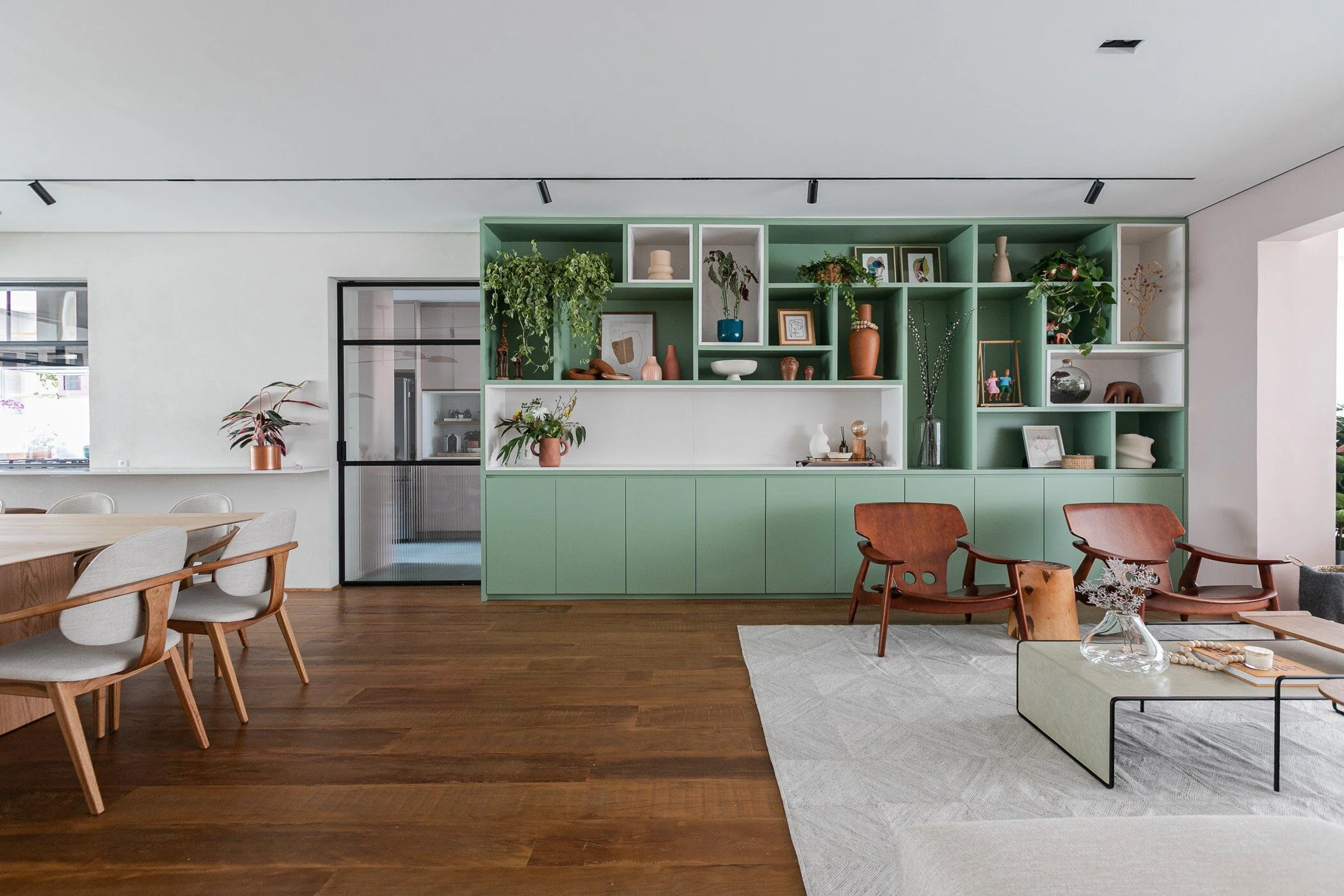
Comparing wood species and their natural chemical pigments
Comparing wood species reveals that their natural palettes are directly tied to their botanical families and the specific chemical extractives they produce. North American and European hardwoods exhibit vastly different baseline pigments depending on whether they are tannin-rich, resinous, or dense with mineral deposits. Understanding these chemical profiles allows architects and interior designers to predict how a selected timber will behave visually when exposed to sunlight and daily wear.
| Timber Species | Baseline Natural Wood Tones | Primary Chemical Extractive | Reaction to UV Light & Oxygen |
|---|---|---|---|
| European Oak | Pale straw, pale blonde, muted cream | Tannins (Tannic Acid) | Ambers and warms slowly over time |
| American Black Walnut | Rich chocolate brown, grey-brown | Quinones (Juglone) | Lightens slightly, developing golden undertones |
| Teak | Golden-brown to warm olive | Resins, rubber, and silica | Mellows from greenish-grey to uniform gold |
| American Cherry | Pinkish-brown to pale red | Flavonoids (Anthocyanins) | Darkens dramatically to a lustrous reddish-brown |
| Maple | Bright ivory, pale paper-white | Low extractives, high cellulose | Slowly develops a warm, buttery-yellow hue |
What is the difference between sapwood and heartwood?
The difference between sapwood and heartwood lies in their biological function and chemical composition: sapwood is the young, living outer layer of the tree that transports water and nutrients, while heartwood is the inactive, dense inner core that serves as structural support. Because sapwood is free of dark protective extractives, it remains pale and creamy, creating a stark graphic contrast against the deeply saturated heartwood in species like walnut or cherry. This natural boundary line showcases the living history of the tree within a single plank.
In classical parquetry and fine furniture making, these two zones are treated with careful intent. Prime grades of timber are meticulously sorted to exclude sapwood, ensuring a uniform, saturated tone across the entire installation. Conversely, rustic or character grades embrace the inclusion of sapwood, using the pale ribbons of outer growth to create movement, visual texture, and a direct connection to the raw, unedited forest.
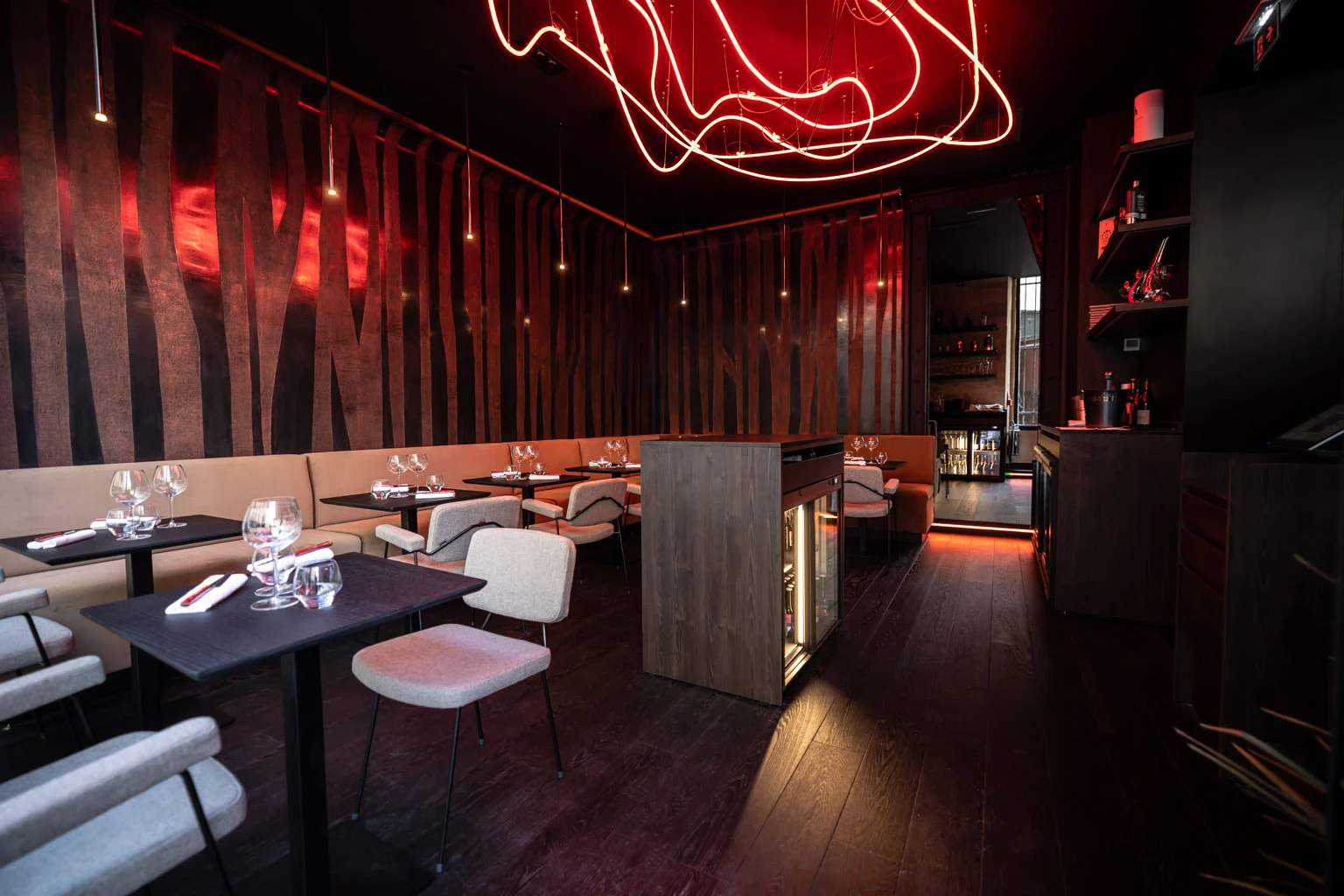
How do designers use the natural chemistry of wood to create colour?
Designers use the natural chemistry of wood to create colour by triggering organic reactions with the timber's inherent extractives, such as fuming with ammonia or reacting tannins with iron solutions to ebonize the grain. This approach darkens the wood from within the cellular structure, preserving the timber's tactile, breathable texture rather than masking it beneath a cold, synthetic layer of artificial paint or polyurethane. By working in harmony with the wood's chemistry, craftsmen can coax out deep mineral tones that feel entirely organic.
In contemporary luxury design, this biochemical understanding has sparked a shift toward chemical-free coloring. An illustrative example is the collaborative work of timber specialists Schotten & Hansen, who infuse natural plant and mineral pigments deep into the open pores of the timber rather than sealing them beneath synthetic lacquers. Similarly, the ancient process of fuming relies on ammonia gas reacting with oak's natural tannic acid to turn the wood a rich, smoky brown throughout its entire depth, ensuring that scratches and wear never reveal a pale wood layer underneath.
This method of working in harmony with wood's natural properties is further explored in advanced research on wood modification and extractive stability, such as studies on how chromophores react to environmental factors. When these organic reactions are utilized, the timber retains its ability to absorb light, resulting in an inky depth that artificial stains simply cannot replicate.
Why is honest materiality replacing artificial surface stains?
Honest materiality is replacing artificial surface stains because modern luxury design prioritizes the sensory, tactile, and ecological benefits of unmasked natural materials. Artificial stains sit on top of the wood fiber, muddying the complex grain and creating a flat, plastic-like barrier, whereas natural pigment infusions and fuming techniques allow the wood to breathe, age gracefully, and develop a rich, authentic patina. This approach values the wood as a living medium rather than a blank canvas to be coated in synthetic resins.
When wood is treated with natural oils and earth pigments, its microscopic pores remain open. This creates a surface that is warm to the touch, chemically stable, and capable of regulating indoor humidity. The sensory experience of walking on or touching a floor finished this way is vastly different from a polyurethane-sealed surface; it carries a dry, velvety texture that connects the inhabitant directly to the quiet luxury of the natural world.
Frequently Asked Questions About Wood Colour
Why does wood change colour when exposed to sunlight?
Wood changes colour due to photo-oxidation, a chemical reaction where ultraviolet light breaks down lignin and alters the natural chromophores within the timber's extractives. This process causes light woods to warm or amber and dark woods to either lighten or deepen, depending on their specific chemical makeup.
What is the difference in colour between sapwood and heartwood?
Sapwood is the pale outer ring of the tree trunk that is biologically active, while heartwood is the inactive inner core where the tree stores protective, highly pigmented extractives. This makes heartwood significantly darker, richer, and more decay-resistant than sapwood.
Can you darken wood naturally without using artificial stains?
Yes, wood can be darkened naturally through techniques like fuming with ammonia or applying iron solutions, both of which chemically react with the wood's inherent tannins. These organic processes darken the wood fibers from within the cellular structure, preserving the natural grain and texture.
What are extractives in wood chemistry?
Extractives are non-structural organic compounds deposited in the cell walls of timber, including tannins, resins, flavonoids, and essential oils. These compounds are responsible for the specific wood colour, natural durability, and scent of different tree species.
More from the Atelier
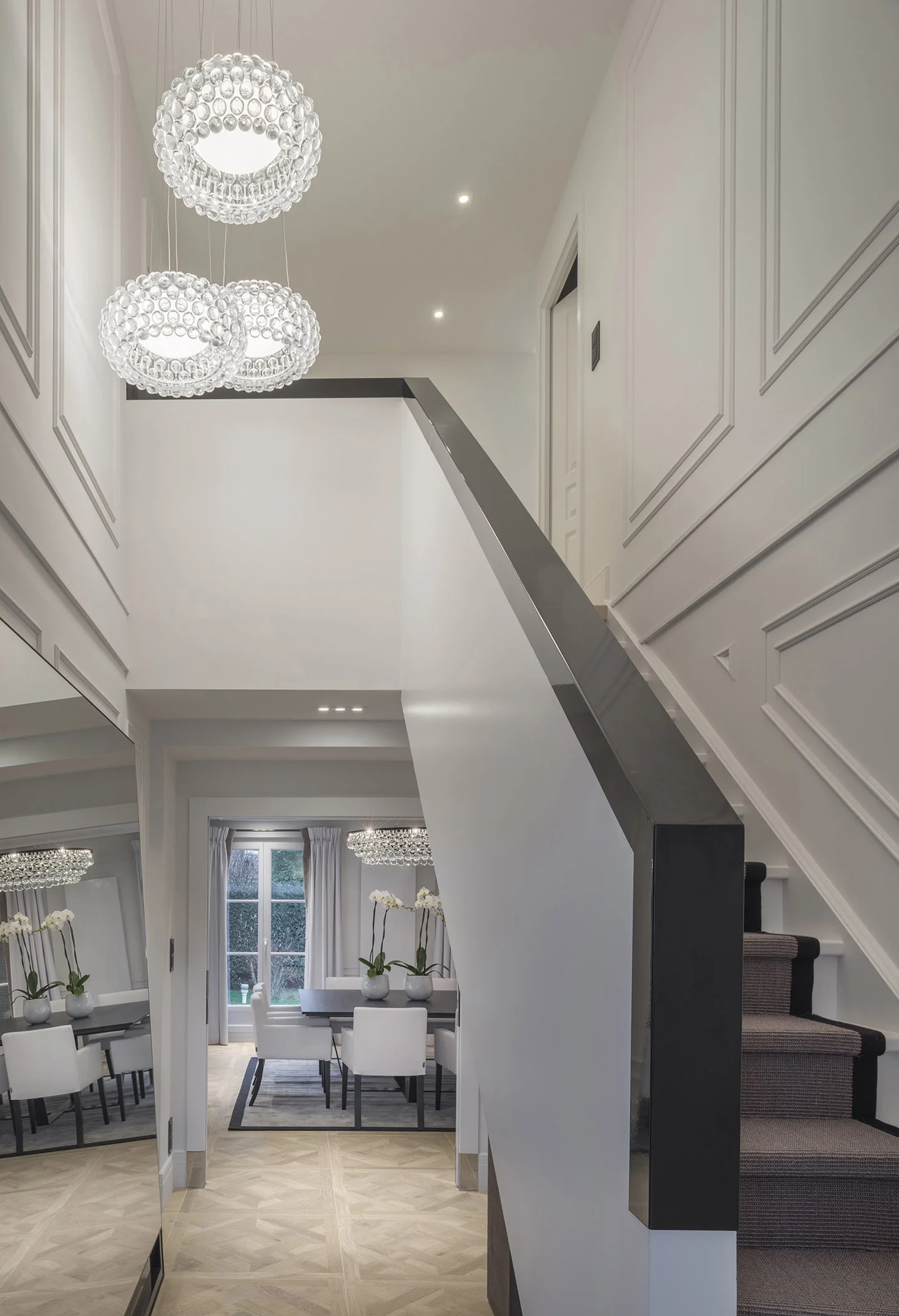
Calm Bedroom Design: How Wood Floors Create Restful Interiors
Learn how natural wood bedroom floors, acoustic balancing, and soft timber textures combine to transform your bedroom into a quiet, restorative sanctuary.
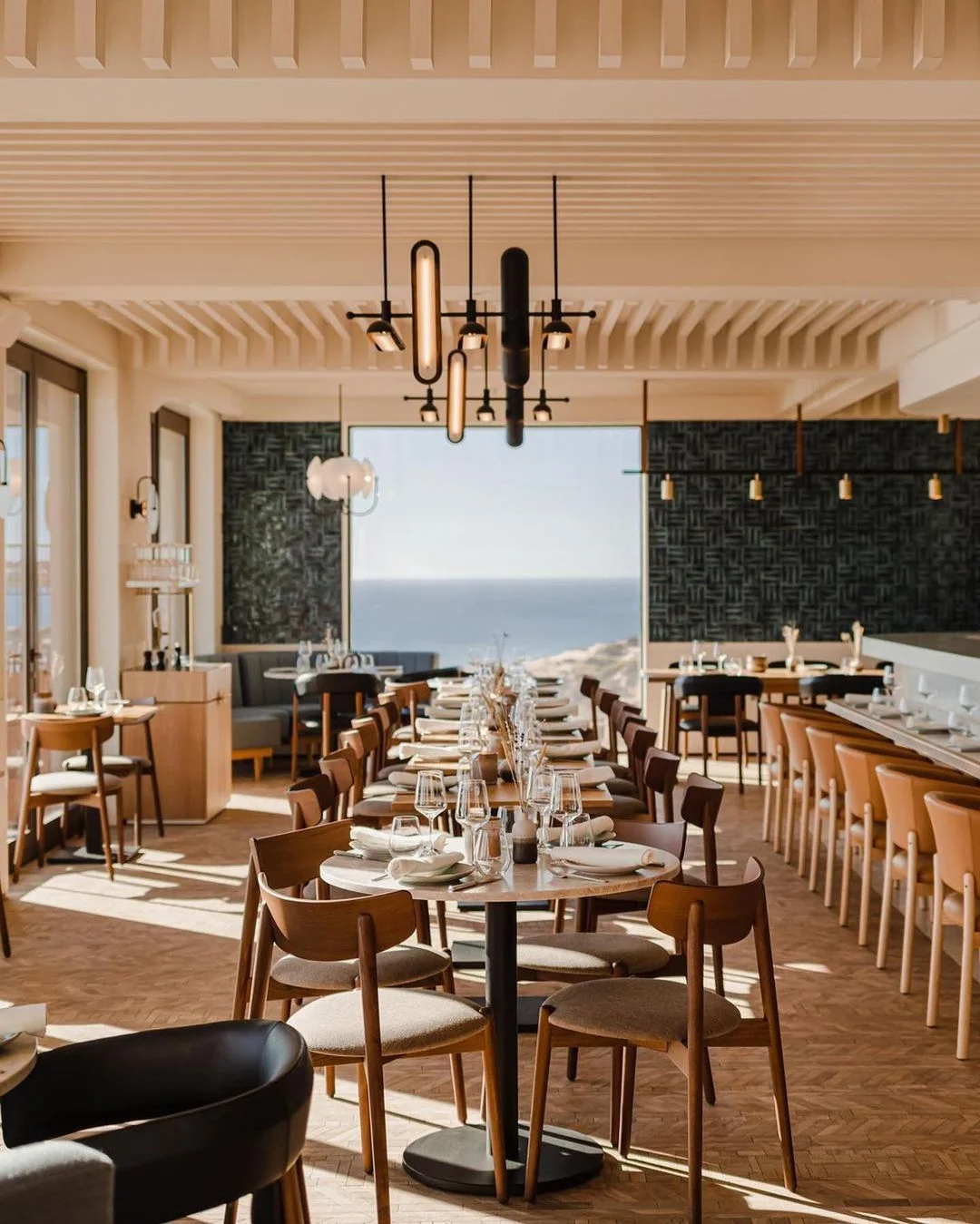
Summer Light & Organic Grids: Coastal Sanctuaries
Discover how the raw, organic grids of end-grain wood and pale timber tones ground bright, modern seaside properties into peaceful sensory retreats.
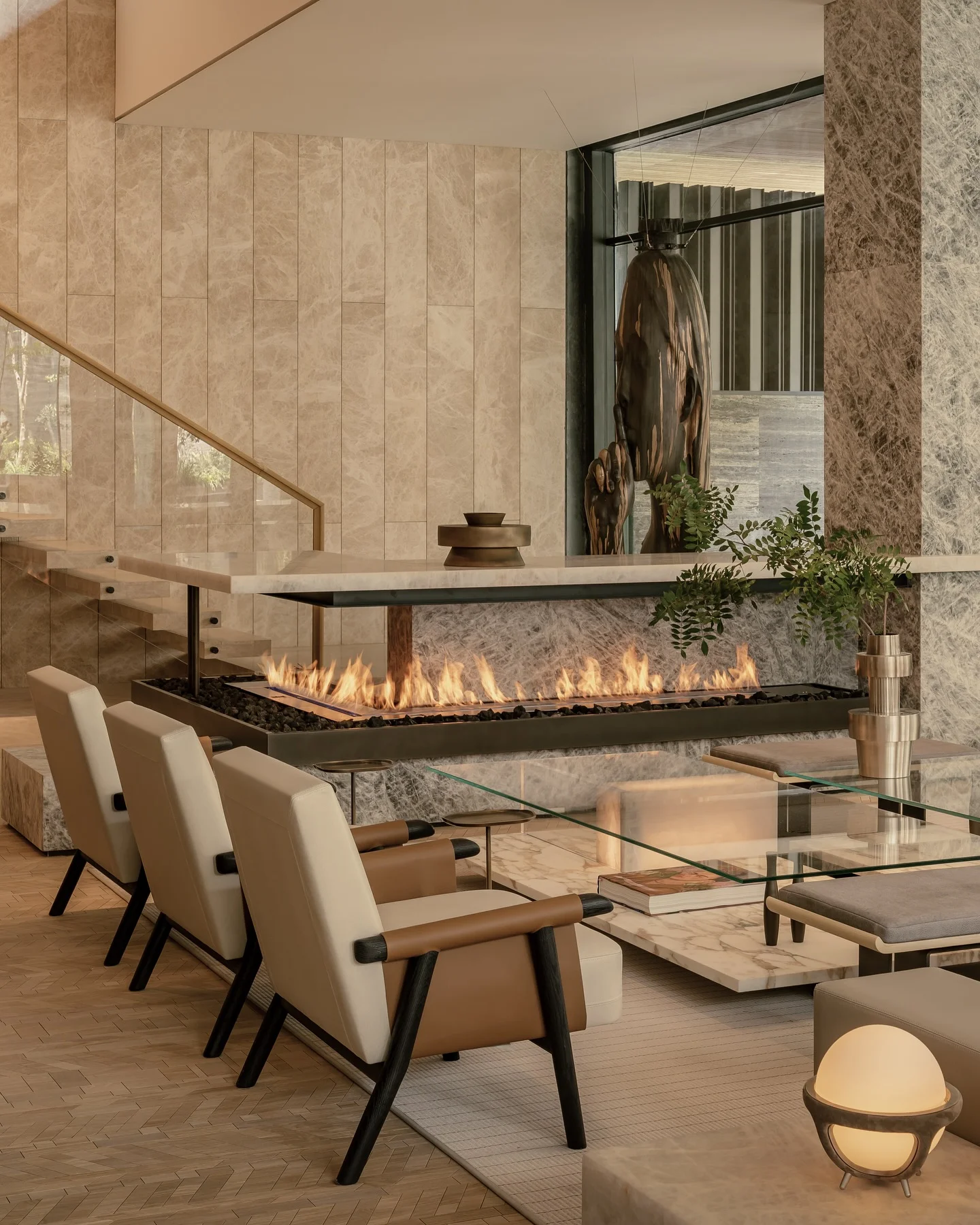
Minimalism and Wood: Doing More with Less Material in Design
Discover how warm minimalism replaces stark white spaces with tactile timber. Learn how a monomaterial approach creates serene, acoustically quiet luxury.