
Colour of the Year Interiors: Matching Wood Tones to Trend Palettes
How architectural timber anchors the shift from cool grays to warm, rich tones.
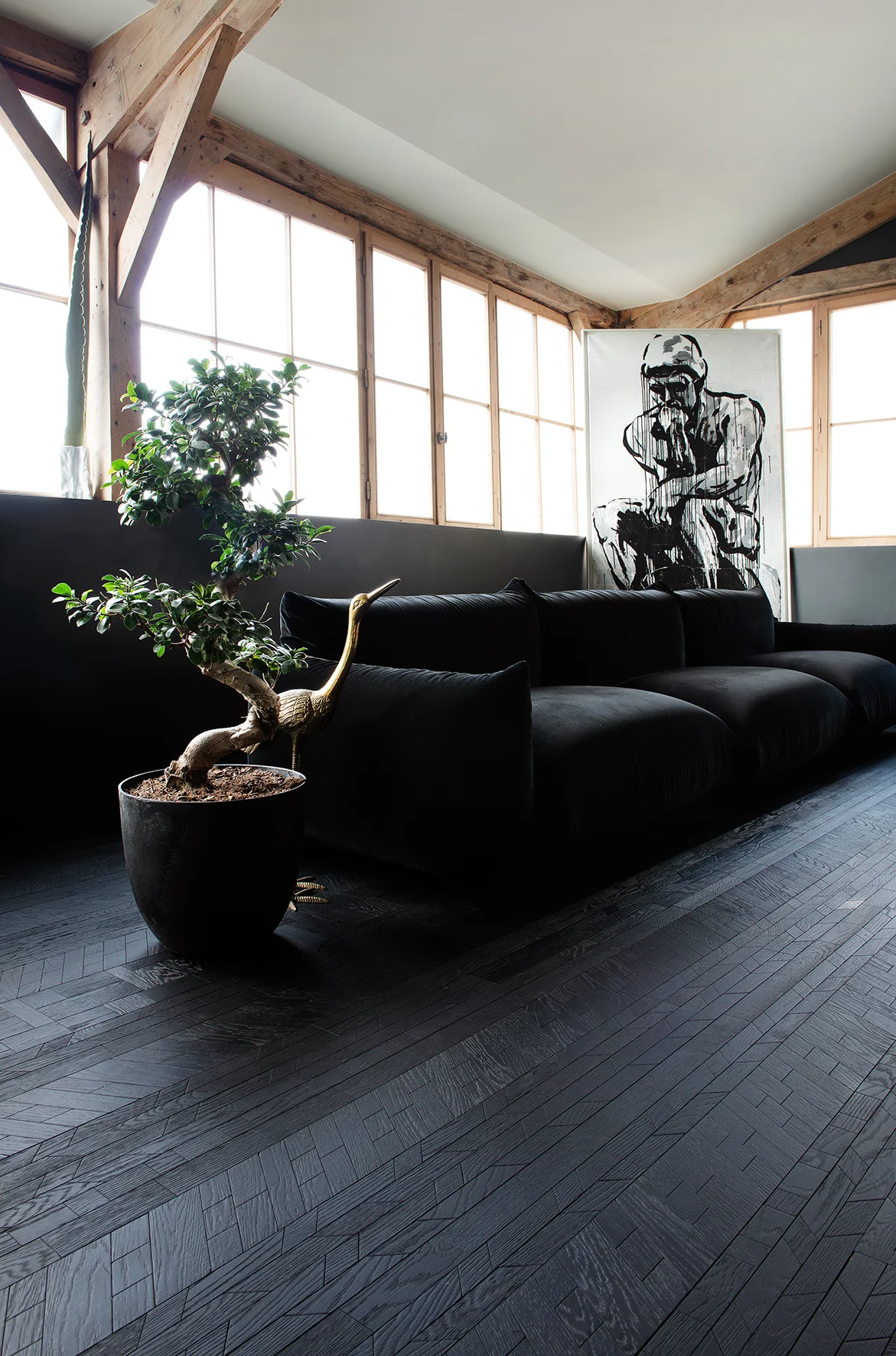
Trend palettes in 2026 are moving decisively away from cold, flat grays toward luminous warm whites, deep charcoals, and rich, earthy forest tones. To ground these shifting wall colors, designers rely on natural wood tone trends that provide structural depth and tactile warmth underfoot. Architectural wood acts as a permanent visual anchor, absorbing light and balancing fleeting paint trends to create harmonious, timeless spaces.
- The "post-gray" era prioritizes warm, highly expressive wall colors like Pantone's Cloud Dancer and Benjamin Moore's Silhouette.
- Natural, uncolored wood tones like smoked oak, honeyed oak, and natural teak prevent rich trend colors from overwhelming interiors.
- End-grain timber cuts absorb light vertically, creating a velvety, low-sheen surface that reduces visual glare.
- Pairing smooth painted surfaces with highly textured wood grains creates a sensory, biophilic balance.
- Bespoke, fumed, or smoked wood treatments darken the wood to its core, ensuring the tone remains stable over time.
How do interior colour trends shape modern wood selection?
Interior colour trends directly dictate wood selection by establishing the room's overall light dynamics, thermal feeling, and visual volume. When wall palettes shift toward rich, saturated hues, timber surfaces must pivot from flat, stain-masked finishes to highly textured, natural wood tones that offer structural contrast and balance. In the absence of this material grounding, rooms painted in expressive shades can quickly feel either sterile or visually overwhelming.
The design community has entered a decisive "post-gray" era. For nearly a decade, cool, clinical gray-washed floors and matching wall paints dominated residential and commercial spaces alike. Today, color authorities are introducing deeply warm, comforting hues. To support these colors, designers are moving away from stained, gray-toned floor boards toward the honest, golden-brown warmth of natural European oak and smoked teak.
When incorporating a deep, enveloping shade like Benjamin Moore's warm charcoal Silhouette or Glidden's rich red-brown Warm Mahogany, the floor cannot remain passive. It must provide a physical counterbalance. A smooth, dark wall paired with a highly figured, organic wood floor creates a beautiful chiaroscuro effect, where boundaries dissolve and the room gains a moody, sanctuary-like atmosphere.
What wood tone trends pair best with the colour of the year interiors?
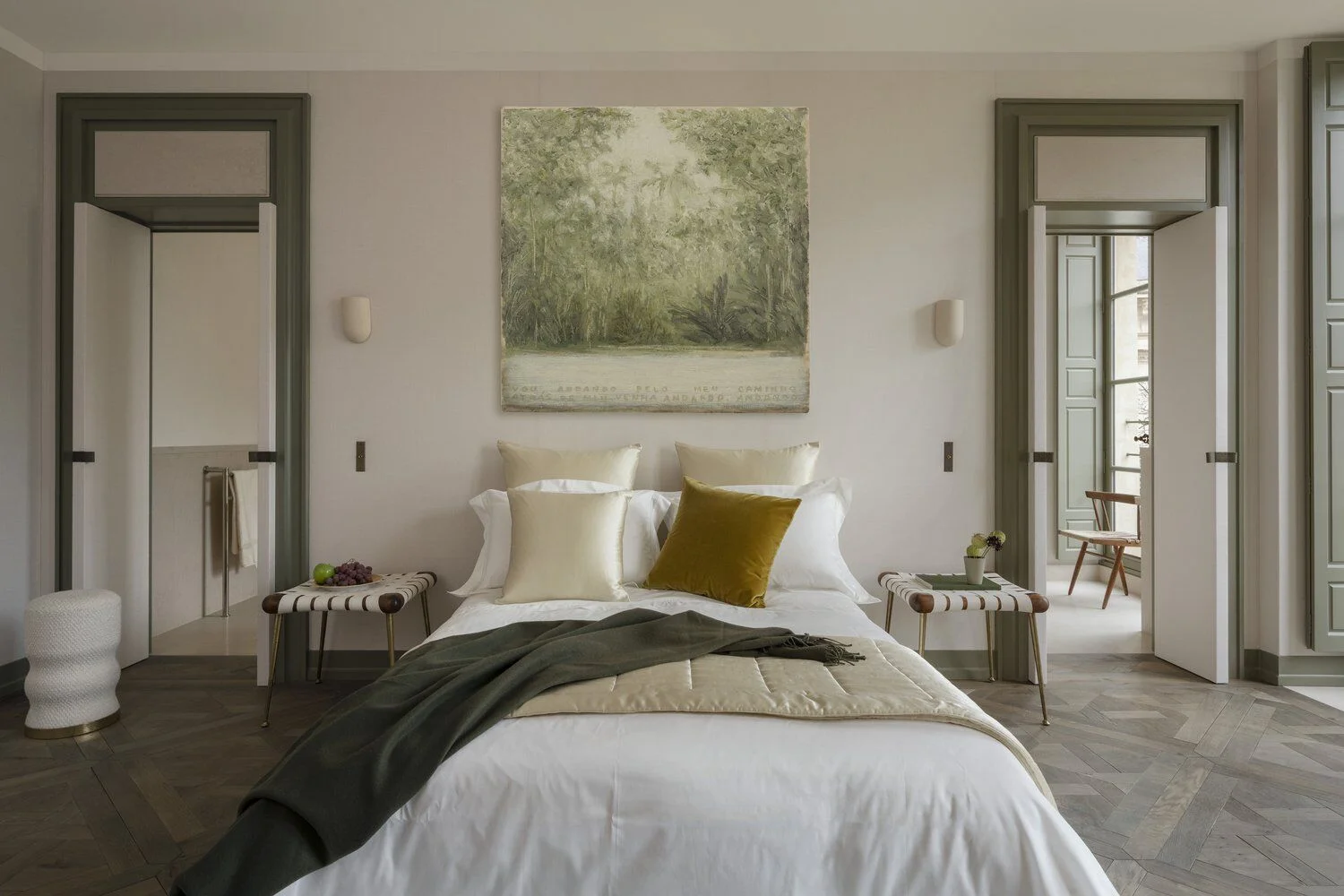
The wood tone trends that pair best with modern colour of the year interiors are warm, uncolored honey oaks, fumed deep brown oaks, and smoked teaks. Rather than using gray-washed stains, contemporary designers select natural finishes that let the wood's inherent ring patterns and organic warmth shine through. This ensures that the timber acts as a timeless foundation that survives subsequent paint refreshes.
To successfully integrate these materials, design professionals analyze the undertones of the chosen paint. Luminous, morning-light whites, such as Pantone's Cloud Dancer, feature subtle yellow or cream undertones. These whites pair beautifully with pale natural oak or golden teak, which reflect the light softly without casting a cold, blue glare across the room.
Conversely, smoky jades (such as Behr's Hidden Gem), olive greens, and velvety plum-browns thrive alongside core-smoked or fumed oak. The chemical fuming process exposes the wood's natural tannins to ammonia, darkening the oak deep into its core without masking the beautiful grain. This creates a deep, multi-tonal floor that acts as a natural, grounding forest floor beneath the colorful walls.
| Trend Color / Paint Palette | Visual Characteristics | Best Matching Wood Tone | Recommended Wood Treatment |
|---|---|---|---|
| Warm Whites (e.g., Cloud Dancer) | Luminous, morning-light warmth | Warm Honey Oak / Natural Teak | Natural oil finish with minimal white pigment |
| Deep Charcoals (e.g., Silhouette) | Rich, warm, velvety near-black | Smoked Oak / Core-Fumed Brown | Core-fuming to darken wood naturally |
| Earthy Greens & Jades | Smoky jade, olive, tobacco, sage | Golden Oak / Smoked Teak | Matte hardwax oil to enhance natural grain |
| Plum-Browns (e.g., Cinnamon Slate) | Soft, dusty violet-browns | Pale Natural Oak / Smoked Oak | Low-sheen invisible varnish to seal |
Why is end-grain wood the ultimate anchor for trend palette flooring?
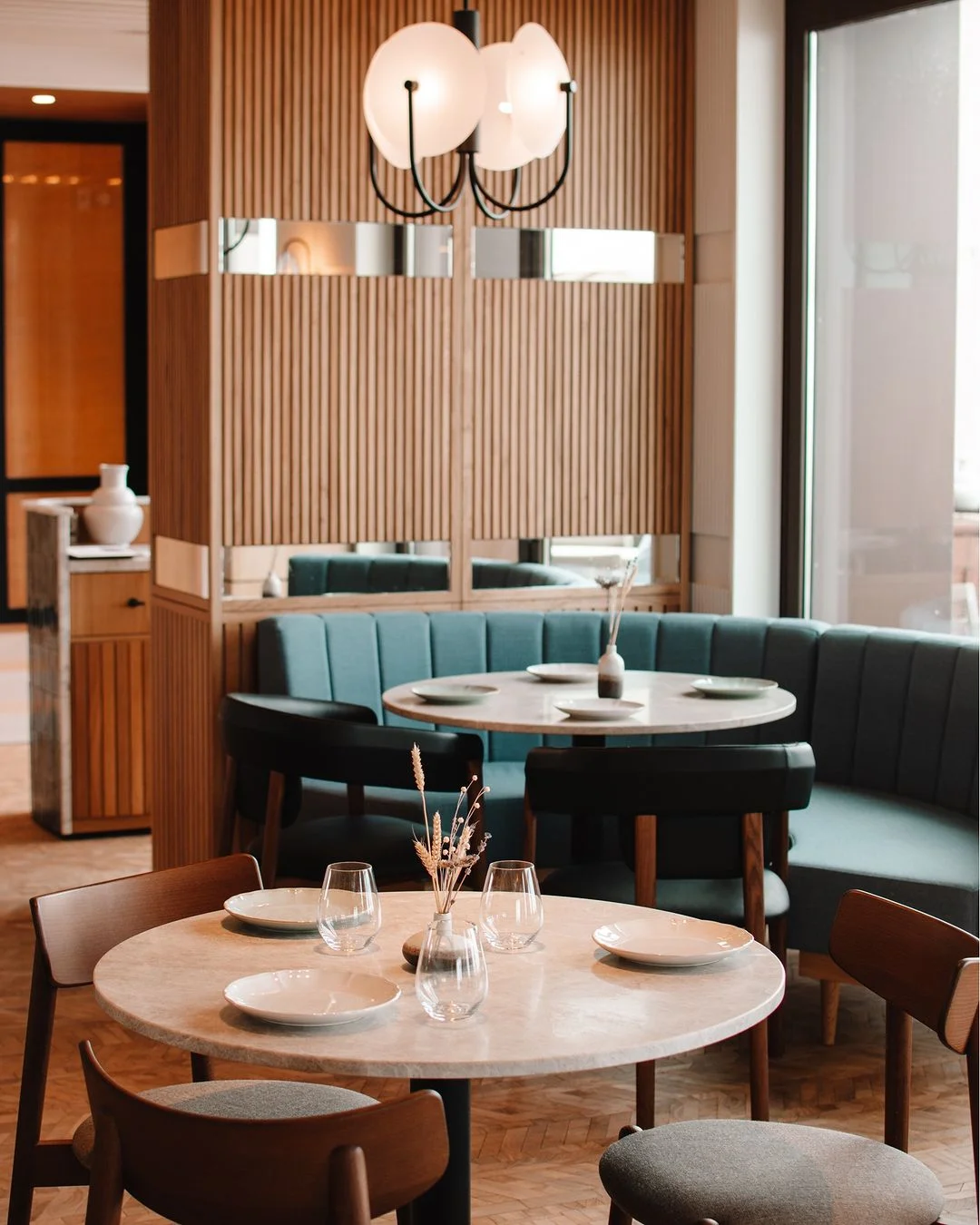
End-grain wood acts as the ultimate anchor for trend palette flooring because its vertical-fiber cut naturally absorbs light rather than reflecting it, creating a velvety matte surface. This unique physical property softens intense, saturated wall colors and provides a grounding, structural rhythm underfoot. While traditional flat-grain wood can reflect harsh light, end-grain behaves like a natural light trap, absorbing glare.
Architecturally, end-grain cuts the log crosswise, exposing the tree's growth rings. The vertical orientation of the wood fibers acts like a bundle of tiny straws. When light hits these vertical fibers, it is drawn inward, producing a deep, soft, and low-sheen texture. This is particularly valuable in rooms with large windows or those painted in bright, warm white trends, as it eliminates harsh floor reflection.
Furthermore, because end-grain is cut on the hardest face of the timber, it possesses incredible compressive strength and acoustic-dampening qualities. However, because vertical wood fibers are highly sensitive to moisture, end-grain requires a masterfully engineered drying and assembly process to prevent movement. Preassembled, tongue-and-groove systems crafted by master ateliers are highly recommended to ensure the floor remains stable for generations.
How do you achieve a balanced sensory contrast between walls and floors?
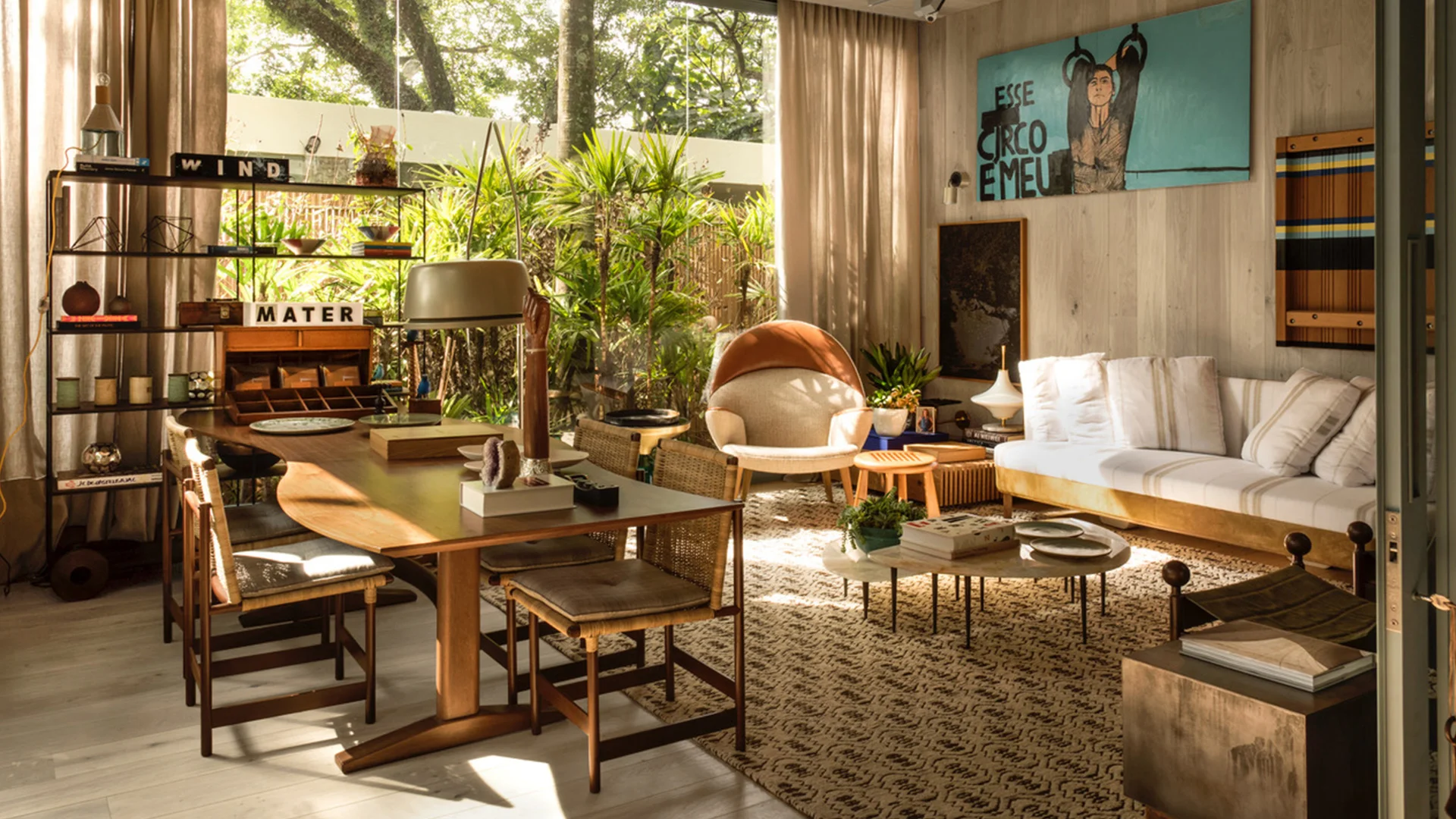
Achieving a balanced sensory contrast requires pairing smooth, painted walls with highly tactile, uncolored timber underfoot. When wall paints are matte and saturated, the floor should present an honest, textured grain pattern—such as fumed oak or hand-assembled parquet—to establish a dialogue of materials. This tactile interplay is the very foundation of modern, quiet luxury interiors.
In high-end interior design, the most successful spaces are those that engage multiple senses. If both the walls and the floors are completely smooth and uniform, the room feels flat and artificial. By leaving the wood in its most natural state, with open pores, light brushing, and organic knots, the floor tells a story of origin and craft. As one expert designer framed it: "A room without raw wood is a room without a pulse; natural timber is the physical gravity that holds light in place."
To maintain this sensory balance, avoid high-gloss synthetic lacquers, which coat the wood in a plastic-like barrier. Instead, opt for hardwax oils or invisible, two-component matte varnishes. These modern finishes coat the wood fibers on a microscopic level, protecting the timber from spills and heavy traffic while leaving the natural, tactile texture of the grain entirely open to the touch.
Frequently Asked Questions about Wood Tone Trends
What is fumed oak, and how does it differ from stained wood?
Fumed oak is timber that has been exposed to active ammonia gas, which reacts chemically with the natural tannins inside the wood to turn the oak a rich, deep brown. Unlike stained wood, which only has color applied to the surface, fuming darkens the wood all the way through the core, ensuring scratches or wear do not reveal pale wood underneath.
Are fumed and smoked wood floors stable over time?
Yes, fumed and smoked wood floors are highly stable because the color change is chemical and structural rather than a surface pigment. Because the wood is darkened down to its core, it resists fading from sunlight and wear much better than stained timber.
How do you clean and maintain an oiled oak floor?
Oiled oak floors should be swept or vacuumed regularly to remove abrasive dirt and damp-mopped using a specialized, pH-neutral wood soap. Periodically, a maintenance oil should be applied to replenish the protective barrier and keep the wood looking rich and hydrated.
More from the Atelier
Modern Versailles Parquet & Marqueterie Trends
Discover how historic French marqueterie and Versailles parquet panels are being reinterpreted for modern commercial and residential interiors.
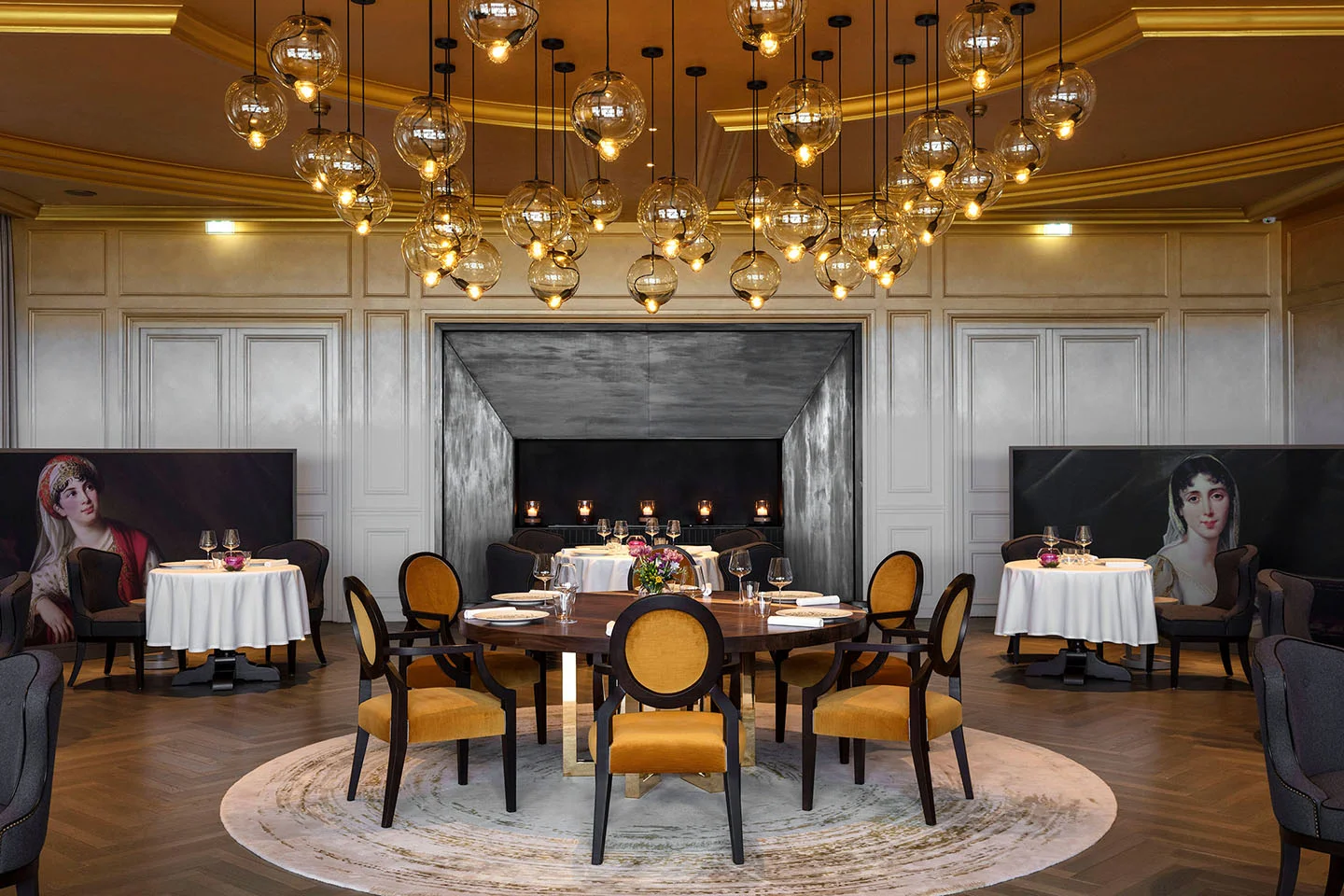
The Texture Pairing Playbook: Wood with Linen, Stone and Brass
Discover the art of balancing wood, linen, stone, and brass. This design-led guide explores how to combine these raw materials for a timeless interior.
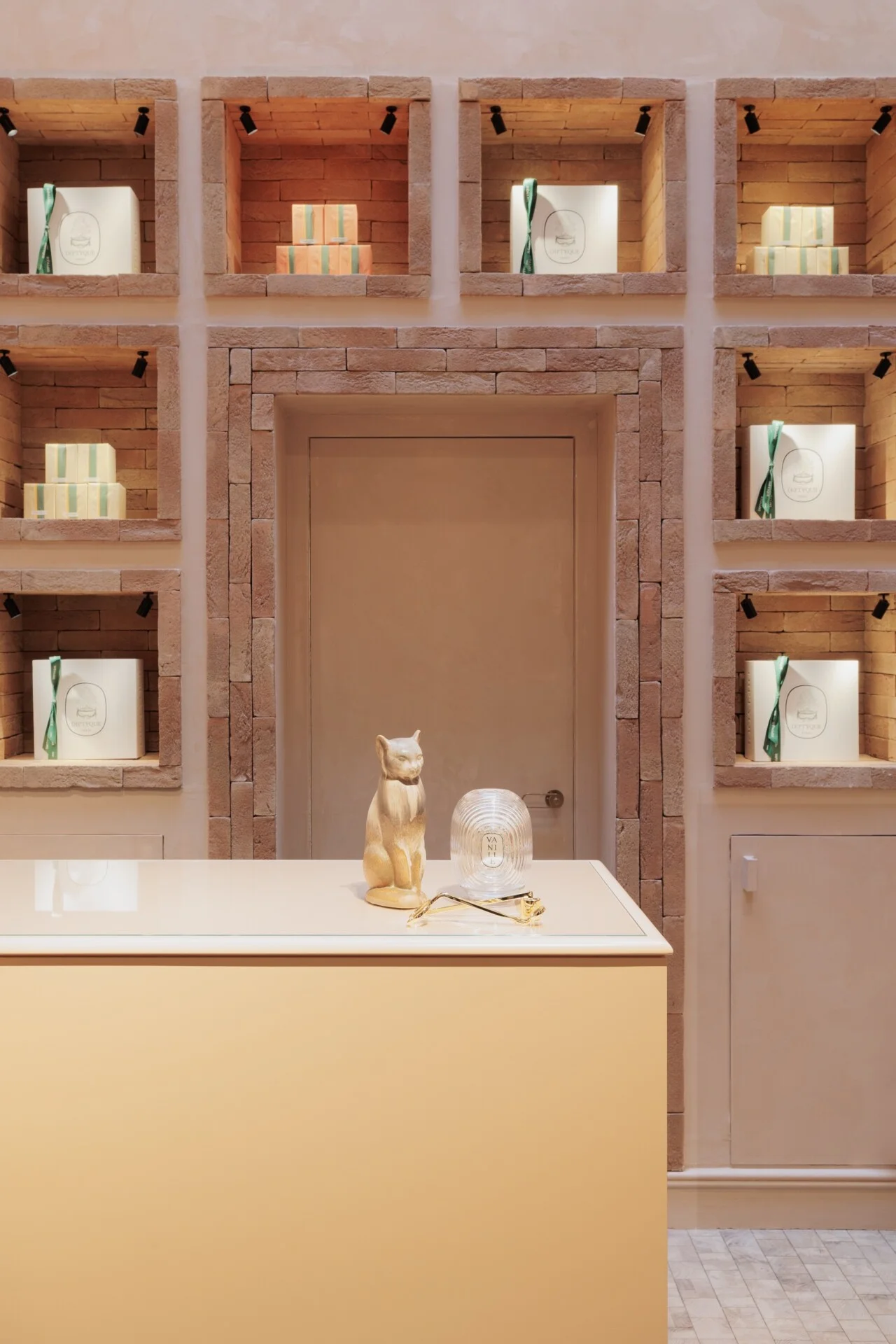
Wood Floor Direction: Which Way Should Boards Run?
An expert guide on choosing the optimal wood floor direction. Learn how natural light, entry axes, and room proportions dictate board layout.