
Why Craft Biennales Shape the Future of Architectural Materials
How global design exhibitions redefine raw matter, woodcraft, and spatial design.
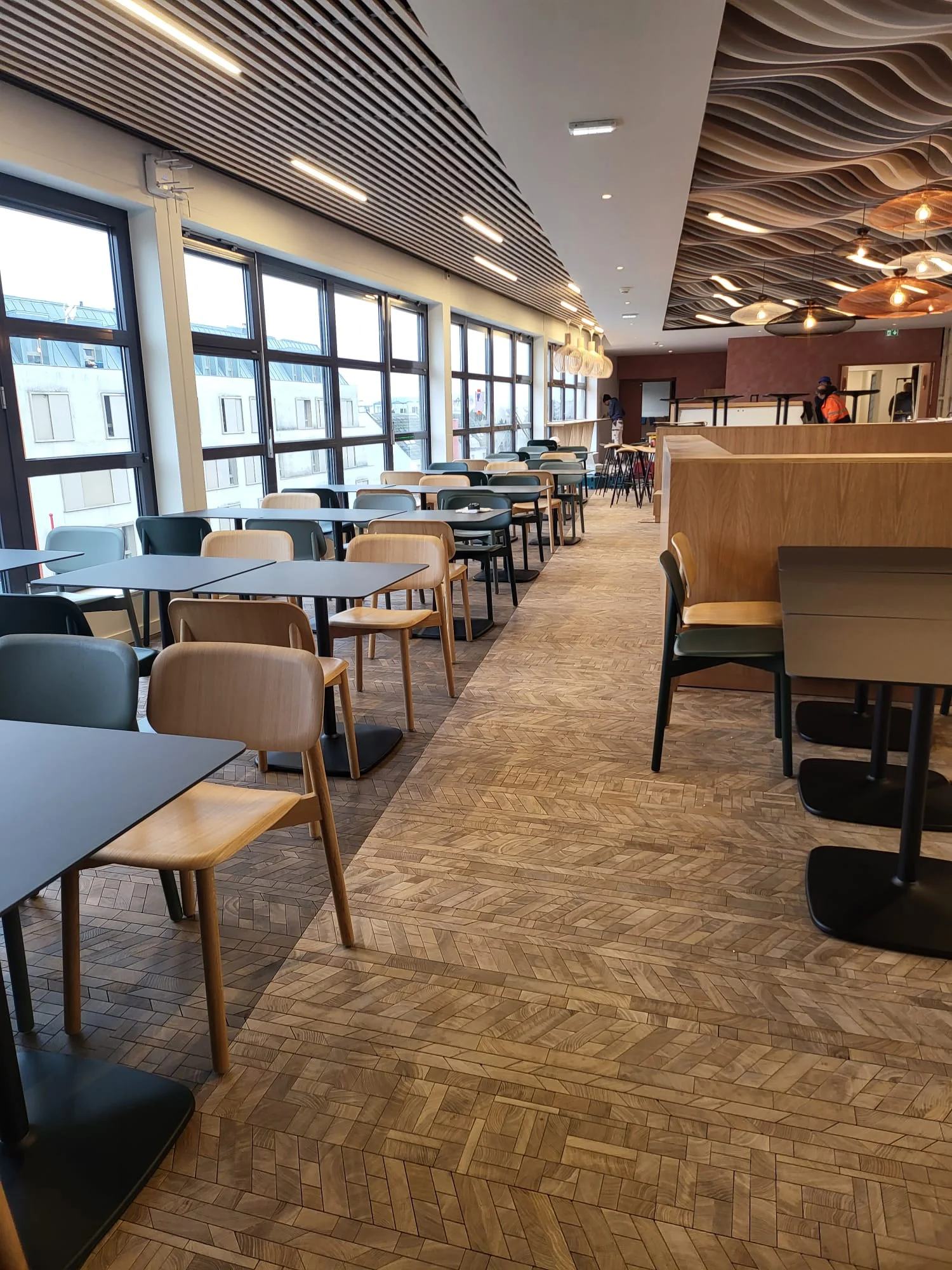
Craft biennales are international exhibitions that serve as critical forums where material limits are tested and the role of the artisan is debated. For architects and interior designers, these platforms reveal how traditional handcraft, digital precision, and raw materials can combine to create highly expressive, tactile environments. These events challenge standard manufacturing, elevating matter into structural poetry and offering deep inspiration for bespoke architectural design.
- Craft biennales bridge the gap between speculative sculpture and functional architectural surfaces.
- Global exhibitions like Homo Faber 2026 explore how natural light transforms the sensory quality of raw materials.
- Prestigious prizes, such as the Loewe Foundation Craft Prize 2026, champion the structural and sculptural potential of wood.
- Events like the Révélations Biennale in Paris celebrate the physical "gesture" of the artisan over mass industrialization.
- Modern craft platforms highlight the essential synergy between digital fabrication tools and circular material practices.
What is a craft biennale and why does it impact interior design?
A craft biennale is a major recurring international exhibition dedicated to celebrating, debating, and redefining the boundaries of contemporary craft and materiality. These platforms profoundly impact interior design by challenging mass-produced aesthetics and introducing novel ways to manipulate raw materials like wood, clay, stone, and metal. By staging high-concept, tactile installations, craft biennales encourage architects to look beyond standard factory finishes and embrace bespoke, hand-finished surfaces.
These exhibitions act as speculative laboratories. When designers witness artisans transforming raw timber into complex sculptural forms, it shifts the collective understanding of what a floor, a wall, or a ceiling can be. The experimental techniques debuted on these global stages eventually filter down into high-end residential, hospitality, and retail interiors, shaping the next wave of design trends.
How does Homo Faber 2026 Venice explore the dialogue of light and matter?
The Homo Faber 2026 biennial in Venice, titled "An Island of Light" and curated under the artistic direction of Es Devlin, directly investigates how light interacts with raw substrates and the human hand. It positions contemporary craft as an immersive, spatial experience rather than a collection of isolated objects. By focusing on light as a narrative tool, the exhibition illuminates the deep textures, growth rings, and tool marks on hand-carved wood and structural surfaces.
For makers and designers, this dialogue of light and matter highlights the importance of surface topography. In an interior space, a perfectly flat, uniform surface can appear sterile under direct lighting. Conversely, when light falls across textured, hand-scraped, or deeply brushed wood surfaces, it creates a dramatic play of highlights and shadows. This sensory activation transforms architectural spaces into dynamic, living environments that change throughout the day.
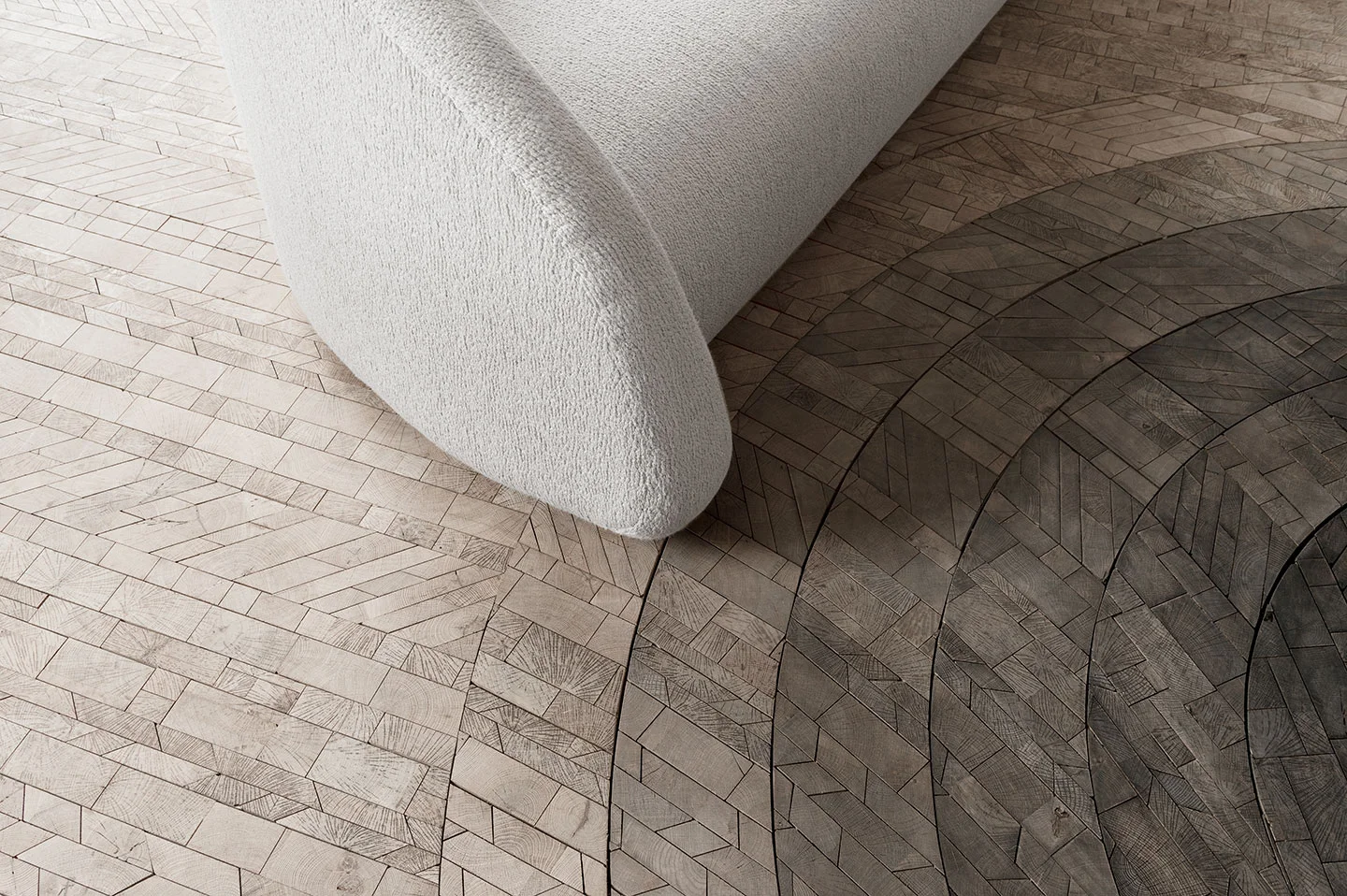
Why are structural poetry and end-grain wood being highlighted at the Loewe Foundation Craft Prize 2026?
The Loewe Foundation Craft Prize 2026 in Singapore showcases how contemporary craft practitioners are elevating traditional woodworking techniques into speculative, architectural territory. A prime example is Swedish sculptor Oskar Gustafsson’s finalist piece, which features a tall, commanding column constructed from 36 steam-bent, end-grain sheets of ash bound together by hand-twisted copper wires. This work illustrates how the structural capacity of end-grain timber can be manipulated to create poetic, fluid forms.
Similarly, South Korean designer Jong In Lee’s finalist piece, a walnut bench titled "Baeheullim," reinterprets the subtle swelling found in traditional Korean architectural columns. These works prove that heritage structural methods are not relics of the past; instead, they can be distilled into contemporary minimalist furniture and surfaces. By focusing on the inherent strength and visual depth of end-grain rings, these designers demonstrate that wood can convey both deep time and architectural strength.
| Exhibition / Biennale | Key Location | Core Material Focus | Design Philosophy |
|---|---|---|---|
| Homo Faber 2026 | Venice, Italy | Multidisciplinary, Raw Substrates | Exploring the physical dialogue between light, space, and the human hand. |
| Loewe Foundation Craft Prize 2026 | Singapore | Wood, Ceramics, Metal, Textile | Elevating heritage techniques into speculative, sculptural, and structural forms. |
| Révélations Biennale 2025 | Paris, France | Fine Craft, Applied Arts | Celebrating the raw gesture of the artisan and the physical transformation of matter. |
| Danish Biennale for Craft & Design 2025 | Copenhagen, Denmark | Timber, Circular Matter | Fusing digital precision with traditional craft and circular material systems. |
What does the return of the "gesture" mean for contemporary timber design?
The physical "gesture" of the artisan is the central theme of Paris’s Révélations Biennale at the Grand Palais. This celebration of hand-manipulated matter showcases wood in all of its states—woven, braided, hollowed, and charred. Through the work of master artisans like Alan Meredith, whose wood-turned vessels and furniture bridge the gap between sculpture and architecture, the biennale demonstrates how the human mark elevates raw timber into a luxurious medium.
This focus on the artisan's gesture acts as a vital counterweight to mass production. It reminds designers that the value of an architectural surface lies in its unique, unrepeatable details. When an artisan hand-sculpts or chars wood—such as in the traditional Japanese shou-sugi-ban technique—the material gains an irreplaceable depth. The resulting surfaces invite the human hand to trace the boundary where the tool met the tree, fostering a profound physical connection to the built environment.
How do digital tools and circular timber coexist in modern craft exhibitions?
Modern craft exhibitions are increasingly exploring the synergy between digital tools and traditional woodcraft, rather than viewing them as opposing forces. The Danish Biennale for Craft & Design 2025, curated by the Ukurant collective, highlights how digital precision can work alongside handwork to unlock new design possibilities. Furthermore, this biennial champions circular design by utilizing residual and reclaimed timber, showcasing how makers can deconstruct and revive offcuts into refined architectural elements.
This fusion of technology and circularity represents a sustainable path forward for the design industry. Digital tools allow for highly efficient material yield, minimizing waste, while the human hand provides the final, soulful finish that machines cannot replicate. By elevating residual timber fragments into high-design objects and surfaces, these exhibitions prove that luxury and environmental responsibility are fundamentally intertwined.
Frequently Asked Questions
What is a craft biennale?
A craft biennale is a major recurring international exhibition that showcases, celebrates, and debates contemporary craft, fine applied arts, and the innovative manipulation of raw materials.
How do craft exhibitions influence luxury interior design trends?
Craft exhibitions serve as speculative labs where designers and artisans debut experimental material techniques. These highly tactile, artistic approaches eventually filter down to inspire bespoke finishes in luxury residential, hospitality, and retail spaces.
What role does wood play in contemporary craft exhibitions?
Wood is celebrated in contemporary craft exhibitions for its versatility, organic warmth, and responsiveness to human touch. Designers frequently showcase timber in manipulated states—such as steam-bent, hand-charred, woven, or constructed from end-grain cuts—to push the boundaries of spatial design.
Why is end-grain wood favored in speculative architectural installations?
End-grain wood is favored for its remarkable structural durability, dense growth-ring patterns, and acoustic qualities. Speculative installations use end-grain cuts to create highly textured, graphic topographies that reflect deep time and physical endurance.
More from the Atelier
Calm Bedroom Design: How Wood Floors Create Restful Interiors
Learn how natural wood bedroom floors, acoustic balancing, and soft timber textures combine to transform your bedroom into a quiet, restorative sanctuary.
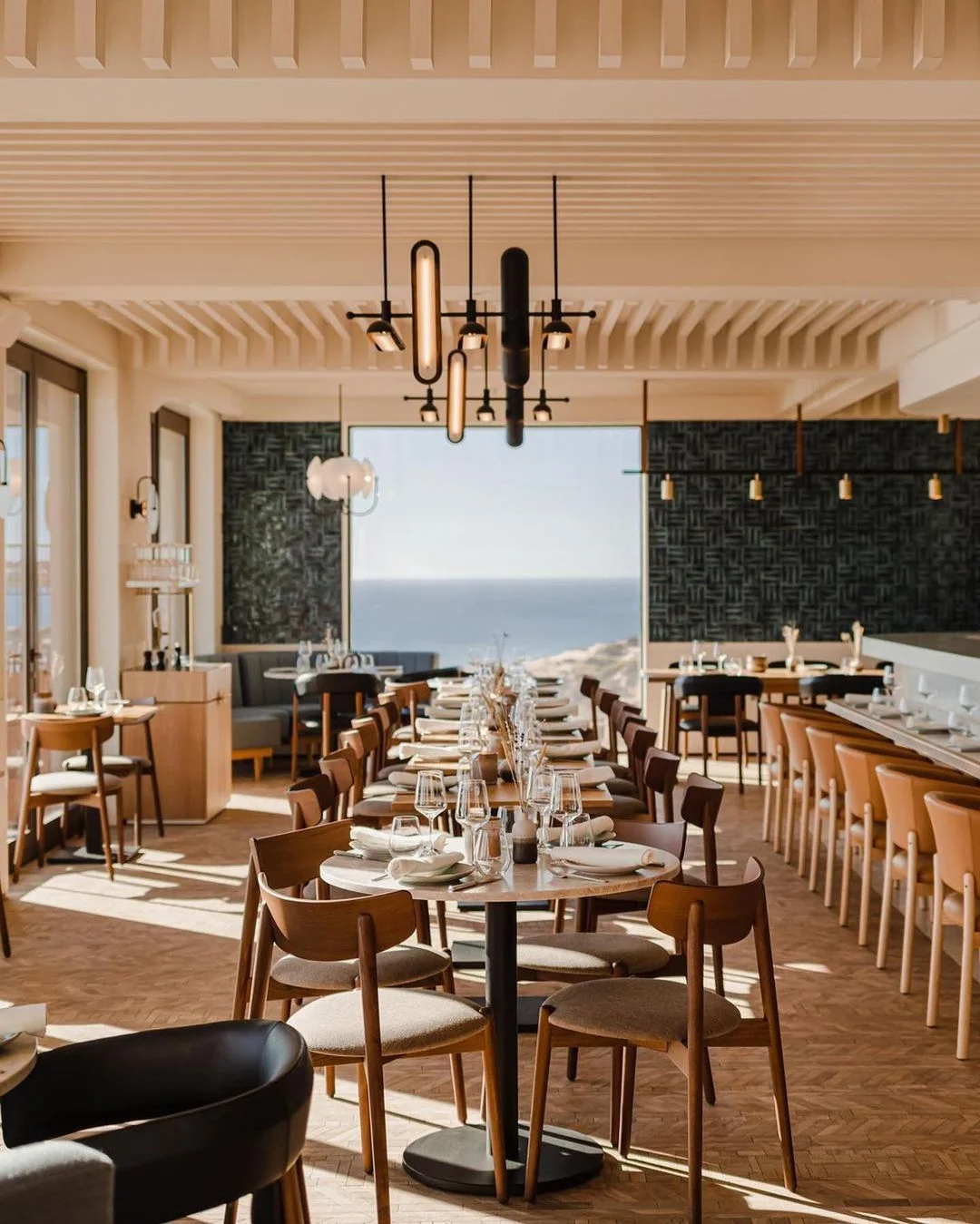
Summer Light & Organic Grids: Coastal Sanctuaries
Discover how the raw, organic grids of end-grain wood and pale timber tones ground bright, modern seaside properties into peaceful sensory retreats.
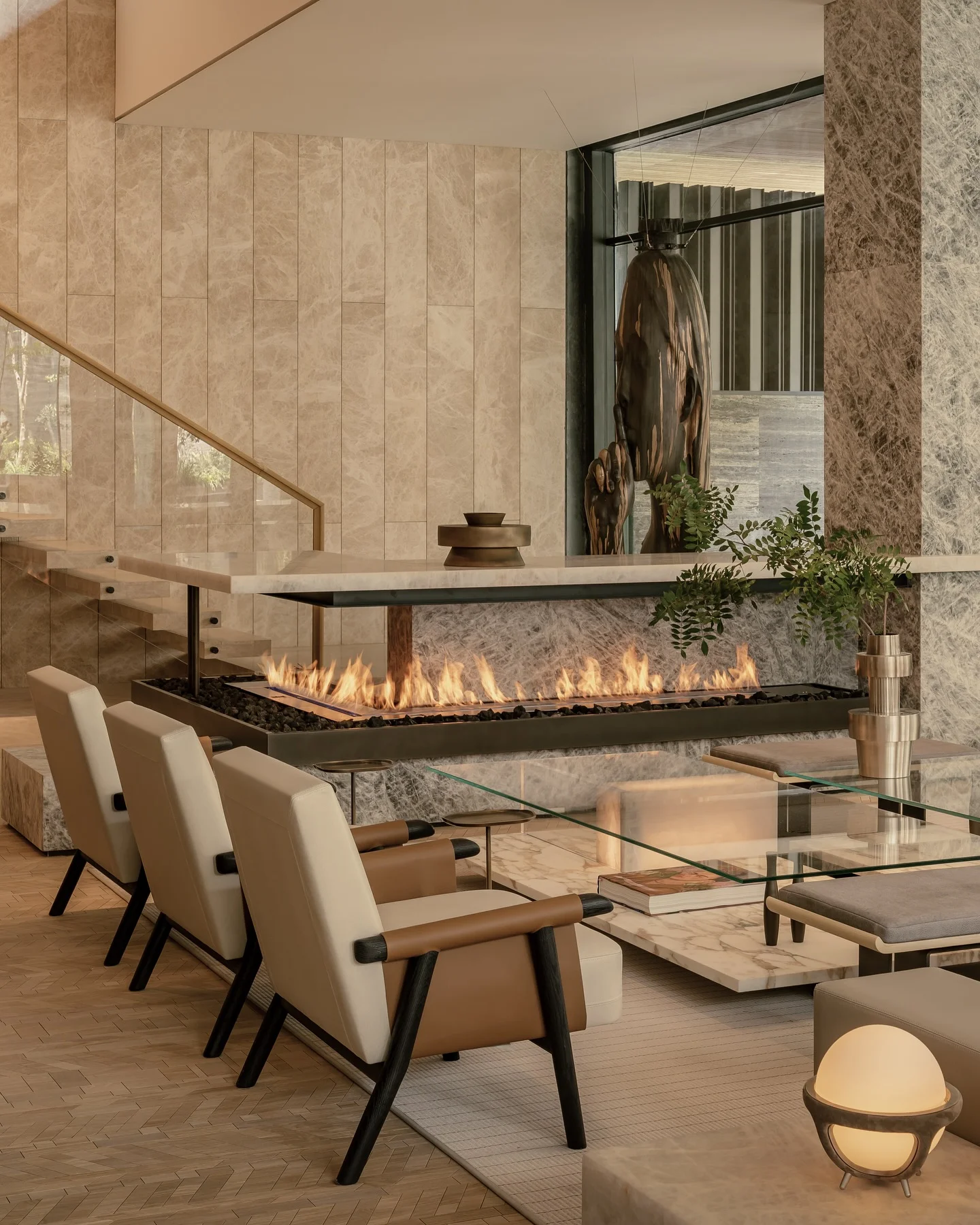
Minimalism and Wood: Doing More with Less Material in Design
Discover how warm minimalism replaces stark white spaces with tactile timber. Learn how a monomaterial approach creates serene, acoustically quiet luxury.