
What Is the Role of Wood in Modern Exhibition Design?
How circular timber systems and reversible joinery are reshaping temporary architecture.
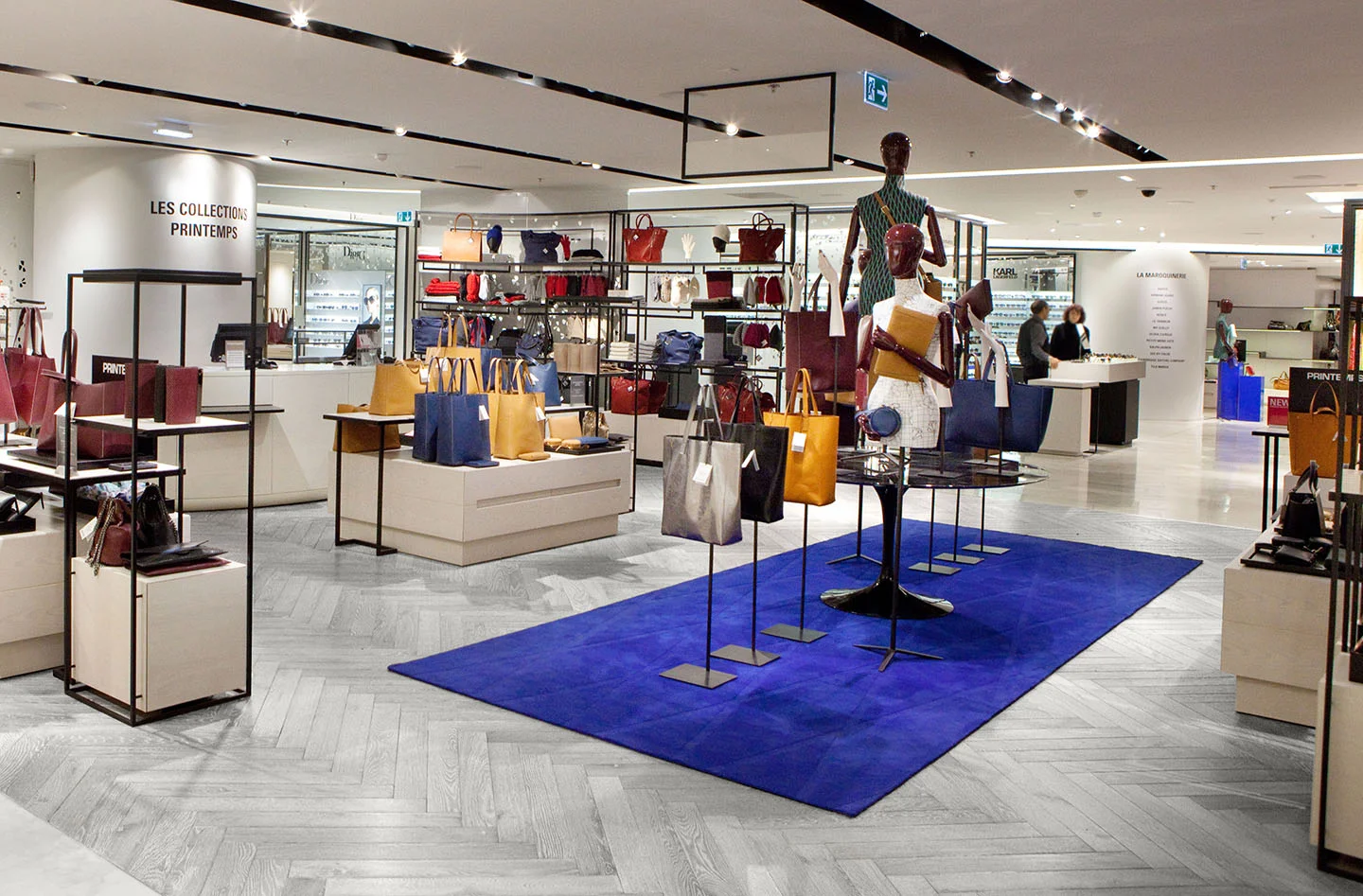
Exhibition design is undergoing a profound structural shift, moving away from single-use plastics and MDF toward circular, modular timber systems. By utilizing raw wood, computational fabrication, and reversible joinery, designers can now create sensory, acoustic, and visually striking temporary spaces that are engineered to be dismantled, repurposed, or fully rebuilt elsewhere.
- Traditional exhibition design relies heavily on non-recyclable materials, whereas timber scenography treats wood as a reusable materials bank.
- Reversible exhibition architecture utilizes non-destructive joinery like screws, dowels, and tension systems instead of permanent adhesives.
- Modular wood installations can be scaled to monumental levels, as demonstrated by large-scale glulam structures in European exhibition halls.
- Timber offers unique sensory benefits, including natural acoustic dampening, olfactory comfort, and tactile warmth that reduce trade-show fatigue.
- Progressive design agencies are actively transitioning temporary booths into permanent community assets after exhibitions conclude.
What is wood exhibition design?
Wood exhibition design is the practice of planning, structuring, and constructing temporary pavilions, art galleries, and trade show booths using structural timber and architectural wood surfaces. Unlike permanent retail spaces, this approach prioritizes rapid assembly, modular scaling, and non-destructive dismantling. It allows designers to create highly sensory, immersive spaces that can be completely repurposed without generating landfill waste.
Historically, the temporary nature of exhibition design has resulted in massive amounts of short-lived waste. Standard booths are often constructed from cheap, composite boards and vinyl graphics that are discarded after only a few days of use. Progressive designers are challenging this convention by using solid timber and natural wood finishes as a durable, beautiful, and fully recyclable alternative.
How does temporary architecture wood create a "materials bank"?
Temporary architecture wood functions as a physical materials bank when designed for disassembly, treating timber as a temporary asset rather than a single-use consumable. By mapping and tracking components digitally, structural elements can be reclaimed, re-milled, or re-fabricated for successive projects. This circular philosophy prevents high-quality timber from being downgraded into low-value wood chips or discarded entirely after a brief installation.
A prime example of this methodology is SDU CREATE’s Re:Programming Wood exhibition at Dropcity during Milan Design Week. The team utilized advanced computational design and robotic fabrication to ensure that the timber elements could be disassembled and reprocessed across successive lifecycles. Rather than treating the wood as a static building block, the designers programmed it to adapt to future architectural iterations.
Why is reversible joinery essential for booth design?
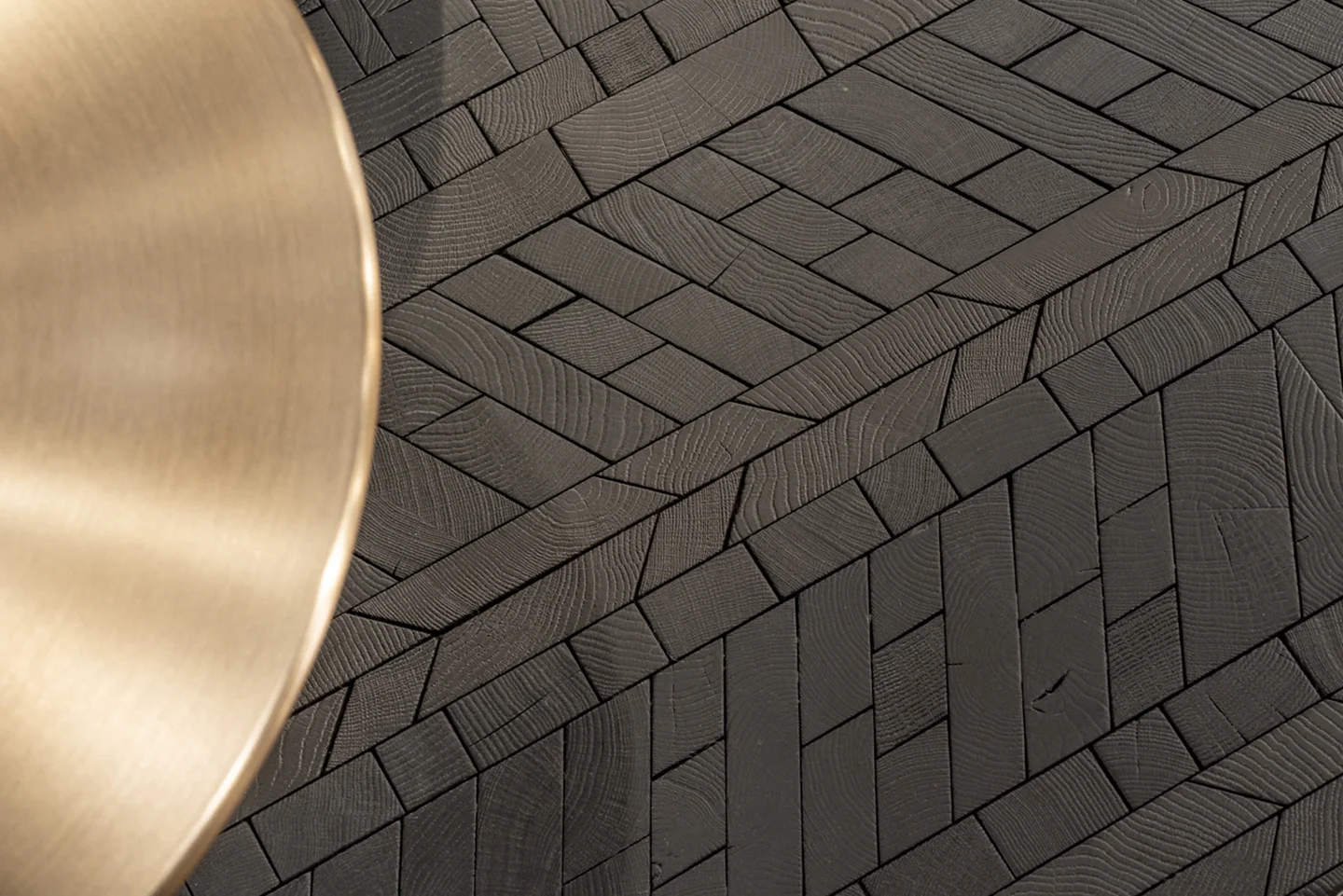
Reversible joinery is essential for booth design because it allows structural timber to be assembled and disassembled without compromising the physical integrity of the wood. Traditional exhibition carpentry relies on heavy adhesives, nails, and toxic glues that permanently damage the wood fibers during deconstruction. Reversible design relies on mechanical connections—such as dry-fit mortise and tenon joints, structural screws, dowels, and steel tension rods—ensuring the timber can be recovered in its pristine, original state.
At Salone del Mobile, QuadroDesign and Studio Giacomo Moor presented a compelling case study titled Temporary Installation to Permanent Architecture. Their modular, reversible timber stand was engineered entirely with non-destructive joinery. Once the trade show concluded, the entire structure was dismantled and shipped to Zambia to be reconstructed as a permanent public facility, proving that exhibition architecture can serve a lasting secondary purpose in the community.
Solid timber vs. composite wood in exhibition design: how do they compare?
Choosing the right material for exhibition design requires balancing aesthetics, structural integrity, and long-term circularity. While composite materials are frequently used for their low cost, solid and natural timbers offer vastly superior environmental performance and sensory appeal.
| Material Type | Reusability | Structural Integrity | Sensory Appeal | Circularity |
|---|---|---|---|---|
| Solid Timber | High (can be planed and re-milled) | High structural load capacity | High (natural grain, scent, warmth) | Excellent (fully biodegradable) |
| Reclaimed Wood | High (proven durability) | Moderate to High | Outstanding (rich historic patina) | Excellent (zero-waste input) |
| Plywood & LVL | Moderate (edges are prone to splitting) | High dimensional stability | Moderate (engineered face wood) | Good (recyclable if untreated) |
| Conventional MDF | Low (damaged during teardown) | Low moisture resistance | Very Low (flat, synthetic smell) | Poor (mostly destined for landfill) |
Can large-scale exhibition halls use structural wood?
Large-scale exhibition halls can absolutely use structural wood, achieving the same structural spans and safety ratings as structural steel while maintaining a significantly lower carbon footprint. Engineered wood products, such as cross-laminated timber (CLT) and glue-laminated timber (glulam), provide high load-bearing capacity and dimensional stability over vast distances. These modular wood components are prefabricated off-site, allowing for rapid, quiet, and precise assembly on-site.
The preeminent example of this structural scale is the Grand Palais Éphémère on the Champ de Mars in Paris, designed by Wilmotte & Associés. Spanning over 10,000 square meters, this temporary exhibition hall was constructed using a modular, double-arched spruce glulam framework. The entire building was designed to be completely dismantled, stored, and reassembled in various configurations elsewhere, showing that timber can easily match the scale of traditional urban steel structures.
What are the sensory benefits of scenography wood?
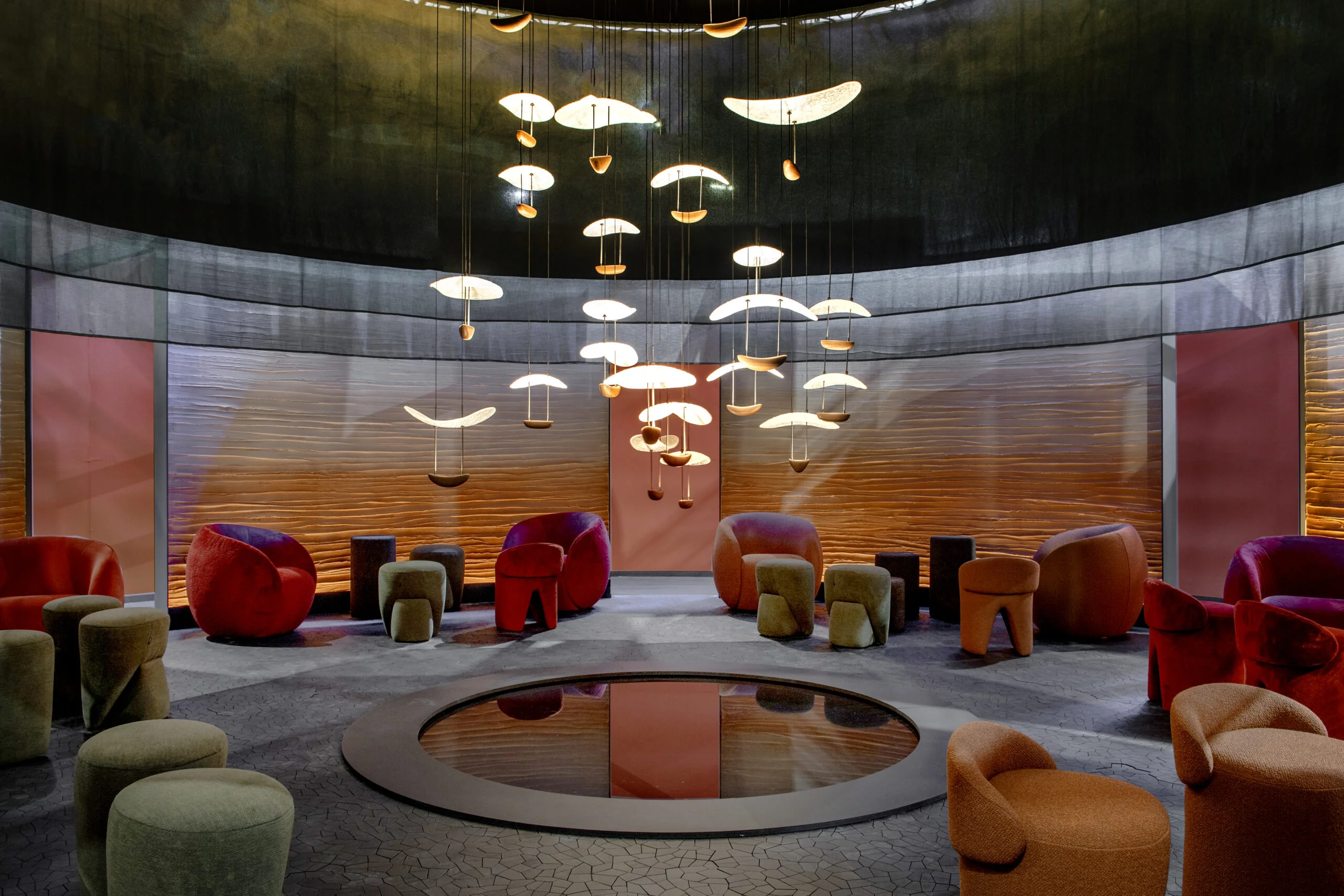
The sensory benefits of scenography wood include natural acoustic dampening, olfactory grounding, and tactile comfort, all of which directly improve the visitor experience. Conventional exhibition halls are often characterized by chaotic noise, harsh artificial lighting, and the chemical odors of synthetic paints and adhesives. Integrating raw wood surfaces completely transforms this atmosphere, turning a busy exhibition path into a quiet, welcoming sanctuary.
"The physical presence of natural timber acts as a spatial buffer, absorbing noise and offering a moment of visual and physical respite from the intense energy of a global design fair."
These tactile and spatial elements are best explored through several key sensory cues:
- Olfactory Grounding: Raw, untreated poplar, cedar, or spruce releases a comforting, natural scent that neutralizes the sterile, industrial smell of modern trade halls.
- Hushed Acoustics: Wood-fiber panels and thick timber framing absorb ambient noise, softening the reverberant echo of footsteps and voices.
- Tactile Friction: The warmth of natural wood grains and hand-finished joinery invites touch, contrasting sharply with cold, synthetic laminates and metals.
- Chiaroscuro Shadows: Light filtering through slatted timber screens casts gentle, rhythmic patterns, naturally slowing down the visitor's pace and encouraging deeper engagement.
How is local and raw timber used in contemporary scenography?
Local and raw timber is used in contemporary scenography to ground temporary installations in a specific place and time, highlighting raw material honesty over plastic finishes. Designers are increasingly using thick-cut, untreated logs and exposed joinery to create a rustic, yet highly sophisticated architectural language. This design choice celebrates natural imperfections, such as knots and splits, as active design features rather than flaws.
At the BIO27 Super Vernaculars design biennial in Ljubljana, Slovenian studio Medprostor crafted a stunning exhibition layout using stacked firewood logs as modular partitions. Similarly, in the UK, Feilden Clegg Bradley Studios collaborated with local timber merchants Fallen & Felled to source and mill fallen London trees specifically for exhibition frames. These designs show how local urban forestry can directly fuel temporary architecture while keeping supply chains completely transparent.
Frequently Asked Questions about Exhibition Design and Wood
Is wood exhibition design more expensive than using standard MDF?
Yes, the initial material cost of high-quality solid timber is generally higher than MDF. However, because timber structures can be disassembled and reused across multiple exhibitions, they often prove more cost-effective over their total lifecycle.
What is reversible architecture in temporary exhibition design?
Reversible architecture refers to structures designed to be completely taken apart without damaging the base materials. It relies on dry-joint engineering, screws, and dowels instead of permanent glues or single-use nails.
How does wood improve the acoustics of a busy exhibition hall?
Wood has a cellular structure that naturally dampens sound. Using timber frames, wooden slats, or wood-fiber insulation panels helps absorb high-frequency noise and echoes in highly populated spaces.
Can wood exhibition booths be recycled?
Yes, provided the wood has not been treated with toxic varnishes or permanent adhesives. Untreated or naturally oiled timber can be re-milled into new building elements, repurposed as furniture, or safely composted.
More from the Atelier
Modern Versailles Parquet & Marqueterie Trends
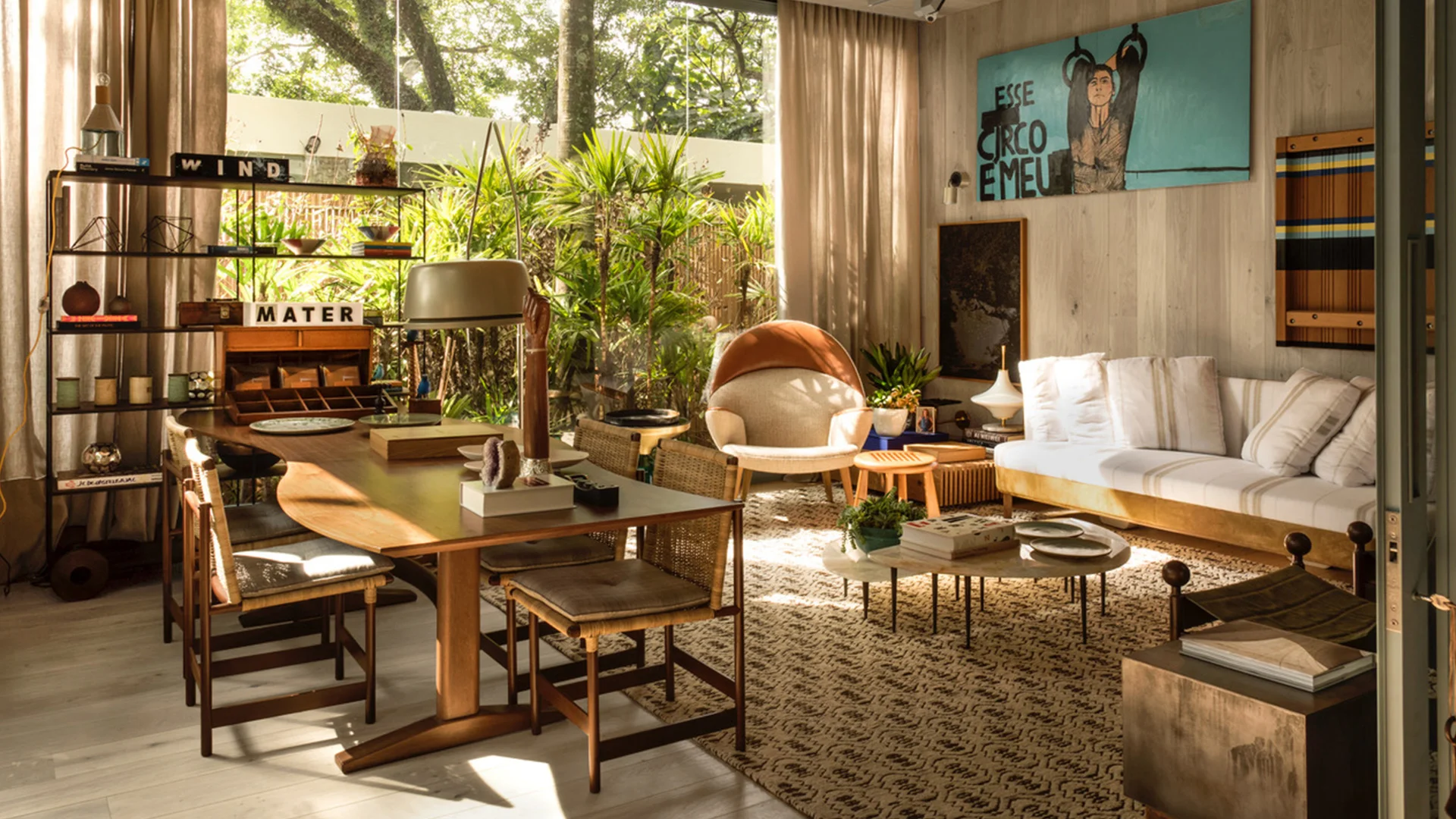
Discover how historic French marqueterie and Versailles parquet panels are being reinterpreted for modern commercial and residential interiors.
The Texture Pairing Playbook: Wood with Linen, Stone and Brass
Discover the art of balancing wood, linen, stone, and brass. This design-led guide explores how to combine these raw materials for a timeless interior.
Wood Floor Direction: Which Way Should Boards Run?
An expert guide on choosing the optimal wood floor direction. Learn how natural light, entry axes, and room proportions dictate board layout.