
From Runway to Room: How Fashion Influences Interiors
How haute couture's tactile codes, saturated colours, and material heritage transform permanent spaces.
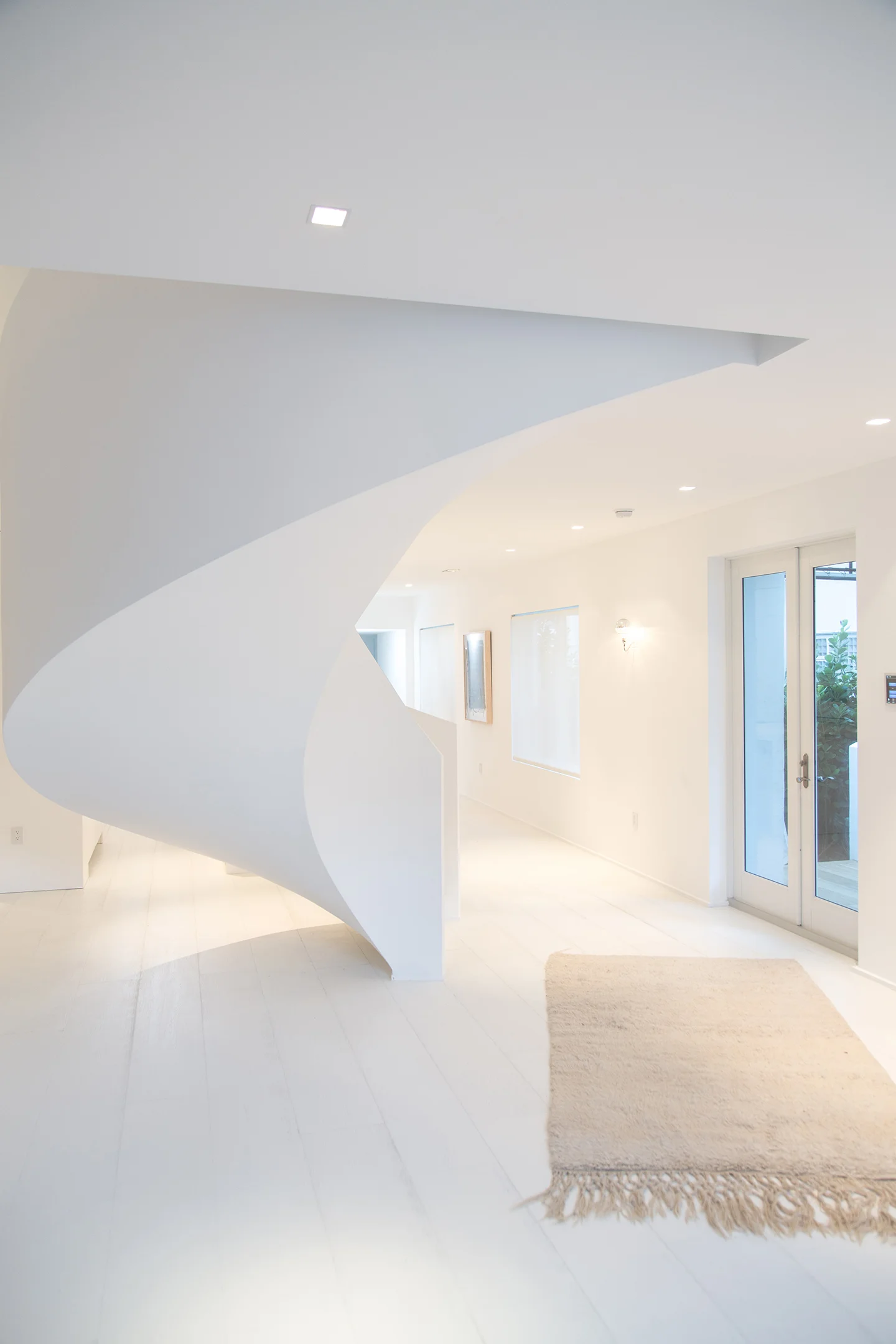
The intersection of fashion and interiors has evolved far beyond fleeting seasonal aesthetics, developing into a deep dialogue of shared materiality, architectural scale, and heritage craft. Today, designers translate haute couture’s tactile and chromatic codes into the permanent, structural elements of the home. This crossover turns residential and hospitality spaces into enduring sanctuaries of tailored comfort.
- The alignment of fashion and interiors focuses on permanent architectural weight rather than temporary decorative trends.
- Rich, saturated runway hues like Burgundy, Cherry Lacquer, and Mocha Mousse are replacing sterile minimalist palettes in modern homes.
- Historic textile patterns are being scaled up to transform structural surfaces, as seen in notable wallpaper and tapestry exhibitions.
- Both industries are experiencing a significant backlash against fast consumerism, prioritizing slow-crafted, patinating materials.
- The "maximalism for minimalists" movement layers structured, clean lines with highly tactile, tailored accents.
How do fashion and interiors intersect in modern design?
Fashion and interiors intersect in modern design by sharing a core language of textile structure, scale, and spatial volume. Rather than adopting fleeting garment silhouettes, contemporary architects extract the weight, drape, and structural heritage of haute couture to define interior volumes. This translation turns temporary runway concepts into permanent, lived-in architectural realities.
A key example of this movement appeared with the debut of the Gucci Memoria exhibition. This presentation bypassed conventional product displays, opting instead for twelve monumental woven tapestries created in collaboration with the historic weavers Tessitura Grassi. These heavy, acoustic-softening pieces served as physical architectural partitions, proving that textile heritage can dictate structural space and define how humans navigate a built environment.
What are the dominant colour trends crossing over from fashion?
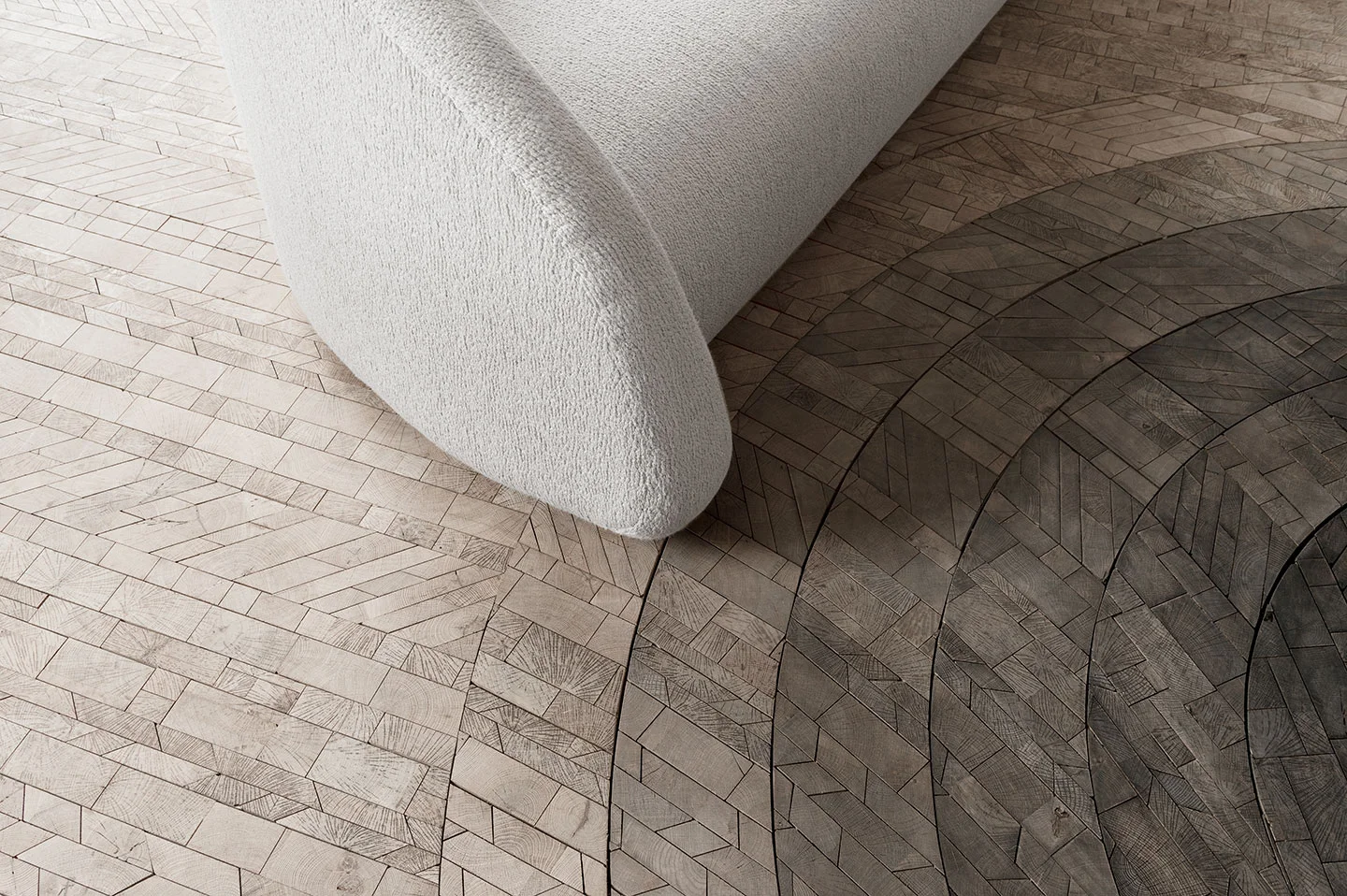
The dominant colour trends crossing over from fashion to interiors embrace rich, saturated tones that convey depth, atmospheric mood, and tailored luxury. Sterile, all-white environments are giving way to deep Burgundy, high-gloss Cherry Lacquer, and Mocha Mousse—a comforting, coffee-toned neutral. These shades bring an immediate sense of warmth and intimacy to large, open-plan architectural layouts.
These chromatic shifts mirror the runway collections of leading fashion houses, where moody, texturally complex shades dominate. When brought into the home, these tones react dynamically to light, especially when applied to natural, textured materials. A deep chocolate or warm fumed wood surface, for instance, serves as the perfect physical anchor for these saturated palettes, shifting beautifully under low, atmospheric lighting.
| Runway Colour | Interior Application | Sensory Effect |
|---|---|---|
| Burgundy | Accent walls, deep fumed oak, velvet drapery | Moody, low-lit theatrical glow |
| Cherry Lacquer | High-gloss cabinetry, polished stone, resin details | Sultry, highly reflective depth |
| Mocha Mousse | End-grain timber, warm wool upholstery, textured plaster | Warming, coffee-toned natural comfort |
How does the material crossover translate to architectural surfaces?
The material crossover between fashion and interiors is expressed through architectural surfaces that mimic the weave, texture, and grain of high-end textiles. From intricate wood parquetry that evokes the tight warp and weft of tweed to wallpapers that replicate watered silk, surfaces are treated as garments for the room. This approach elevates flat walls and floors into highly tactile, sensory experiences.
This phenomenon is illustrated by the Vivienne Westwood x Cole & Son wallpaper collection. This collaboration scales up iconic fashion graphics, hand-drawn lace, and historic fabric techniques like strié and moiré to structural proportions. By turning delicate, wearable patterns into robust wallcoverings, the collection highlights how the fluidity of fashion can permanently enrich the rigid planes of residential architecture.
Why is there a mutual rejection of fast aesthetics in both industries?
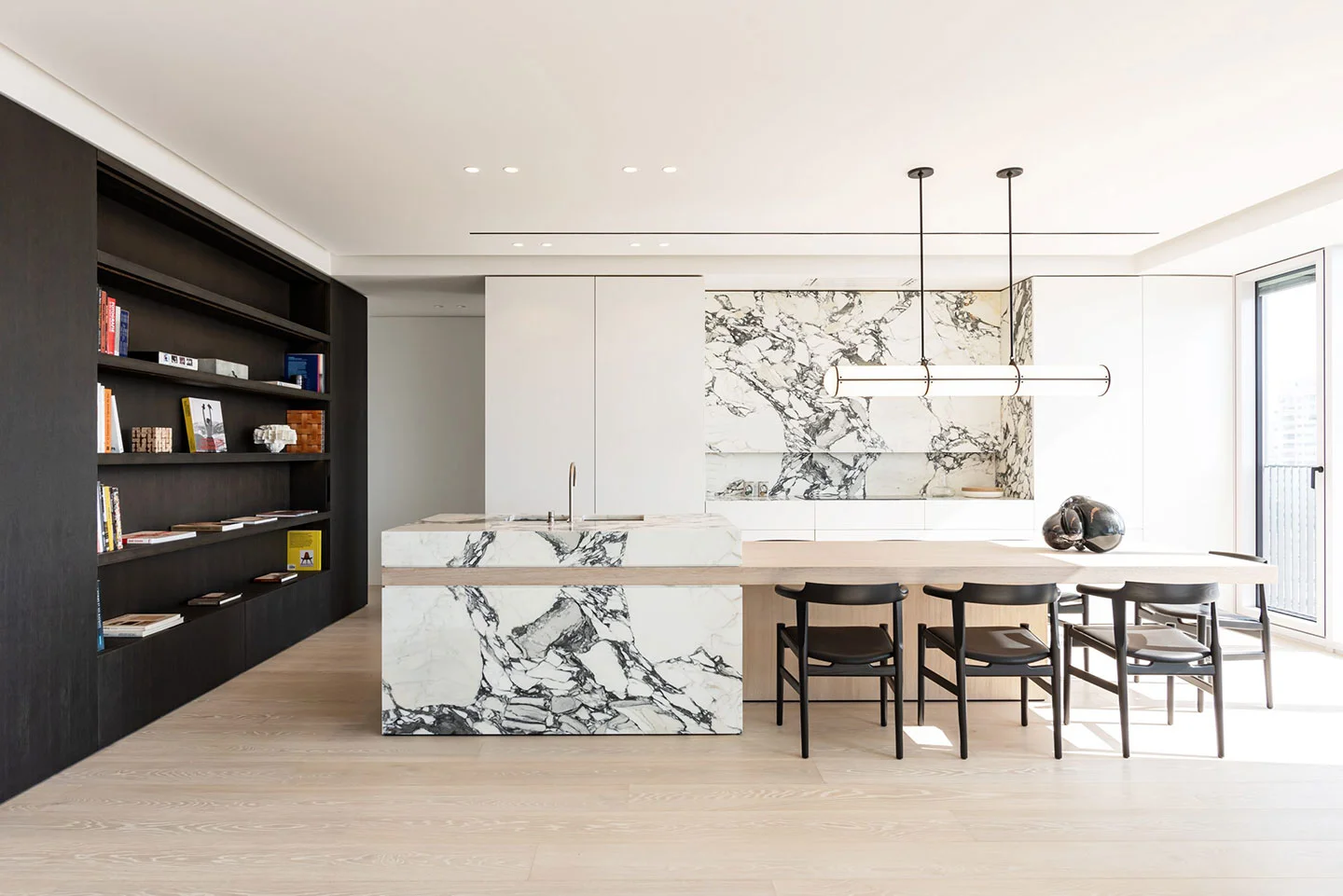
The mutual rejection of fast aesthetics in both fashion and interiors stems from a growing cultural demand for longevity, authenticity, and environmental responsibility. Discerning clients are moving away from both fast-fashion garments and cheap, temporary furniture pieces that lack character. Instead, they invest in materials that age gracefully, developing a unique, lived-in patina over decades.
This shift has caused a decline in the popularity of overexposed, synthetic textures like cheap bouclé in favor of robust, artisanal elements. Designers are increasingly specifying natural materials like travertine, burl wood, and bespoke end-grain timber. These materials do not wear out; rather, like a fine leather jacket or a tailored trench coat, they grow more beautiful and full of character with every year of use.
What is 'Maximalism for Minimalists' in interior design?
Maximalism for minimalists is a design movement that layers highly tactile, fashion-inspired textures over clean, structured architectural lines. Rather than cluttering a room with decorative objects, this style achieves complexity through the subtle interplay of physical finishes. It creates a serene, quiet atmosphere that remains rich and visually engaging under close inspection.
To execute this aesthetic, designers keep the foundational layout of a room minimal, focusing on raw geometric proportions. They then introduce subtle, tailored details—such as striped grain alignments, woven timber flooring patterns, and cast-metal transitions. The result is a highly disciplined environment that feels warm, deeply textured, and intimately connected to the hand of the maker.
Frequently Asked Questions
How do fashion trends affect interior design?
Fashion trends affect interior design by introducing new color palettes, tactile textile structures, and conceptual ideas that are later translated into permanent architectural materials. This crossover allows the emotional and sensory qualities of the runway to ground residential and commercial spaces.
What is a material crossover in design?
A material crossover in design occurs when textures, techniques, or finishes traditional to one discipline—such as the weaving methods of fashion—are adapted for another, like architectural wallcoverings or parquetry. This creates a rich, multidisciplinary tactile experience inside a space.
What are the major fashion-inspired colour trends for homes?
The major fashion-inspired colour trends for homes focus on saturated, atmospheric tones like deep Burgundy, high-gloss Cherry Lacquer, and Mocha Mousse. These shades replace cool, sterile grays and whites to provide warmth, intimacy, and theatrical low-lit luxury.
More from the Atelier
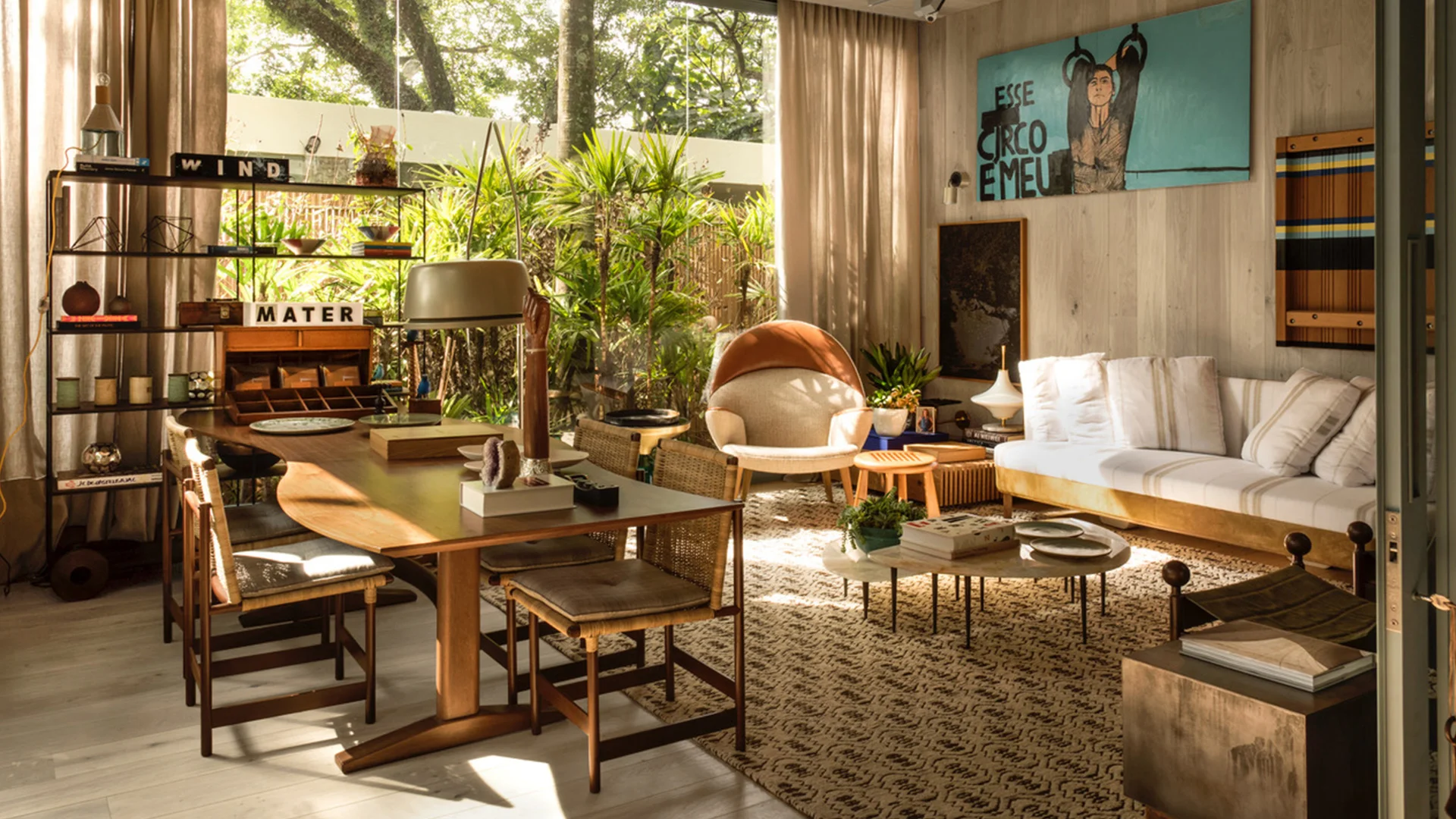
Modern Versailles Parquet & Marqueterie Trends
Discover how historic French marqueterie and Versailles parquet panels are being reinterpreted for modern commercial and residential interiors.
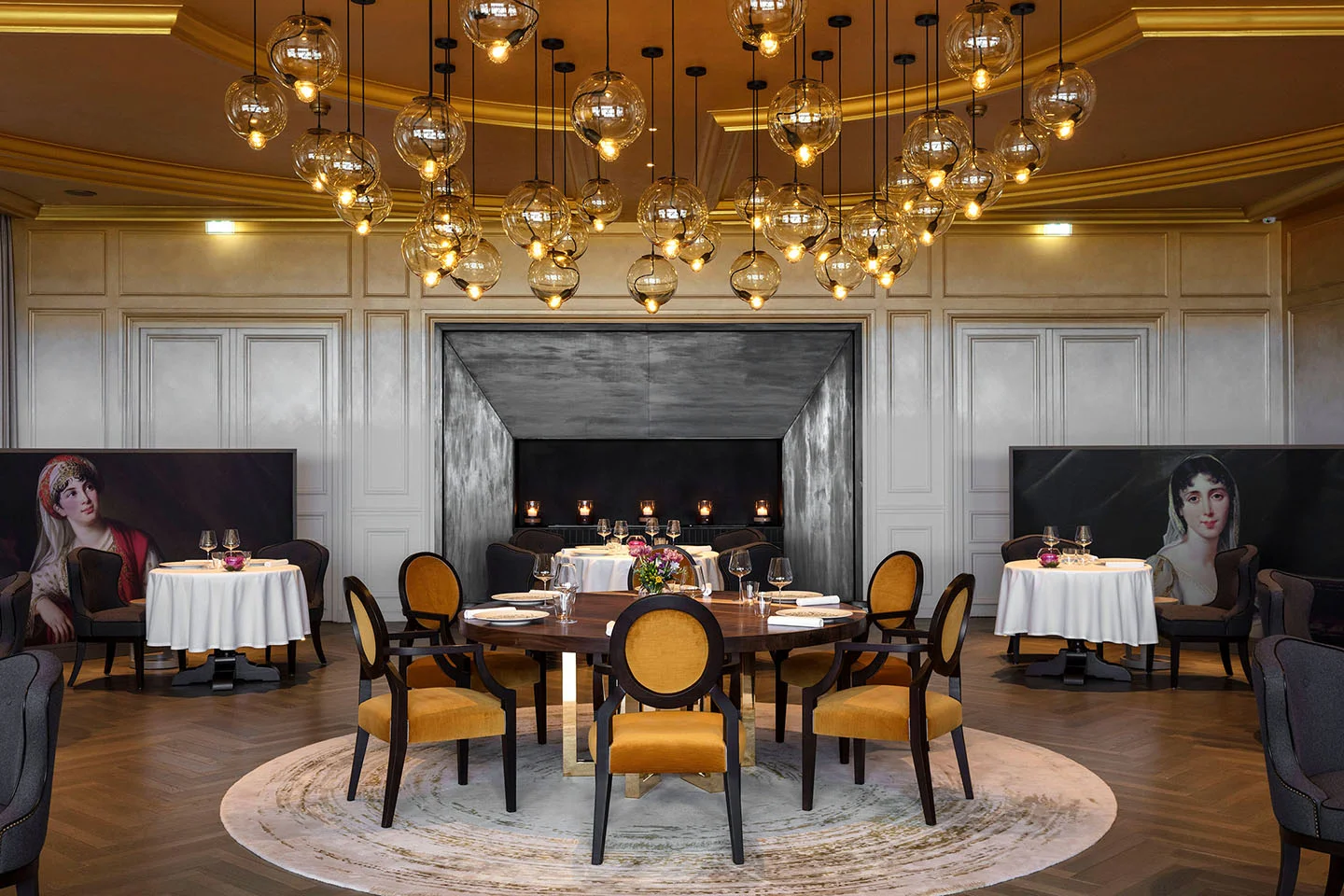
The Texture Pairing Playbook: Wood with Linen, Stone and Brass
Discover the art of balancing wood, linen, stone, and brass. This design-led guide explores how to combine these raw materials for a timeless interior.
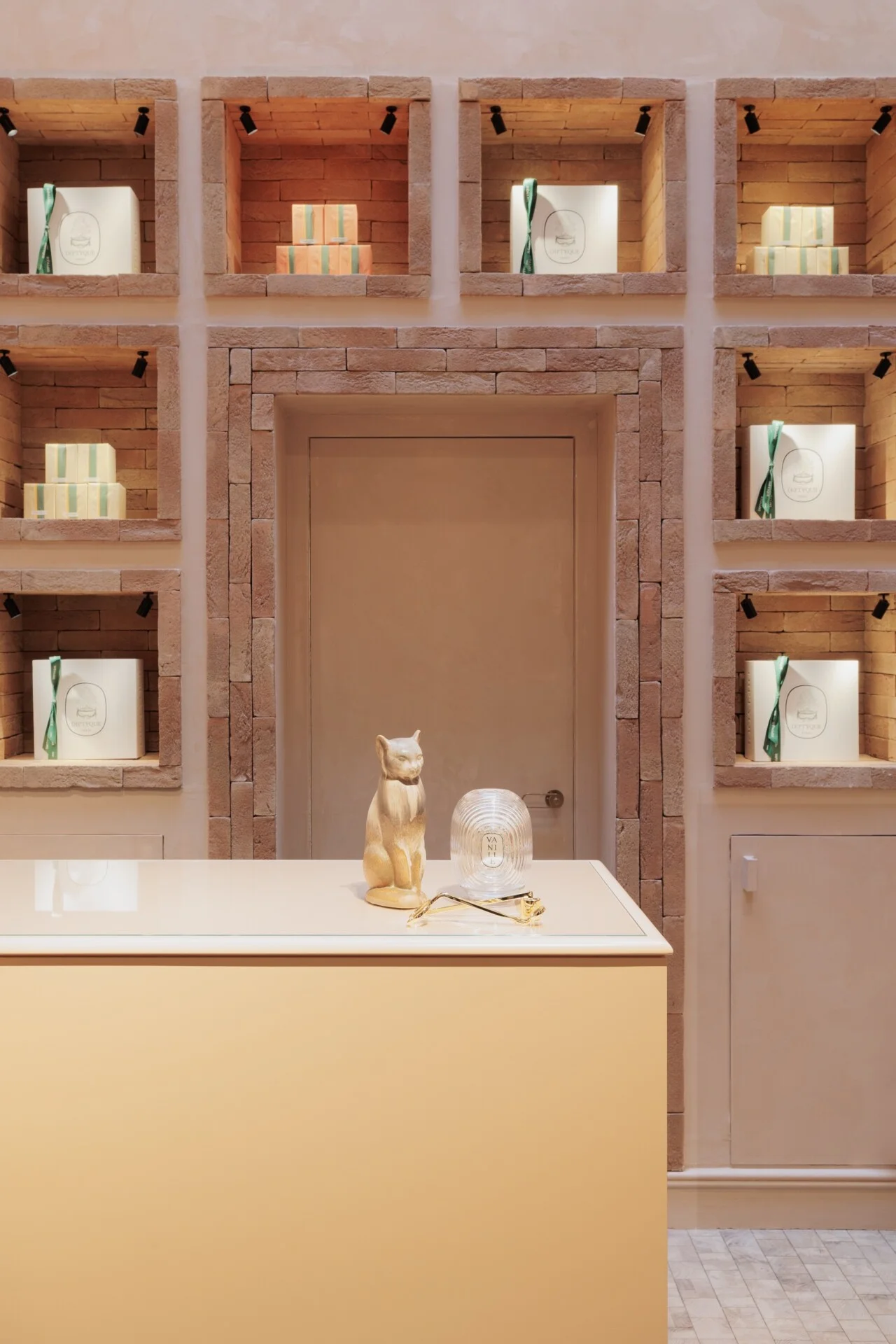
Wood Floor Direction: Which Way Should Boards Run?
An expert guide on choosing the optimal wood floor direction. Learn how natural light, entry axes, and room proportions dictate board layout.