
How Flooring Acoustics Shape the Quiet Luxury of Modern Rooms
The science of sound, high-performance underlay, and the silent grounding of end-grain wood.
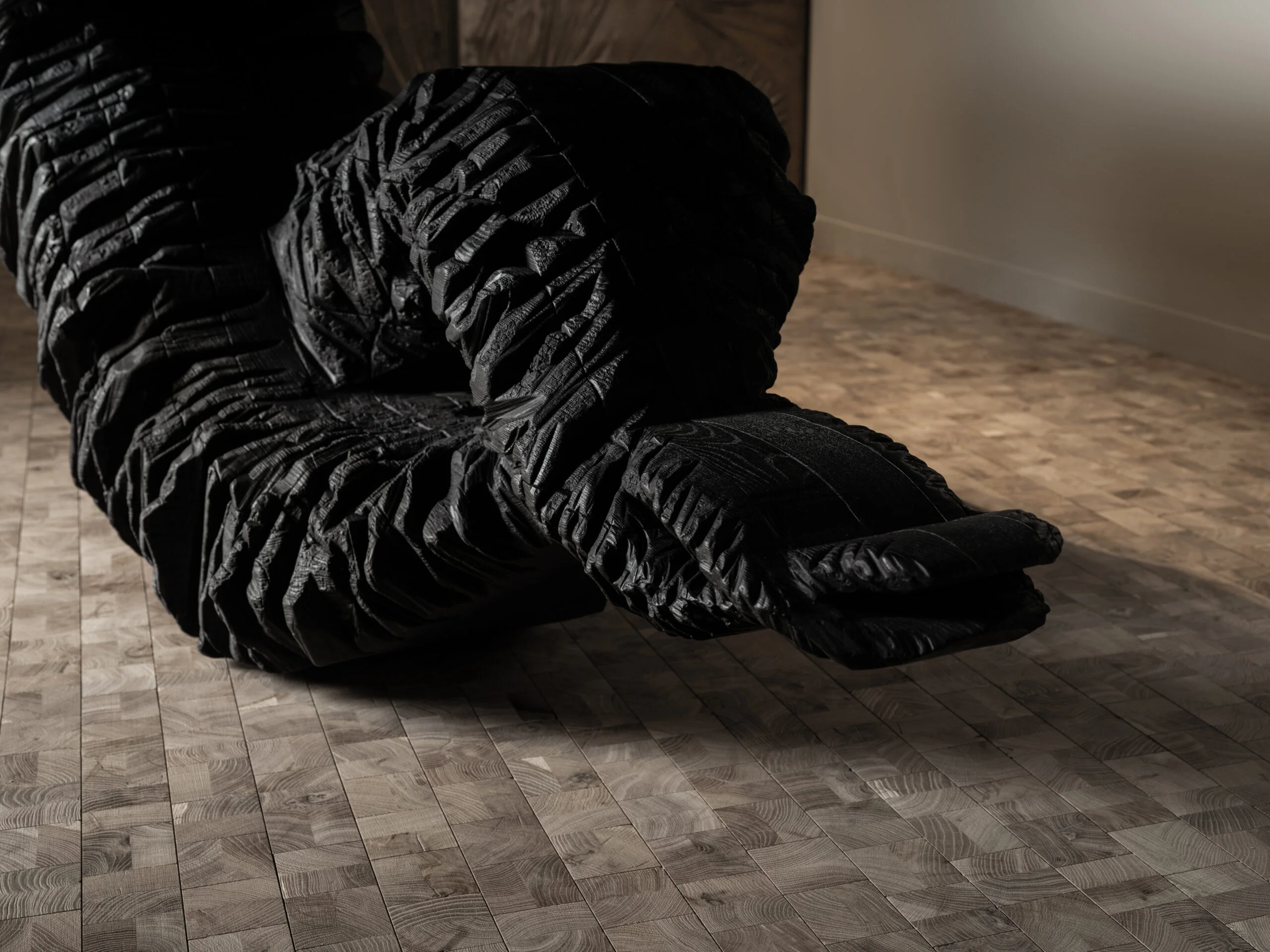
Flooring acoustics directly dictate the comfort of an interior by controlling how impact energy and airborne sound travel through a space. While standard hard floors bounce noise around a room, timber surfaces—particularly end-grain wood—and engineered underlayments work in tandem to absorb vibrations, quieten footfalls, and dramatically lower reverberation times.
- Impact vs. Airborne Sound: Sound absorption controls echoes within a room, while soundproofing blocks noise transmission between building levels.
- Cellular Absorption: End-grain wood features vertical wood fibers that naturally swallow impact energy, converting sound into microscopic kinetic heat.
- Decoupling Mechanics: High-performance acoustic underlays break the rigid contact between the floor and subfloor, isolating vibrations.
- Sensory Impact: Optimised floor build-ups replace high-pitched heel clicks with a deep, solid, and grounding footfall sound.
What is the difference between sound absorption and soundproofing?
Sound absorption refers to reducing echo and controlling sound waves within a single room, whereas soundproofing refers to blocking sound transmission between different levels or adjacent spaces. Selecting the right flooring surface alters the internal acoustics of a room, but blocking noise from traveling through the subfloor requires a dedicated acoustic underlay.
To design an acoustically serene environment, architects must address both acoustic dimensions. When sound waves hit a hard surface like concrete or marble, they bounce back, causing a high reverberation time that increases cognitive fatigue. Wood flooring offers a much lower mechanical impedance than stone or tile, meaning it inherently absorbs more airborne sound waves rather than reflecting them.
However, impact noise—such as footsteps, dropped objects, or moving furniture—presents a different physical challenge. This vibrational energy travels structurally through the floorboards and into the subfloor. According to European building standards and acoustic research, managing this transfer requires decoupling materials that isolate structural vibrations, preventing them from radiating as airborne noise in the rooms below.
Why does end-grain wood flooring absorb sound so effectively?
End-grain wood flooring absorbs sound exceptionally well because its vertical growth rings expose open wood pores that act as microscopic sound-scattering chambers. Instead of reflecting sound waves like flat-grain planks or hard stone, these vertical fibers swallow impact energy and scatter acoustic reflections, resulting in a deeper, more muted footfall sound.
In traditional flat-grain planks, the wood fibers run parallel to the surface, creating a tighter, more reflective plane. End-grain blocks, however, are cut horizontally across the tree trunk, leaving the ends of the tubular wood cells exposed to the room. These open capillaries act as natural shock absorbers, compressing microscopically under weight and dampening the acoustic energy of foot traffic.
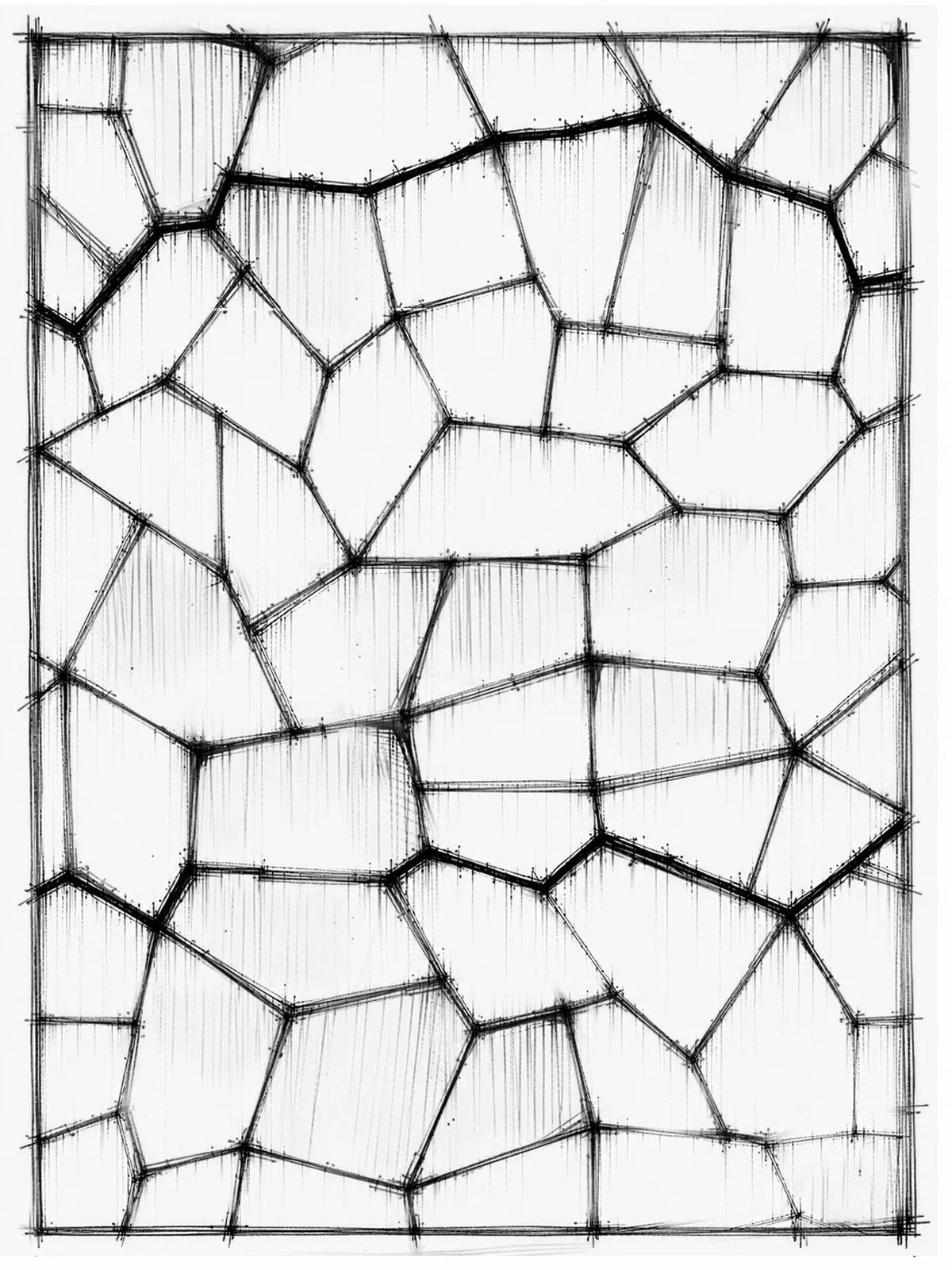
This remarkable acoustic performance is why end-grain wood has a rich history in high-traffic, industrial-scale spaces. In the nineteenth century, the streets of Paris were paved in end-grain oak blocks to dampen the deafening clatter of iron carriage wheels against stone. In modern design, this physics-based benefit has been utilized in major commercial projects; for example, the Bill & Melinda Gates Foundation headquarters in Seattle famously installed 42,000 square feet of end-grain flooring specifically to introduce acoustic comfort and warmth to its vast, open-plan collaborative areas.
How does an acoustic underlay improve flooring acoustics?
An acoustic underlay improves flooring acoustics by decoupling the finished wood floor from the rigid subfloor, effectively dampening impact vibrations before they enter the building's structural envelope. This layer utilizes highly elastic materials—such as recycled rubber, natural cork, or high-density polyolefin foam—to isolate mechanical shock and quieten airborne sound.
The secret to a quiet hard floor lies in this invisible engineering beneath the surface. Without an underlayment, a wood floor glued directly to a concrete slab forms a rigid bridge that conducts sound waves with very little resistance. By introducing an acoustic underlay, you create a break in this transmission path, absorbing the kinetic energy of footsteps.
In high-density luxury residential and commercial developments, acoustic building codes often dictate strict performance targets, requiring floor-ceiling assemblies to achieve an Impact Isolation Class (IIC) rating of 50 or higher to ensure acceptable living conditions. Selecting the appropriate underlayment depends on the subfloor composition, the wood thickness, and the installation method. Below is a comparison of common acoustic underlayment materials:
| Material Type | Typical Thickness | Estimated IIC Rating Range | Optimal Application |
|---|---|---|---|
| Recycled Elastomeric Rubber | 3mm – 5mm | 52 – 58 | Heavy commercial, hospitality, and concrete subfloors |
| Natural Cork | 2mm – 6mm | 50 – 55 | Eco-conscious residential and glue-down wood flooring |
| High-Density Polyolefin Foam | 2mm – 3mm | 50 – 54 | Floating floor systems and lightweight residential builds |
| Acoustic Felt (Recycled Fiber) | 3mm – 4mm | 51 – 56 | Aged subfloors requiring minor leveling and sound isolation |
What does quiet flooring feel like in high-end design?
Quiet flooring in high-end design transforms an interior from a resonant, echoing space into a serene, sensory-grounded sanctuary. It replaces the sharp, high-pitched "clack" of heels with a solid, muted "thud," introducing an atmosphere of "affective simplicity" that lowers cognitive stress and enhances architectural intimacy.
Acoustic serenity is a cornerstone of luxury design, particularly in minimalist spaces dominated by hard surfaces like glass, steel, and concrete. When a floor is properly optimized for acoustics, the physical sensation of walking changes. The surface feels dense, unyielding, and incredibly solid, yet possesses a microscopic elasticity that absorbs the impact of your stride.

This auditory dampening pairs beautifully with tactile and visual design choices. Matte, non-reflective wood finishes absorb ambient light in the same way the wood fibers absorb sound, creating a soft, textured plane that anchors the entire room. Stepping from a loud, echoing urban environment into an acoustically balanced room provides instant sensory relief, making the air feel heavier, stiller, and more private.
Solid vs engineered wood flooring — which has better acoustic qualities?
Engineered wood flooring generally offers superior acoustic qualities compared to solid wood because its multi-layered composition disrupts sound wave propagation. The alternating grain directions of the plywood or HDF core layers absorb and dissipate vibration energy more efficiently than a single, homogeneous solid board.
A solid wood board acts as a continuous medium, allowing sound waves to travel through its mass with relatively low resistance. In contrast, engineered wood consists of multiple layers of timber bonded together under pressure. Because sound waves must pass through multiple density boundaries and glue lines, the vibration loses energy at each interface, reducing the overall acoustic transmission.
Furthermore, engineered wood is highly compatible with elastomeric adhesives. When installed using a full-spread glue-down method with silane-modified polymer adhesives, the glue itself acts as an additional elastic dampening layer. This eliminates the air pockets often found beneath floating installations, which can act as miniature resonance chambers and amplify hollow, echoing sounds.
Frequently Asked Questions about Flooring Acoustics
How do I reduce the echoing sound in a room with hardwood floors?
To reduce echoes, select wood surfaces with high natural absorption, such as end-grain timber, and ensure the floor is installed using a full-spread elastic adhesive. Additionally, incorporating soft textures, matte finishes, and wall-mounted acoustic panels will help scatter airborne sound waves and lower reverberation times.
What is an IIC rating in flooring acoustics?
The Impact Isolation Class (IIC) is a standardized laboratory rating that measures a floor-ceiling assembly's ability to resist the transmission of impact sound, such as footsteps or dropped objects, to the room below. A higher IIC number indicates greater sound-dampening performance, with ratings above 50 generally required for luxury multi-family buildings.
Can you make a wood floor completely silent?
While no hard floor can be completely silent, combining high-density acoustic underlayments, elastic adhesive bonding, and end-grain wood surfaces can reduce footfall noise to a barely perceptible, solid thud. Eliminating subfloor unevenness and using proper expansion gaps also prevents the friction squeaks common in older installations.
Does the installation method affect hardwood floor sound?
Yes, the installation method has a significant impact on floor acoustics. A full-spread glue-down installation using elastic silane-polymer adhesives offers far superior sound dampening compared to a floating floor, which can trap air pockets underneath and create a hollow, echoing sound when walked upon.
More from the Atelier

Restoring an Old Parquet Floor: Is It Worth Saving?
Discover how to assess, repair, and preserve historical parquet floors. Learn the difference between aggressive modern sanding and furniture-grade conservation.
Why Does a Squeaky Wood Floor Happen, and How Do You Fix It?
A deep dive into why wood floors squeak, exploring the physics of timber friction, seasonal humidity, and the structural remedies that restore quiet luxury.

How Is Parquet Installed? Glue-Down vs Floating Floors
Demystify the choice between glue-down and floating parquet installations. Explore how these fitting methods impact acoustics, thermal efficiency, and longevity.