
How Long Does Wood Flooring Last? Lifespan by Type
A wood floor's life is set by how much wood it has to give, how it is finished and how the room is kept.
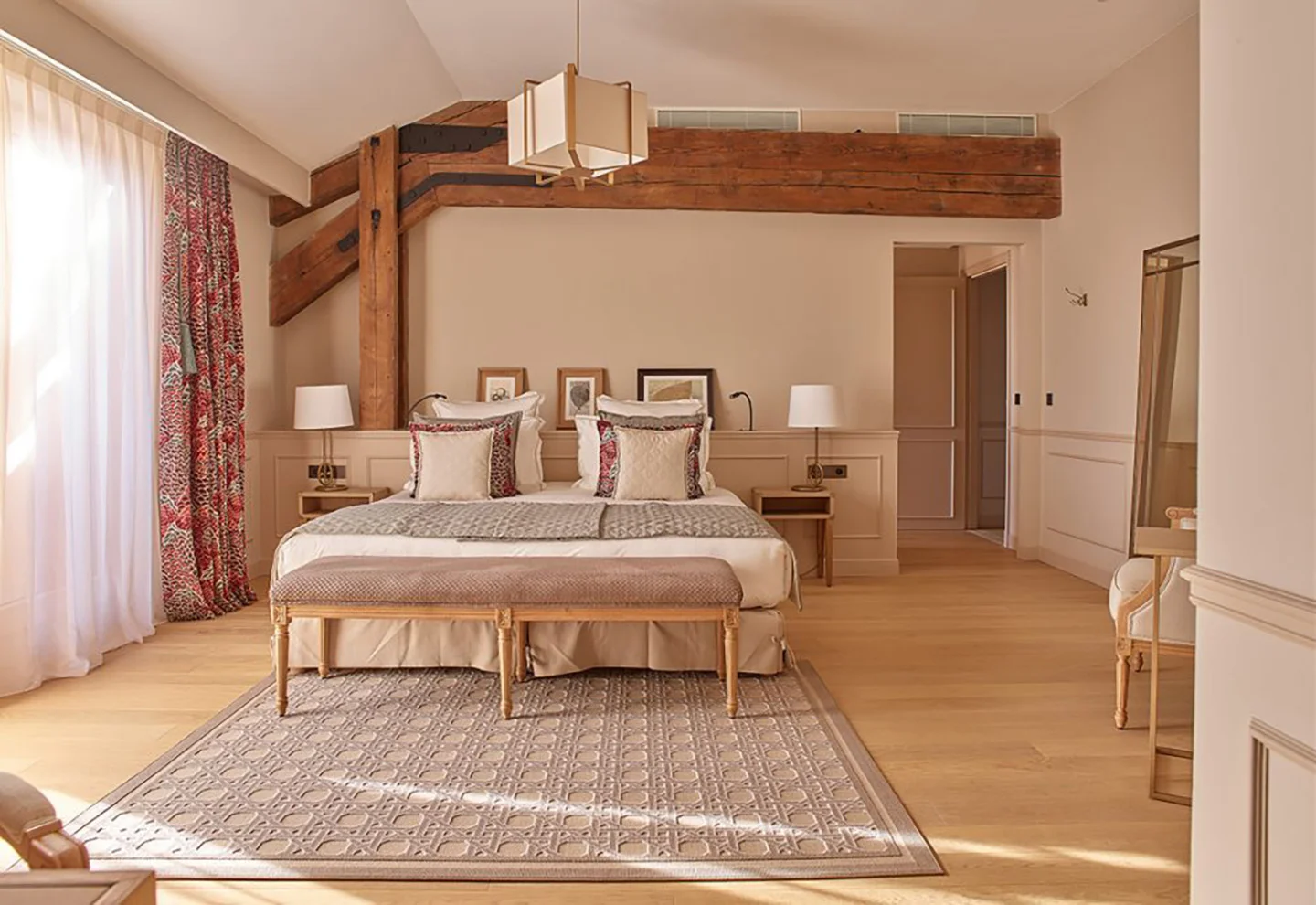
A well-made wood floor lasts for decades and often for generations. Solid boards and engineered boards with a thick top layer can be sanded and refinished several times, so they outlive many finishes; thin veneers wear through and have to be replaced. What decides the lifespan is how much wood sits above the joint, how the floor is finished and how steady the room's humidity is, more than the species.
The proof is underfoot in older cities: parquet laid in Paris apartments in the nineteenth century is still walked on today, sanded and refinished many times over.
How long does wood flooring last by type?
| Type | Typical life | Can it be sanded? | Main weakness |
|---|---|---|---|
| Solid wood boards | Generations | Many times, down to the tongue | Moves more with humidity and heat |
| Engineered, thick top layer (around 4 mm or more) | Decades, comparable to solid in daily use | Several times | Damp subfloors and standing water |
| Engineered, thin veneer (1 to 2 mm) | The life of its first finish, or a little more | Once lightly, at most | Wear through the veneer |
| End grain blocks | Generations | Yes, sanded in place | Reacts quickly to moisture |
| Laminate (a photo of wood, not wood) | Until the surface wears | No | Cannot be renewed |
The ranges are wide because use matters as much as construction. The same floor lasts longer in a bedroom than in a shop entrance, and longer in a room kept at steady humidity than in a house that is heated hard in winter and left damp in summer.
Why does the top layer decide a floor's lifespan?
Every wood floor wears at the surface, and every full sanding takes a thin layer of wood away to reach clean timber again. The number of times a floor can be renewed is therefore set by how much wood sits above the tongue and groove. On solid boards that is a generous amount. On engineered boards it is the top layer: a few millimeters of real wood allows several sandings over the floor's life, while a veneer of a millimeter or two allows a light one at most.
This is why the thickness of the top layer is the first thing to read on a spec sheet. Droit, a straight oak board, is 12 mm thick with a 4 mm oak top layer, in 150 mm or 190 mm widths.
Why does end grain flooring last longer?
End grain blocks are cut across the trunk, so you walk on the ends of the wood fibers rather than along their sides. Traffic grinds against fiber tips instead of tearing fibers away, so the surface wears slowly and evenly, and dents from furniture and heels are less likely than on side grain of the same wood. The marks it does collect blend into the rings and the variation from block to block.
Opus, an endgrain oak floor based on nineteenth-century Parisian oak paving, has an 8 mm endgrain top layer on 12 mm birch plywood. It is rated usage class 34, for very heavy commercial traffic, one step above the class 33 of OscarOno Paris's plank floors.
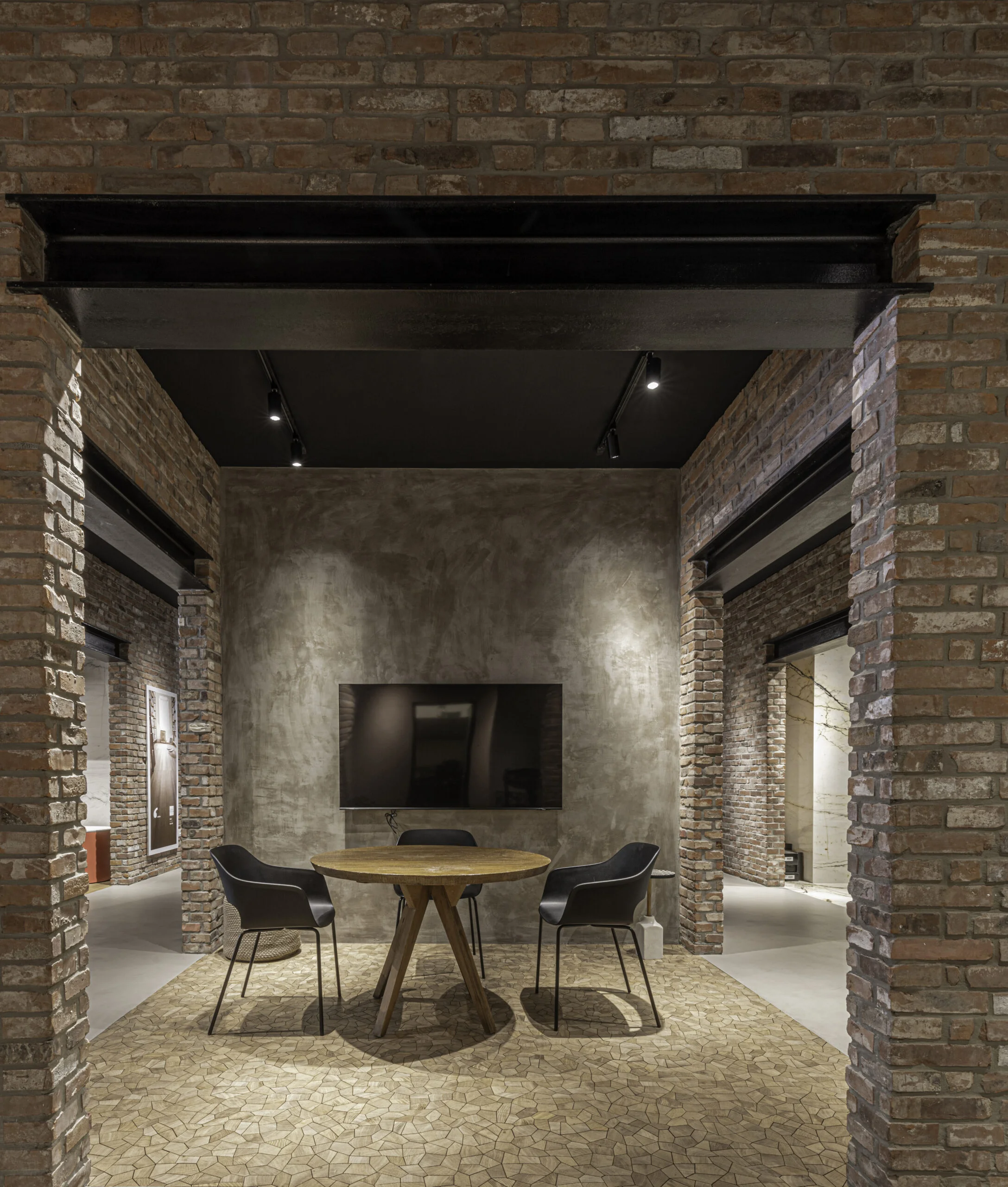
In the Parqueteam showroom in Israel, Opus in a natural finish shows the rings and irregular pieces that let an end grain surface wear evenly and hide the marks it collects.
How often does a wood floor need refinishing?
Less often than most people expect, if the finish is looked after. A full sand-and-refinish is for deep scratches, damage, or a change of color. Between those moments, the finish is what wears, and it can usually be renewed without touching the wood.
- Lacquered floors show wear first in traffic lanes. Caught before the lacquer wears through to bare wood, the surface can usually be lightly abraded and recoated, with no full sanding.
- Oiled floors are refreshed with a maintenance oil from time to time, and small scratches can be repaired locally, so a full sanding is rarely needed.
The Essentiel floors, Droit among them, come in twelve lacquered colors, so their care is the care of a lacquered floor: keep grit off the surface and recoat the finish before it wears through.
What shortens a wood floor's life?
Water does the most damage, and it rarely arrives as a flood. A slow leak under a sink, a damp screed that was never dry when the floor went down, plant pots and pet bowls left standing: each lets moisture into the wood, which swells, cups or stains in ways a sanding cannot always undo.
After water come wide swings in indoor humidity, which make boards shrink and swell season after season; grit carried in on shoes, which acts like sandpaper; and furniture dragged without felt pads. A good installation removes the rest of the risk: a dry, flat subfloor, and wood left to settle in the room before it is laid.

Shops are the hardest test for a floor. In the Boutiques Caroll store in Paris, Droit in a natural finish runs between the clothing rails, where street grit comes straight in from the door. In a space like this, mats at the entrance and regular dry cleaning are what protect the finish.
Does a wood floor last as long over underfloor heating?
It can, if the floor is built for it and the heating is run within limits. Engineered boards, with their cross-layered backing, move less than solid boards as the floor warms and cools, which is why they are the usual choice over heating. Keep the surface temperature within the limit the flooring maker sets, and keep indoor air from becoming very dry in winter, and the floor will age at the same pace as any other.
Frequently asked questions
How many times can a wood floor be sanded?
It depends on how much wood sits above the tongue and groove. Solid boards can be sanded many times; engineered boards with a top layer of around 4 mm or more can be sanded several times; a thin veneer of 1 to 2 mm allows one light sanding at most. A careful sander removes as little wood as possible each time.
Does engineered wood flooring last as long as solid wood?
With a thick top layer, it does in practice: you walk on the same oak, and it can be sanded several times. The difference is how many full sandings it allows over its life. Engineered boards with a thin veneer do not last as long, because the veneer wears through.
What ruins a wood floor fastest?
Water. Slow leaks, damp subfloors and liquid left standing cause swelling, cupping and staining that sanding cannot always remove. Grit on shoes and furniture dragged without pads come next, because they wear through the finish.
Does end grain flooring last longer than plank flooring?
Yes. Traffic wears against the ends of the fibers instead of tearing them, so end grain wears more slowly and evenly. OscarOno Paris's endgrain floors are rated usage class 34, for very heavy commercial traffic, against class 33 for its planks. It is still wood, so a heavy sharp load can mark it.
OscarOno Paris floors and how long they last
OscarOno Paris's floors are built with the wood to be renewed. Droit is 12 mm oak with a 4 mm top layer, usage class 33. Opus has an 8 mm endgrain oak top layer on 12 mm birch plywood, usage class 34. Both carry a Cfl-s1 fire rating and are FSC and PEFC certified. Spec sheets, CAD and 3D files are in the library, and you can order samples to see the finish in your own light.
More from the Atelier
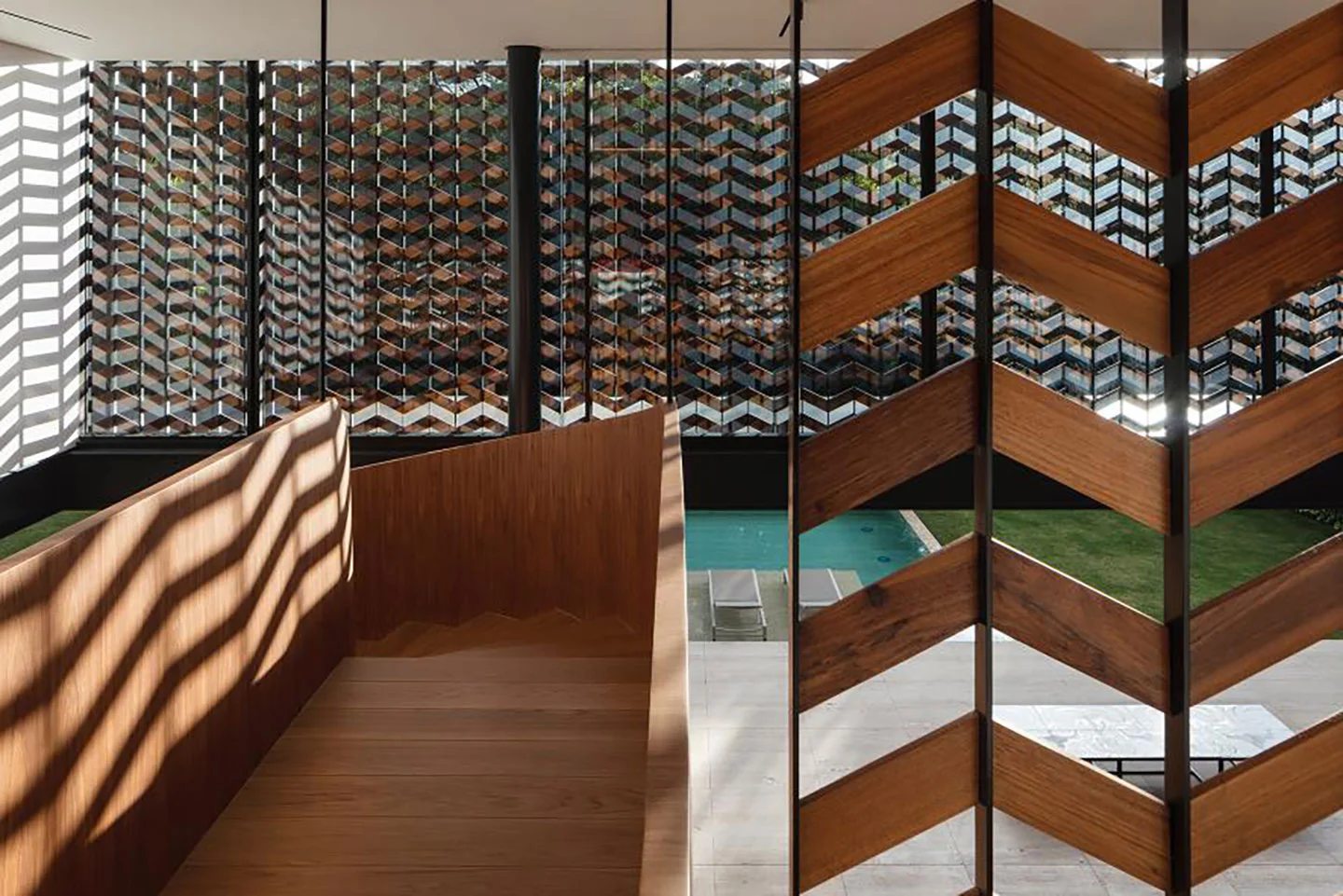
Protecting End Grain Wood Block Flooring from UV Fading
Discover the science of oak photodegradation and how to protect end-grain wood floors from UV fading using advanced varnishes and architectural design.
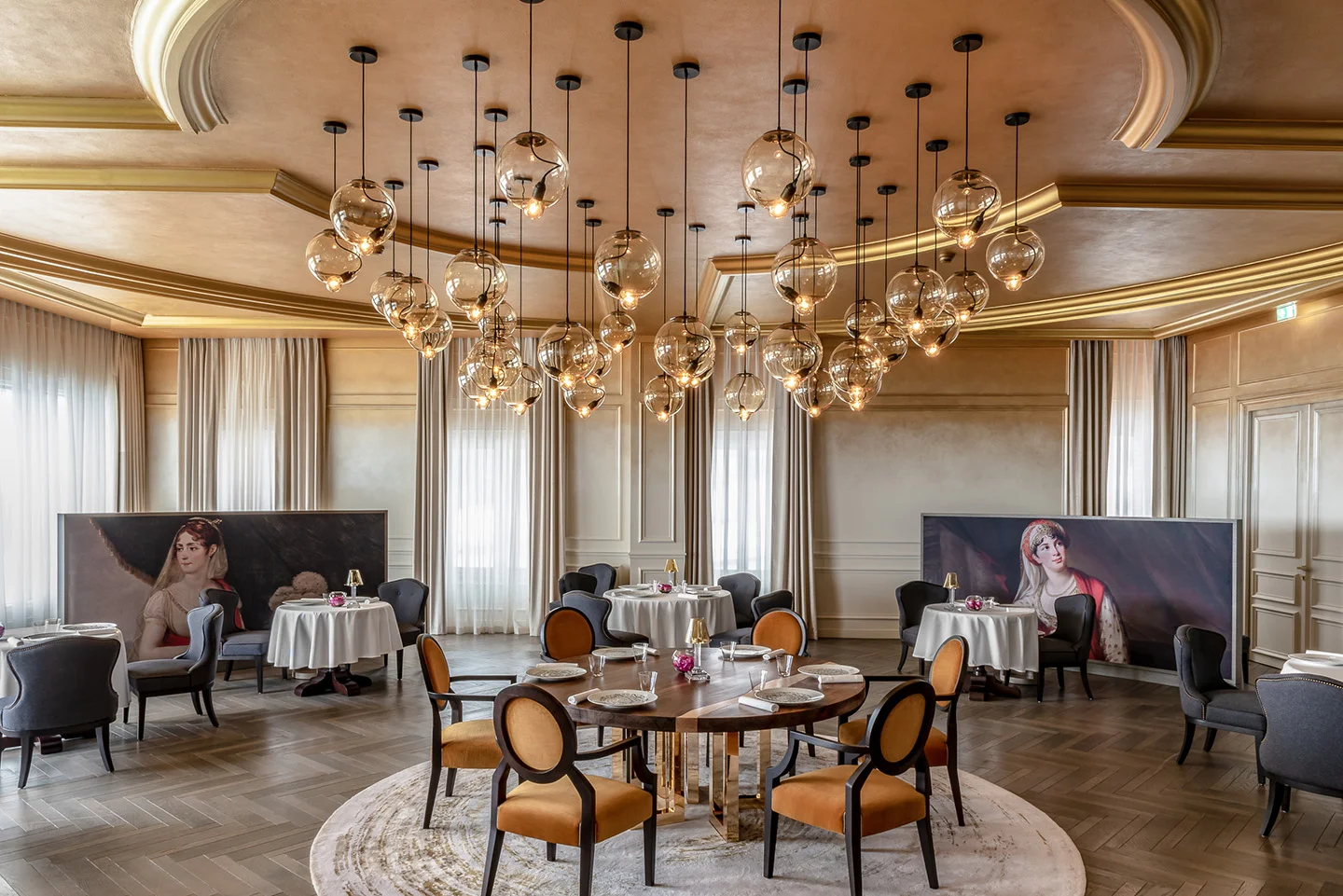
Parquet Floor Restoration: Is an Old Parquet Floor Worth Saving?
Loose blocks, gaps, stains and a worn finish can all be put right. How to tell whether an old parquet floor is worth restoring, what the work involves, and when it is not.
Squeaky Wood Floors: Why They Squeak and How to Fix Them
A squeak is friction: wood on wood, wood on a nail, or a subfloor moving on its joists. Find which one it is and the fix follows.