
Monotile Parquet Pattern: Non-Repeating Geometric Wood Floors
How a single component builds infinite, non-repeating parquet tessellations.
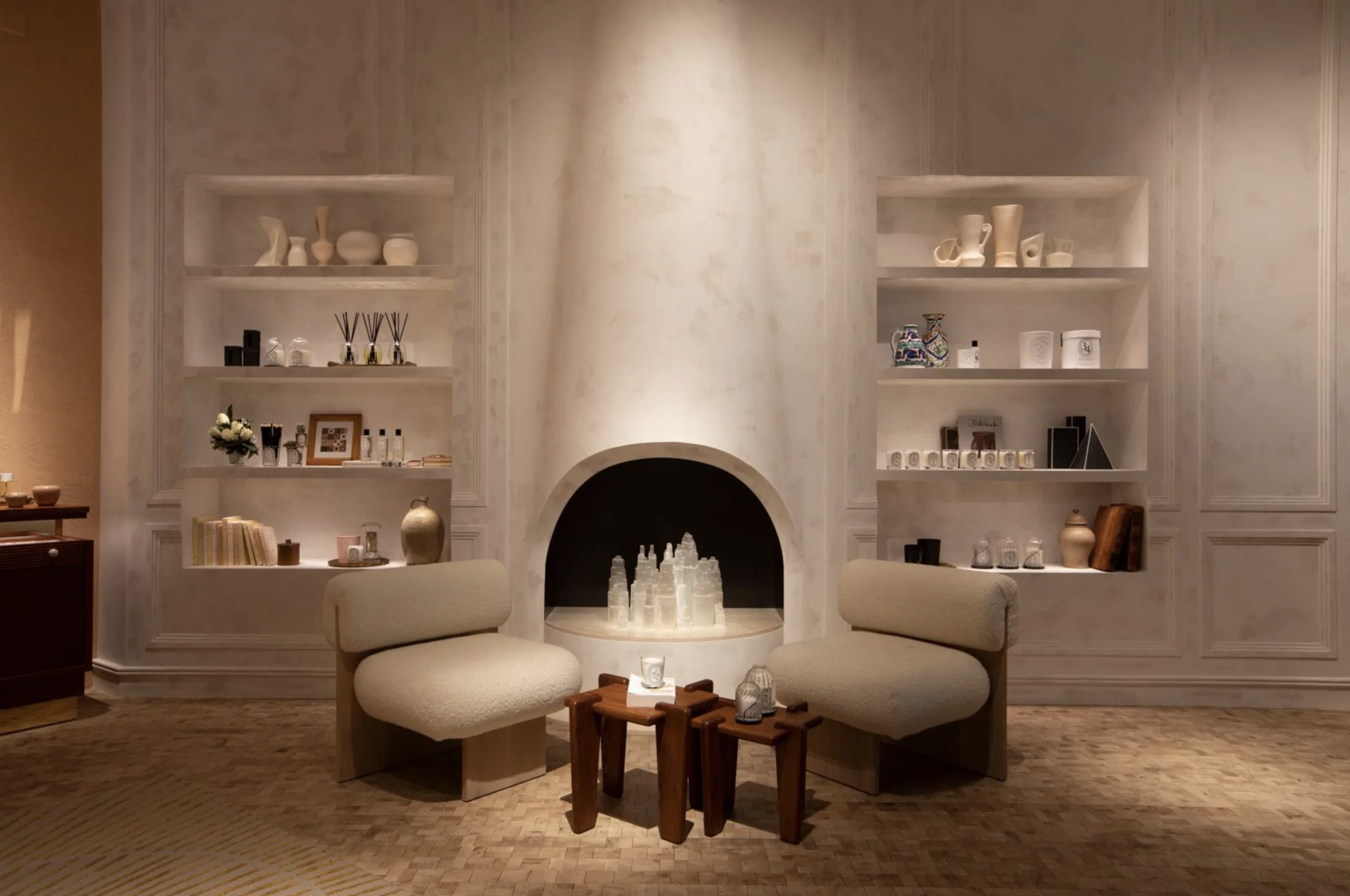
A monotile parquet pattern uses a single geometric shape to assemble a continuous wooden floor that never repeats its layout. By applying mathematical principles of aperiodic tiling to interior architecture, this approach replaces classical repeating grids with fluid, organic surfaces. In modular end-grain oak, the resulting surface balances mathematical discipline with natural timber variance.
What is an aperiodic wood flooring system?
An aperiodic wood flooring system relies on tile geometries that cover a surface completely without forming a repeating translational grid. While classical parquet systems like herringbone or chevron lock rooms into predictable geometric cycles, aperiodic assemblies create layouts where no two sections align identically across the floor plane.
In pure mathematics, the discovery of a single shape that tiles an infinite plane without repetition, often described as an einstein tile from the German words for one stone, resolved a decades-long theoretical challenge. When translated into interior architecture, the concept liberates architectural surfaces from rigid cadence. The eye travels across the floor without catching a repetitive rhythm, allowing the timber surface to feel expansive and continuous.
Translating theoretical tessellations into real-world architecture requires balancing computational geometry with practical jobsite execution. While an infinite mathematical proof assumes frictionless planes, architectural interiors require stable modules with precise edge tolerances. A modular timber system achieves the visual effect of infinite variation by allowing architects to configure individual components into fluid layouts, ranging from ordered minimalism to dense, intricate rhythms.
How does a geometric end grain chevron break traditional repetition?
A geometric end grain chevron deconstructs the linear directionality of classical parquet by turning the angled board into an independent, modular component. In historical point de Hongrie, planks are mitered at fixed angles and laid tip to tip, creating uninterrupted zigzags that force linear perspective down a corridor or salon.
By reducing this angled chevron silhouette to an autonomous end-grain block, the pattern ceases to be an unbending directional track. Designers can orient the same unit in varying directions, breaking the continuous line while preserving the crisp discipline of angled cuts. The wood surface transitions from a predictable directional rhythm into an architectural field of geometric movement.
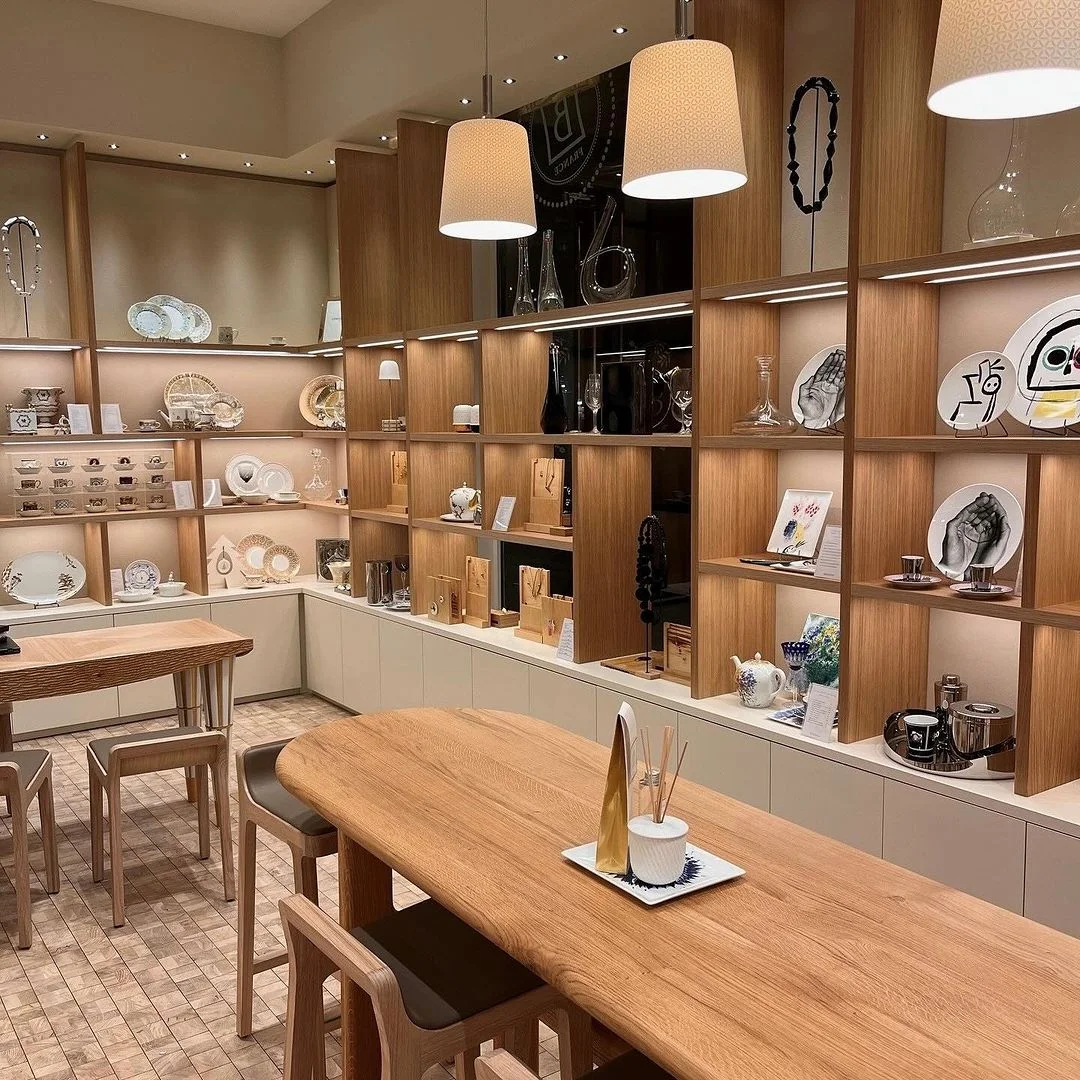
This geometric reconfiguration is visible across projects that explore modular geometry. At the Bernardaud in Bordeaux boutique, modular end-grain blocks from the Cube collection establish a clean geometric matrix that supports heavy daily retail traffic while highlighting the natural annular rings of European oak.
Why does modular end-grain oak suit complex geometric tessellations?
Modular end-grain oak is uniquely suited to intricate geometric tiling because cutting across the growth rings changes both the structural behavior and visual depth of the timber. In conventional flat-grain boards, wood fibers run horizontally along the surface, exposing long grain lines that expand and contract unevenly across their width and length when atmospheric humidity shifts.
Cutting timber across the grain exposes the open vertical capillary structure of the tree, presenting the hardest face of the wood upward. Under compressive foot traffic, end-grain fibers absorb load vertically, much like the oak street paving blocks used across nineteenth-century Paris. This vertical fiber orientation provides exceptional compressive durability, preventing surface indentation in commercial and residential settings alike.
From a mechanical perspective, engineered end-grain construction stabilizes the natural movement of the wood. Natural oak responds to shifts in relative humidity through radial and tangential movement. By bonding an end-grain oak top layer to an engineered birch plywood backing, multidirectional stresses are restrained. This stability is critical for non-repeating layouts where blocks meet at shifting angles rather than along uniform tongue-and-groove lines.
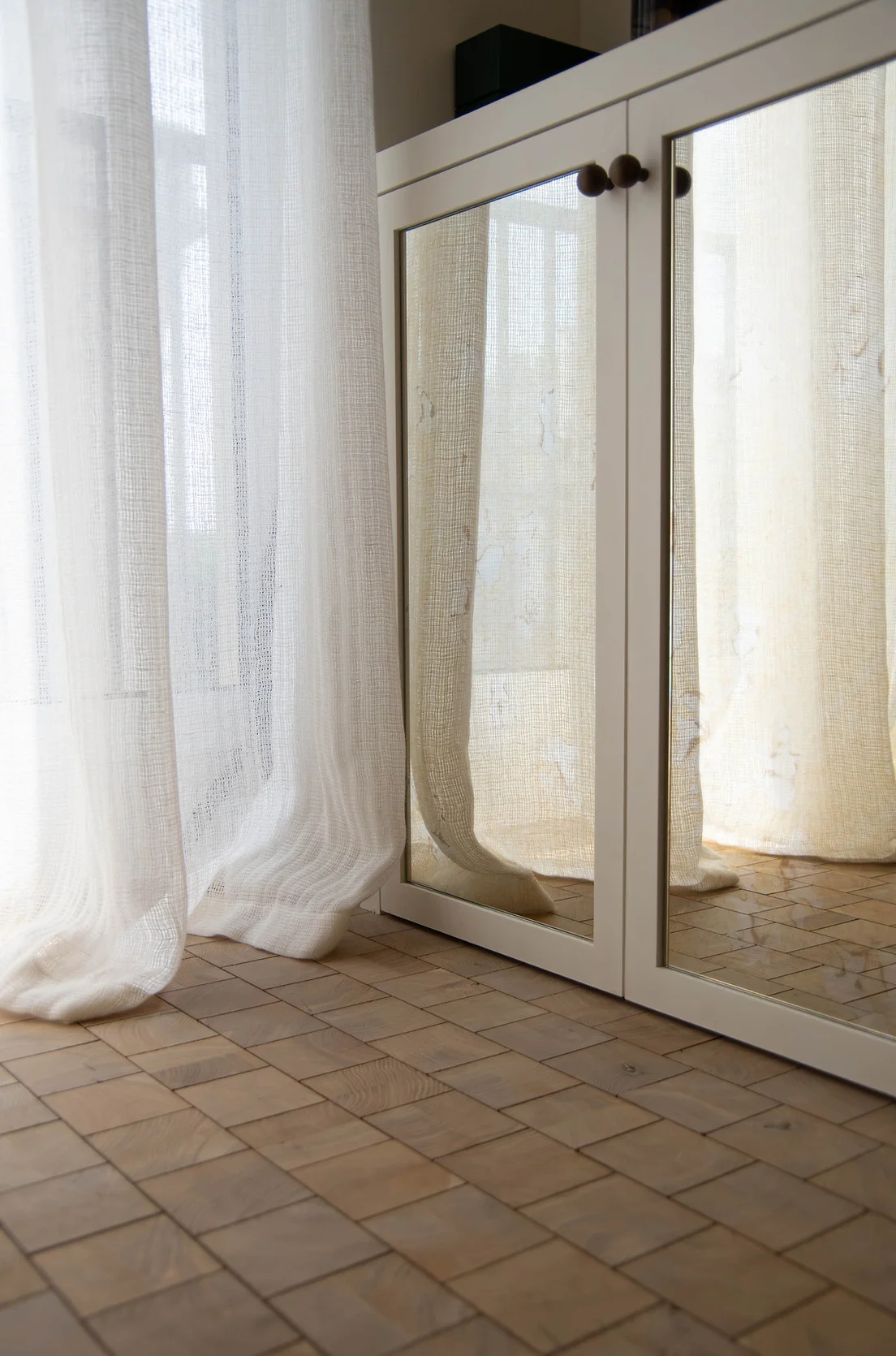
In the residential interior at Sablons in Paris, modular end-grain blocks sit directly against stone surfaces. The clean, unyielding lines of the wood blocks demonstrate how engineered end-grain construction maintains structural integrity alongside contrasting mineral materials.
Comparing classical parquet layouts and aperiodic modular systems
Choosing between classical parquet and modular aperiodic systems involves evaluating both geometric expression and physical performance:
| Feature | Classical Flat-Grain Parquet | Aperiodic End-Grain Systems |
|---|---|---|
| Pattern Geometry | Fixed repetitive modules (herringbone, chevron) | Single modular block arranged in fluid layouts |
| Visual Repetition | Translational repeat across fixed intervals | Continuous, non-repeating or custom cadences |
| Grain Orientation | Flatgrain or select horizontal fibers | Vertical end-grain annular rings facing upward |
| Wear Durability | Usage class 33 (heavy commercial traffic) | Usage class 34 (very heavy commercial traffic) |
| Surface Texture | Lacquered smooth grain | Tactile cross-cut fiber texture |
| Adjoining Transitions | Standard perimeter borders and thresholds | Direct coordination with tandem plain boards |
How does the monotile parquet pattern function on an architectural jobsite?
On an active project, installing a modular end-grain parquet requires strict adherence to subfloor preparation and joint tolerances. Because the pattern relies on precise block-to-block alignment across complex angles, any irregularity in the subfloor telegraphs through the surface joints.
Precision-milled modules allow joints to sit under 1 mm without visible gaps. Installers can leave joints open or choose an optional filling with LignoFusion in brown or black to create a smooth, unified plane that seals the fine seams between angled blocks. Applying this treatment highlights the geometry while guarding against dust ingress in high-traffic commercial environments.
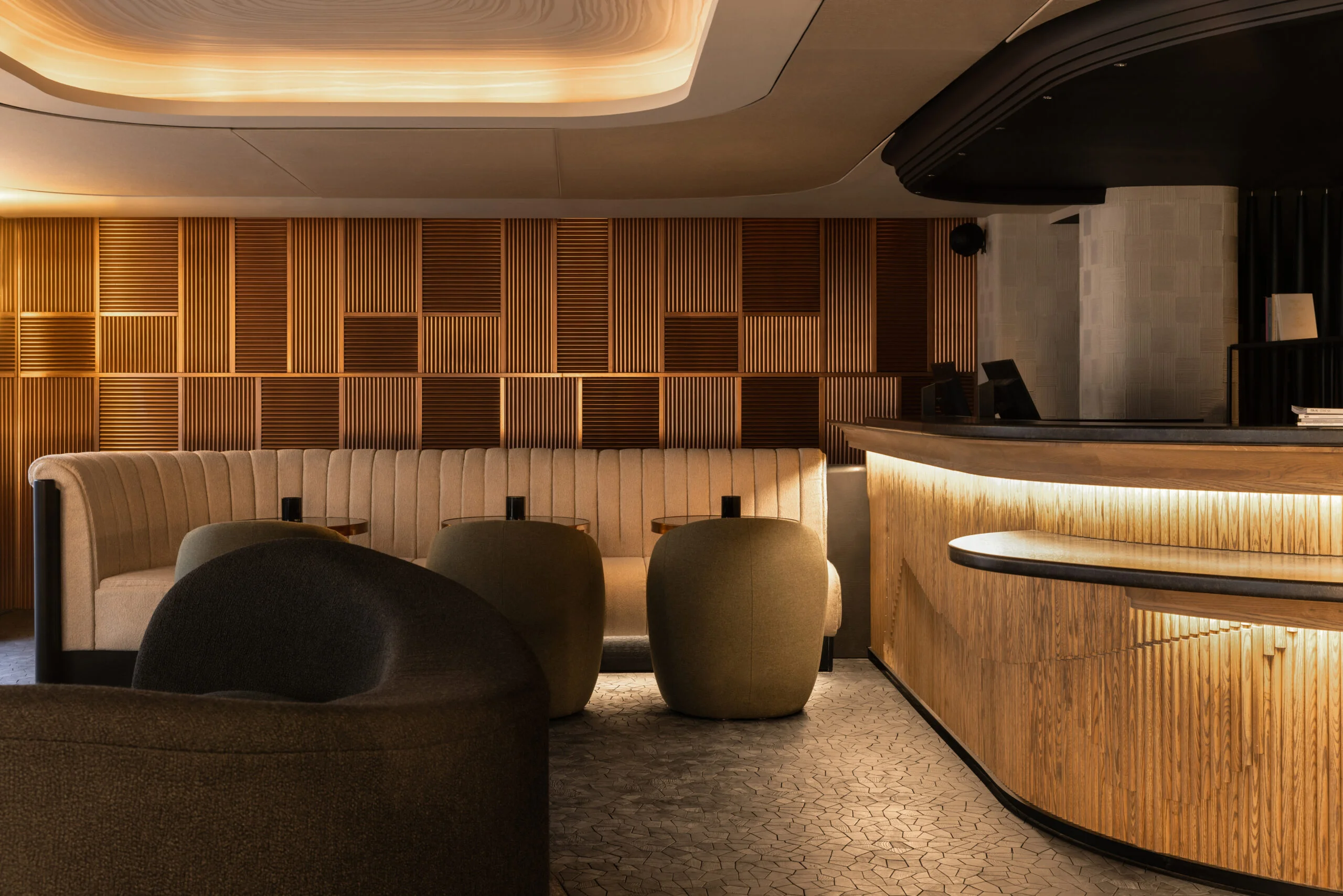
At the Hotel Dame des Arts in Paris, dark end-grain oak flooring demonstrates how deep finishes unify modular wood surfaces into a cohesive, quiet architectural canvas under demanding hospitality conditions.
Engineering the Élément collection at OscarOno Paris
At OscarOno Paris, the mathematical concept of the aperiodic monotile comes to life in the Élément collection. Élément reduces the chevron pattern to a single end-grain oak component, engineered to tile spaces in endless variations without structural compromise.
Built with an engineered construction of 12 mm birch plywood beneath a 6 mm oak top layer, Élément achieves Usage Class 34 certification for very heavy commercial traffic alongside a Cfl-s1 fire rating. Sourced from FSC and PEFC certified European oak forests, each module is cut on its end-grain face and finished without artificial stains. Finishes include Natural, Smoke (smoked through the entire depth of the oak), and Black (charred in the traditional shou sugi ban method).
With joint gaps under 1 mm, Élément surfaces can be finished with brown or black LignoFusion filling, guided by the atelier's professional video tutorial. For adjoining corridors and perimeter transitions, Élément coordinates directly with matching tandem plain boards from the Essentiel and Atelier collections.
To explore finish textures and specify modular end-grain geometries for upcoming projects, architects can Order samples directly or visit the OscarOno Paris Library to download CAD blocks, 3D files, and technical spec sheets.
Frequently asked questions
What is a monotile parquet pattern?
A monotile parquet pattern is a wood flooring layout formed entirely from a single repeating tile shape. By rotating or shifting this individual block, installers can create non-repeating surfaces that bypass the predictable grids of traditional parquet.
How does an aperiodic wood floor handle seasonal movement?
Engineered end-grain flooring bonds an end-grain oak top layer to multi-ply birch plywood. This construction constrains radial and tangential timber expansion, maintaining tight joint tolerances under shifting indoor humidity.
What finishes are available for modular endgrain oak?
The Élément collection is available in Natural, Smoke, and Black. The Smoke finish penetrates the entire depth of the oak without stains, while the Black finish is achieved through shou sugi ban surface charring.
What commercial traffic class does Élément support?
Élément is certified for Usage Class 34, making it suitable for very heavy commercial traffic in high-wear retail, hospitality, and cultural projects.
More from the Atelier
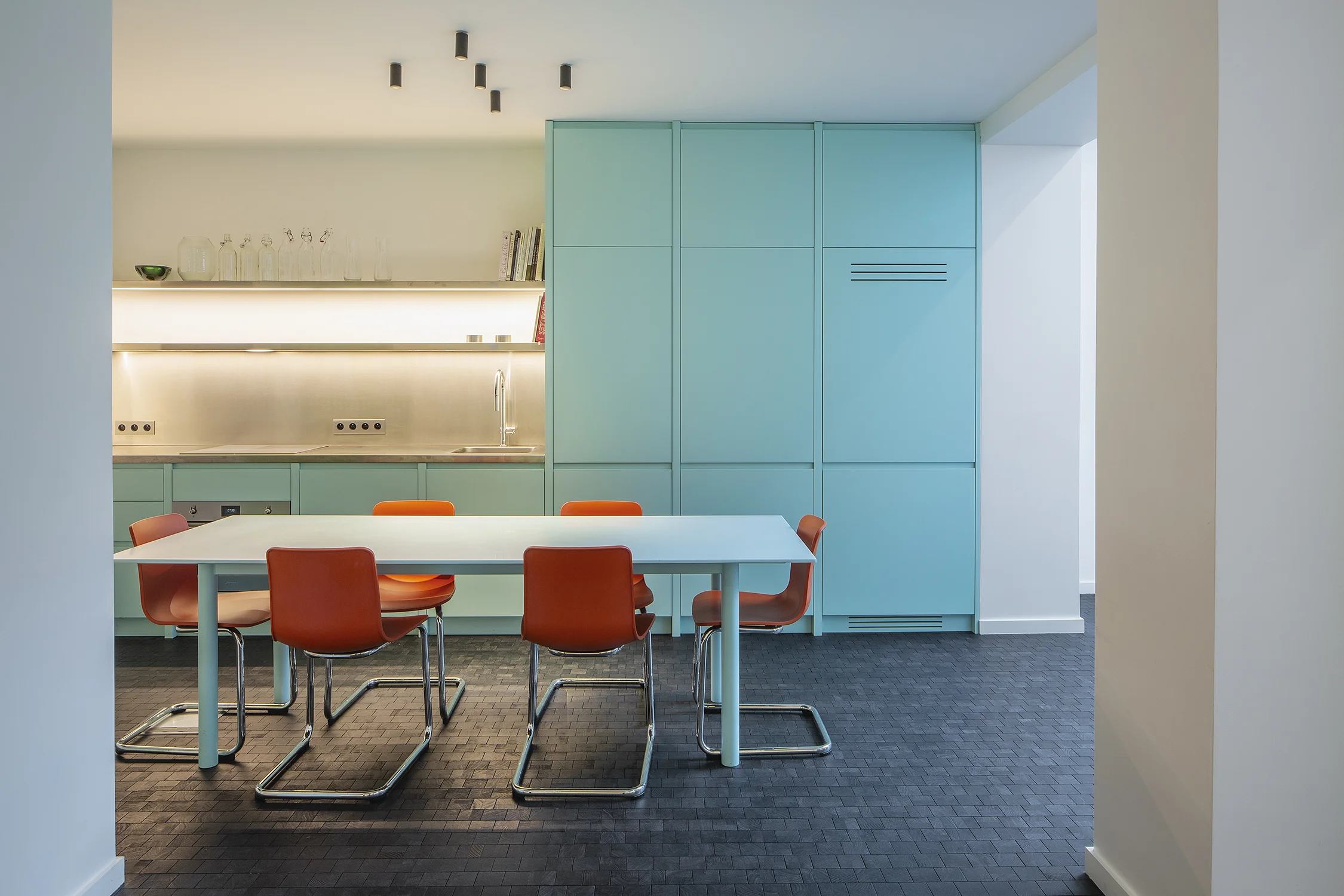
Fire Rated Wood Flooring Commercial: The Cfl-s1 Guide
A technical specification guide for architects detailing how engineered endgrain oak meets Euroclass Cfl-s1 and Class 34 durability in high-traffic commercial spaces.
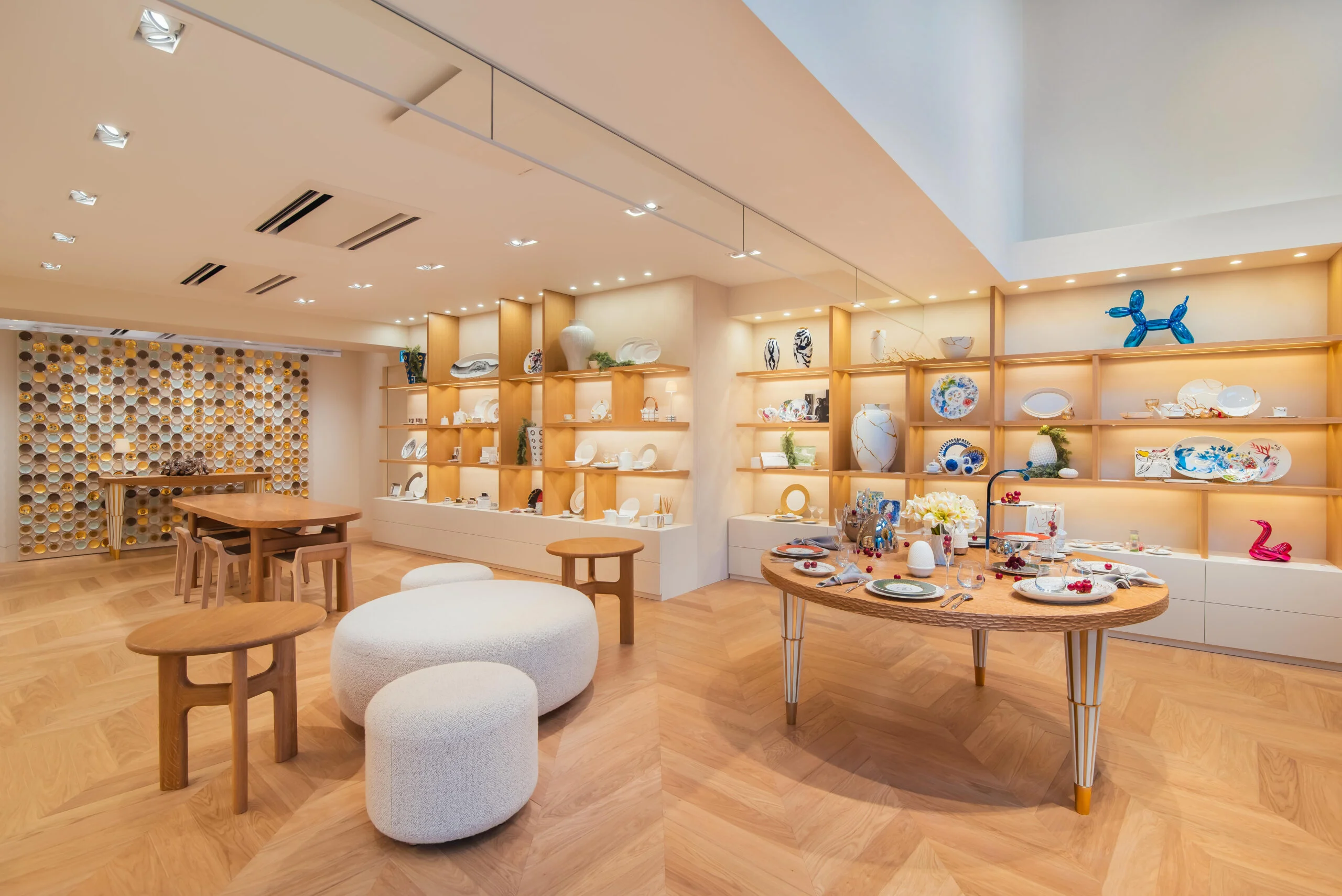
Why Luxury Retail Wood Flooring Demands End Grain Oak
A technical guide to specifying end-grain oak flooring for high-traffic retail flagships, balancing vertical compression, acoustics, and atelier craft.
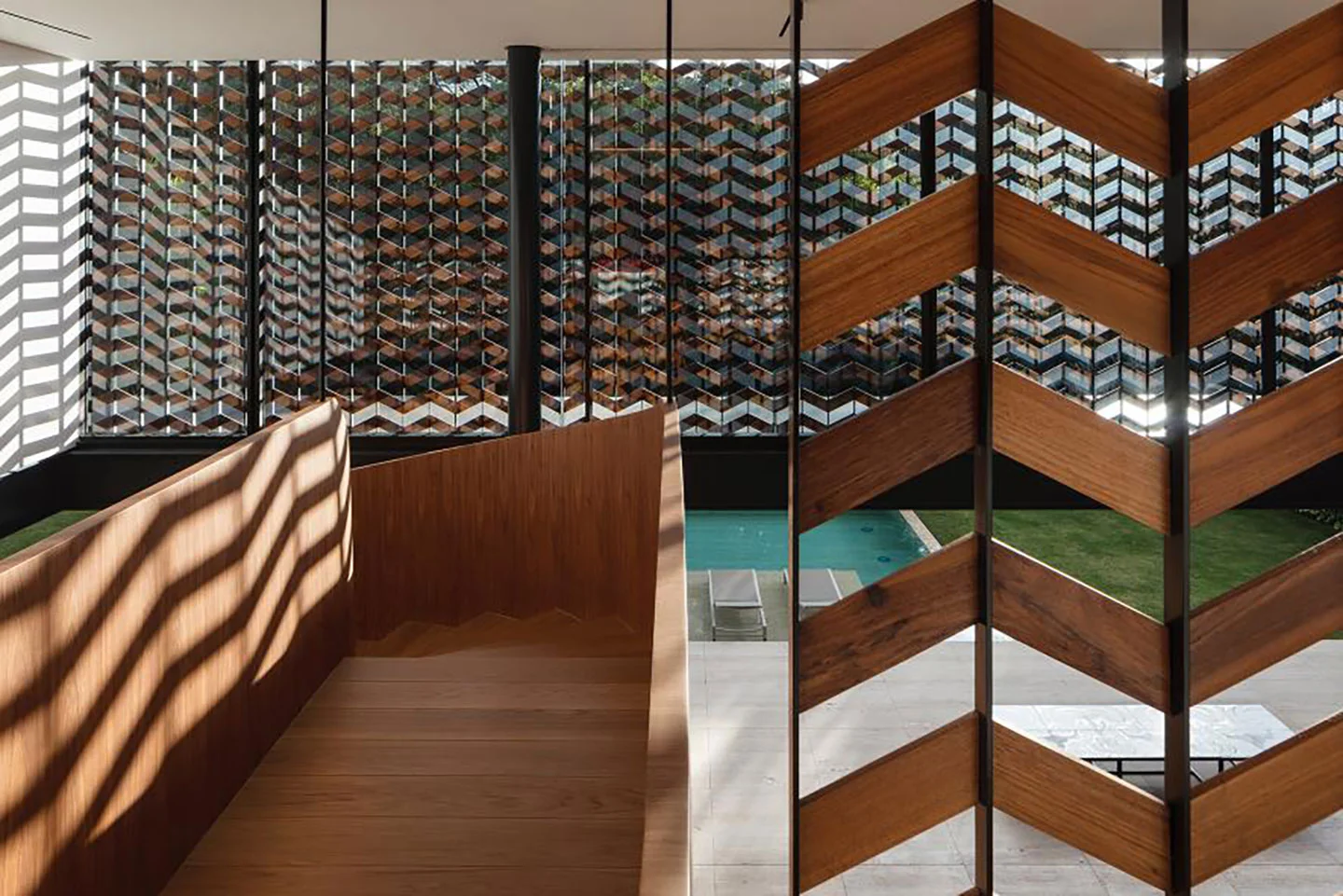
Protecting End Grain Wood Block Flooring from UV Fading
Discover the science of oak photodegradation and how to protect end-grain wood floors from UV fading using advanced varnishes and architectural design.