
Parquet Flooring Cost: What Drives the Price of a Wood Floor
The price per box is only one part of the bill. Here is what the rest is made of.
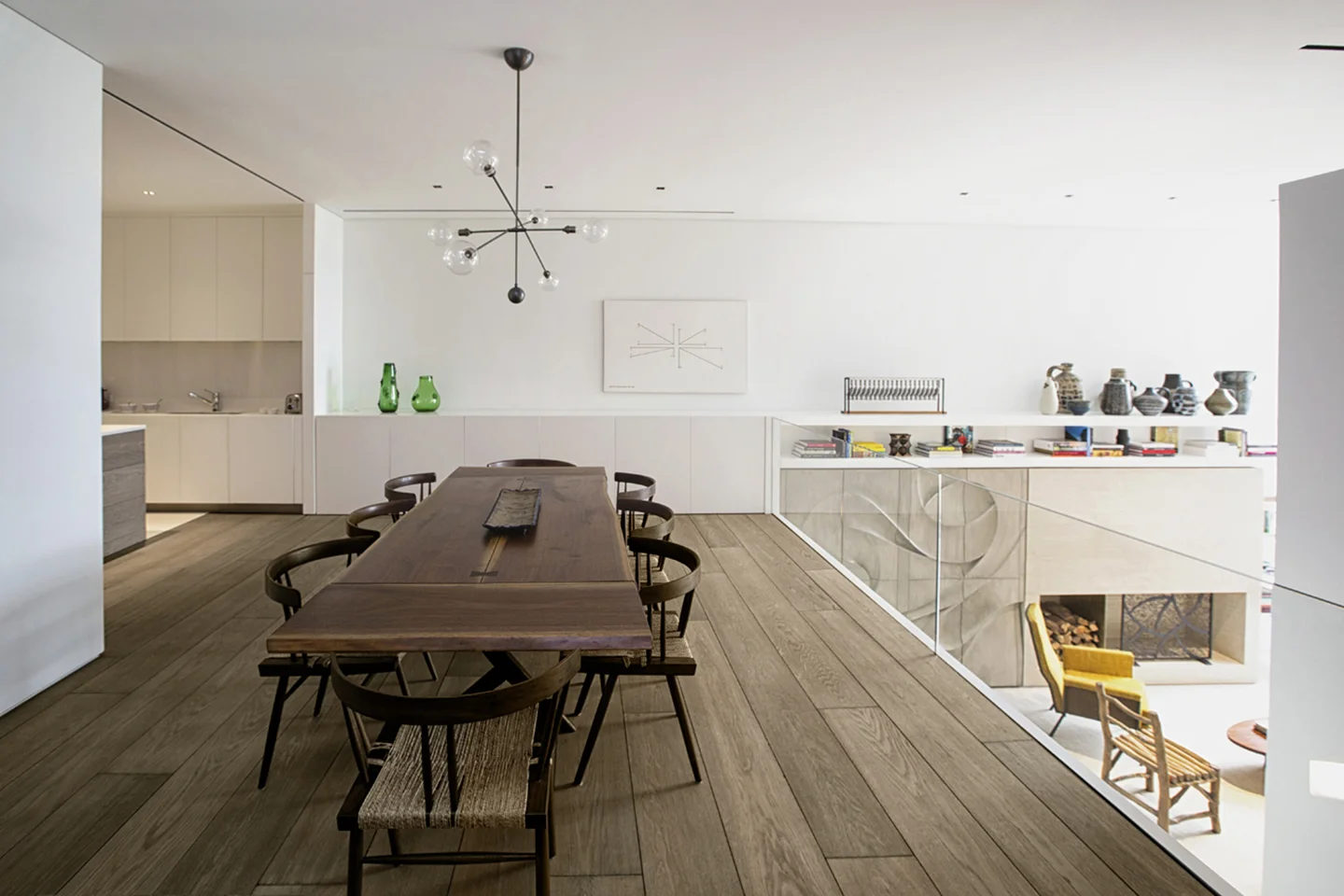
There is no single price for parquet flooring, because the total is built from several parts: the boards, the pattern they are laid in, the finish, the work on the subfloor and the fitting. As a rule, straight boards cost the least to buy and lay, herringbone costs more, and chevron, panels and end grain more again. On patterned floors, labor and preparation make up a large share of the bill, so compare quotes for the finished, installed floor rather than the price per box.
What goes into the cost of a parquet floor?
- The boards. Construction, thickness of the top layer, grade and species.
- The allowance for cuts. Extra material for the pieces trimmed at walls and doorways, and a few spares.
- Subfloor work. Removing the old floor, leveling, drying or sealing the screed.
- Adhesive or underlay. Depending on the installation method.
- Fitting. The fitter's time, which depends mostly on the pattern and the shape of the room.
- Finishing. Nothing extra for prefinished boards; sanding and finishing on site for floors that are finished after laying.
- Details. Skirting, thresholds, stair nosings and borders.
How does the wood itself affect parquet price?
Three things set the price of the boards before the pattern comes in. The first is construction: solid boards, or engineered boards with a top layer of real wood on a stable backing. A thick top layer costs more than a thin veneer, and it is also what lets the floor be sanded and refinished later. The second is grade: select grades, with few knots and an even color, cost more than rustic grades full of character marks. The third is species: oak is the reference for parquet, and rarer timbers cost more.
Certification adds traceability rather than cost you can see. FSC and PEFC labels show the wood comes from managed forests, which matters on many architectural specifications.
Why do herringbone and chevron cost more?
A patterned floor costs more in material and much more in time. Herringbone and chevron are made of shorter boards in left and right versions; chevron boards also have angled ends that must be cut precisely. The fitter has to set out the pattern from a center line so it sits evenly at the walls and runs straight through doorways, and every row ends in angled cuts. More cuts also means more offcuts: straight boards waste the least, herringbone more, chevron the most.
Rompu, a herringbone in oak, is cut from flatgrain select oak, 12 mm with a 4 mm top layer, 150 mm or 190 mm wide, and comes prefinished in twelve lacquered colors, so there is no finishing to pay for on site.
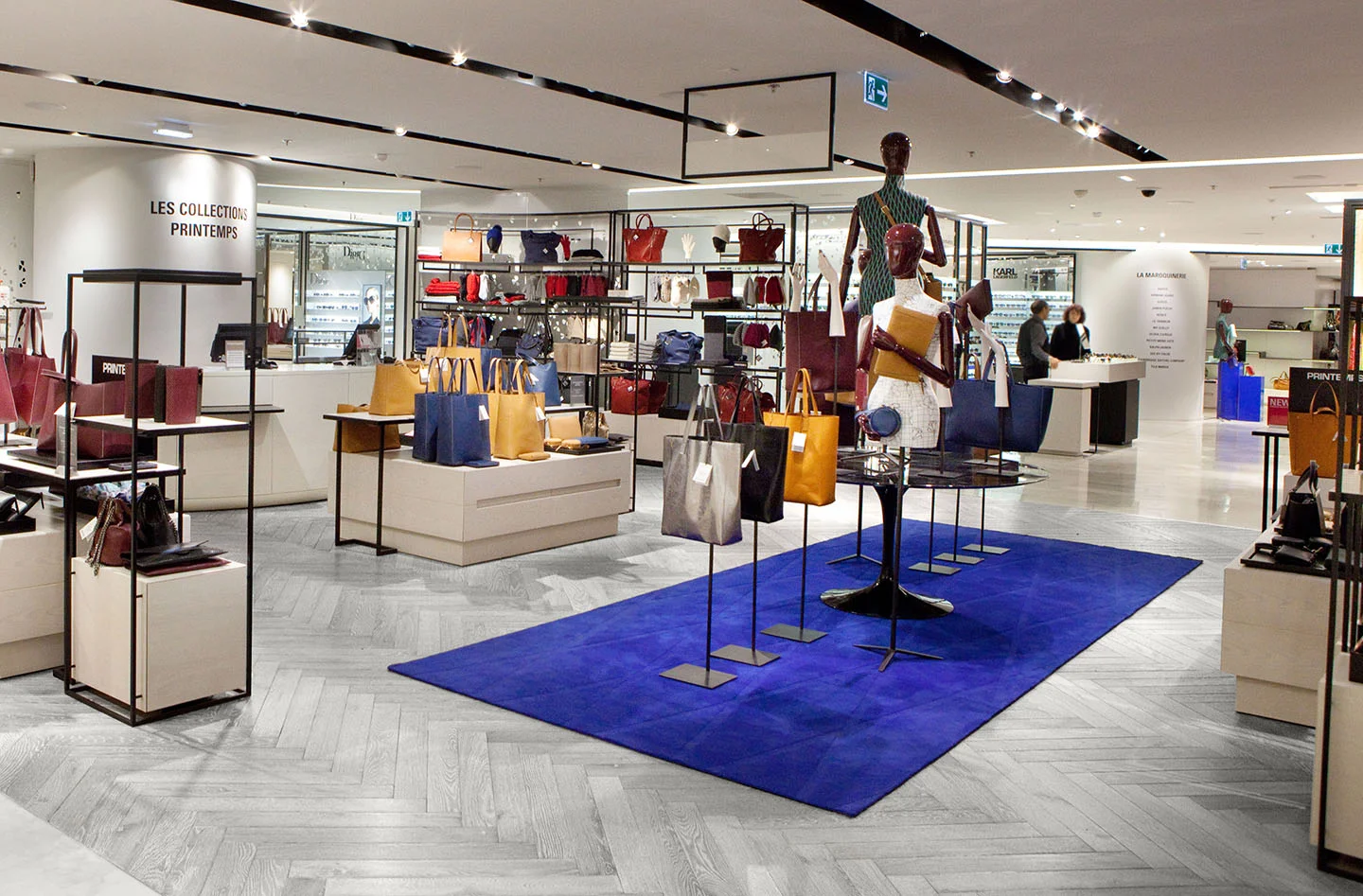
In a large retail floor like Le Printemps in Paris, laid in Rompu, the herringbone has to line up across a big open area and around fixed displays, which is where careful set-out pays for itself.
Why does end grain flooring sit at the top of the range?
End grain is the most work of all. Every piece is cut across the trunk, the pieces are fitted one by one into the pattern, and the whole floor is glued down and then sanded and finished in place. The result is the hardest-wearing face of the wood, which is why it lasts so long.
Opus, an endgrain oak floor based on nineteenth-century Parisian oak paving, has an 8 mm endgrain top layer on 12 mm birch plywood and is rated usage class 34, for very heavy commercial traffic.
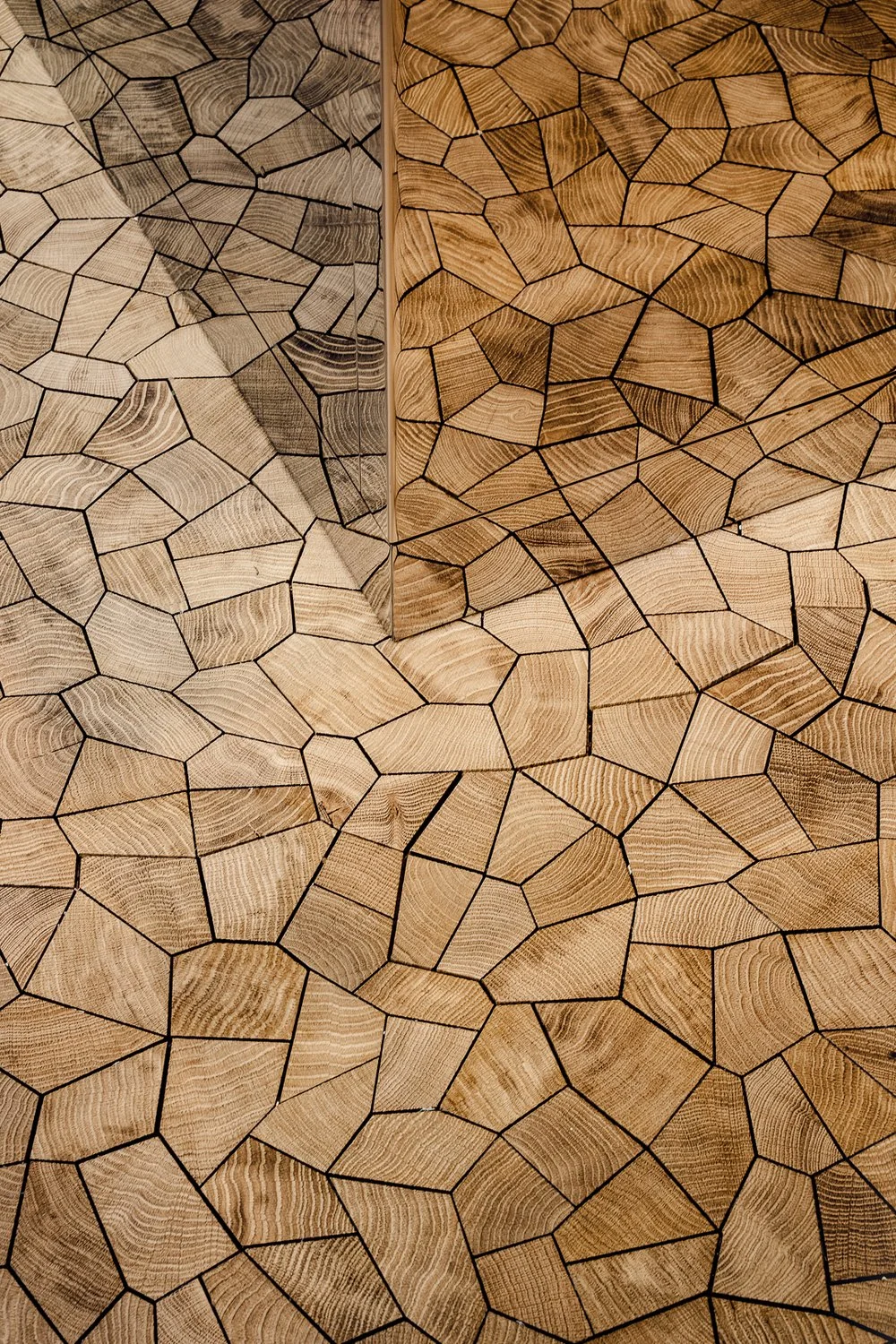
At the Butterfly Pâtisserie of the Hôtel de Crillon in Paris, you can count the pieces in a single square of floor, and see why fitting end grain takes longer than laying boards.
How much do the finish and the subfloor add?
Prefinished boards arrive with their color and protection applied in the factory, so the room is usable as soon as the adhesive has cured. Floors finished on site need sanding, one or more coats and drying time, which adds labor and keeps the room closed for longer.
The subfloor is the cost people forget. A screed that is uneven has to be leveled, a damp one has to dry or be sealed, and an old floor may have to come up. None of it shows once the parquet is down, and all of it decides whether the floor stays flat and quiet.
Is a more expensive parquet floor worth it?
Over the life of a floor, often yes. A board with a thick top layer can be sanded and refinished several times, so it outlasts many cheaper floors that have to be replaced when their thin veneer wears through. A hard-wearing construction, like end grain in a hotel lobby, also stretches the time between renovations in rooms where closing for work is costly.
How do you compare parquet flooring quotes?
- Check that every quote is for the same area, including the allowance for cuts.
- Ask what subfloor preparation is included, and what happens if the screed turns out to be damp.
- Check the installation method and the adhesive or underlay specified.
- For floors finished on site, check the sanding and the number of coats.
- Look for skirting, thresholds, removal of the old floor and waste disposal.
Frequently asked questions
Is herringbone more expensive than straight parquet?
Yes. Herringbone uses shorter boards in left and right versions, takes longer to set out and lay, and leaves more offcuts at the walls. Chevron usually costs more again, because every board has an angled end and the center line must stay perfectly straight.
What is the most expensive part of a parquet floor?
For straight boards in a simple room, usually the boards themselves. For herringbone, chevron and end grain, fitting and subfloor preparation make up a much larger share, and can cost as much as the material.
Is engineered parquet cheaper than solid parquet?
Often, but not always. Engineered boards with a thick top layer of good oak can cost as much as solid boards. They are usually chosen for stability, especially over underfloor heating, rather than for price.
How much extra flooring should I order?
Enough for the cuts at the walls plus a few spares. Straight boards in a rectangular room need the least, herringbone more, chevron and rooms with many corners the most. Ask your fitter to calculate it from the plan, and keep a box of spare boards for future repairs.
Pricing an OscarOno Paris floor
The price of an OscarOno Paris floor depends on the collection, the finish and the size and shape of the project. Droit, straight boards, and Rompu, herringbone, share one specification: flatgrain select oak, 12 mm with a 4 mm top layer, 150 mm or 190 mm wide, twelve lacquered colors, usage class 33. Opus is endgrain oak, usage class 34. All carry a Cfl-s1 fire rating and are FSC and PEFC certified.
For a price on your project, contact a dealer through Where to find us. Give your fitter the spec sheet from the library so the quote is for the right floor, and order samples to choose the color in your own light.
More from the Atelier
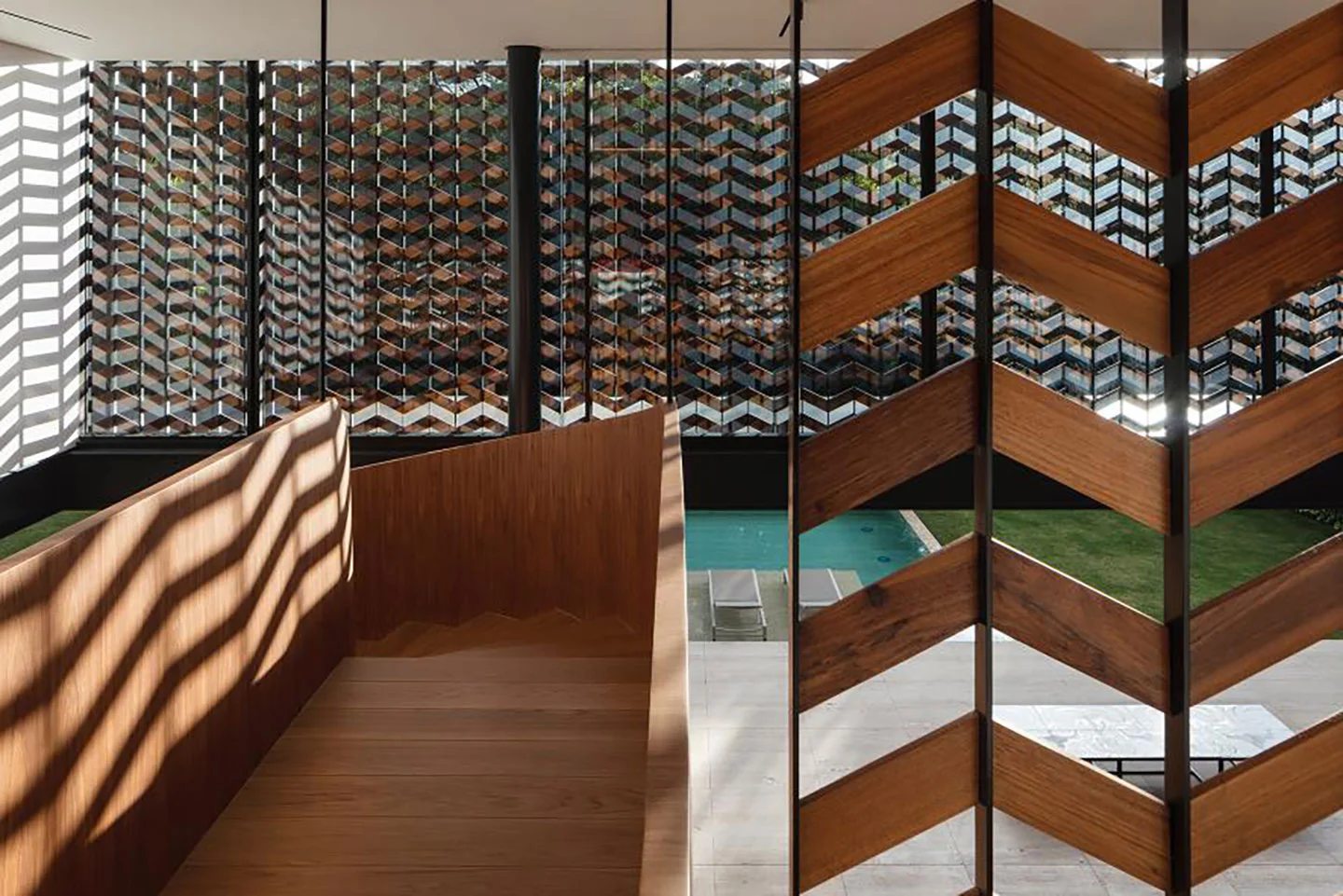
Protecting End Grain Wood Block Flooring from UV Fading
Discover the science of oak photodegradation and how to protect end-grain wood floors from UV fading using advanced varnishes and architectural design.
Parquet Floor Restoration: Is an Old Parquet Floor Worth Saving?
Loose blocks, gaps, stains and a worn finish can all be put right. How to tell whether an old parquet floor is worth restoring, what the work involves, and when it is not.
Squeaky Wood Floors: Why They Squeak and How to Fix Them
A squeak is friction: wood on wood, wood on a nail, or a subfloor moving on its joists. Find which one it is and the fix follows.