
How Plank Width and Board Size Transform Room Scale
An architectural guide to wide vs narrow planks and spatial perception.
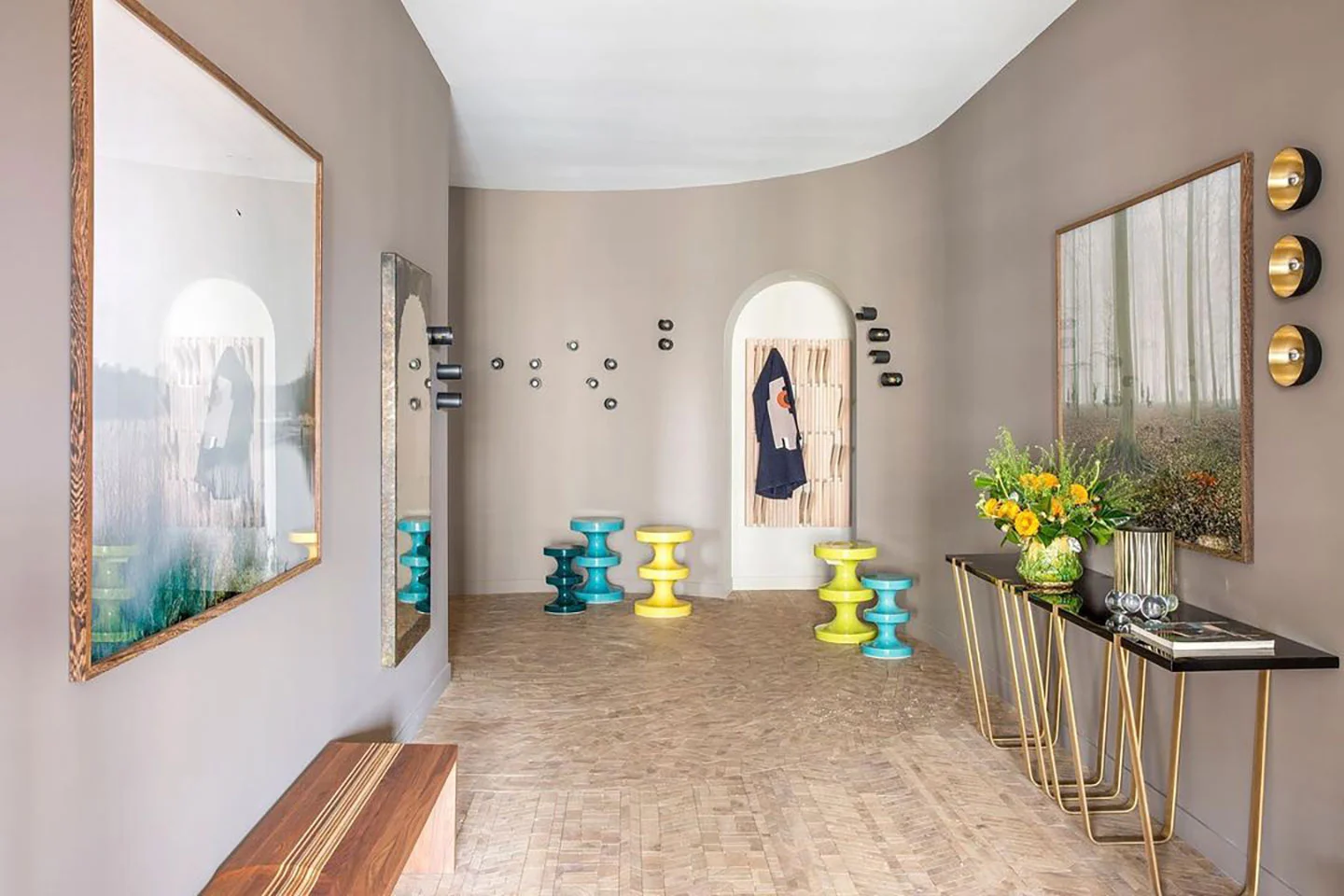
Plank width and board size flooring dictate a room's visual rhythm, with wide plank flooring (180mm to 300mm+) creating an expansive, tranquil atmosphere by reducing seams, while narrow planks (under 150mm) introduce directional energy and texture. Selecting the ideal board size depends on architectural proportions, room volume, and desired light play. By carefully balancing these physical dimensions, designers can manipulate the emotional volume and scale of any interior.
- Wide planks minimize joint lines, creating an uninterrupted, tranquil canvas that makes open-plan spaces feel cohesive and grounded.
- Narrow boards offer graphic rhythm and directional focus, ideal for transitional spaces or historical pattern revivals like chevron and herringbone.
- The "proportion rule" suggests that a plank's width should not exceed one-tenth of a room's narrowest dimension to prevent the floor from overwhelming the architecture.
- Mixed-width or "curated width" layouts maximize sustainable forest yields while introducing an organic, natural flow.
- Matte lye-and-oil finishes preserve wood's light-absorbing qualities, softening the transitions between boards of any scale.
Why does plank width dictate how we perceive architectural space?
Plank width changes spatial perception by controlling the density of visual seams underfoot. Wider planks reduce the overall number of joint lines, which immediately lowers the visual "noise" in a room and allows the natural, uninterrupted flow of cathedral grain to guide the eye across the floor. This reduction in lines helps the brain perceive the floor plane as a single, expansive surface rather than a series of individual timber elements assembled together.
Architects have long used this optical phenomenon to anchor minimal spaces. John Pawson’s decades-long collaboration with Danish wood specialist Dinesen, which explores massive solid oak and Douglas fir planks, highlights how ultra-wide boards can turn a floor into a seamless, tactile plane. Conversely, narrow planks create a higher density of parallel shadow lines. These lines act as architectural accelerators, drawing the eye forward and creating a sense of rapid movement, which is particularly effective in long corridors or transitional galleries.
Wide vs narrow planks: which is right for your floor?
Choosing between wide vs narrow planks is a balancing act of scale, historical context, and light. Wide plank flooring is unmatched for expansive modern lofts and open-plan homes, while narrow planks suit historic restorations, intricate geometries, or compact rooms where detail and texture are celebrated. Standardizing the floor layout requires understanding how each dimension changes the physical weight of the room.
The following table outlines how different board sizes affect spatial dynamics, helping specify the correct format for your project:
| Plank Style | Width Range | Typical Lengths | Visual Effect | Best Suited For |
|---|---|---|---|---|
| Ultra-Wide Planks | 250mm to 300mm+ | 3.0m to 5.0m+ | Seamless grandeur, low visual noise, uninterrupted grain | Grand salons, minimalist open lofts, coastal retreats |
| Standard Wide Planks | 180mm to 240mm | 1.8m to 2.4m | Balanced perspective, modern classicism, warm continuity | Residential bedrooms, modern apartments, luxury retail |
| Narrow Strips | 70mm to 120mm | 0.6m to 1.5m | Dynamic movement, graphic rhythm, historic tailoring | Hallways, Parisian apartments, geometric layouts |
| Mixed/Curated Widths | Varied (e.g., 100-300mm) | Random / Mixed | Organic randomness, sustainable forest narrative, rustic warmth | Country estates, organic-modern dining, creative offices |
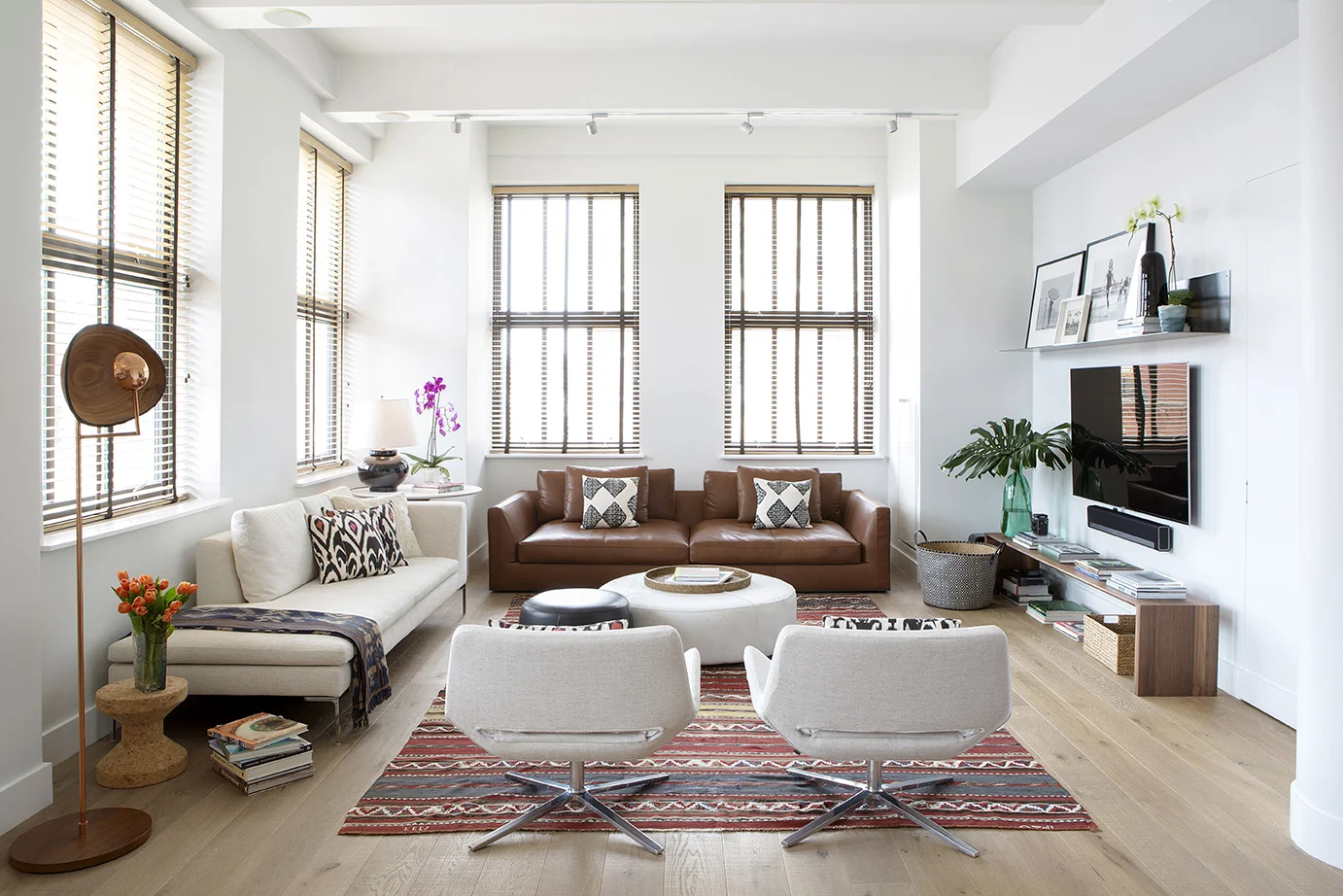
What is the proportion rule for selecting wood board size flooring?
The proportion rule states that a wood floor board's width should not exceed roughly one-tenth of the room’s narrowest dimension. Following this guideline prevents a wide plank from visually overpowering the space, ensuring the floor supports rather than dominates the surrounding architecture. If a board is too wide for a narrow room, the eye focuses on the abrupt termination of the planks rather than the beauty of the timber.
When an oversized plank is forced into a highly partitioned, narrow room, the floor can feel restricted. Only two or three full boards might fit across the width, making the room feel squeezed and highlighting the cuts rather than the continuous grain. In contrast, standard wide planks (around 180mm) or narrow strips allow the eye to register multiple parallel lines, establishing a comfortable sense of rhythm and boundary. The goal is to let the scale of the room dictate the scale of the material, finding harmony between the walls and the floor.
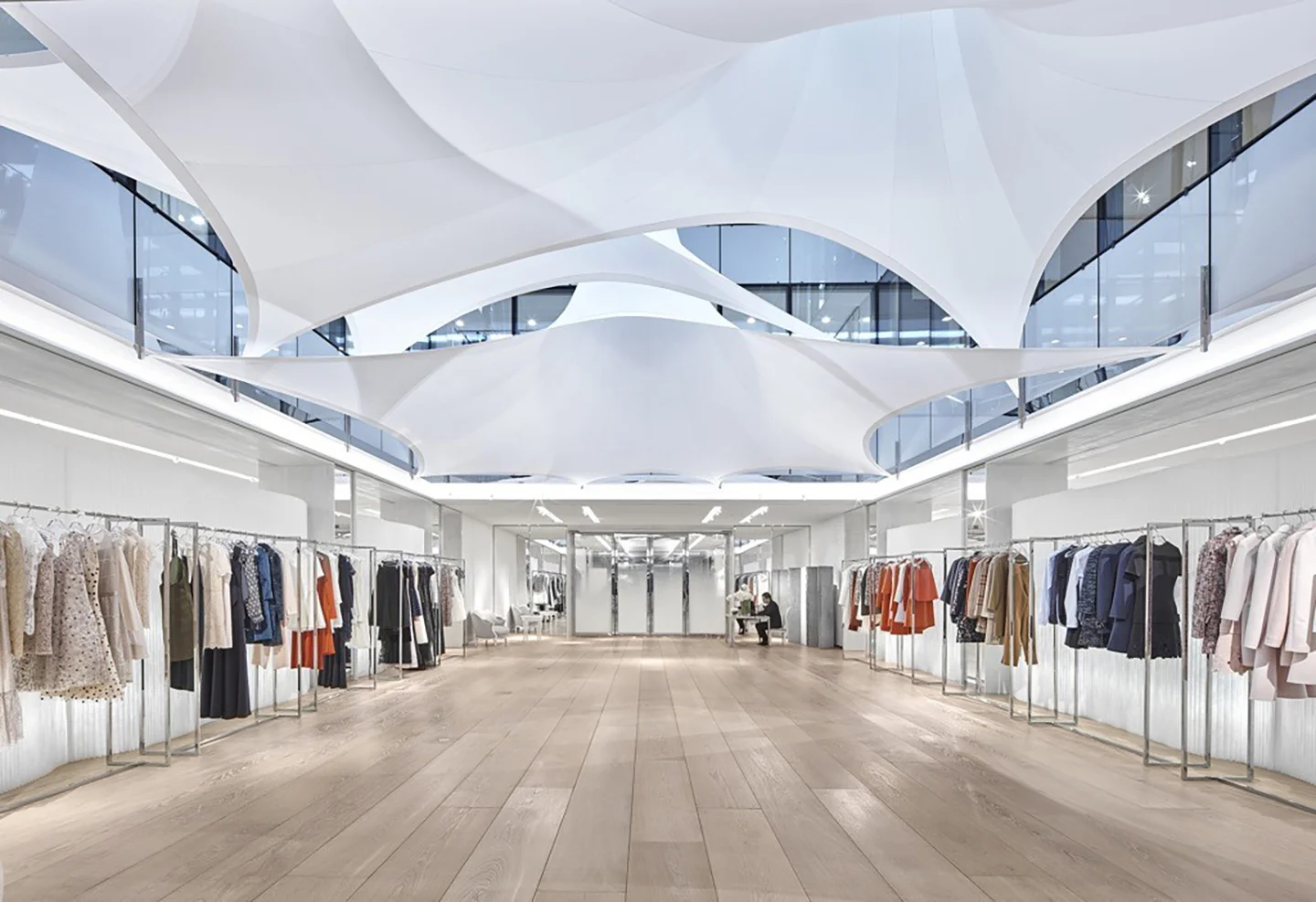
How does board length impact the direction and flow of light?
Board length acts as a structural sightline, directing both the eye and natural light down the longest axis of a room. Long, continuous planks running parallel to incoming daylight allow light to glide smoothly along the grain, minimizing shadows and enhancing the overall brightness of the interior. Short boards create frequent end-to-end joints that break the continuity of the wood's grain.
These perpendicular seams catch grazing light at low angles, casting tiny, subtle shadows that can make a floor look busy. Long-format planks, occasionally reaching lengths of five meters or more, preserve the integrity of the cathedral grain, turning the floor into a reflective, pool-like surface that changes gently throughout the day. For rooms with windows on adjacent walls, laying the length of the boards toward the primary light source remains the most reliable method to achieve a serene, luminous floor plane.
How is the curated widths movement redefining modern sustainable design?
The curated widths movement combines planks of varying widths and lengths in a single installation to mirror the natural, unstandardized dimensions of a tree trunk. This technique maximizes timber yields, reduces forest waste, and creates a dynamic, organic rhythm that feels deeply connected to nature. By stepping away from absolute standardization, designers celebrate the organic imperfections of the forest.
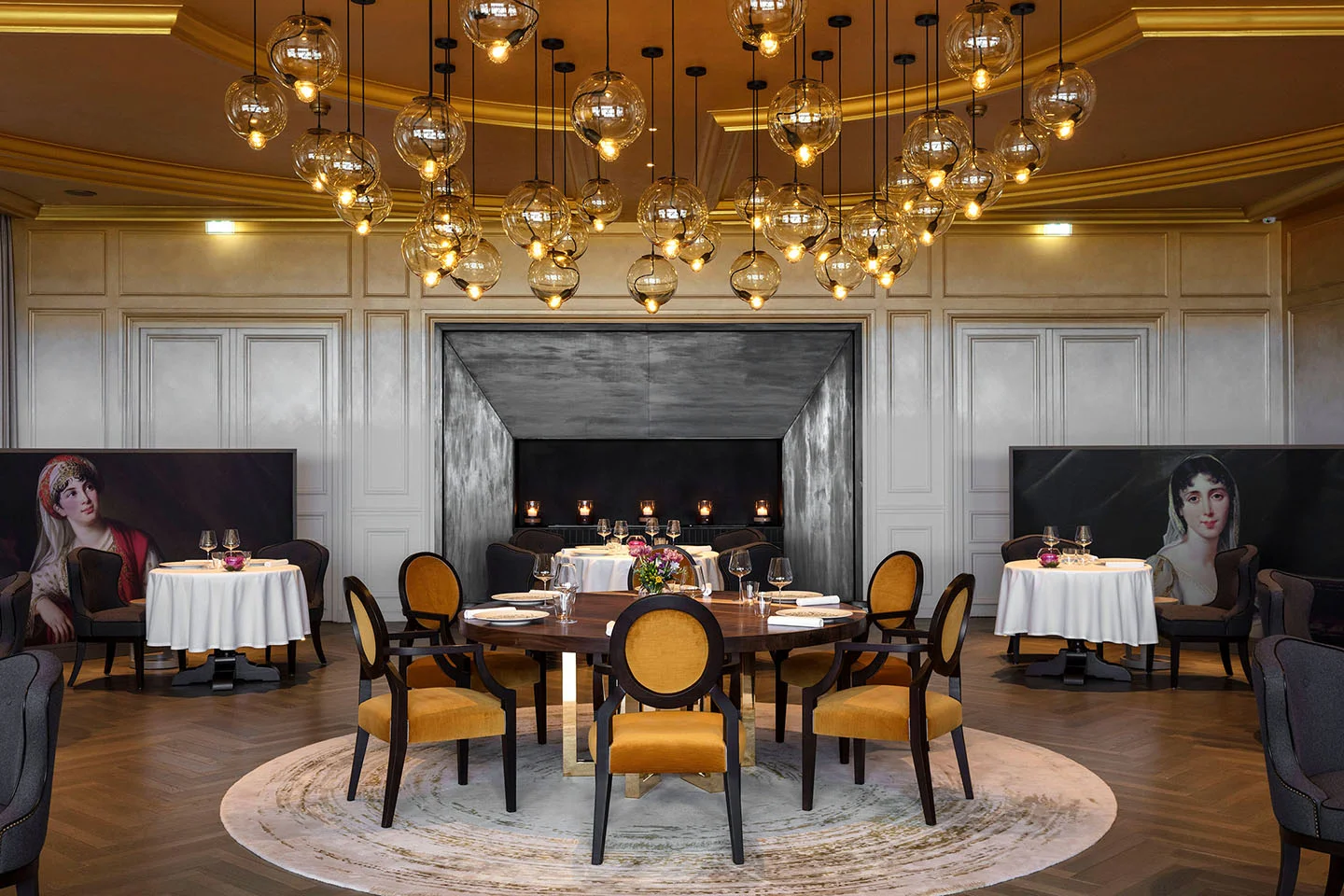
Historically, sawmills had to discard massive portions of the log to produce perfectly uniform, wide planks. Today, leading design practices are embracing mixed-width layouts to honor the raw material. For example, the curated widths concept featured at the Michelin-starred Restaurant Substans proves that variable dimensions can feel incredibly sophisticated. The resulting aesthetic has a relaxed, artisanal quality that high-gloss, standardized floors simply cannot replicate, pairing beautifully with dry, velvety oil finishes that absorb light softly.
FAQ
Does wide plank flooring make a small room look bigger or smaller?
Wide planks can make a small room feel larger by reducing the density of joint lines and visual clutter. However, if the planks are so wide that fewer than four full boards fit across the floor, it can have the opposite effect and make the space feel restricted.
What is considered a wide plank wood floor?
In modern interior design, any wood board measuring 180mm (approximately 7 inches) or wider is categorized as a wide plank. Ultra-wide planks can exceed 300mm in width and stretch over five meters in length.
Are wide planks more prone to cupping and gapping than narrow planks?
Yes, wider solid wood boards are naturally more sensitive to relative humidity changes because wood expands and contracts across its grain. To mitigate this, modern wide plank flooring is often engineered with a multi-ply core to ensure dimensional stability.
What is the best finish to highlight the grain on wide planks?
A dry, matte finish such as a lye-and-oil treatment or a low-gloss invisible varnish is best. These finishes protect the wood while preserving its organic texture, allowing natural light to absorb softly rather than bounce harshly off the surface.
More from the Atelier
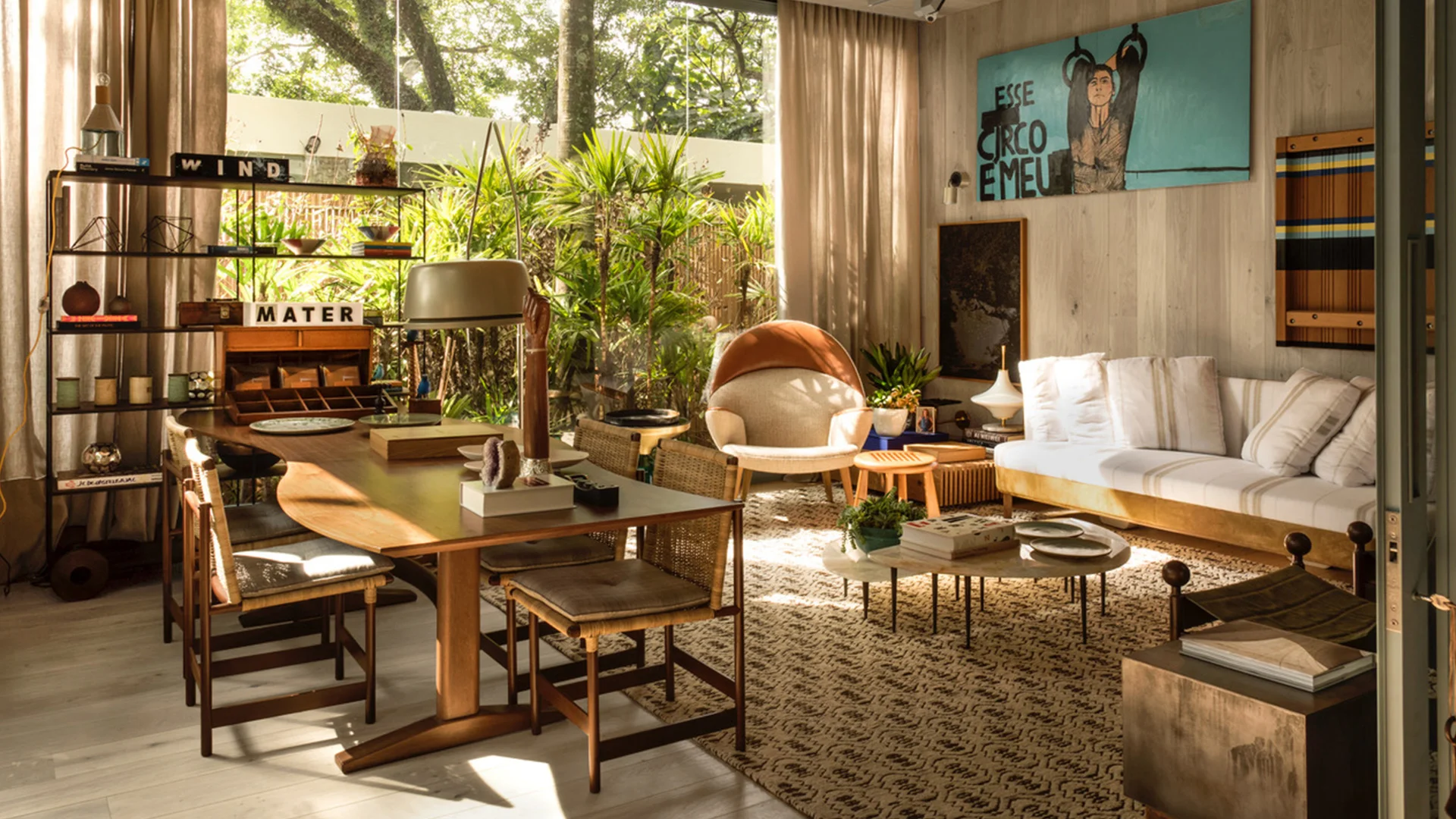
Modern Versailles Parquet & Marqueterie Trends
Discover how historic French marqueterie and Versailles parquet panels are being reinterpreted for modern commercial and residential interiors.
The Texture Pairing Playbook: Wood with Linen, Stone and Brass
Discover the art of balancing wood, linen, stone, and brass. This design-led guide explores how to combine these raw materials for a timeless interior.
Wood Floor Direction: Which Way Should Boards Run?
An expert guide on choosing the optimal wood floor direction. Learn how natural light, entry axes, and room proportions dictate board layout.