
How to Choose the Perfect Period Property Flooring
A design guide to sympathetic wood surfaces for Haussmann, Georgian, and heritage homes.
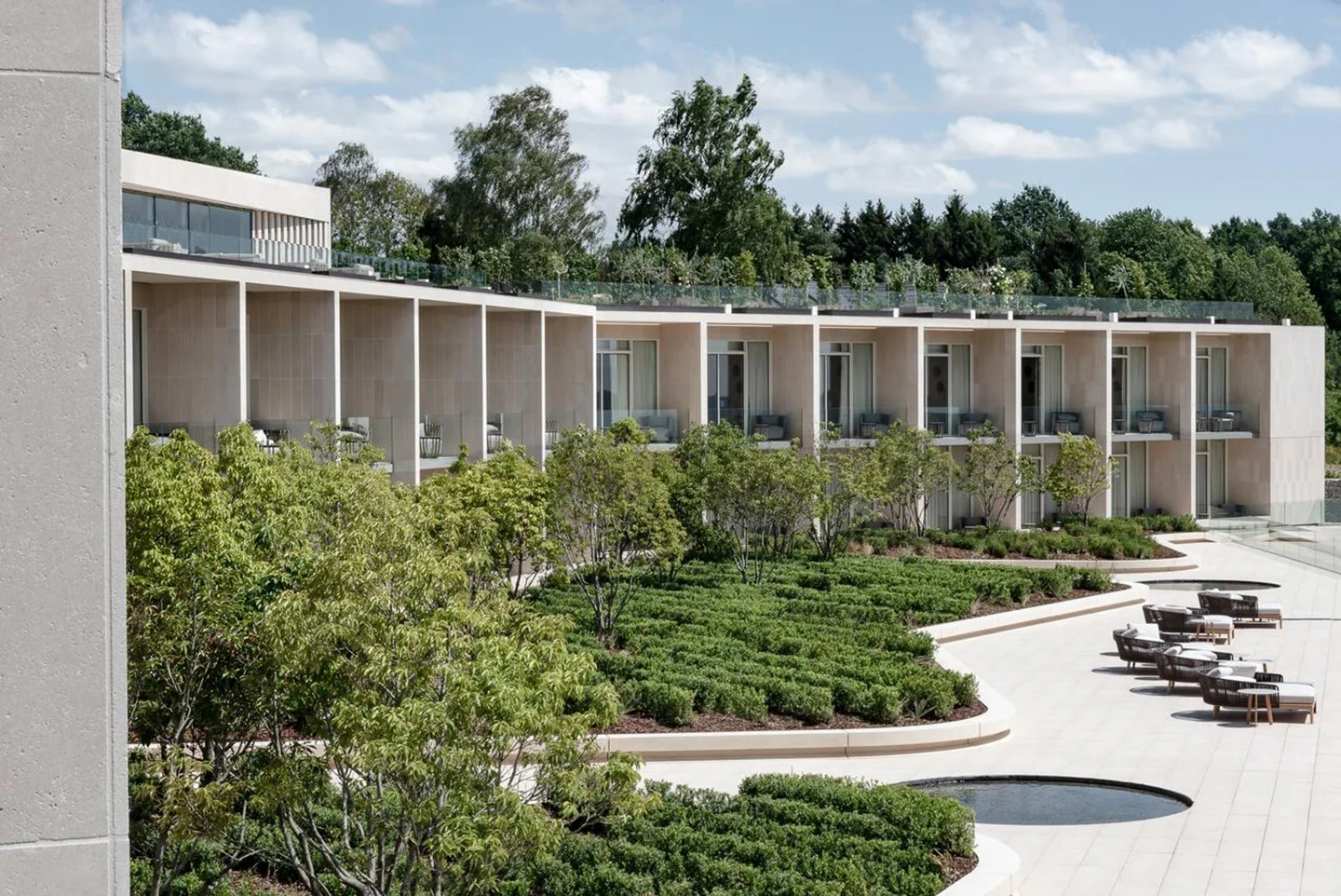
Period property flooring must respect the architectural era of a heritage home, utilizing patterns like Point de Hongrie for Haussmann apartments and wide-plank oak for Georgian townhouses. Rather than sterile historical replication, modern design favors sympathetic materials—such as high-quality engineered timber with breathable, oiled finishes—to combine authentic aesthetics with dimensional stability.
- Traditional parquet patterns, such as Point de Hongrie (Chevron) or Bâton Rompu (Herringbone), naturally complement the high ceilings and grand proportions of Haussmannian and Victorian interiors.
- Georgian townhouses benefit from wide-plank oak floors (200–300mm) that align with the era's focus on symmetry and structural scale.
- Wire-brushed textures and natural oil finishes allow wood to age gracefully, developing a lived-in patina instead of a plastic-like sheen.
- Engineered wood flooring with a thick wear layer is highly recommended over solid wood in historic homes due to its stability over underfloor heating and fluctuating humidity.
- Preserving historical dialogue means balancing heritage proportions with contemporary performance standards.
What is the most authentic period property flooring for a Haussmann apartment?
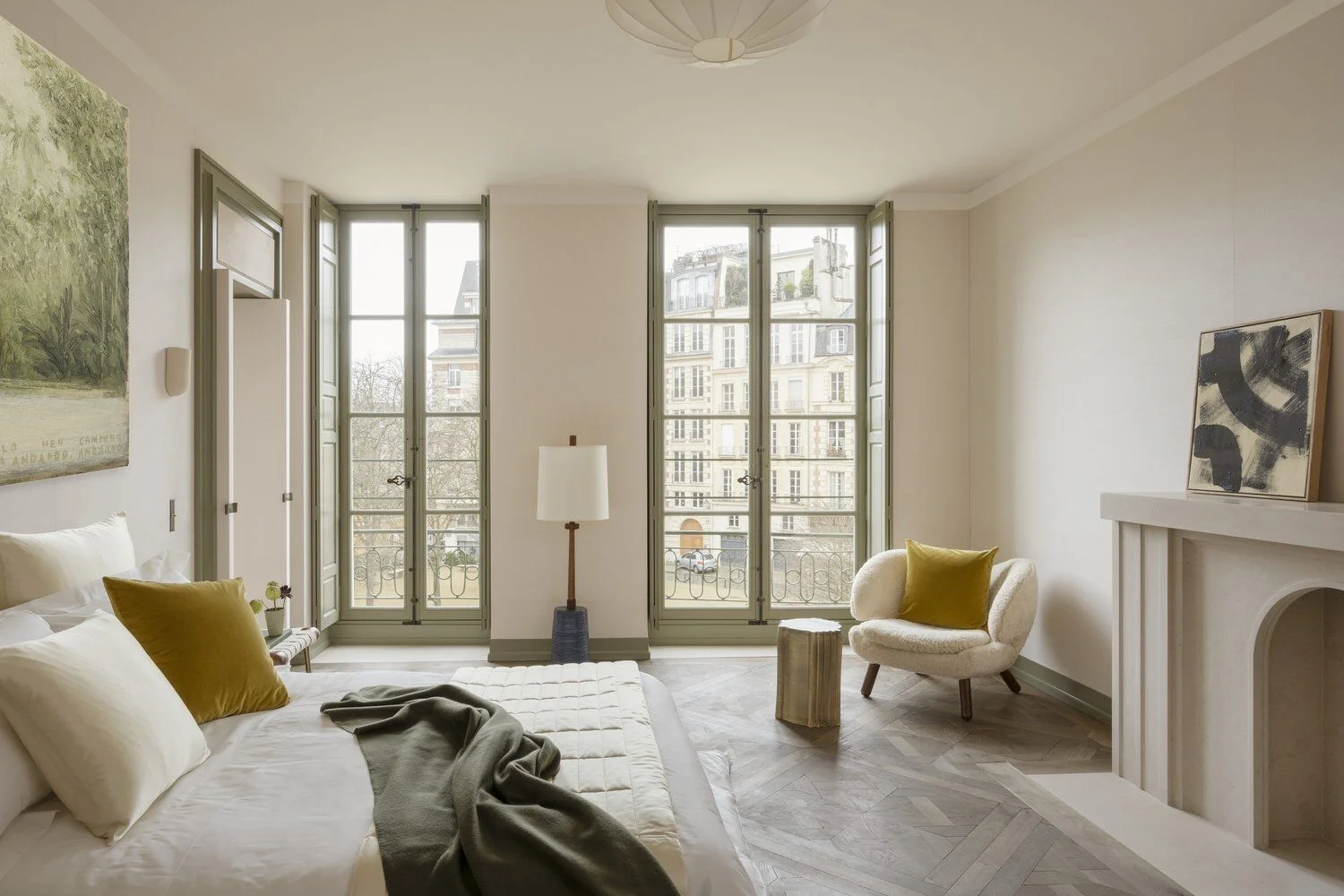
The most authentic period property flooring for a Haussmann apartment is Point de Hongrie (chevron parquet) cut at a 45-degree or 38-degree angle, or Bâton Rompu (herringbone). These geometric patterns echo the grand axial layout, tall sash windows, and ornate plaster cornices characteristic of late 19th-century Parisian architecture.
Haussmannian design, born from Baron Haussmann's late-19th-century urban renewal of Paris, relies heavily on symmetry and linear perspective. A traditional parquet floor acts as a dynamic visual anchor. When sunlight streams through tall windows, the alternating angles of the chevron pattern create a striking kinetic light effect: one side of the pattern absorbs light in a deep, matte tone, while the other reflects a soft, golden sheen. To preserve this dialogue, modern designers avoid heavy, glossy lacquers. Instead, they choose wire-brushed finishes with natural oils that mimic raw, unfinished European oak, allowing the timber to develop a rich, natural patina over generations.
How do you choose timber flooring for Georgian and Victorian homes?
Choosing timber flooring for Georgian and Victorian homes requires matching the structural scale of the era. Georgian layouts demand wide-plank oak floors (often 200mm to 300mm wide) to honor the classical symmetry, while Victorian homes are beautifully suited to elegant herringbone parquetry in narrow entryways and reception rooms.
Georgian architecture (1714–1830) is celebrated for its mathematical proportions, high ceilings, and grand scales. Historically, these rooms were laid with wide, slow-grown European oak or pine planks. According to historic renovation design principles, such as those implemented by Robert Rhodes Architects, maintaining these proportions is vital; narrow modern boards can make a grand historic room feel fragmented and small. In contrast, Victorian interiors (1837–1901) embraced more decorative, intricate features. Elegant herringbone or reclaimed-style traditional parquet works wonderfully in these spaces, providing a tactile, grounding surface that balances crisp white lime-plaster walls.
Solid vs. engineered wood for heritage restorations: Which is better?
Engineered wood flooring is generally superior to solid wood for historic restorations because it offers exceptional dimensional stability. While solid timber naturally warps, gaps, and cups in response to seasonal humidity shifts, high-quality engineered timber with a thick oak wear layer withstands these changes while remaining compatible with modern underfloor heating.
Historic properties are notoriously breathable, meaning they experience significant shifts in indoor humidity and temperature. Installing solid wood floors over modern underfloor heating is highly risky, as it frequently leads to structural damage and gapping. Engineered boards solve this through cross-laminated backing layers. A multi-layered engineered plank behaves predictably, expanding and contracting minimally. When selecting an engineered heritage wood floor, ensure it features a robust wear layer of European oak (typically 4mm to 6mm) so it can be sanded and refinished multiple times, matching the multi-century lifespan of solid timber.
| Feature | Solid Wood Flooring | High-Quality Engineered Wood |
|---|---|---|
| Dimensional Stability | Poor; highly prone to warping and gapping in older, drafty homes | Excellent; cross-laminated core prevents movement |
| Underfloor Heating Compatibility | Not recommended; thermal stress causes wood shrinkage | Fully compatible; efficient heat transfer without damage |
| Lifespan & Sanding | Up to 100+ years; can be sanded repeatedly | 50–80 years; can be sanded 3–5 times (with 4-6mm wear layer) |
| Installation Versatility | Limited; must be nailed or glued to stable subfloors | High; can be installed over joists, concrete, or acoustic underlays |
| Historical Authenticity | High visual authenticity, but high maintenance | Identical visual appearance underfoot; low maintenance |
Why do traditional parquet finishes matter in a period property?
Traditional parquet finishes matter because they dictate how the wood ages and interacts with historic light. Modern polyurethane lacquers seal the wood under a synthetic plastic layer, blocking the development of a natural patina, whereas natural oil and hardwax finishes highlight the tactile, organic texture of the oak.
When walking through a historic home, the sensory experience is heavily influenced by acoustics and touch. A synthetic finish creates a cold surface and a hollow, plastic-like footstep sound. In contrast, wire-brushed and oil-treated boards absorb sound waves, providing a quiet, reassuring "thud" underfoot. This acoustic weight is a hallmark of quiet luxury. Furthermore, natural finishes allow the wood to breathe and oxidize. Over time, high-traffic areas wear down gently and can be spot-repaired without sanding the entire room—a crucial advantage for maintaining a seamless, lived-in character in historic interiors.
How can you integrate modern underfloor heating with a heritage wood floor?
Integrating modern underfloor heating with a heritage wood floor is entirely achievable by using engineered timber planks instead of solid wood. Keeping the maximum surface temperature of the floor below 27°C (80°F) prevents the wood from drying out, ensuring the traditional parquet remains stable and gap-free.
Historically, period properties relied on open fireplaces or cast-iron radiators, which created localized heat and left floors cold. Modern luxury renovations, such as those designed by Nancy Gouldstone Architects, frequently specify underfloor heating (UFH) to provide gentle, even warmth. To do this safely, the timber must be kiln-dried to an optimal moisture content of 8% to 10% before installation. Additionally, the subfloor must be perfectly dry and level. Using a sympathetic, engineered heritage wood floor ensures that the home enjoys modern comfort without sacrificing its historical architectural narrative.
Frequently Asked Questions About Period Property Flooring
What is the difference between herringbone and chevron parquet?
Herringbone planks are rectangular and meet at a 90-degree angle, creating a staggered, zigzag pattern. Chevron boards are cut at an angle (usually 45 or 38 degrees) and meet tip-to-tip to form a continuous, sharp V-shape.
Can I install engineered wood in a Grade II listed building?
Yes, engineered wood is widely accepted by conservation officers, provided the visual appearance, board width, and timber species match the historic character of the building. Always consult your local planning authority or conservation officer before proceeding.
How do I maintain the patina of a traditional parquet floor?
To maintain a traditional parquet floor, clean it regularly with pH-neutral wood soaps and avoid harsh chemical detergents. Apply a maintenance oil or hardwax refresher every 12 to 24 months to nourish the wood fibers and preserve its soft, matte texture.
Why does old wood flooring gap, and can it be prevented?
Historic solid wood floors gap because they expand and contract with seasonal changes in indoor humidity. This can be prevented in modern installations by using engineered parquet, which is structurally cross-laminated to resist moisture-induced movement.
More from the Atelier
Modern Versailles Parquet & Marqueterie Trends
Discover how historic French marqueterie and Versailles parquet panels are being reinterpreted for modern commercial and residential interiors.
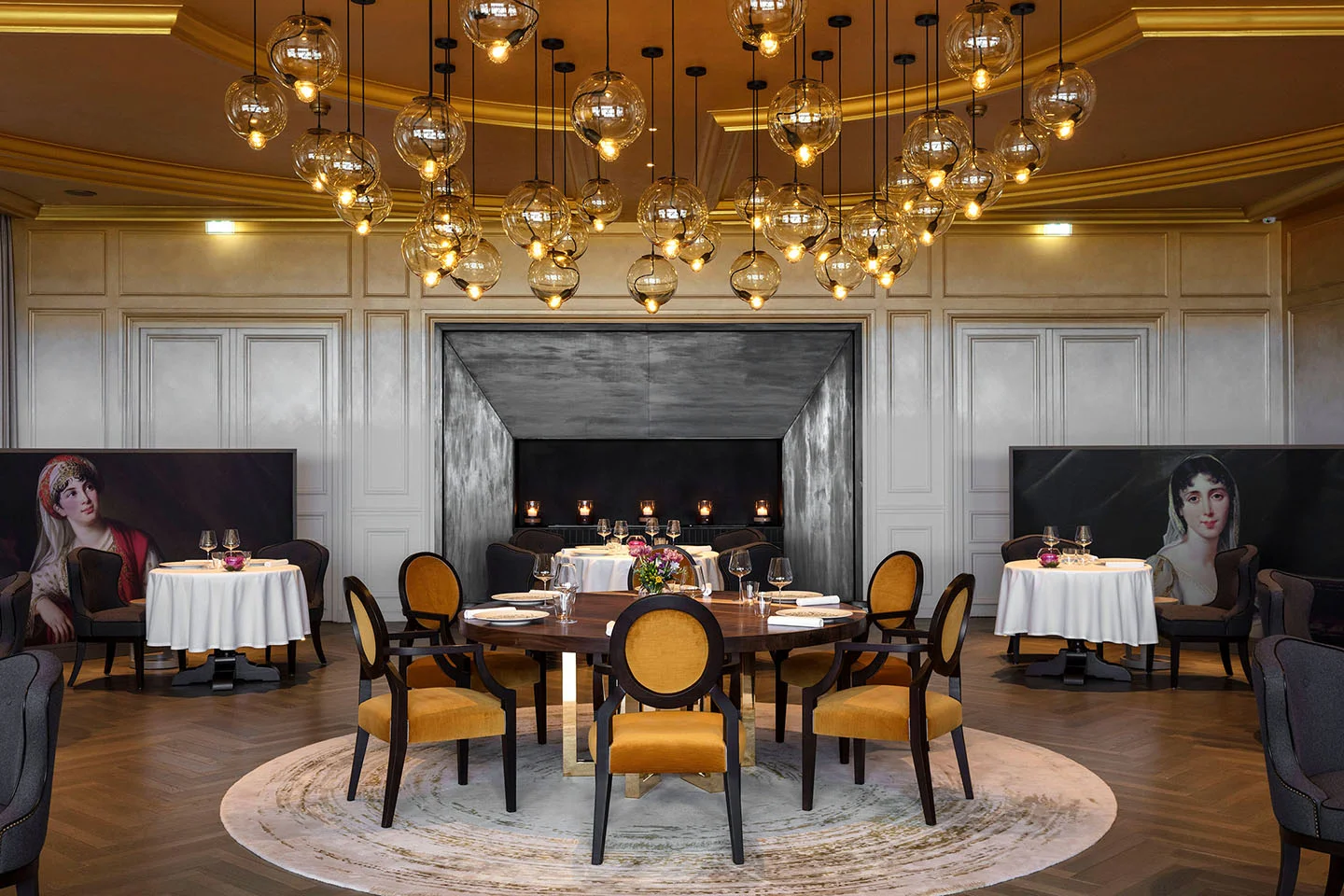
The Texture Pairing Playbook: Wood with Linen, Stone and Brass
Discover the art of balancing wood, linen, stone, and brass. This design-led guide explores how to combine these raw materials for a timeless interior.
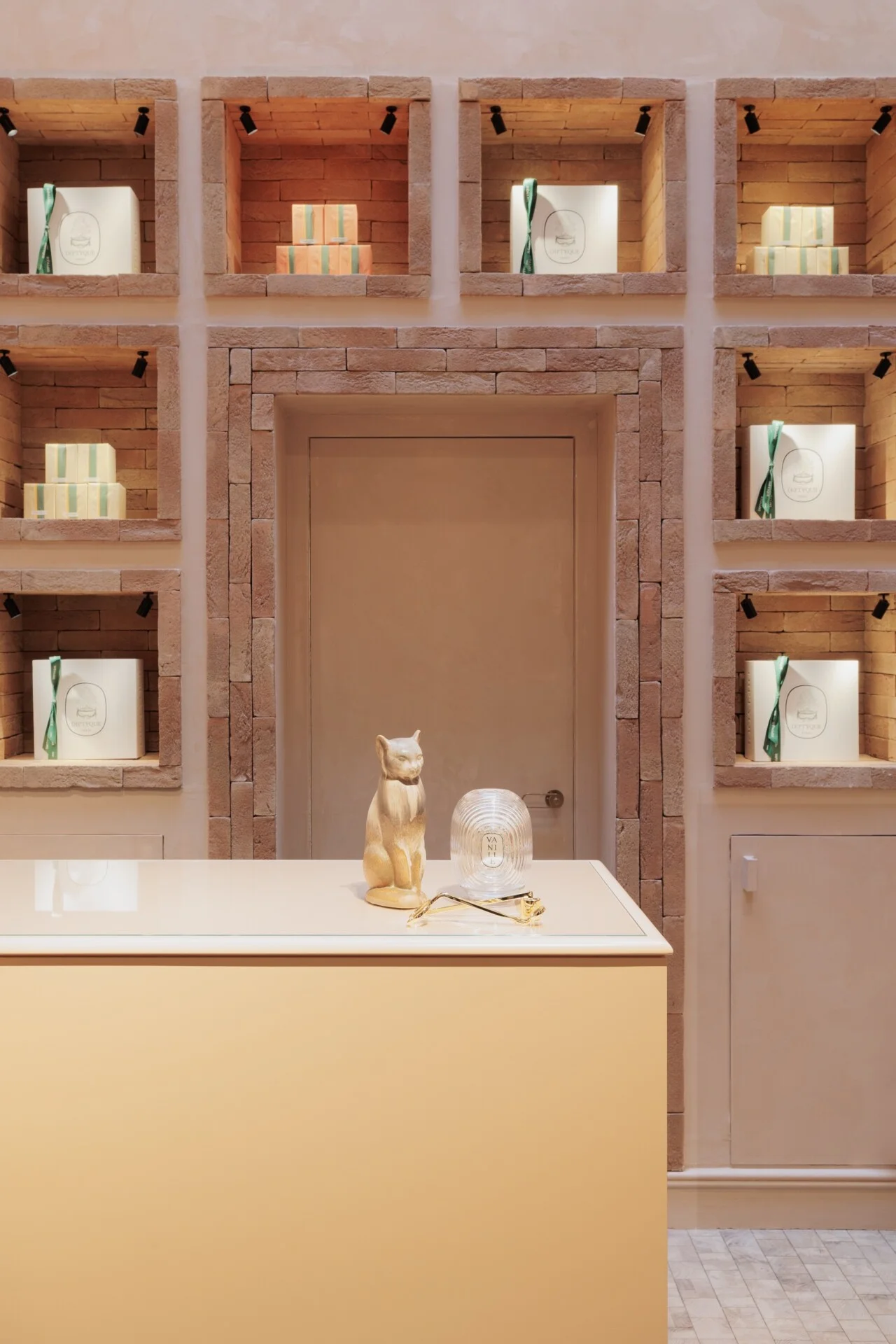
Wood Floor Direction: Which Way Should Boards Run?
An expert guide on choosing the optimal wood floor direction. Learn how natural light, entry axes, and room proportions dictate board layout.