
How to Clean Wood Floors Without Damaging Them: A Science-Backed Guide
A master craftsman's guide to the low-moisture, lipid-rich maintenance of luxury timber surfaces.
Cleaning architectural wood floors safely requires shifting from aggressive cleaning to gentle material stewardship. To clean wood floors without damaging them, use a dry-sweeping routine with a natural soft-bristle broom, followed by a barely-damp microfiber flat mop using pH-neutral, lipid-rich soap. This prevents water from penetrating the wood fibers while preserving the protective surface barrier.
- Excess moisture is the primary cause of timber warping, cupping, and finish delamination.
- Steam mops should never be used, as high-pressure heat forces moisture deep into the wood cells.
- Penetrating oil finishes require lipid-replenishing, pH-neutral soaps to rebuild their protective barrier.
- Lacquered surfaces must be cleaned with specialized residue-free formulas to avoid a cloudy buildup.
- Abrasives like heavy vacuum beaters or plastic bristles must be avoided to prevent microscopic scratching.
What is the science behind wood floor cleaning?
Wood is a highly hygroscopic, capillary-active material that naturally expands and contracts in response to ambient moisture and liquid water. Safe wood floor cleaning relies on understanding how the wood’s surface finish—whether a breathable penetrating oil or a sealed polyurethane lacquer—interacts with water and chemical surfactants at a cellular level.
When liquid water is allowed to pool on timber, it enters the microscopic vascular channels of the wood. This is especially true for end-grain flooring, where the wood is cut across the growth rings, exposing thousands of vertical capillary tubes. Excessive moisture causes these cells to swell unevenly, leading to dimensional instability such as cupping, crowning, or checking. According to guidelines by the National Wood Flooring Association (NWFA), maintaining a stable indoor relative humidity of 30% to 50% is the foundation of protecting any fine wood floor, but daily maintenance methods dictate how long the protective finish itself will last.

How does the surface finish dictate your wood floor cleaning routine?
Your wood floor cleaning routine must align directly with the specific finish applied to the timber, as oiled and lacquered surfaces interact differently with cleaning agents. Oiled floors require lipid-rich soaps that replenish natural oils, whereas lacquered floors require residue-free, non-filming cleaners that preserve the sealed topcoat.
Architectural wood surfaces generally fall into two distinct finish categories: open-pore (penetrating oils or hardwax oils) and closed-pore (polyurethane or acrylic lacquers). Applying an alkaline detergent to an oiled floor will strip its protective lipids, leaving the raw timber exposed and vulnerable to staining. Conversely, applying lipid-rich oil soaps to a sealed, lacquered floor will create a smeary, grease-like film that attracts dust and is difficult to remove. Understanding these differences is the first step to mastering how to clean wood floors safely.
| Finish Type | Protective Mechanism | Best Cleaning Agent | Major Maintenance Risk | Spot-Repairable? |
|---|---|---|---|---|
| Penetrating Oil / Hardwax | Saturates wood pores; protects from within while remaining fully breathable. | pH-neutral natural wood soaps (lipid-replenishing). | Harsh alkaline cleaners strip the oil, exposing raw wood. | Yes, easily spot-sanded and re-oiled locally. |
| Polyurethane Lacquer | Forms an impermeable plastic-like film over the surface of the wood. | Residue-free, neutral synthetic wood cleaners. | Abrasive cleaners scratch the film; steam mops peel the lacquer. | No, requires full sanding and refinishing of the room. |
What is the best mop for wood floors?
The best mop for wood floors is a flat microfiber mop head paired with a fine-mist spray mechanism that regulates moisture output. This specialized design prevents water pooling and ensures that only a minimal, uniform amount of water and pH-neutral cleaner touches the timber surface, drying within seconds.
Traditional cotton string mops and sponge mops hold far too much water, which easily seeps between the joints of the boards or blocks. This excess water acts as a catalyst for rot and structural shifting. When executing a safe clean hardwood floor routine, a high-quality flat microfiber mop is indispensable. Microfiber is uniquely engineered to grab microscopic dust and grit without scraping the surface. The pad should be lightly misted—never soaking wet—to lift away surface soil while respecting the delicate balance of the wood's moisture content.

What cleaning products should you absolutely avoid?
To clean hardwood floor surfaces without damaging them, you must avoid steam mops, harsh alkaline detergents, ammonia, vinegar, and silicone-based polishes. These products strip protective finishes, cause wood fibers to swell, and leave behind cloudy, irreversible chemical residues that permanently dull the surface patina.
Many homeowners believe that natural household ingredients like white vinegar are safe, but vinegar is highly acidic (with a pH of approximately 2.4). Over time, this acid eats away at both polyurethane lacquers and natural hardwax oils, leaving the floor looking dull and lifeless. Steam mops are even more destructive; they force pressurized, high-temperature water vapor deep into the joints of the wood, which quickly leads to adhesive failure, cupping, and wood rot. Furthermore, avoiding silicone- or wax-based "restorers" is essential, as they create an artificial layer that prevents future coats of finish from adhering, requiring costly professional sanding to correct, a preservation principle highlighted in historic building conservation studies.
What is the step-by-step safe routine for daily and weekly care?
A safe wood floor cleaning routine consists of daily dry-sweeping with a natural horsehair broom to remove abrasive particles, followed by a weekly low-moisture damp mop using a pH-neutral wood soap. This dual approach prevents microscopic scratching from dirt while maintaining the wood's protective surface layer.
To establish an effective preservation ritual for your space, follow this simple, disciplined routine:
- Dry Soil Removal: Sweep the floor daily using a soft-bristle horsehair broom or a vacuum cleaner designed specifically for hard surfaces (ensure the beater bar is turned off to prevent plastic parts from scraping the wood). This removes dust and abrasive grit before they can be ground into the finish by foot traffic.
- Damp Mop Preparation: Dilute a high-quality, pH-neutral wood soap (such as a traditional Swedish linseed oil soap for oiled floors) in lukewarm water according to the manufacturer’s instructions. Mists or sprays are highly recommended to control the water volume.
- Controlled Mopping: Dip your microfiber pad into the solution and wring it out completely until it is barely damp to the touch, or spray the floor lightly in sections. Wipe the floor following the direction of the wood grain, ensuring no standing water remains on the surface.
- Natural Air Drying: Let the floor air dry naturally, which should take no more than two to three minutes. If moisture persists, pass a clean, dry microfiber cloth over the wet areas immediately.

How should you handle spills and spot repairs on wood floors?
Liquid spills must be blotted immediately with a dry microfiber cloth to prevent water from penetrating the wood joints and causing localized swelling. For oiled or end-grain floors, minor scratches and stubborn stains can be gently hand-sanded and re-oiled locally, avoiding the need to refinish the entire room.
Spills are inevitable, but they do not have to result in permanent damage. The moment a liquid lands on the floor, blot it rather than wiping it aggressively, which can spread the moisture across more joints. For premium breathable floors, such as those crafted by master ateliers like OscarOno, a minor scratch or stubborn water mark is not a disaster. Unlike lacquered floors—which require a complete, dust-heavy sand-and-refinish of the entire room when damaged—oiled wood can be spot-repaired. Simply sand the affected block gently down the grain, apply a matching coat of natural oil, and buff it dry to blend the repair seamlessly into the surrounding surface. Over time, these minor repairs and natural wear merge into a beautiful, living patina that tells the story of the home.
Frequently Asked Questions About Safe Wood Floor Care
How often should you mop wood floors?
Wood floors should be damp-mopped no more than once a week or once every two weeks, depending on foot traffic. Daily care should be strictly dry, utilizing a soft-bristle broom or dust mop to remove abrasive dirt and debris without introducing moisture.
Can you use vinegar and water to clean wood floors?
No, you should never use vinegar and water to clean wood floors. Vinegar is highly acidic and will slowly break down the protective finish of both oiled and lacquered floors, leaving the wood dull, dry, and vulnerable to water damage.
Are steam mops safe for hardwood floors?
No, steam mops are highly destructive to hardwood floors. The high-pressure steam forces heat and moisture deep into the wood cells and joints, which causes the wood to warp, cup, rot, and can lead to finish delamination.
What should you do if water pools on your wood floor?
If water pools on your wood floor, blot it immediately with a highly absorbent dry microfiber towel. Avoid scrubbing the area, and ensure the room is well-ventilated to help any residual moisture evaporate quickly from the joints.
More from the Atelier
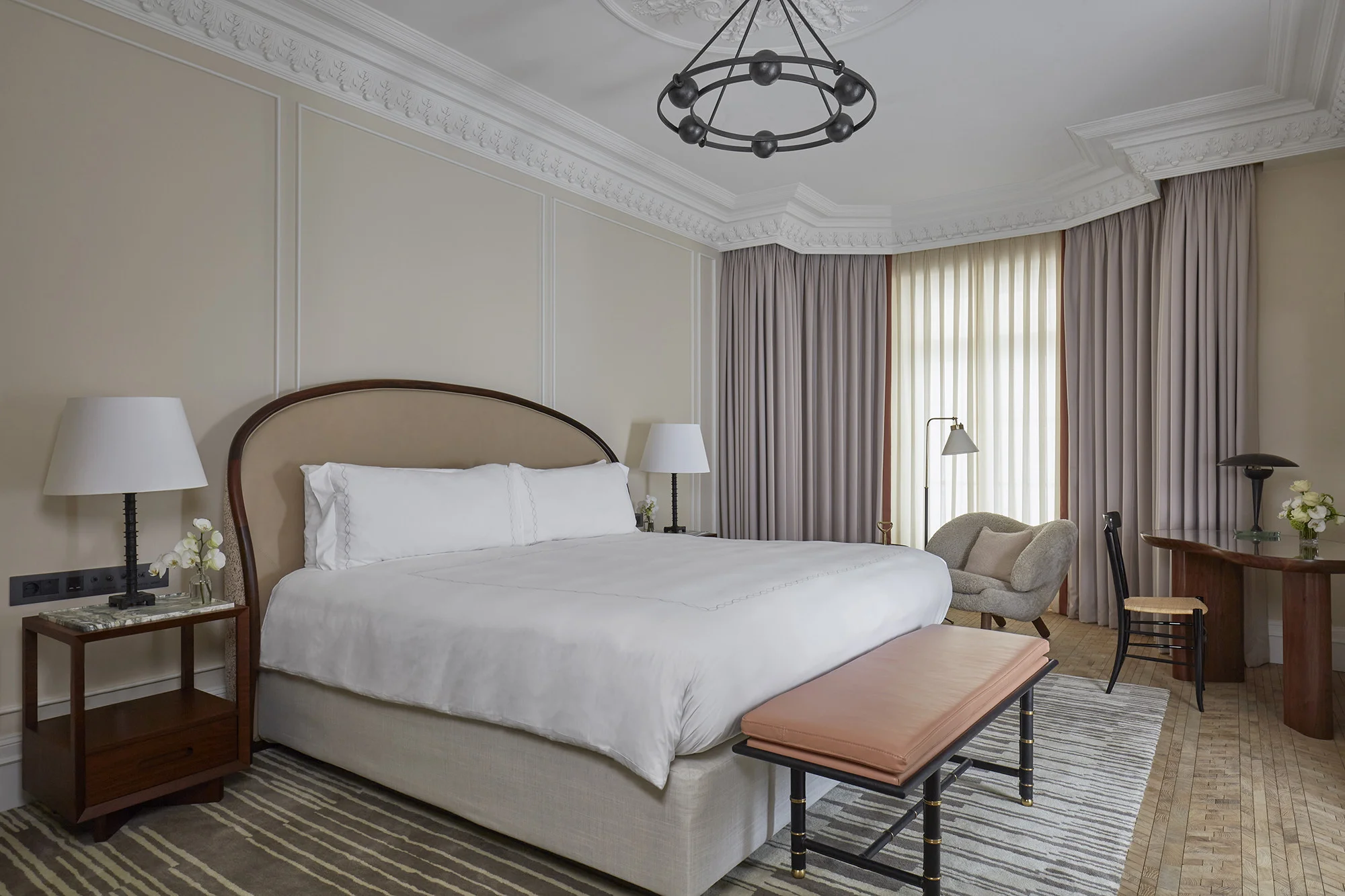
Restoring an Old Parquet Floor: Is It Worth Saving?
Discover how to assess, repair, and preserve historical parquet floors. Learn the difference between aggressive modern sanding and furniture-grade conservation.
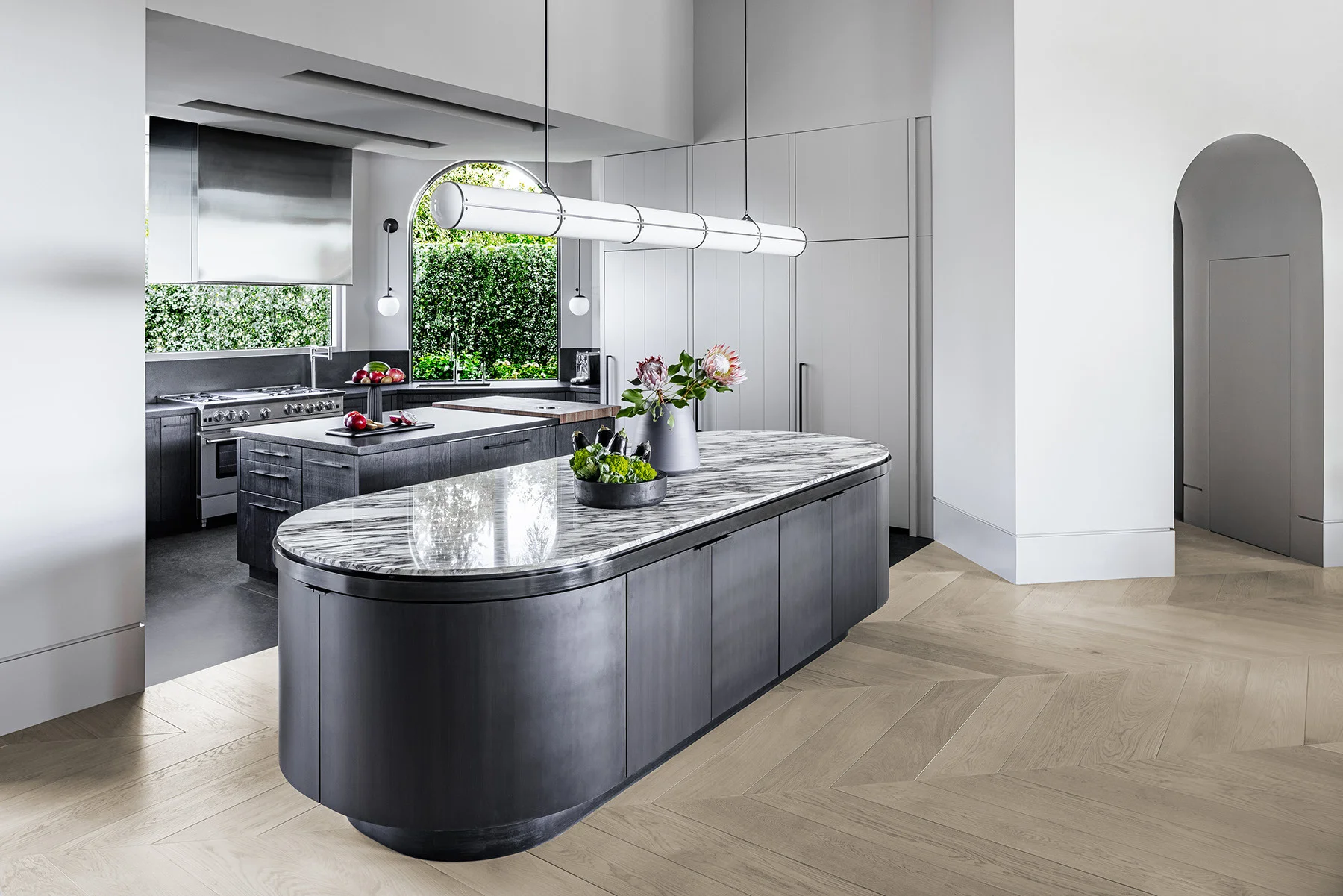
Why Does a Squeaky Wood Floor Happen, and How Do You Fix It?
A deep dive into why wood floors squeak, exploring the physics of timber friction, seasonal humidity, and the structural remedies that restore quiet luxury.

How Is Parquet Installed? Glue-Down vs Floating Floors
Demystify the choice between glue-down and floating parquet installations. Explore how these fitting methods impact acoustics, thermal efficiency, and longevity.