
Mastering Outdoor Wood Care: A Year-Round Deck Maintenance Guide
Protect premium timber, embrace natural silvering, and preserve structural integrity.
Mastering outdoor wood care requires protecting the timber's cellular structure from moisture while allowing the surface to weather gracefully. Rather than sealing premium wood with suffocating films, correct deck maintenance involves using breathable, deep-penetrating oils or reactive silicates. This dual approach stops rot, splitting, and warping from within, allowing the surface cellulose to transition into a uniform, luminous silver-grey patina.
- Premium hardwoods and modified timbers weather naturally due to UV radiation breaking down surface lignin.
- High-pressure washing is strictly forbidden because it tears wood fibers and permanently damages the grain.
- Deep-penetrating, non-film-forming oils preserve internal moisture balance without peeling or cracking.
- Silicate-based reactive treatments accelerate a uniform silver-grey patina while reinforcing wood density.
- Annual gentle cleaning with pH-neutral or oxygen-active washes prevents mold, mildew, and decay.
Why does an outdoor wood deck turn silver over time?
An outdoor wood deck turns silver due to photo-oxidation, where solar ultraviolet (UV) radiation breaks down lignin—the natural organic polymer that binds wood cellulose fibers together and gives timber its warm pigment. Once UV rays degrade this surface lignin, rain washes it away, leaving behind a highly reflective layer of grey cellulose that acts as a natural, light-diffracting shield.
This natural transition, often celebrated in "Beach Modern" and wabi-sabi architectural styles, does not inherently compromise the structural integrity of dense hardwoods or modified timbers. However, while the silvering itself is harmless, unchecked exposure to moisture cycles can cause structural wood cells to swell and shrink rapidly. Without correct breathability, this tension leads to checking, splitting, cupping, and warping. At the OscarOno design atelier, wood is treated as a living medium, a philosophy that extends from Parisian interiors to the open air where weathering is curated rather than fought.
Solid Timber vs. Modified Wood — Weathering Characteristics
Different wood species display unique structural stabilities and visual transitions when exposed to the elements. While dense hardwoods rely on natural oils to resist decay, modified timbers like Accoya or Thermally Modified Ash utilize chemical or thermal alteration to achieve exceptional dimensional stability, ensuring they weather with minimal movement.
| Material / Species | Weathering Rate | Dimensional Stability | Primary Maintenance Need | Visual Transition |
|---|---|---|---|---|
| Teak | Very Slow | Exceptional | Annual light cleaning & light oiling | Deep golden brown to velvet silver-grey |
| Accoya (Acetylated) | Slow | Superior | Surface cleaning, optional silicates | Pale cream to highly uniform ash-grey |
| Thermal Ash (Thermory) | Medium | High | Penetrating non-film oil | Dark chocolate to deep slate-grey |
| Siberian Larch | Medium | Moderate | Protective penetrating oil | Golden yellow to rustic weathered grey |

How do you clean a weathered wood deck safely?
To clean a weathered wood deck safely, apply a pH-neutral or oxygen-active cleaner using a soft-bristled brush or a soft-padded rotary cleaner, then rinse gently with a garden hose. High-pressure washers must be strictly avoided, as the intense water force tears the wood fibers, raises the grain, and leaves permanent, unsightly "zebra marks" across the timber surface.
According to advanced timber durability studies, pressure washing strips away the soft earlywood, leaving a rough, splintered surface that traps water and spores. Instead, oxygen-active cleaners (such as sodium percarbonate) break down dirt, mold, and grey oxidized surface cells without damaging the underlying wood structure. This gentle chemical action preserves the barefoot luxury of a smooth, tactile, velvet-like surface that stays comfortable underfoot during hot summer days.
Should you oil decking, or let it weather naturally?
Whether you should oil decking or let it weather depends on your aesthetic goals, but both approaches require internal moisture protection. Letting a deck weather naturally to a silver patina still requires a breathable, non-film-forming treatment to prevent cracking, while oiling preserves the original warm wood tones but demands regular reapplications.
Traditional film-forming varnishes crack and peel under intense UV exposure, trapping moisture underneath and accelerating rot. Modern wood weathering research recommends two primary protective paths for high-end decks:
"The most successful outdoor timber installations do not fight the elements; they use advanced, non-film-forming moisture barriers to protect the wood's internal cellular matrix while allowing the surface to interact naturally with the sun and rain."
Deep-penetrating mobile oils, such as CUTEK Extreme, penetrate deep into the wood's cellular structure to displace moisture from the inside out while remaining mobile within the wood. They do not form a surface film, meaning the wood can still weather to a silver-grey if no color tints are added, but it will remain structurally stable. Alternatively, silicate-based wood modification systems, such as Sweden's SiOO:X, use reactive silicon technology to cure within the wood fibers, strengthening the timber and accelerating a highly uniform, luminous silver-grey patina. This mimics the natural weathering process but prevents the uneven, patchy coloration often caused by differential weathering under deep eaves or heavy outdoor furniture.
What is a year-round deck maintenance schedule?
A successful year-round deck maintenance schedule focuses on proactive debris removal in autumn, gentle cleaning in spring, and targeted moisture checks before winter. Structuring care around seasonal shifts ensures that premium timber surfaces remain clear of organic rot-promoters while allowing the wood to breathe and age beautifully.
- Spring: The Deep Clean & Assessment. Wash away winter soot, pollen, and algae using an oxygen-active deck cleaner. Apply breathable penetrating oils or silicate touch-ups to high-exposure areas. This is when you enjoy the earthy aromas of natural, solvent-free oils curing in the spring air.
- Summer: Monitoring and Protection. Inspect for differential weathering under furniture. Ensure flower pots and heavy items are elevated on small feet to prevent localized damp spots and uneven silvering. Enjoy the barefoot luxury of the wood's tactile velvet surface.
- Autumn: Debris Management. Sweep away fallen leaves, pine needles, and organic debris immediately. Trapped wet leaves release tannins that stain the wood and create damp microclimates ideal for fungal growth.
- Winter: Ventilation and Drainage. Keep drainage gaps between deck boards clear of ice and packed snow. Standing water is the primary catalyst for cupping and rot in cold climates. Admire the rain-slicked shift as the weathered timber turns into a deep, rich charcoal-slate when wet.
Frequently Asked Questions about Outdoor Wood Care
How often should I oil my deck if I want to keep its natural colour?
To preserve the natural, warm wood tones of your deck, you should apply a high-quality, deep-penetrating oil once or twice a year, depending on solar exposure. Heavily exposed decks facing south or west typically require biannual maintenance, while shaded decks can easily go twelve to eighteen months between applications.
Can I reverse the silver-grey weathered look of my deck?
Yes, you can reverse the silver-grey weathered look by applying an oxalic acid-based wood restorer or deck brightener. Oxalic acid breaks down the grey, oxidized surface cellulose and lifts embedded dirt, restoring the timber's original warm golden pigments without damaging the wood fibers.
What is differential weathering, and how do I prevent it?
Differential weathering is the uneven silvering of a deck caused by varying levels of UV and moisture exposure, such as under deep roof eaves or heavy outdoor furniture. You can mitigate this by occasionally rearranging your outdoor furniture and applying reactive silicate treatments, which help accelerate a uniform silver-grey patina across both exposed and sheltered areas.
Why are pressure washers forbidden for high-end wood decks?
Pressure washers are forbidden because their high-velocity water jets easily exceed the shear strength of wood fibers, causing the grain to raise, splinter, and fuzz. This destructive process permanently ruins the smooth, barefoot-friendly texture of premium hardwoods and creates micro-fissures that trap water, accelerating decay.
More from the Atelier
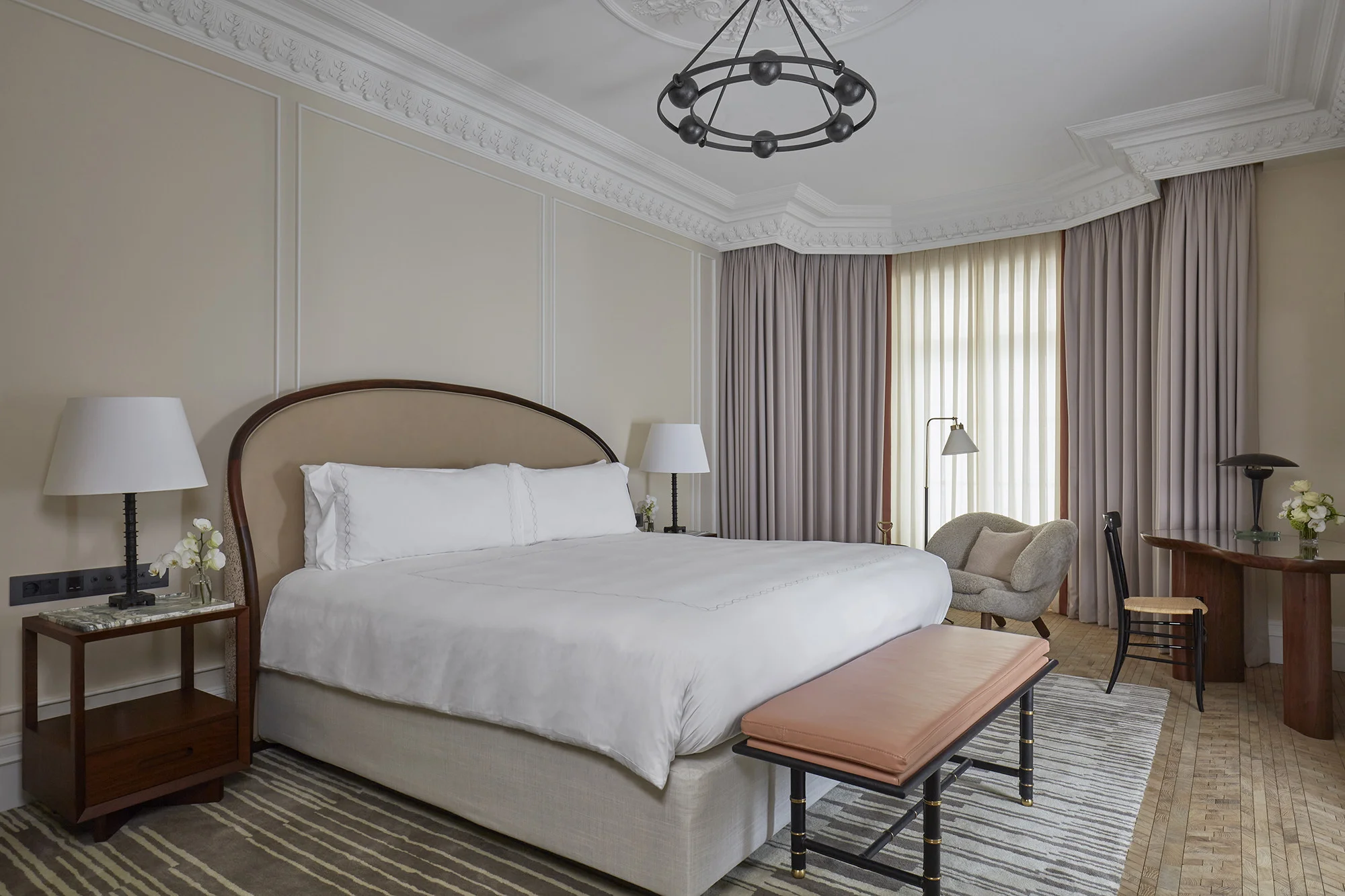
Restoring an Old Parquet Floor: Is It Worth Saving?
Discover how to assess, repair, and preserve historical parquet floors. Learn the difference between aggressive modern sanding and furniture-grade conservation.
Why Does a Squeaky Wood Floor Happen, and How Do You Fix It?
A deep dive into why wood floors squeak, exploring the physics of timber friction, seasonal humidity, and the structural remedies that restore quiet luxury.

How Is Parquet Installed? Glue-Down vs Floating Floors
Demystify the choice between glue-down and floating parquet installations. Explore how these fitting methods impact acoustics, thermal efficiency, and longevity.