
How to Prevent Wood Floor Sun Fading: A Scientific Guide
Understanding photo-oxidation, species alchemy, and advanced protective finishes.
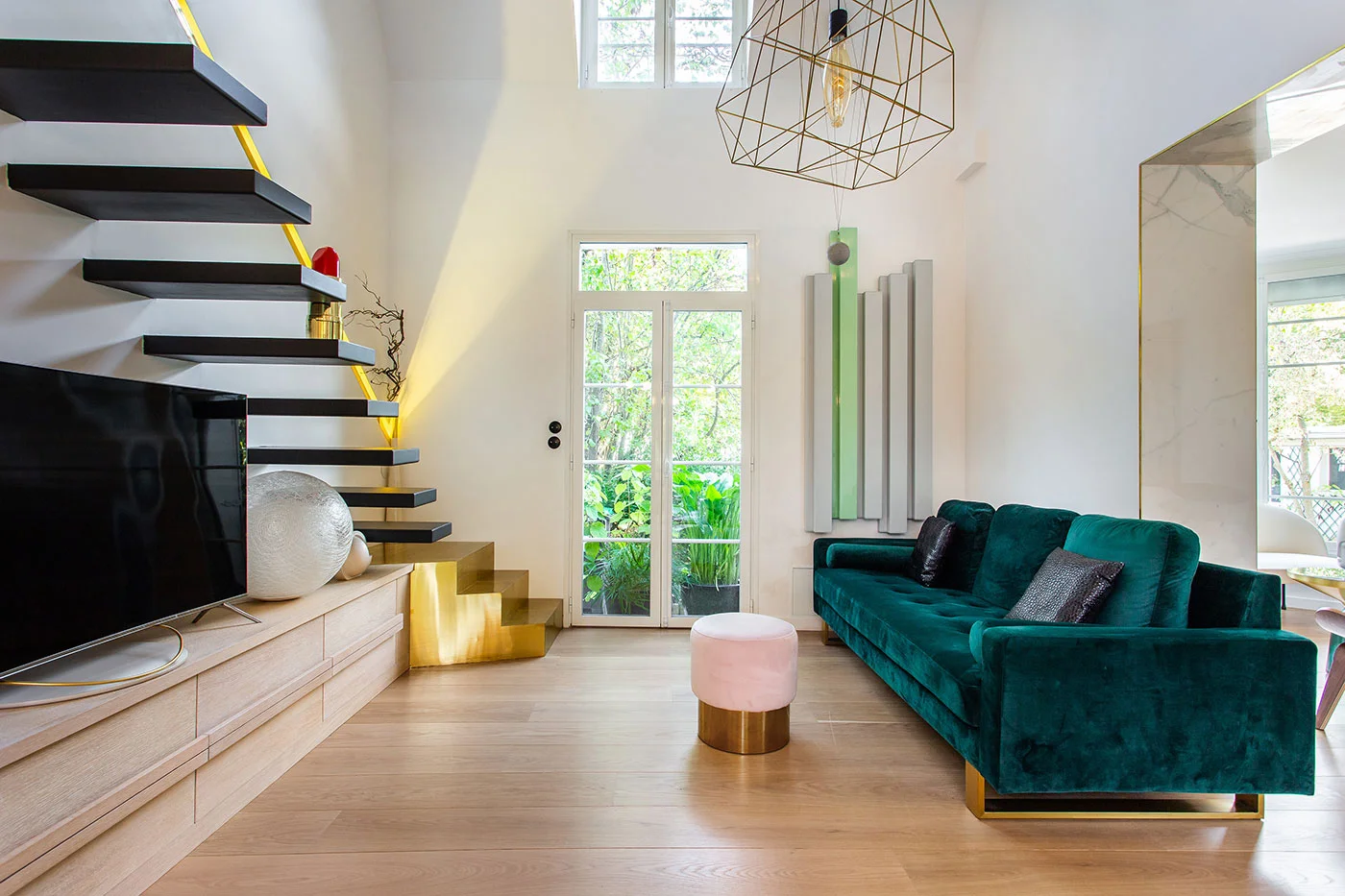
Wood floor sun fading is primarily caused by photo-oxidation, a chemical reaction where ultraviolet (UV) light breaks down lignin in the wood cells. While you cannot completely stop this organic process, you can significantly mitigate it using advanced architectural glazing, specialized finishes with UV inhibitors, and strategic interior layout rotation during the floor's initial maturation phase.
- Photo-Oxidation: Ultraviolet light in the 330–380 nm range reacts with lignin, triggering a permanent color shift.
- Species Alchemy: Different species react uniquely; oak ambers, walnut lightens, and exotic woods rapidly darken.
- Advanced Finishes: Water-based coatings with Hindered Amine Light Stabilizers (HALS) shield wood without yellowing artificially.
- Architectural Glazing: Low-E and laminated glass block up to 99% of UV radiation before it enters the interior.
- The Patina Phase: Leaving floors rug-free for the first 12 to 24 months ensures even, uniform solar maturation.
Why does sunlight cause wood floors to fade or change color?
Sunlight causes wood flooring to change color through a photochemical reaction known as photo-oxidation. When ultraviolet (UV) radiation in the 330–380 nm range strikes the wood, it alters the molecular structure of lignin, the natural polymer binding wood fibers together. This reaction causes a visible, permanent color shift across the surface, transforming the wood's initial character into a deeper or lighter tone.
It is crucial to distinguish between the effects of ultraviolet light and infrared light on timber. While UV radiation is solely responsible for color shifts and fading, infrared light—which carries solar heat—causes physical movement in the wood. Excessive infrared exposure leads to dry, high-temperature microclimates that can cause wood planks to shrink, cup, or crack. A comprehensive protection strategy must address both spectral ranges to preserve both the color and structural integrity of the floor.
How do different wood species react to UV light?
Different wood species exhibit distinct photochemical reactions when exposed to sunlight, meaning some will darken while others lighten. European oak and ash gradually amber into warm golden tones, walnut transitions from deep espresso to a lighter bronze, and photosensitive exotics like cherry and teak rapidly deepen. Predicting these shifts is essential for curating an interior that ages gracefully over decades.
This species-specific alchemy means that a color palette selected in a showroom will evolve once installed in a sun-drenched space. Rather than viewing this as a defect, architects frame this transformation as a living patina. The table below outlines how common architectural hardwoods respond to solar exposure.
| Wood Species | Original Appearance | Reaction to UV Light | Rate of Transformation |
|---|---|---|---|
| European Oak | Pale biscuit, cool straw | Gently ambers to golden honey | Moderate / Gradual |
| North American Walnut | Deep, cool espresso brown | Lightens to a warm, sun-kissed bronze | Moderate |
| American Cherry | Muted pinkish-brown | Darkens rapidly to rich, saturated red-brown | Fast |
| African Teak (Iroko) | Yellowish-green to golden brown | Matures to a deep, uniform golden bronze | Fast |
| European Ash | Very pale, creamy white | Shifts to a warm straw or soft amber | Moderate / Gradual |
What are the best finishes to prevent wood floor sun fading?
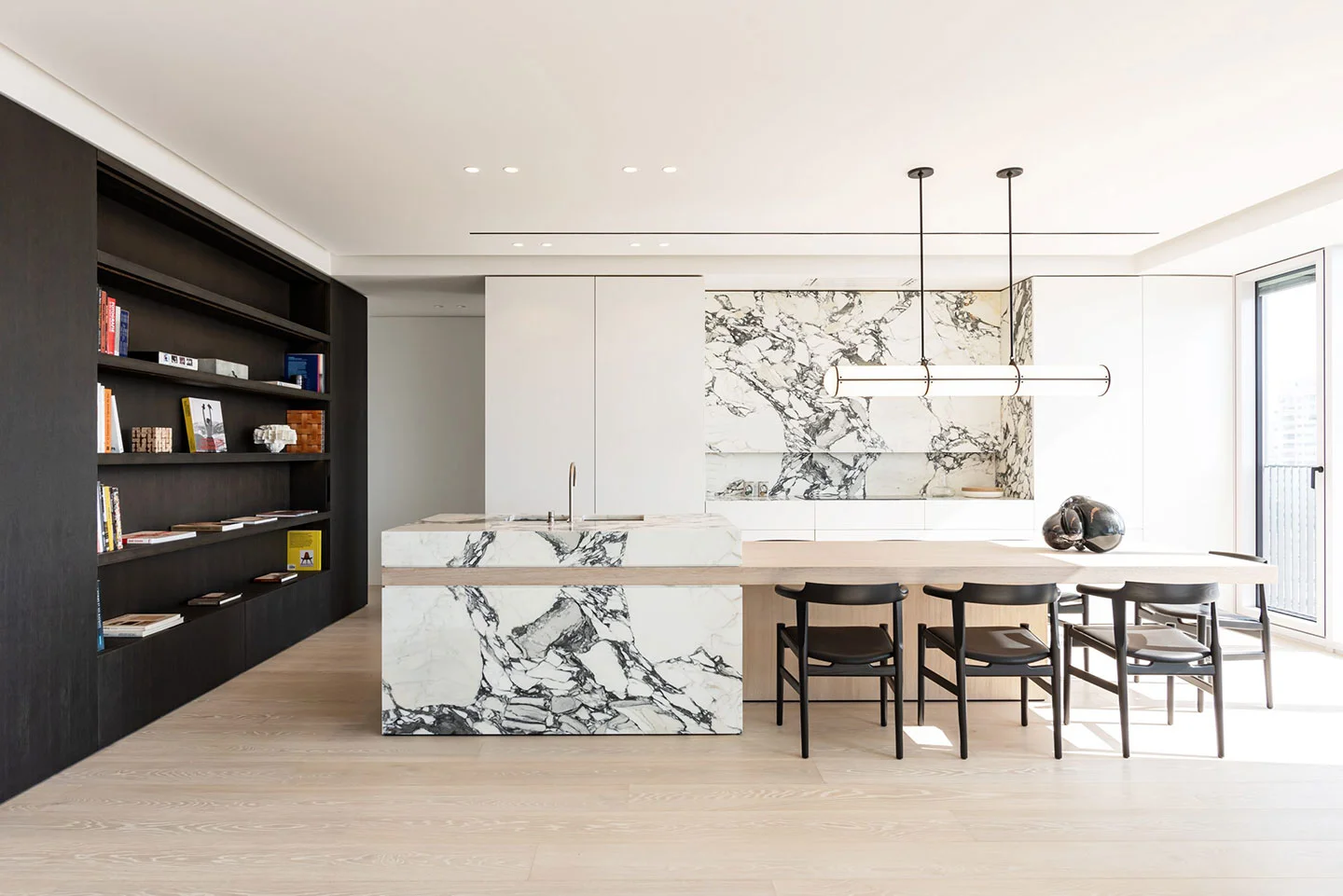
The best finishes to prevent wood floor sun fading are water-based coatings formulated with Hindered Amine Light Stabilizers (HALS) and active UV absorbers. Unlike traditional oil-based polyurethanes that amber artificially over time, these advanced finishes act as a chemical shield, preserving both the wood's original hue and its raw, matte texture.
These specialized finishes work by absorbing harmful UV radiation and dissipating it as harmless heat before it can reach the wood’s cellular structure. Designers specify ultra-matte water-based polyurethane or hardwax oils infused with these stabilizers to maintain the dry, velvety, tactile feel of the timber, ensuring the surface looks and feels like untreated wood while benefiting from high-performance protection.
"The integration of light stabilizers within wood coatings is essential for maintaining the aesthetic integrity of architectural surfaces. Without these molecular shields, photo-oxidation rapidly degrades the surface lignin, leading to premature discoloration and loss of wood character."
For those seeking the absolute cutting edge of sustainable material science, the organic frontier is yielding exciting new solutions. An innovative partnership between the Fraunhofer Institute IVV and Naturhaus Naturfarben has successfully developed a 100% organic, non-toxic, protein-based UV barrier. This emerging technology is designed specifically to protect oak flooring from yellowing without relying on synthetic chemicals, pointing toward a future where luxury surface preservation aligns perfectly with green chemistry.
How can architectural glazing protect interior wood surfaces?
Architectural glazing protects wood floors by intercepting solar radiation before it enters the living space. By specifying double- or triple-glazed Low-Emissivity (Low-E) glass combined with laminated interlayer films, architects can block up to 99% of damaging UV rays while still flooding the interior with visible natural light.
Modern residential and hospitality projects frequently feature expansive, floor-to-ceiling glass facades. To prevent these light-filled spaces from turning into accelerated fading chambers, the specification of high-performance glass is paramount. Laminated glass can block more than 99% of UV light, as detailed in technical analyses of architectural glazing performance, providing an invisible barrier that works in tandem with the wood's surface finish to preserve the flooring.
What is the "Patina Phase" protocol for new wood floors?
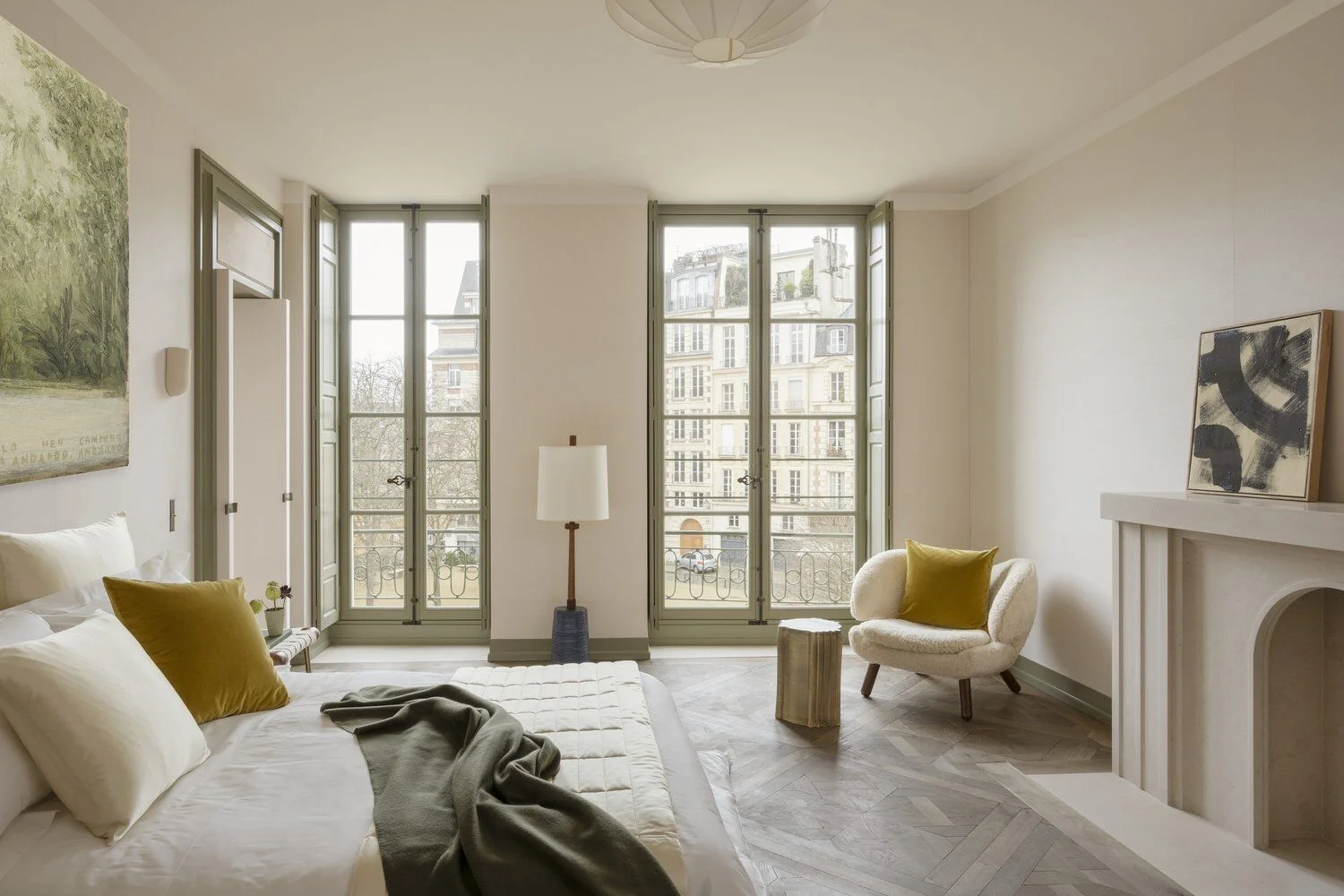
The "Patina Phase" protocol is a strategic preservation practice during the first 12 to 24 months post-installation where the floor is left uncovered to photosensitize evenly. Avoiding heavy area rugs and routinely rotating furniture during this critical window ensures that the inevitable solar maturation occurs uniformly, preventing sharp, unsightly shadow lines.
A classic, yet distressing, sensory experience for many homeowners is lifting a heavy wool rug after a year of occupancy only to find a sharp, clean-edged "shadow" underneath. This unoxidized time capsule reveals the wood's original hue in stark contrast to the matured, sun-exposed floor around it. By leaving the floor entirely open during its initial photosensitive phase, the entire surface matures at the same pace. Once the baseline color transition has stabilized, rugs and heavy furniture can be introduced with minimal risk of creating permanent, contrasting shapes.
Frequently Asked Questions about Wood Floor Sun Fading
Does engineered wood fade faster than solid wood?
Engineered wood flooring does not fade faster than solid wood, as the rate of fading is determined entirely by the wood species of the top wear layer and the finish applied. Because high-quality engineered flooring utilizes a real hardwood wear layer, it undergoes the exact same photochemical photo-oxidation process as a solid plank.
Can fumed or smoked oak floors resist fading better?
Fumed and smoked oak floors have a deep, core-penetrating coloration created by an ammonia reaction rather than a surface stain. While this chemical treatment makes them highly resilient to wear, they will still experience subtle, elegant color shifts under intense, prolonged UV exposure, though they do not yellow in the same manner as untreated oak.
How often should furniture be moved to prevent uneven fading?
During the first year of a wood floor's life, furniture and rugs should be slightly shifted or rotated every three to six months. These minor adjustments allow filtered sunlight to reach previously shaded areas, ensuring that the entire floor photosensitizes evenly and avoids sharp shadow lines.
Do blinds or sheer curtains actually help prevent fading?
Blinds, louvers, and sheer curtains are highly effective tools for mitigating wood floor sun fading. By filtering or deflecting direct sunlight during peak midday UV hours, they significantly reduce the intensity of radiation striking the floor, thereby slowing the rate of photo-oxidation.
More from the Atelier
Restoring an Old Parquet Floor: Is It Worth Saving?
Discover how to assess, repair, and preserve historical parquet floors. Learn the difference between aggressive modern sanding and furniture-grade conservation.
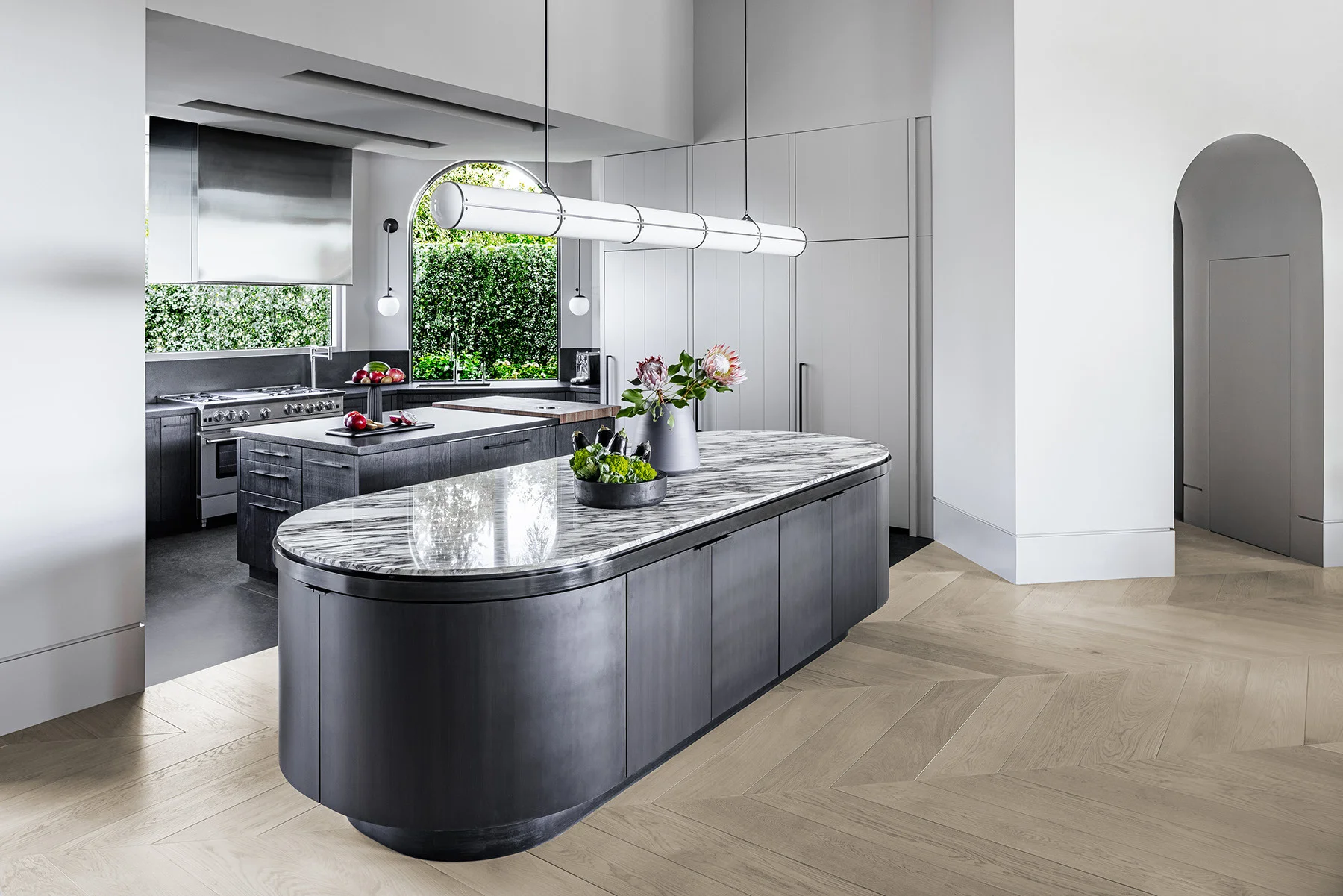
Why Does a Squeaky Wood Floor Happen, and How Do You Fix It?
A deep dive into why wood floors squeak, exploring the physics of timber friction, seasonal humidity, and the structural remedies that restore quiet luxury.
How Is Parquet Installed? Glue-Down vs Floating Floors
Demystify the choice between glue-down and floating parquet installations. Explore how these fitting methods impact acoustics, thermal efficiency, and longevity.