
Material Innovation on Show: Wood at the Big Fairs
From end-grain paving to circular graphite finishes, global exhibitions are redefining architectural wood surfaces.
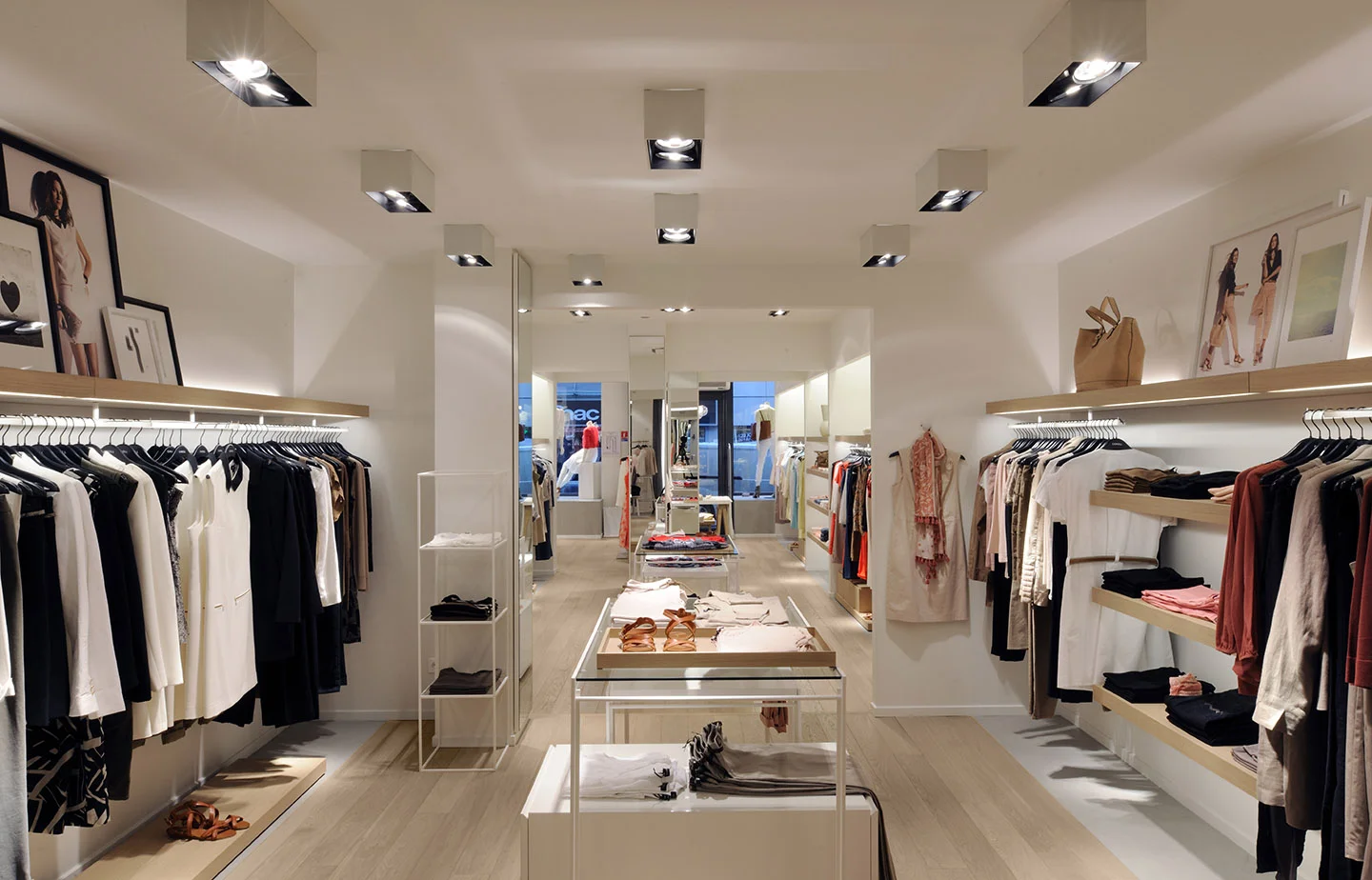
Recent global design exhibitions show that timber innovation has shifted away from sterile, uniform planks toward expressive, character-rich surfaces. Key design fairs like Milan Design Week and Copenhagen’s 3daysofdesign highlight a profound appreciation for natural irregularities, historical end-grain paving techniques, and low-impact circular finishes that honor the living source of the tree.
- Elevating Imperfection: Designers are utilizing lower, cabinet-grade timber with knots and mineral streaks to champion raw material honesty.
- End-Grain Revival: The return of historic 19th-century paving techniques offers industrial-strength durability and organic, concentric growth-ring aesthetics.
- Craft-Led Circularity: Ancient, glue-free joint techniques such as Japanese Sashimono are being reinterpreted as minimalist decorative elements.
- Tactile Circular Finishes: Innovative surface treatments incorporating recycled industrial waste, like graphite powder, offer deep visual and tactile richness.
What are the defining timber innovation trends from recent design weeks?
The defining timber innovation trends at recent design weeks focus on sensory depth, historic structural revival, and resource mindfulness. Rather than treating wood as a flat, uniform canvas, contemporary designers are celebrating its structural depth and natural growth patterns. This is manifested in immersive installations, tactile surface treatments, and a return to historic, highly durable joinery methods that allow timber to be easily disassembled and recycled.
At exhibitions worldwide, wood is no longer presented merely as a surface cladding but as a living, structural narrative. Designers are moving away from heavily processed, homogenized woods in favor of raw, deeply textured finishes that preserve the tree's natural character. By combining historical craftsmanship with modern circular design principles, these exhibitions are setting a new standard for luxury interiors.
Why is the industry embracing "imperfect" wood grades at design exhibitions?
The industry is embracing "imperfect" wood grades at design exhibitions because resource scarcity and environmental stewardship demand a shift away from wasteful aesthetic standards. By showcasing lower-grade timber, designers prove that knots, mineral streaks, and color variations are not defects, but vital design assets. This transition elevates woods that were historically discarded, drastically reducing forest waste while offering interiors a unique, unrepeatable character.
A prime example of this movement was the No.1 Common exhibition presented by the American Hardwood Export Council (AHEC) during 3daysofdesign in Copenhagen. Curated to challenge the design community's obsession with flawless, knot-free timber, the showcase tasked emerging designers with creating functional works using "common" grade red oak, maple, and cherry. Designers like Andu Masebo and Daniel Schofield successfully demonstrated that these raw, highly figured timbers possess an organic warmth and structural integrity that far surpasses sterile, grade-A alternatives.
How does the revival of end-grain wood paving redefine modern surfaces?
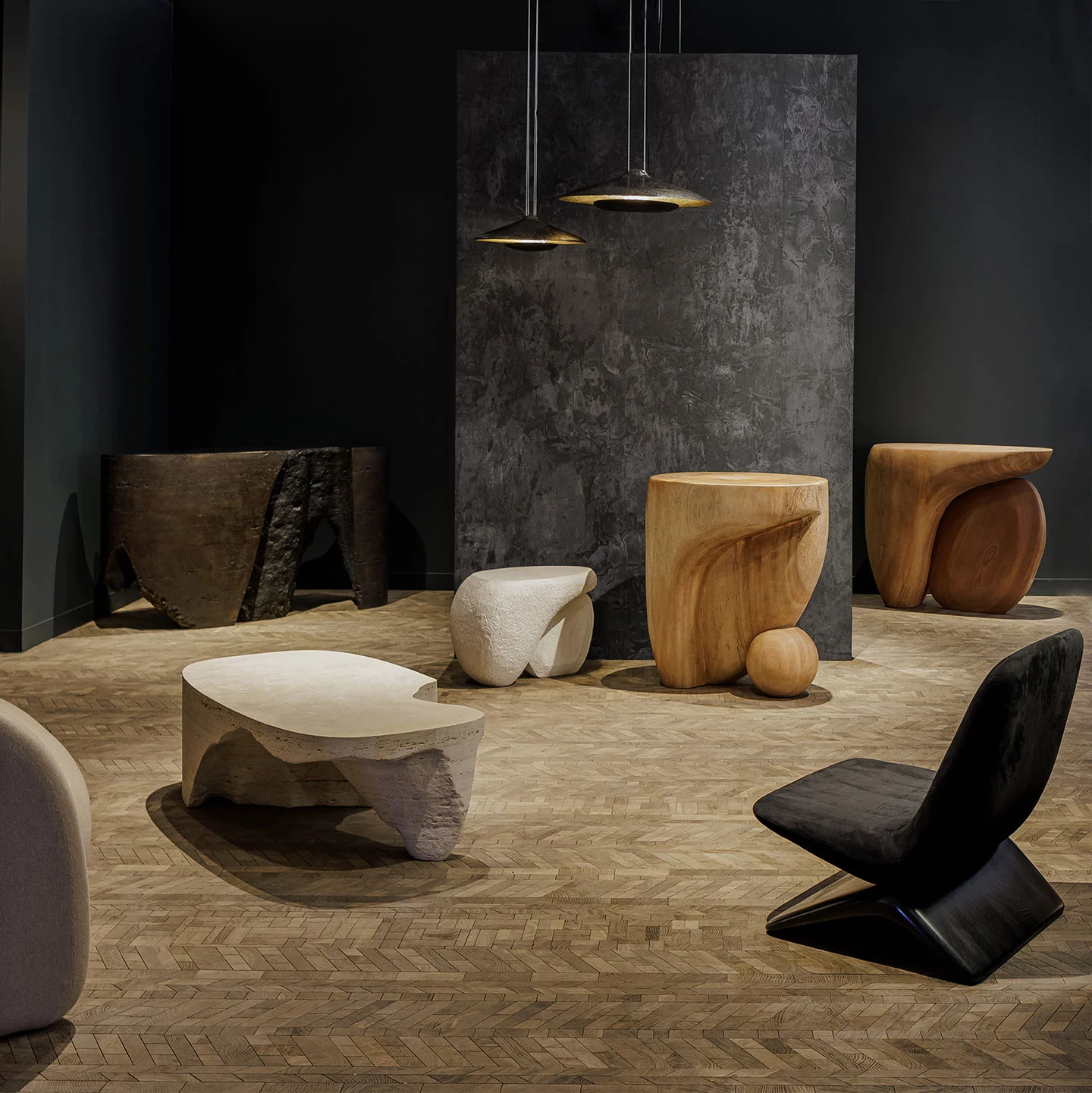
The revival of end-grain wood paving redefines modern surfaces by orienting the timber so its hardest, cross-cut face points upward, exposing concentric growth rings and rustic knots. This orientation historically paved the high-traffic streets of 19th-century Paris and London, and its return offers unmatched acoustic dampening and metallic-strength wear resistance. By turning the wood block on end, designers transform a humble structural material into an exquisite, highly durable architectural canvas.
This historic paving technique—known as pavés de bois—has found a sophisticated modern reinterpretation in collections like Trafic by Marc Sadler for Listone Giordano. Sadler’s design utilizes cross-cut softwood pine, treated to achieve a hardness comparable to hardwood, highlighting the natural beauty of concentric growth rings and branch knots. The resulting surface is incredibly durable, absorbs sound beautifully, and creates a rhythmic, organic grid underfoot that connects the indoor environment directly to the forest floor.
Comparing Modern Timber Innovations at Global Exhibitions
| Innovation Type | Key Exhibition / Collection | Primary Material Used | Core Design Philosophy |
|---|---|---|---|
| Elevated Common Grades | No.1 Common (Copenhagen) | Red Oak, Maple, Cherry | Embracing knots and natural variations to reduce timber waste. |
| End-Grain Paving | Trafic by Marc Sadler | Cross-cut Pine | Reviving historic Parisian street paving for extreme durability and acoustic calm. |
| Sashimono Joinery | Nui by Piero Lissoni | Premium Hardwoods | Replacing glue and screws with visible, dry wood-to-wood interlocking joints. |
| Circular Graphite Finishes | Frassino Graphit | Ash & Recycled Graphite | Using industrial graphite byproducts to create deep, tactile matte black patinas. |
How does ancient joinery serve as modern ornament in timber design?
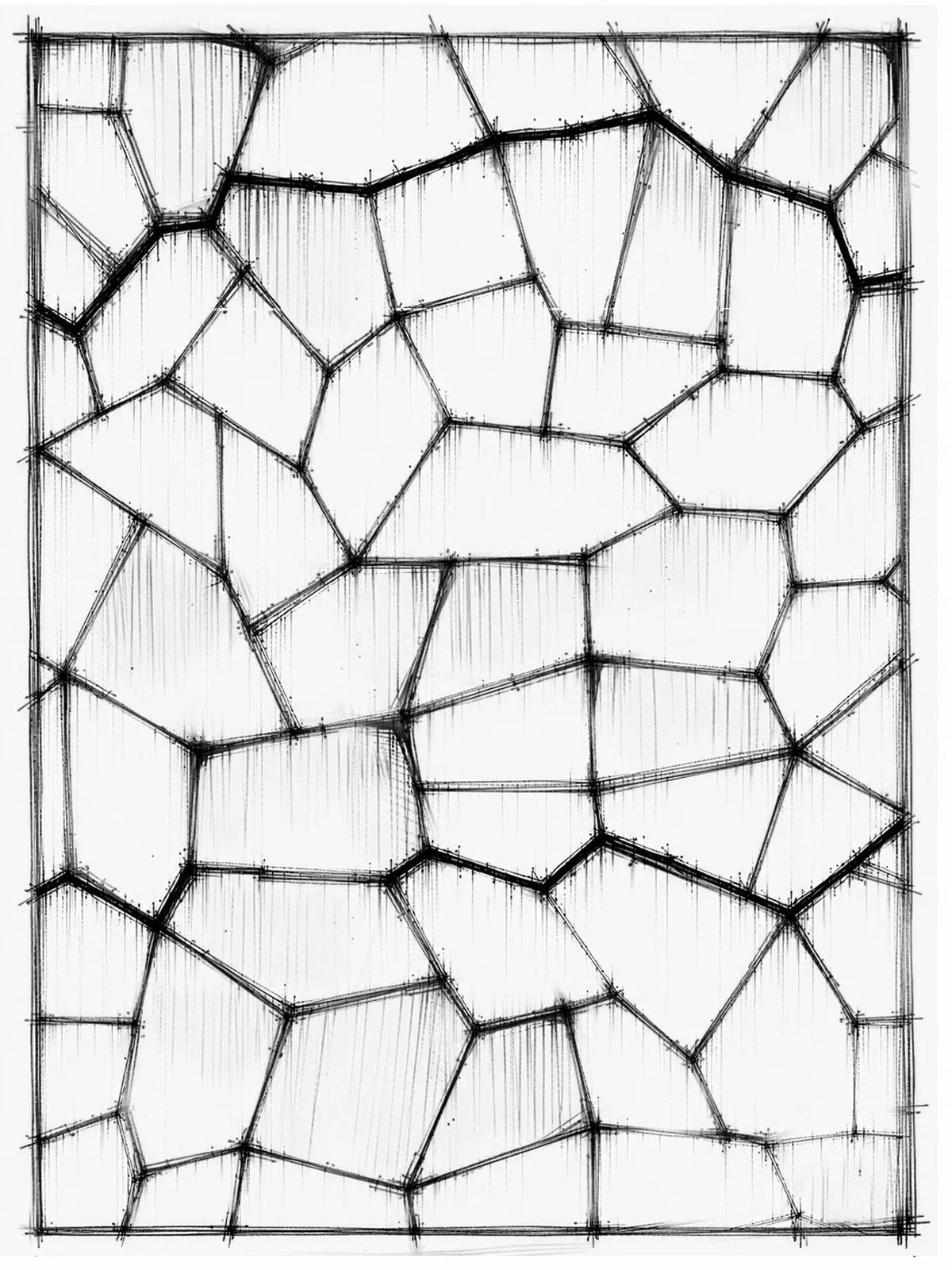
Ancient joinery serves as modern ornament by replacing synthetic adhesives with visible, mechanical wood-to-wood connections that celebrate the craft of assembly. By transforming structural joints into focal design details, contemporary designers honor historical woodworking while enhancing the circularity and deconstructability of the piece. This approach allows components to be easily separated for repair, repurposing, or recycling at the end of their lifespan.
At recent European design shows, Piero Lissoni’s Nui collection drew heavily on the ancient Japanese art of Sashimono. This complex, dry-jointing technique relies on precisely carved mortise-and-tenon joints, requiring no nails or glue. The visible "stitching" of the timber planks on the surface of the furniture acts as a minimalist, highly refined geometric ornament, drawing the eye to the points of connection and celebrating the precision of master craftspeople.
What role do circular and recycled finishes play in architectural wood surfaces?
Circular and recycled finishes play a vital role in architectural wood surfaces by utilizing industrial byproducts to create deep, textural patinas without relying on synthetic chemical dyes. These methods reduce manufacturing waste while introducing a highly sensory, matte finish that responds dynamically to changing light. By infusing natural waste back into the timber, designers are creating a more responsible and tactile luxury aesthetic.
A notable trend at recent material exhibitions is the integration of recycled graphite powder—a byproduct of industrial manufacturing—into wood finishes like Frassino Graphit (Graphite Ash). The fine graphite powder is rubbed by hand into the open grain of the ash, creating a deep, velvety matte-black surface with subtle metallic undertones. This circular finish was beautifully complemented at Copenhagen's Gammel Dok by AHEC’s Wood for the Trees installation, designed by Mitre & Mondays. The exhibition utilized rotating timber columns and log-hewn seating to envelop visitors in the earthy scent of raw wood, demonstrating how circular finishes and immersive scenography can reconnect urban design with forest ecosystems.
Frequently Asked Questions About Wood Design Fair Innovations
What is the difference between end-grain and flat-grain wood flooring?
End-grain wood flooring is cut horizontally across the tree trunk, exposing the growth rings on the wear surface, which provides exceptional hardness and acoustic dampening. Flat-grain flooring is cut parallel to the length of the trunk, showcasing the linear flow of the wood's grain and offering a more traditional, fluid visual appearance.
Why are design fairs focusing so heavily on lower-grade timber?
Design fairs are highlighting lower-grade timber (often called "common" or "rustic" grades) to promote sustainable forest management. Utilizing wood with natural knots, mineral streaks, and color variations ensures that a much higher percentage of the harvested tree is used, reducing waste and celebrating the unique, organic character of the material.
What is Sashimono joinery, and why is it used in modern wood design?
Sashimono is an ancient Japanese woodworking technique that joins pieces of wood without nails, screws, or glue, relying instead on intricate, interlocking joints. Modern designers use it to create highly precise, minimalist aesthetics and to ensure that timber products can be easily disassembled, repaired, and recycled.
More from the Atelier
Modern Versailles Parquet & Marqueterie Trends
Discover how historic French marqueterie and Versailles parquet panels are being reinterpreted for modern commercial and residential interiors.
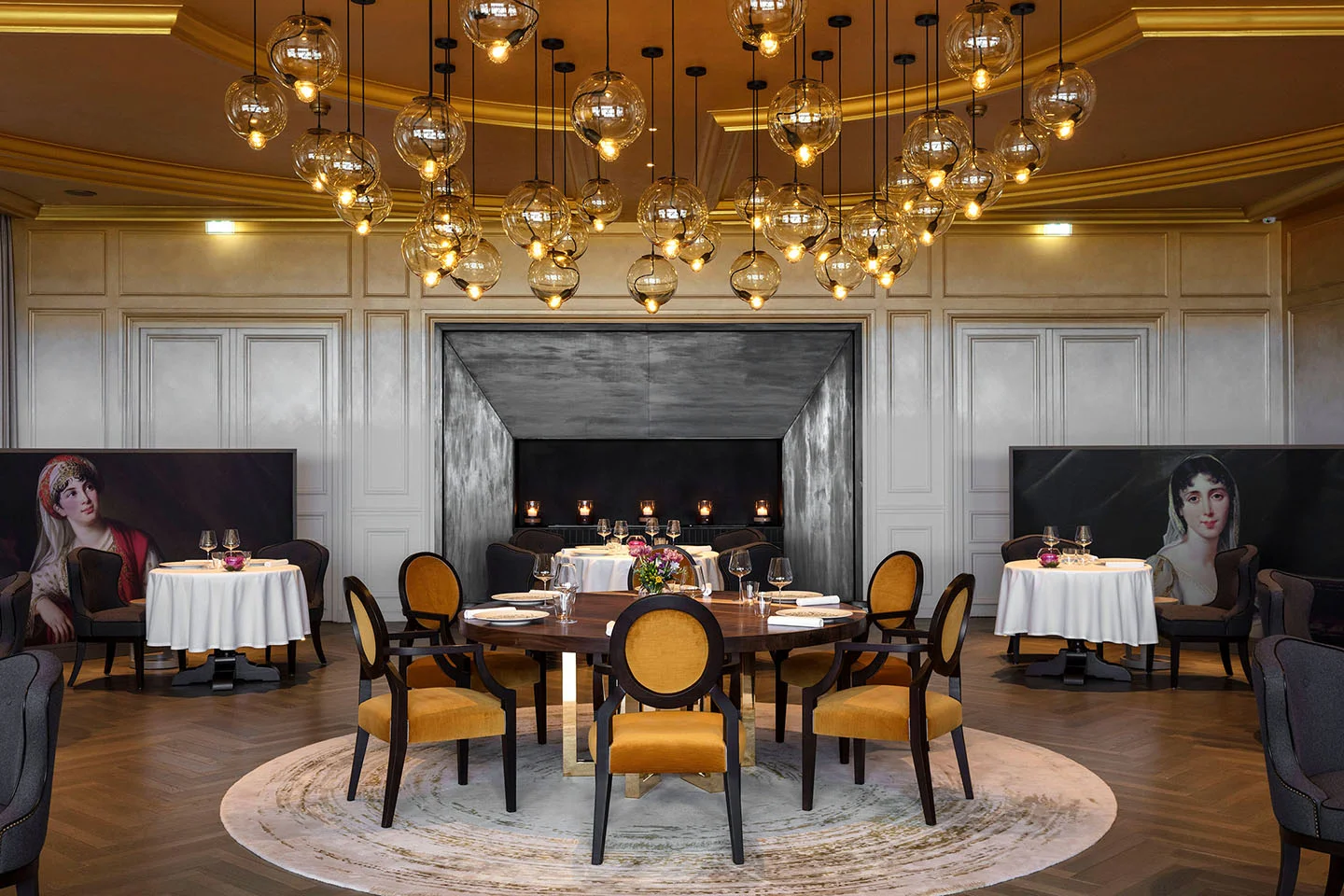
The Texture Pairing Playbook: Wood with Linen, Stone and Brass
Discover the art of balancing wood, linen, stone, and brass. This design-led guide explores how to combine these raw materials for a timeless interior.
Wood Floor Direction: Which Way Should Boards Run?
An expert guide on choosing the optimal wood floor direction. Learn how natural light, entry axes, and room proportions dictate board layout.