
Which Design Museums Should Every Wood and Craft Lover Visit?
A curated guide to the world's finest decorative arts and furniture collections.

For wood and design lovers, the ultimate design museums and decorative arts institutions are those that celebrate wood as both an artistic and structural medium. Sanctuaries like the Designmuseum Danmark in Copenhagen, the Victoria and Albert Museum in London, the Musée des Arts Décoratifs in Paris, and the George Nakashima Woodworker Studio in Pennsylvania offer unparalleled insights into the evolution of wood craft, furniture construction, and historical joinery.
- Designmuseum Danmark showcases the golden age of Nordic furniture design, featuring iconic teak, oak, and laminated beech works.
- The Victoria and Albert Museum’s Dr. Susan Weber Gallery exposes the structural, "backstage" construction of masterfully crafted historical furniture.
- The Musée des Arts Décoratifs in Paris presents the world's premier collection of highly polished, exotic Art Deco timber masterpieces.
- The George Nakashima Woodworker Studio preserves the legacy of organic, live-edge woodcraft, though it requires advanced booking for guided tours.
- Philadelphia's Museum for Art in Wood bridges traditional wood-turning techniques with contemporary, experimental sculptural art.
Why Is Copenhagen's Designmuseum Danmark a Pilgrimage Site for Wood Design?
Copenhagen’s Designmuseum Danmark is a premier pilgrimage site for wood lovers because it houses "The Danish Chair," a dramatic, motion-activated exhibition displaying over a hundred historic seats. Housed in a historic Rococo building renovated by architect Kaare Klint, it charts the golden age of Danish Modernism through teak, oak, and laminated beech classics.
The museum's collections spotlight the profound dialogue between Danish craft and materials from 1920 to 1970. Visitors can study the structural logic of Hans J. Wegner, Nanna Ditzel, and Arne Jacobsen. The exhibits demonstrate how functionalism merged with organic wood aesthetics, proving that simple timber chairs can serve as both functional tools and sculptural art pieces.
How Does London's V&A Museum Reveal the "Backstage" of Furniture Craft?
The Victoria and Albert Museum (V&A) in London reveals the "backstage" of furniture craft in its dedicated Dr. Susan Weber Gallery, designed by NORD Architecture. By displaying historic wood pieces in the round, the gallery exposes raw, hand-planed backing boards hidden behind flawless, polished walnut and oak facades.
This transparency allows wood and design lovers to examine the actual joinery, historical adhesives, and tool marks of master woodworkers across centuries. For those seeking architectural wood treasures, the V&A East Storehouse offers exceptional highlights, including Frank Lloyd Wright’s complete 1930s plywood office designed for Edgar J. Kaufmann Jr., and an exquisitely preserved 15th-century Spanish marquetry ceiling.
Where Can You Witness the Contrast of Art Deco Opulence and Mid-Century Wood?
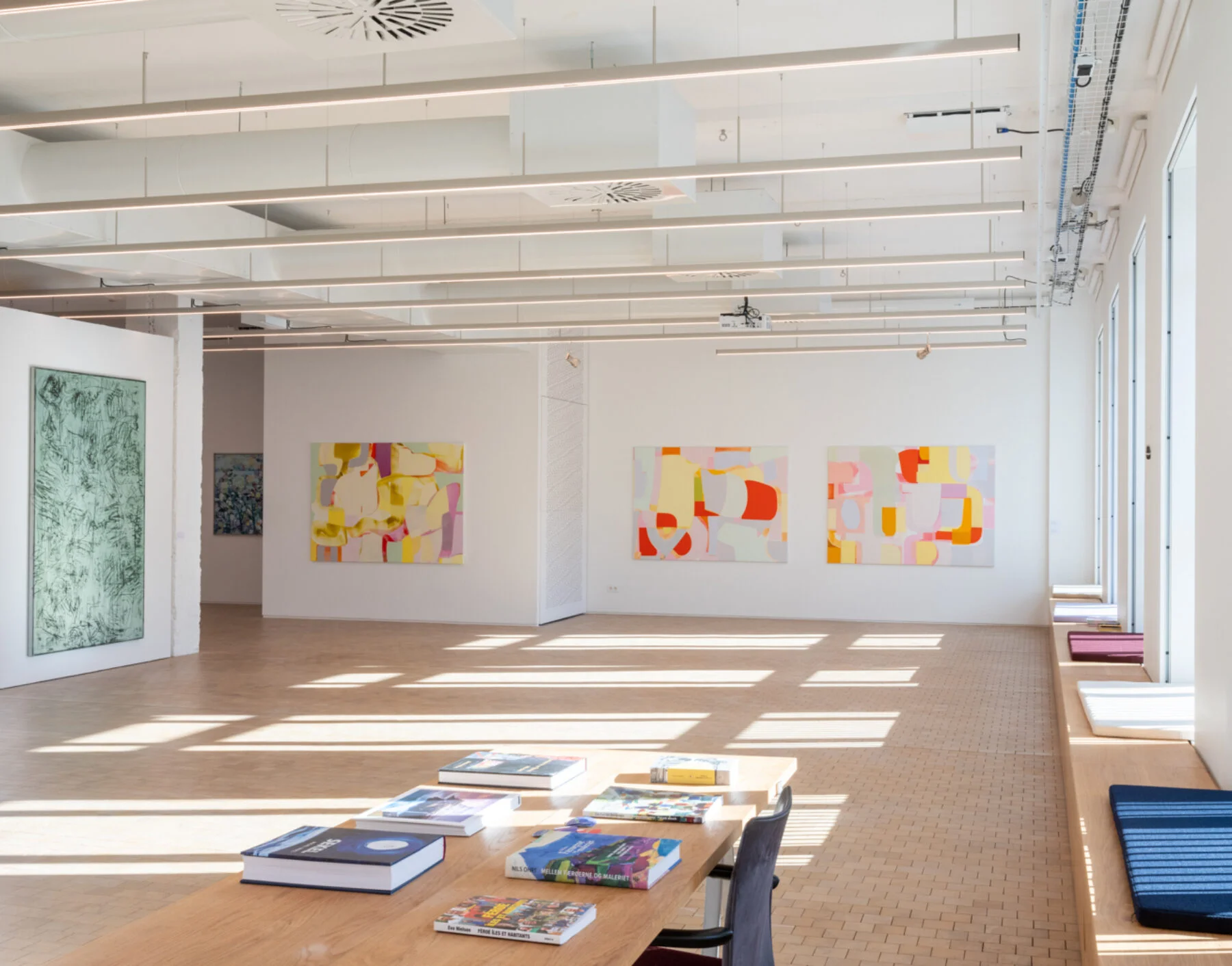
The Musée des Arts Décoratifs (MAD) in Paris is the ultimate location to witness the dramatic contrast between opulent Art Deco timber surfaces and minimalist mid-century design. Boasting the world’s premier Art Deco collection, the museum showcases highly polished exotic woods like Macassar ebony, amaranth, and lacquered oak.
Walking through the galleries, the sensory contrast is palpable. One side features the ultra-refined, lustrous works of masters like Jacques-Émile Ruhlmann and Jean Dunand. Directly contrasting these are the functional, organic, and experimental wood furniture designs of Charlotte Perriand, who championed structural plywood and raw, unadorned timber during the mid-20th century.
How Do the World’s Leading Wood and Design Museums Compare?
When planning a trip, understanding the core focus of each decorative arts museum and wood craft museum helps you target specific eras, from historic handwork to contemporary studio art. The following table compares the world's leading design and woodworking institutions based on their material focus, key exhibitions, and historical movements.
| Museum Name | Location | Primary Wood / Material Focus | Key Highlight or Exhibit | Design Movement |
|---|---|---|---|---|
| Designmuseum Danmark | Copenhagen, Denmark | Teak, Oak, Laminated Beech | "The Danish Chair" tunnel | Danish Modernism |
| Victoria and Albert Museum | London, UK | Walnut, Oak, Plywood | Dr. Susan Weber Gallery & Wright's Plywood Office | Renaissance to Modern |
| Musée des Arts Décoratifs | Paris, France | Macassar Ebony, Amaranth, Lacquered Oak | Art Deco Centenary galleries | Art Deco & Mid-Century |
| George Nakashima Studio | New Hope, Pennsylvania | Live-Edge Walnut, Cherry, Laurel | Conoid Studio (Advanced Booking Required) | American Craft & Japanese Joinery |
| Museum for Art in Wood | Philadelphia, Pennsylvania | Reclaimed Woods, Studio Timber | Contemporary Turned Wood Art | Studio Furniture & Wood-Turning |
What Makes the George Nakashima Woodworker Studio a Sanctuary for Timber Lovers?
The George Nakashima Woodworker Studio in New Hope, Pennsylvania, is a sanctuary for timber lovers because it embodies Nakashima's philosophy of giving a second life to trees. This historic compound preserves the master's organic approach to wood, utilizing massive live-edge walnut slabs and intricate butterfly joints.
Unlike typical municipal museums, this is an active historic compound with limited public access. Visitors must book guided tours well in advance to experience the Conoid Studio, where soft, diffused daylight filters through shoji screens onto raw slabs of cherry and walnut. The space smells beautifully of aged linseed oil, beeswax, and raw timber, celebrating the natural imperfections of the tree's soul.
How Does the Museum for Art in Wood Champion Contemporary Studio Craft?
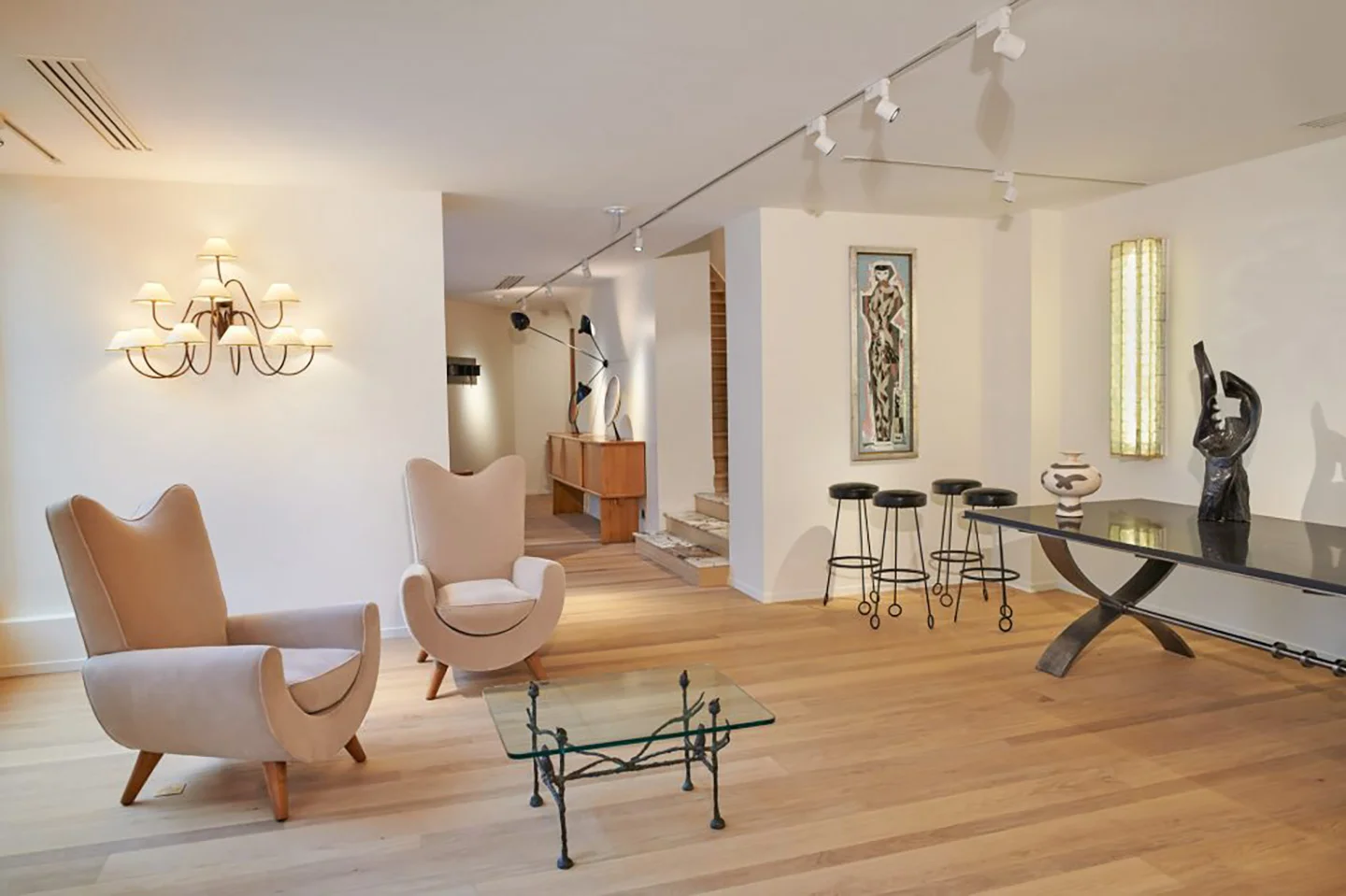
The Museum for Art in Wood in Philadelphia, Pennsylvania, champions contemporary studio craft by elevating traditional wood-turning into an experimental, sculptural art form. Formerly known as the Wood Turning Center, the museum acts as a crucial bridge between historic craft techniques and modern sculptural expression.
From the moment you approach its 11-foot-tall entrance doors crafted from rugged, reclaimed barn wood, the museum emphasizes a deeply tactile experience. Its exhibitions push the boundaries of what wood can achieve structurally, showcasing turned vessels, carved sculptures, and studio furniture that challenge traditional perceptions of timber as a rigid, purely utilitarian medium.
Frequently Asked Questions
Are these wood and design museums open to the public year-round?
Yes, major institutions like the V&A, MAD Paris, and Designmuseum Danmark are open year-round. However, historic compound sites like the George Nakashima Woodworker Studio require advanced booking for guided tours and have highly restricted seasonal access.
What is a decorative arts museum?
A decorative arts museum is an institution dedicated to exhibiting objects that are both beautiful and functional, such as furniture, tableware, textiles, and woodwork. Unlike fine art museums, they focus on the craft, materials, and utility of everyday design.
Why is the study of historical wood joinery important for modern designers?
Studying historical wood joinery allows modern designers to understand the structural capabilities of timber without relying on metal fasteners. Seeing how historic joints adapt to seasonal movement inspires more sustainable, long-lasting modern designs.
More from the Atelier
Calm Bedroom Design: How Wood Floors Create Restful Interiors
Learn how natural wood bedroom floors, acoustic balancing, and soft timber textures combine to transform your bedroom into a quiet, restorative sanctuary.
Summer Light & Organic Grids: Coastal Sanctuaries
Discover how the raw, organic grids of end-grain wood and pale timber tones ground bright, modern seaside properties into peaceful sensory retreats.
Minimalism and Wood: Doing More with Less Material in Design
Discover how warm minimalism replaces stark white spaces with tactile timber. Learn how a monomaterial approach creates serene, acoustically quiet luxury.