
Photographing Wood: Capturing Grain, Light and Depth
How master photographers reveal the tactile soul of architectural timber.
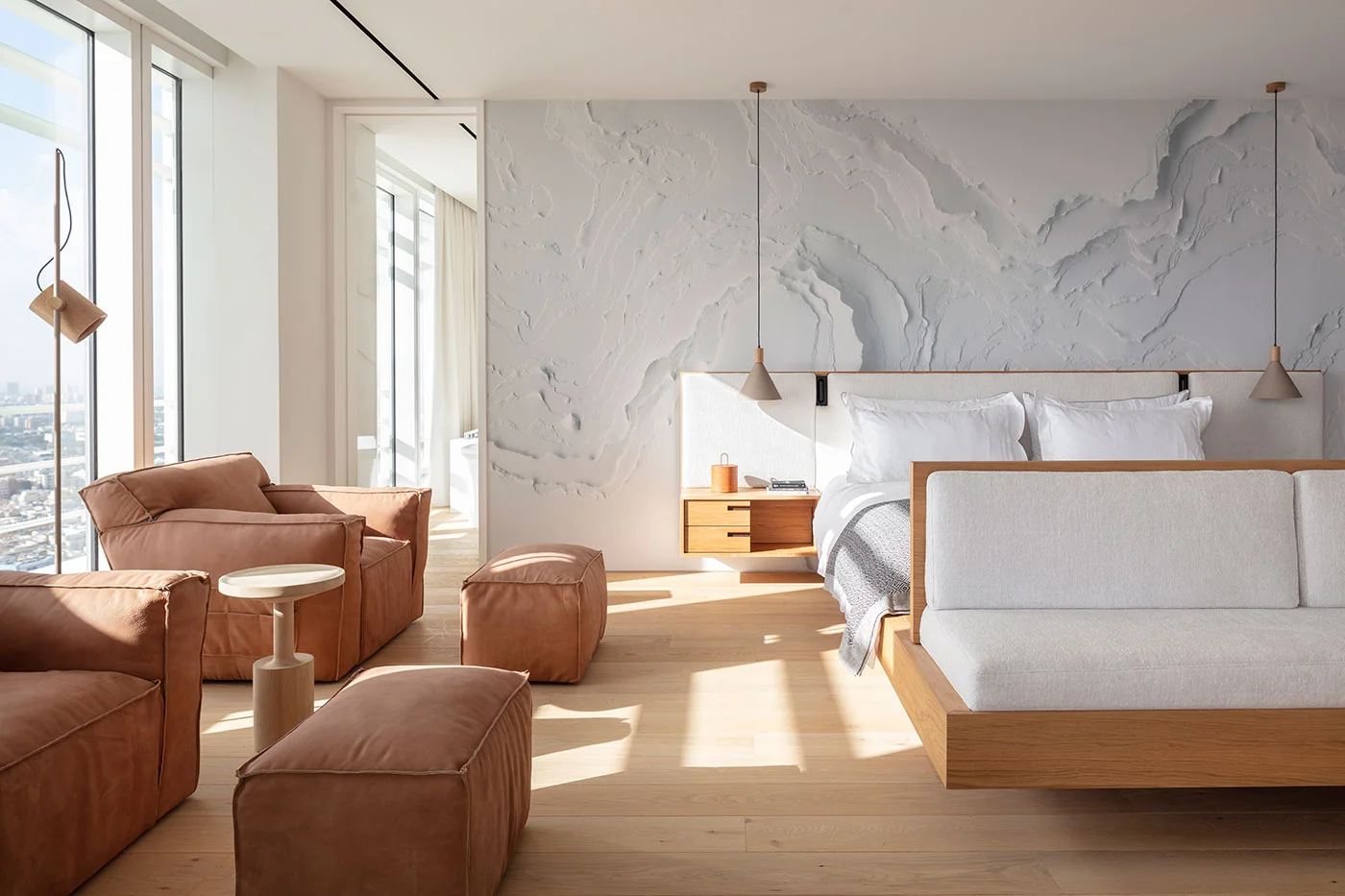
Photographing wood successfully requires shifting from mere technical documentation to capturing the sensory and tactile qualities of the material. By utilizing soft, diffused natural light, analog-inspired shadow play, and intimate framing, photographers can translate the three-dimensional topography of timber grain onto a flat plane. This editorial explores the philosophy and techniques of revealing the organic soul of wood through the lens.
- Natural, diffused light from an overcast sky eliminates distracting glare and preserves the true tonal values of the wood.
- Raking light at low angles casts micro-shadows that define the physical, three-dimensional landscape of timber grain.
- An analog-inspired photographic philosophy values organic depth and subtle imperfections over hyper-sharp, clinical digital rendering.
- Fragmented, macro framing forces the viewer to focus on growth rings, joints, and the history etched into the material.
What makes photographing wood a distinct architectural challenge?
Photographing wood presents a unique challenge because it requires translating a highly tactile, three-dimensional material onto a flat, two-dimensional medium. Traditional digital methods often flatten the natural topography of the timber or create harsh reflections. Capturing wood successfully requires treating the surface as a living landscape sculpted by light, shadow, and time.
Wood is not a static background; it is a dynamic, porous structure that responds actively to its environment. When light strikes a timber surface, it does not just bounce off; it penetrates the cellular structure of the fibers, creating a subtle internal glow. Standard architectural photography often misses this nuance by over-lighting spaces with artificial strobes, which strip the wood of its innate warmth and depth.
To truly capture wood texture photography, one must understand how different wood cuts and finishes interact with light. For instance, flat-grain planks with long, sweeping arches require different angles of illumination than end-grain blocks, where the dense, circular growth rings absorb light differently. Master photographers approach timber surfaces not as flat planes, but as sculpted reliefs where every pore, knot, and joint tells a story.
How do photographic masters capture the quiet soul of timber?
Photographic masters capture the quiet soul of timber by embracing slower, more introspective methods, often using medium-format analog film to mirror the slow craft of woodworking. Artists like Hélène Binet, Simone Bossi, and Rory Gardiner prioritize atmosphere, using soft light and deep shadows to emphasize the raw, honest presence of the material.
Look at the work of Swiss-French photographer Hélène Binet, whose "shadow images" explore the intimacy of architectural making. Rather than documenting whole rooms, Binet often focuses on rain-worn timber joints, capturing how daylight slowly modulates across raw surfaces over the course of a day. This technique isolates the material, elevating a simple joint into a poetic monument of craftsmanship.
Similarly, Italian photographer Simone Bossi uses film to create quiet, painterly studies of space and material. His fragmented compositions allow raw timber to exist as a silent, tactile anchor within minimalist interiors. Meanwhile, Rory Gardiner's use of soft, muted palettes under overcast skies highlights the shared sculptural qualities of wood and concrete, proving that the secret to material photography lies in what is left in the shadows.
What is the role of light and shadow in grain photography?
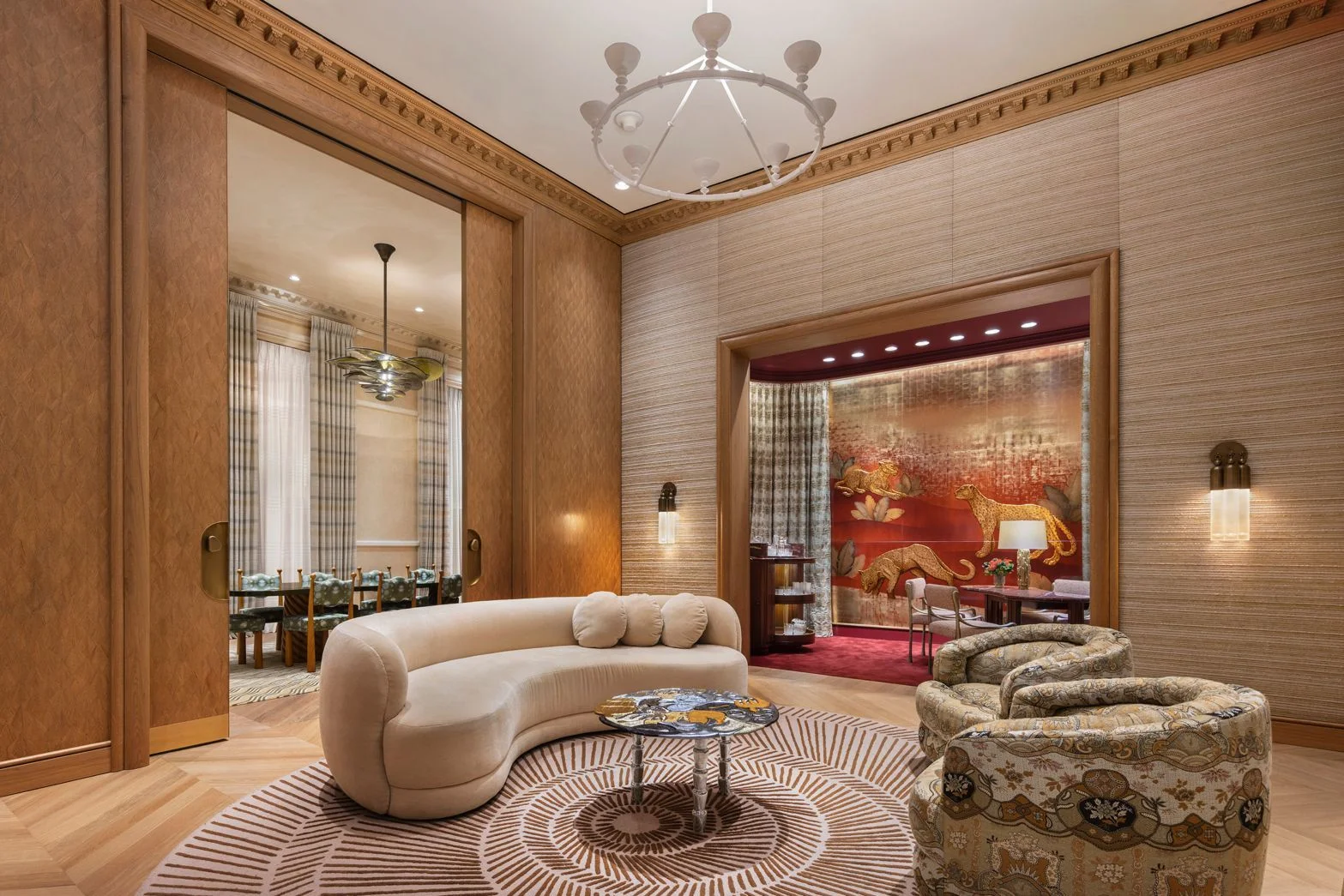
Light and shadow are the primary tools used to sculpt the physical depth of timber in grain photography. While flat, direct light flattens the surface and creates distracting glare, raking light and soft, diffused illumination reveal the intricate, three-dimensional topography of the wood grain, highlighting its natural texture and organic imperfections.
To bring out the rich textures of a wood floor or wall panel, photographers rely heavily on "raking light"—directional light that strikes the surface at a very low, acute angle. This low-angle illumination catches the raised ridges of the grain, casting microscopic shadows into the pores and valleys of the wood. The result is a highly tactile image that makes the viewer feel as though they can reach out and touch the physical fiber of the timber.
Equally important is the quality of the light source. Direct, harsh sunlight causes high-contrast blowouts and reflections that obscure the natural color and grain of the wood. Professional material photographers prefer the soft, diffused light of a "silver sky"—an overcast day where clouds act as a massive, natural softbox. This ambient lighting eliminates glare, allowing the deep, muted tones of oak, walnut, or charred timber to emerge with exceptional clarity and a smooth highlight roll-off.
Analog vs digital: Why film captures the physical essence of wood
Analog film captures the physical essence of wood because its organic silver halide emulsion shares a structural symbiosis with the natural fibers of timber. While digital sensors record light as clinical, hyper-sharp pixels, film grain introduces a soft, tactile texture that beautifully mimics the warmth, depth, and wabi-sabi imperfections of real wood.
The shift toward analog photography in architectural and design circles is not merely nostalgic; it is a philosophical alignment. Wood is an organic, imperfect material that matures over time, acquiring a rich patina. High-resolution digital renderings often feel too sterile, presenting a perfected version of space that lacks soul. Film, with its chemical unpredictability and rich midtones, embraces these imperfections.
| Photographic Aspect | Analog Film (Medium Format) | Digital Sensor (High Resolution) |
|---|---|---|
| Texture & Grain | Organic silver halide grain blends with wood fibers, enhancing tactile warmth. | Sharp, pixel-perfect detail that can sometimes feel sterile or artificial. |
| Shadow Transition | Soft highlight roll-off and rich, low-contrast midtones. | High contrast; shadows can clip quickly without extensive post-processing. |
| Color Rendering | Natural, painterly color depth that captures organic timber patinas beautifully. | Highly accurate, but often requires manual color grading to feel warm and inviting. |
| Philosophical Pace | Slow, deliberate, and craft-focused; requires patience and precise composition. | Rapid, immediate feedback; encourages volume over deliberate material study. |
How does fragmented framing emphasize the history of timber?
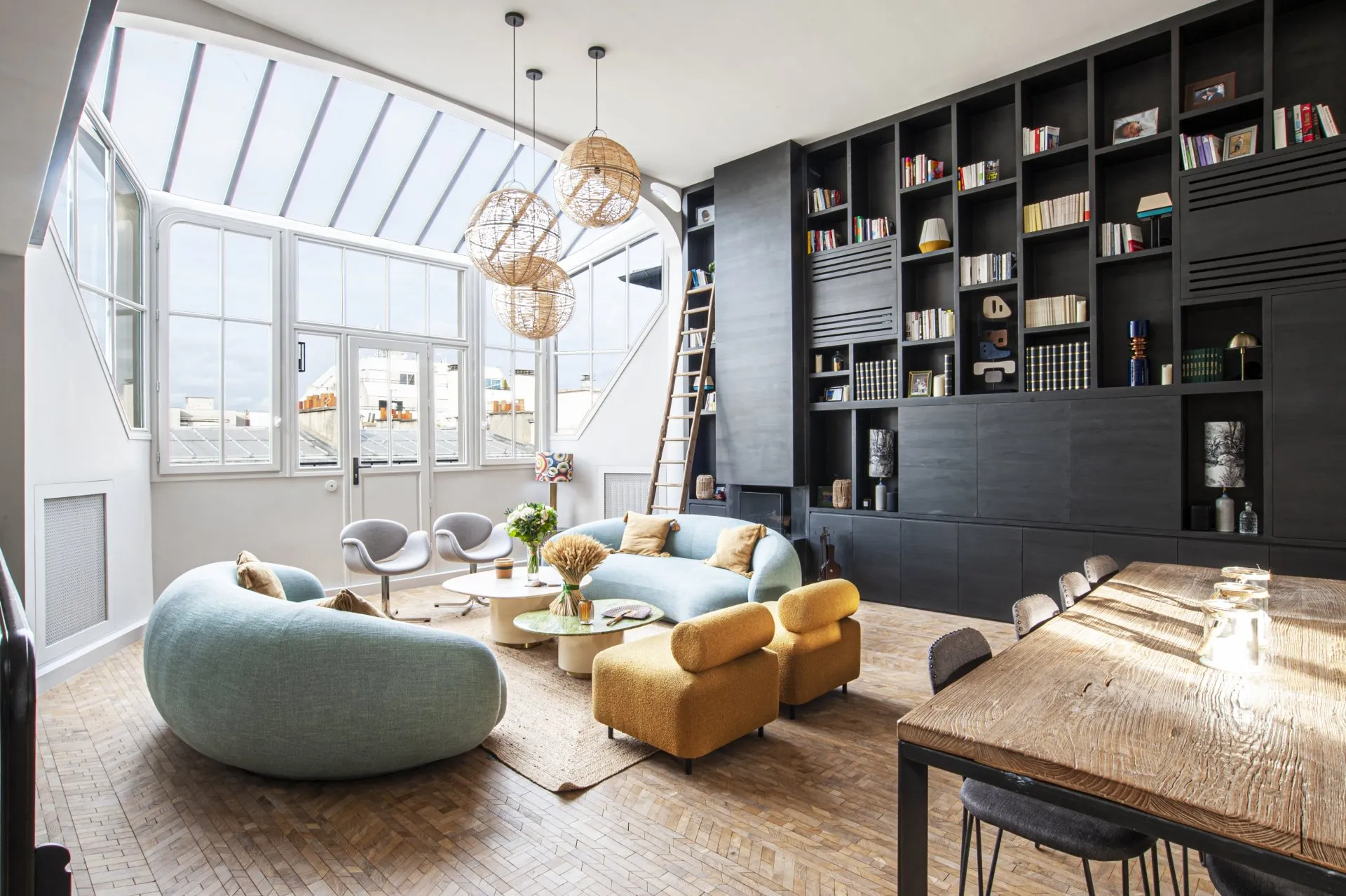
Fragmented framing emphasizes the history of timber by isolating macro-details—such as tight growth rings, hand-carved joints, and weathered edges—from the wider architectural context. This intimate cropping forces the viewer’s eye to focus entirely on the micro-narratives and centuries of natural growth etched directly into the wood’s surface.
When a photograph captures an entire room, the wood flooring or wall paneling often functions merely as a supporting element. However, by tightening the frame and focusing on a single detail, the photographer transforms the timber into the protagonist. A macro crop of an end-grain block, for example, reveals the dense, concentric rings of a tree's lifespan, turning a functional floor into a living record of time.
This approach aligns closely with the Japanese philosophy of wabi-sabi, which finds beauty in transience and imperfection. A tight, fragmented photograph does not hide the knots, minor cracks, or variations in tone; instead, it frames them as marks of authenticity. By celebrating these honest irregularities, material photography respects the natural origin of the wood, reminding us of the forest from which it came.
Frequently Asked Questions about photographing wood
What is the best lighting for wood texture photography?
The best lighting is soft, diffused natural daylight, such as the light from an overcast sky. To emphasize the physical texture, position the light source at a low, raking angle across the grain to cast subtle micro-shadows.
Why does digital photography sometimes make wood look flat?
Digital sensors and standard lenses can produce hyper-sharp, high-contrast images that create distracting glare on wood finishes. This flattens the natural depth of the grain and obscures the subtle tonal variations within the timber fibers.
How do you avoid reflections when photographing finished wood?
To avoid reflections, avoid using direct flash or harsh spotlights. Utilize polarizing filters on your lens, shoot under overcast or diffused lighting, and adjust your angle relative to the surface to minimize glare from varnishes or oils.
What is raking light in material photography?
Raking light is light that strikes a surface at a very low, acute angle. In wood photography, this technique is used to highlight the physical topography of the grain by casting tiny shadows in the wood's pores and textured ridges.
How does analog film enhance the look of architectural timber?
Analog film introduces organic grain and rich, low-contrast midtones that soften the image. This texture blends naturally with the organic patterns of wood, creating a warm, tactile, and sensory representation that digital formats often miss.
More from the Atelier
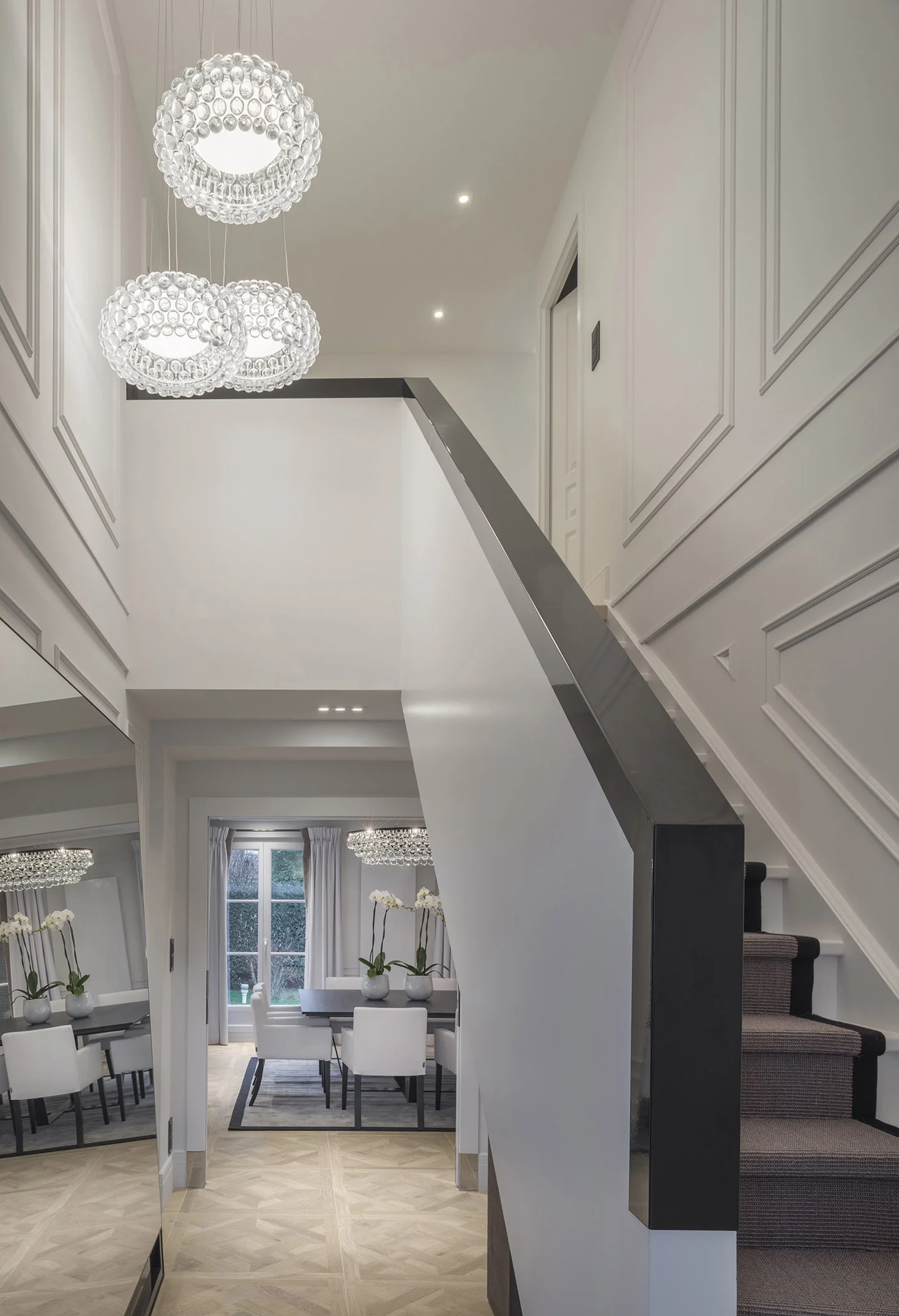
Calm Bedroom Design: How Wood Floors Create Restful Interiors
Learn how natural wood bedroom floors, acoustic balancing, and soft timber textures combine to transform your bedroom into a quiet, restorative sanctuary.
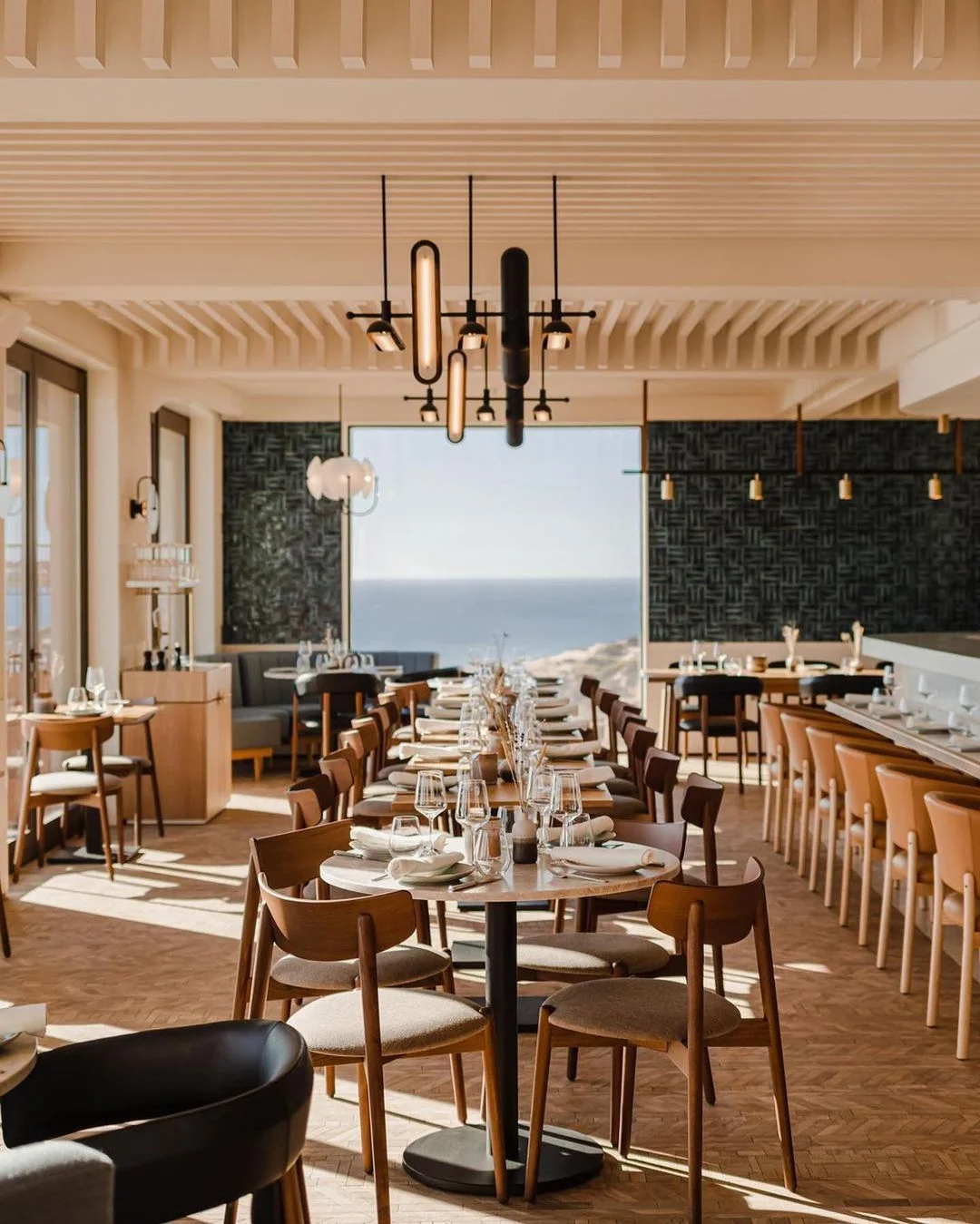
Summer Light & Organic Grids: Coastal Sanctuaries
Discover how the raw, organic grids of end-grain wood and pale timber tones ground bright, modern seaside properties into peaceful sensory retreats.
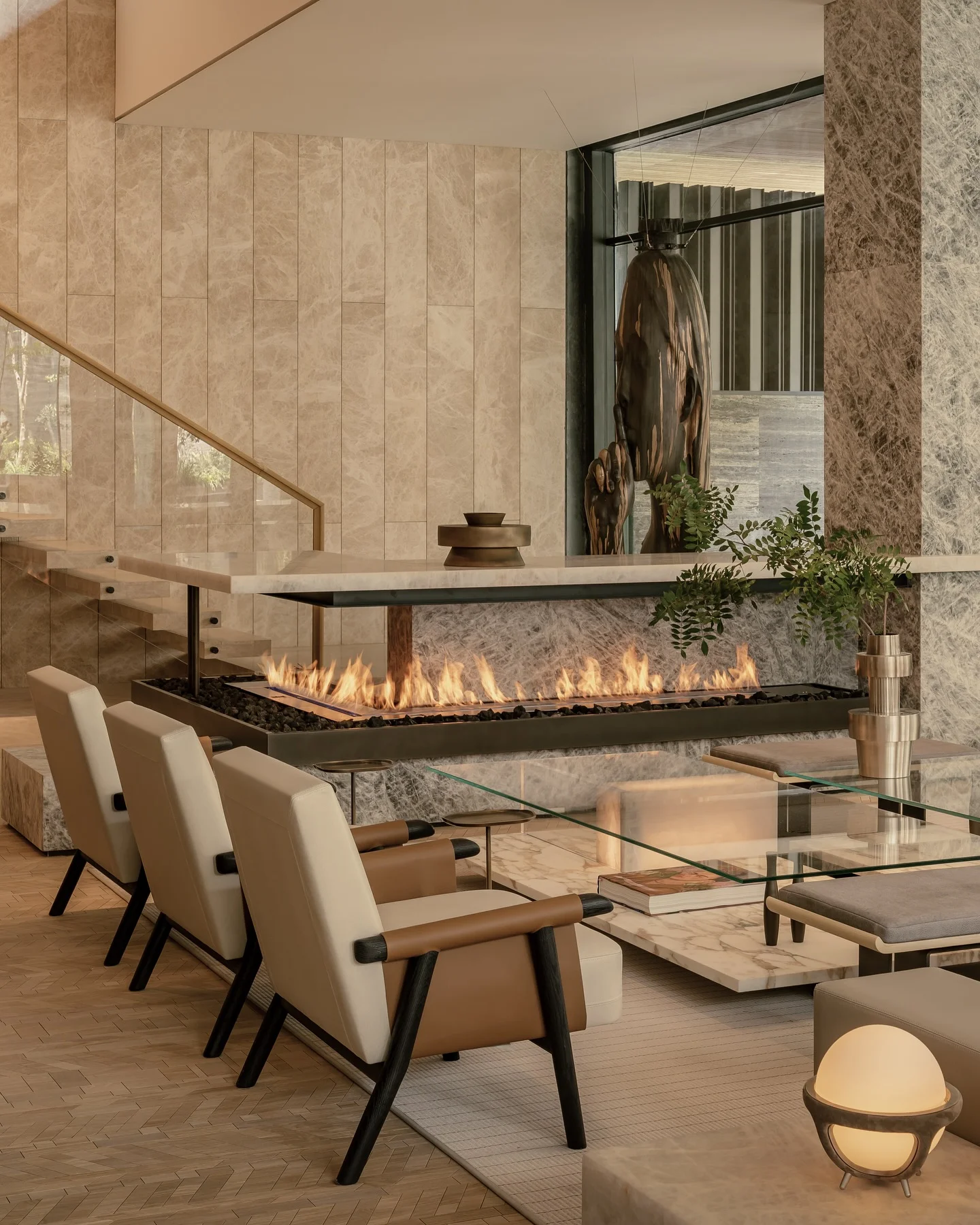
Minimalism and Wood: Doing More with Less Material in Design
Discover how warm minimalism replaces stark white spaces with tactile timber. Learn how a monomaterial approach creates serene, acoustically quiet luxury.