
Protecting End Grain Wood Block Flooring from UV Fading
How material science and architectural planning preserve the rich tones of luxury oak floors.
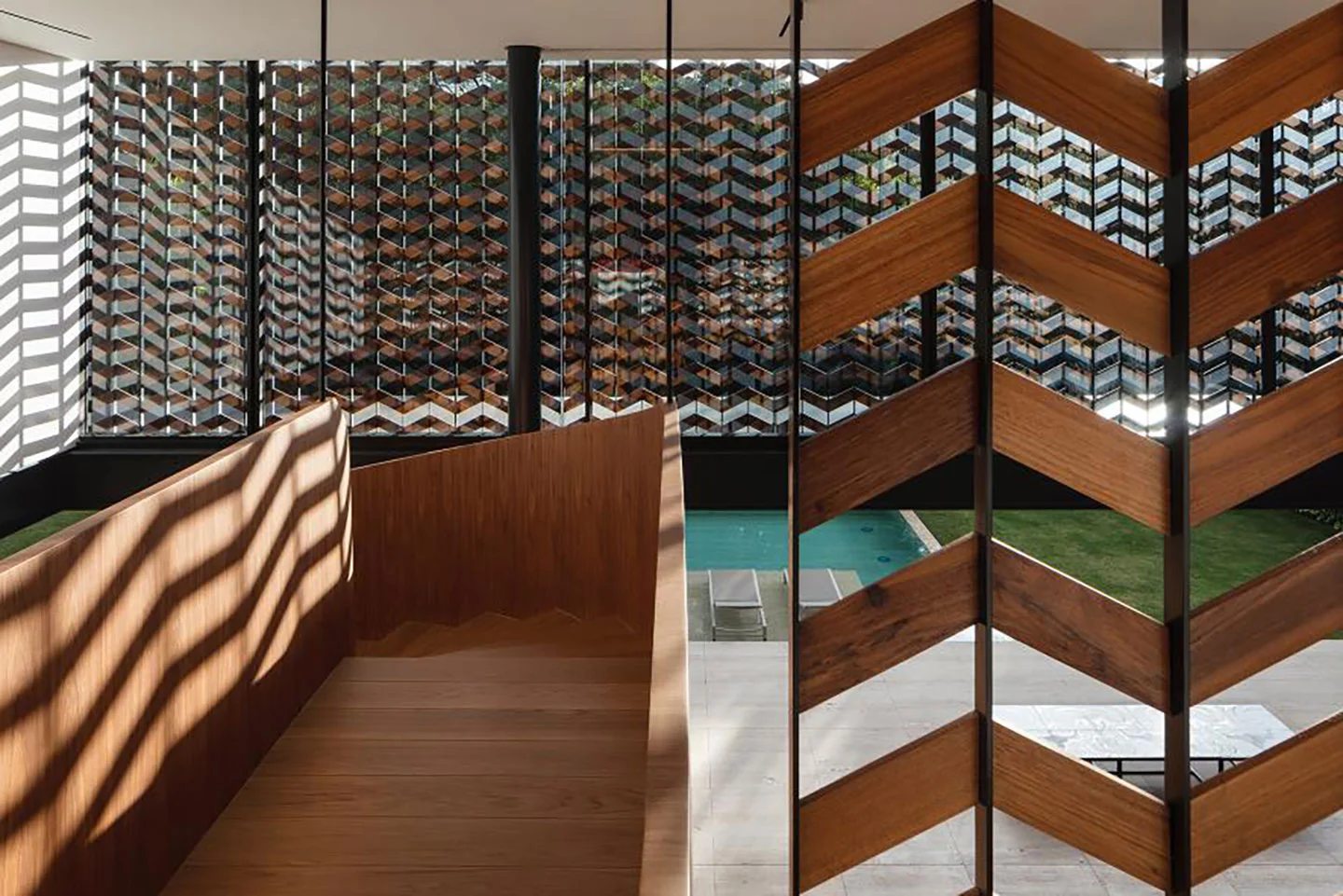
How to Protect Luxury Oak and End-Grain Floors from UV Fading
Protecting end grain wood block flooring from ultraviolet fading requires a combination of high-performance surface finishes and thoughtful architectural design. While all natural timber reacts to solar radiation over time, selecting wood with deep-penetrating protection significantly slows this natural aging process. By understanding the science of wood photodegradation, architects and designers can preserve the rich tones of luxury oak floors for decades.
What is oak photodegradation and how does it affect wood?
Oak photodegradation is a chemical process driven by ultraviolet and visible light, which breaks down the organic compounds within the timber. Lignin, the natural polymer that bonds the wood fibers together, is highly sensitive to light waves. When exposed to solar radiation, lignin undergoes oxidation, which alters the color of the wood surface. In light-toned European oak, this chemical reaction typically causes the wood to initially darken or turn a warm amber color before eventually bleaching under prolonged, intense exposure.
Unlike surface stains that can peel or wear away unevenly, the natural movement of color under UV light affects the organic structure of the wood itself. The speed and intensity of this transformation depend directly on the wavelength of the light and the duration of the exposure. In high-end residential and commercial spaces with expansive glazing, managing this chemical transition is essential to maintaining the intended interior palette.
Why is end grain wood block flooring uniquely sensitive to light?
An end grain wood block flooring surface is cut horizontally across the growth rings of the tree, exposing the vertical capillary structure of the timber. This orientation makes the wood incredibly hard and durable, but it also means the open-pore structure is oriented directly toward the light source. Because the cell cavities are aligned vertically, light can penetrate slightly deeper into the surface layers of endgrain blocks than it does on standard flatgrain planks.
Additionally, the rich variation of growth rings in endgrain cuts means that different parts of the block, such as the dense latewood and the more porous earlywood, may react to UV light at slightly different rates. This can accentuate the natural contrast of the pattern over time. To stabilize this active surface, the wood requires a deep-penetrating, protective barrier that seals the open pores without masking the raw, tactile quality of the timber.
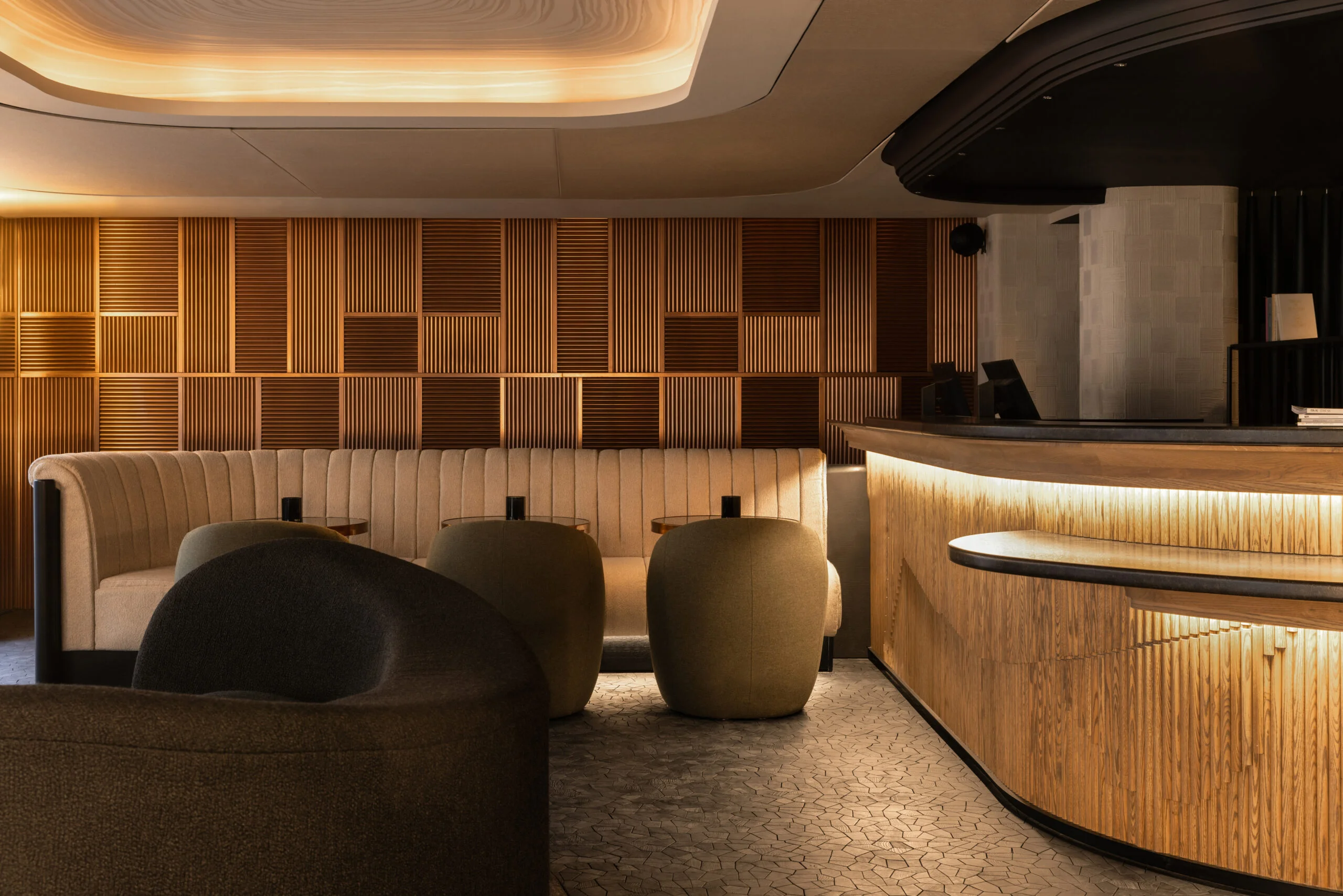
How do different finishes protect architectural wood surfaces?
The choice of surface treatment is the most critical factor in mitigating the effects of solar radiation on architectural wood surfaces. Traditional stained floors often show high contrast fading because the UV light breaks down both the artificial pigments and the underlying wood cells. When the surface stain fades, the raw timber underneath is exposed, creating a highly uneven appearance. To avoid this, OscarOno Paris never uses stains on its endgrain collections.
Instead, our endgrain floors are treated with a high-performance, two-component invisible varnish that acts as a protective shield, absorbing and deflecting harmful light waves. For our flatgrain Essentiel patterns, such as the straight-laid Droit plank, we apply a durable lacquer in twelve refined colors. For endgrain, we rely on structural color changes rather than surface pigments. Our Smoke finish is smoked through the full depth of the oak, providing exceptional color stability because the dark brown tone exists throughout the entire block. Our Black finish is charred in the traditional shou sugi ban method, creating a carbonized surface layer that is highly resistant to UV degradation.
What architectural steps prevent wood ambering and bleaching?
While high-performance finishes provide the primary line of defense, a comprehensive preservation strategy must include architectural and interior planning. Controlling the amount of solar radiation that reaches the floor surface is the most effective way to prevent localized ambering or bleaching. Modern architectural glass and interior management play a vital role in this process.
- Low-E Glazing: Specifying low-emissivity glass for windows and facades can block up to 99 percent of harmful ultraviolet rays while still allowing natural light to fill the space.
- UV-Filtering Films: For existing glazing, high-quality, micro-thin window films can be applied to significantly reduce solar heat and UV penetration.
- Interior Management: Rotating rugs, carpets, and heavy furniture periodically prevents distinct, sharp lines of discoloration by allowing the entire floor to age evenly under ambient light.
- Automated Shading: Installing automated blinds or drapes that lower during peak daylight hours protects the floor when solar radiation is at its most intense.
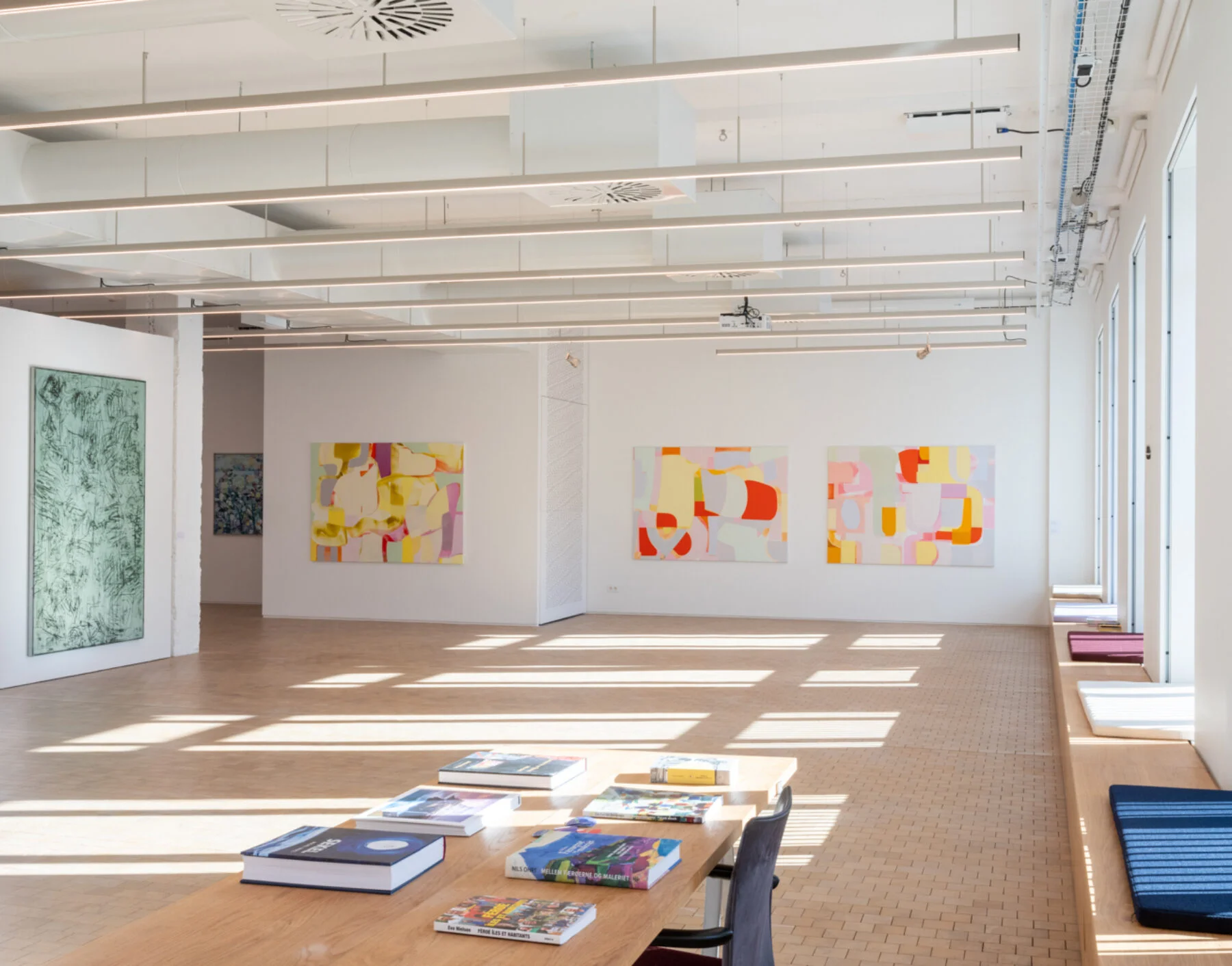
Comparing Wood Finishes and UV Stability
To assist architects and designers in selecting the right floor for high-exposure environments, the table below outlines how different finishes perform under natural light conditions.
| Finish Type | UV Performance | Aging Characteristic | Best Suited For |
|---|---|---|---|
| Natural Varnish | Moderate to High | Develops a warm, golden amber patina over time. | Slightly shaded residential and commercial spaces. |
| Smoke (Fully Smoked) | Excellent | Maintains deep, structural brown tones with minimal shifting. | Bright rooms with large windows and direct sunlight. |
| Black (Charred) | Outstanding | Highly stable carbon layer prevents light penetration. | High-exposure commercial spaces and retail environments. |
| Lacquered (Essentiel Colors) | High | Protective lacquer layers shield the underlying oak. | Classical apartments and high-traffic public areas. |
How does OscarOno Paris engineer highly stable endgrain floors?
At OscarOno Paris, we design architectural wood surfaces that balance natural beauty with exceptional physical durability. Our endgrain collections are engineered to withstand both heavy foot traffic and environmental exposure. By combining traditional French craftsmanship with modern structural engineering, we ensure our floors retain their integrity in the most demanding interiors.
Our Forêt collection features a robust construction of 12 mm birch plywood with an 8 mm oak top layer, providing a stable foundation that resists movement. This collection was specified for the Aethos Ericeira Hotel in Portugal by Astet Studio, where the Natural finish brings organic warmth to a light-filled coastal environment. For a more graphic, structured pattern, our Cube collection uses solid offcuts in a 10 mm birch plywood and 6 mm oak top layer construction, as seen in the Natural finish at the Maison du Danemark in Paris. For organic, fluid layouts, our Opus collection features a 12 mm birch plywood and 8 mm oak top layer, beautifully demonstrated in the Black finish at the Hotel Dame des Arts in Paris, designed by Raphael Navot.
All of our endgrain collections carry a usage class 34 rating for very heavy commercial traffic, a Cfl-s1 fire rating, and are FSC and PEFC certified. To experience the texture and color stability of our architectural surfaces firsthand, you can Order samples directly from our workshop. For complete technical drawings, CAD hatches, and BIM files, visit our Library.
Frequently asked questions
Can you completely prevent end grain wood block flooring from changing color?
No natural wood floor can be made completely impervious to light, as all timber contains organic compounds that react to solar radiation. However, using high-quality finishes like our two-component invisible varnish and incorporating UV-filtering glass will significantly slow this process, allowing the wood to develop a soft, even patina rather than fading dramatically.
What is the difference between ambering and bleaching?
Ambering is the initial stage of wood photodegradation, where the oxidation of lignin causes light-colored oak to take on a warmer, golden-yellow tone. Bleaching occurs after prolonged, intense exposure to UV light, which breaks down the cellular structure and strips the wood of its natural pigments, leaving it pale and dry in appearance.
Does smoked oak resist UV fading better than stained oak?
Yes, smoked oak offers superior color stability because the darkening process occurs through a chemical reaction deep within the wood fibers, changing the color through the full depth of the block. Stained oak only has color pigments on the very surface, which quickly fade when exposed to direct sunlight, revealing the lighter wood underneath.
Are lacquered or varnished floors better for UV protection?
Both finishes offer excellent protection when properly formulated. Our Essentiel flatgrain collections use multi-layer lacquers that shield the wood, while our endgrain collections are sealed with a high-performance, two-component varnish that penetrates the open pores, protecting the capillary structure from light and moisture.
More from the Atelier
Fire Rated Wood Flooring Commercial: The Cfl-s1 Guide
A technical specification guide for architects detailing how engineered endgrain oak meets Euroclass Cfl-s1 and Class 34 durability in high-traffic commercial spaces.
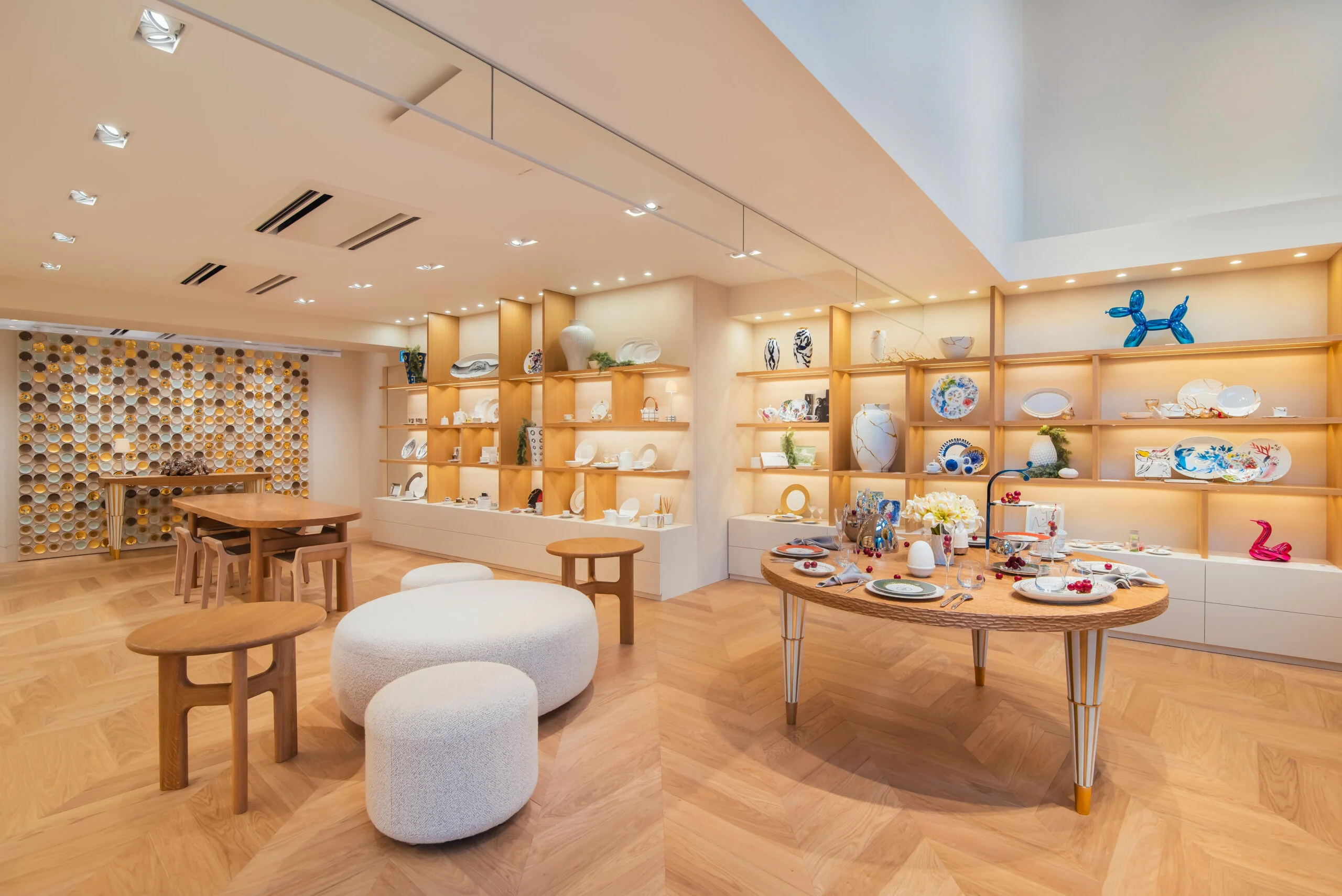
Why Luxury Retail Wood Flooring Demands End Grain Oak
A technical guide to specifying end-grain oak flooring for high-traffic retail flagships, balancing vertical compression, acoustics, and atelier craft.
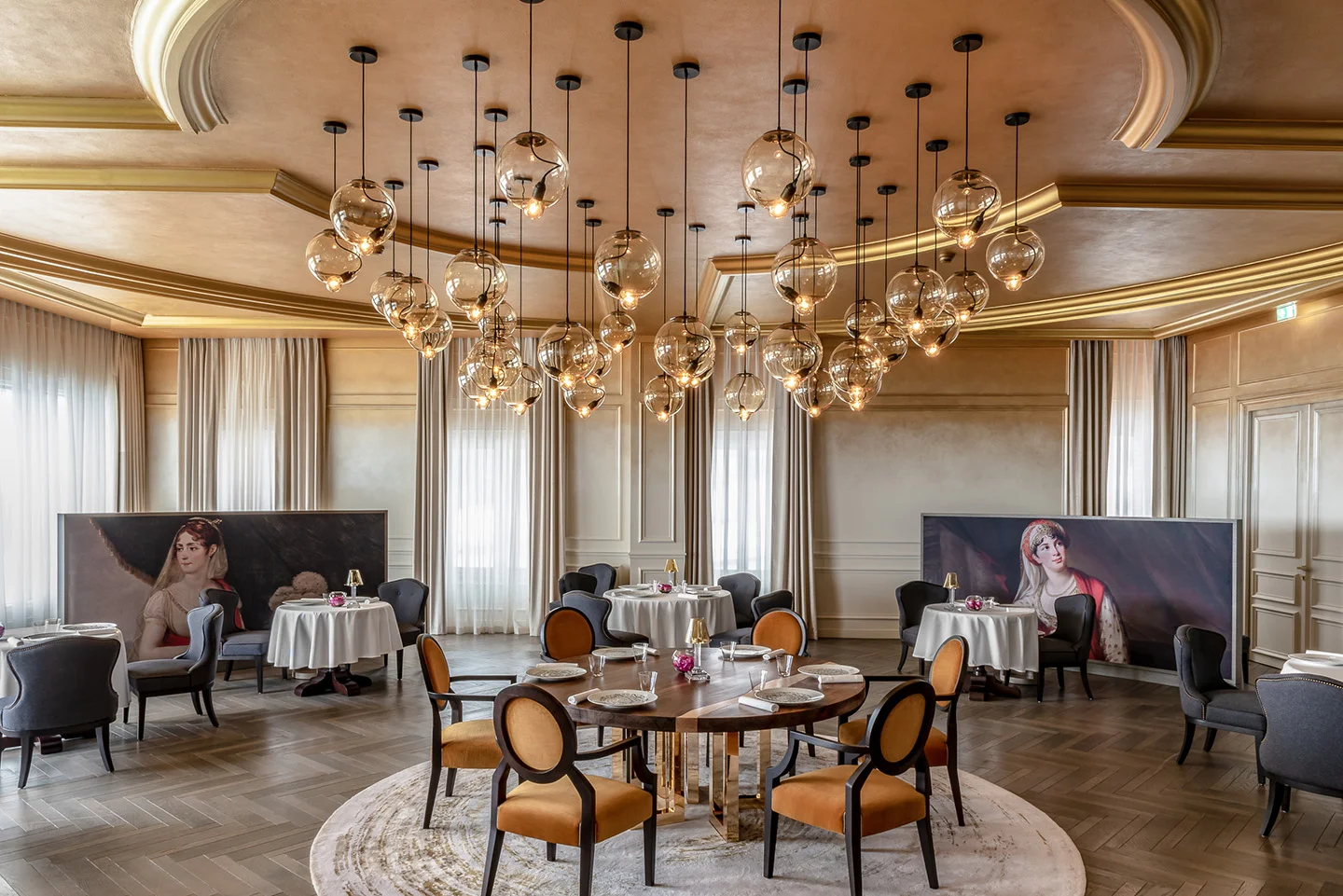
Parquet Floor Restoration: Is an Old Parquet Floor Worth Saving?
Loose blocks, gaps, stains and a worn finish can all be put right. How to tell whether an old parquet floor is worth restoring, what the work involves, and when it is not.