
Reclaimed Teak Flooring: End-Grain Strength and Resilience
Botanical density, natural silica, and reclaimed provenance for modern interiors.
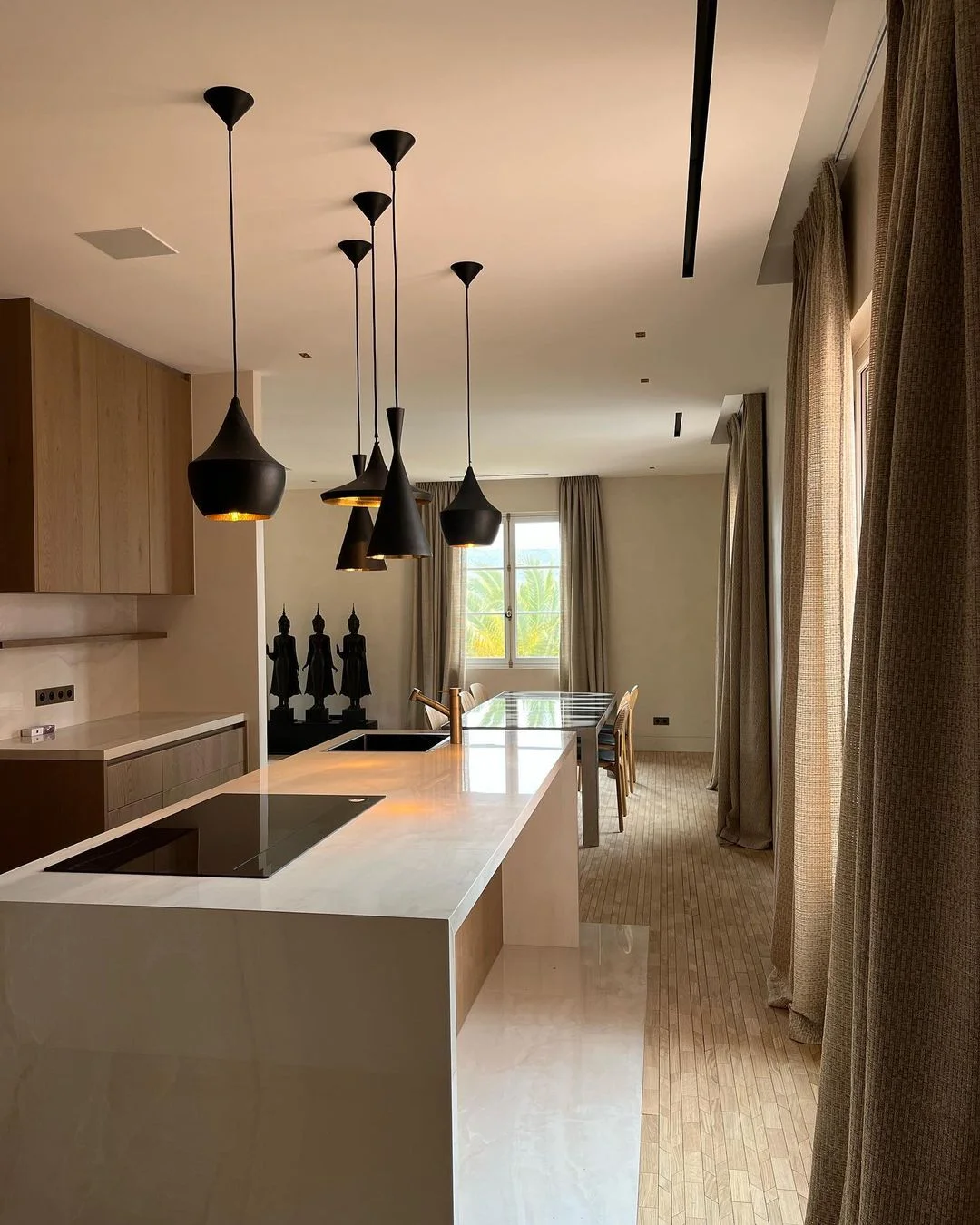
Reclaimed teak flooring offers an exceptional balance of structural stability, natural resistance to ambient humidity, and striking surface depth. Cut from dense, fallen hardwoods with rich mineral deposits, this architectural timber provides performance that standard flat-cut planks cannot match. For architects and interior designers balancing tactile beauty with intense foot traffic, it establishes an enduring foundation across both residential and commercial projects.
What Makes Reclaimed Teak Flooring Botanically Unique?
Zambezi teak, known botanically as Baikiaea plurijuga, is a slow-growing hardwood native to southern Africa. It is structurally distinct from common Asian teak (Tectona grandis), possessing a significantly higher fiber density and natural deposits of silica throughout its cellular walls. These mineral inclusions give the timber an inherent defense against mechanical wear, surface abrasion, and ambient moisture fluctuations.
The reclaimed provenance of this material further enhances its technical reliability. Recovered exclusively from naturally fallen trees, the timber undergoes extended seasoning in its native arid climate before fabrication. Because internal hygroscopic tension has dissipated over decades, the resulting boards demonstrate remarkable dimensional stability compared to unseasoned or rapid-growth plantation woods.
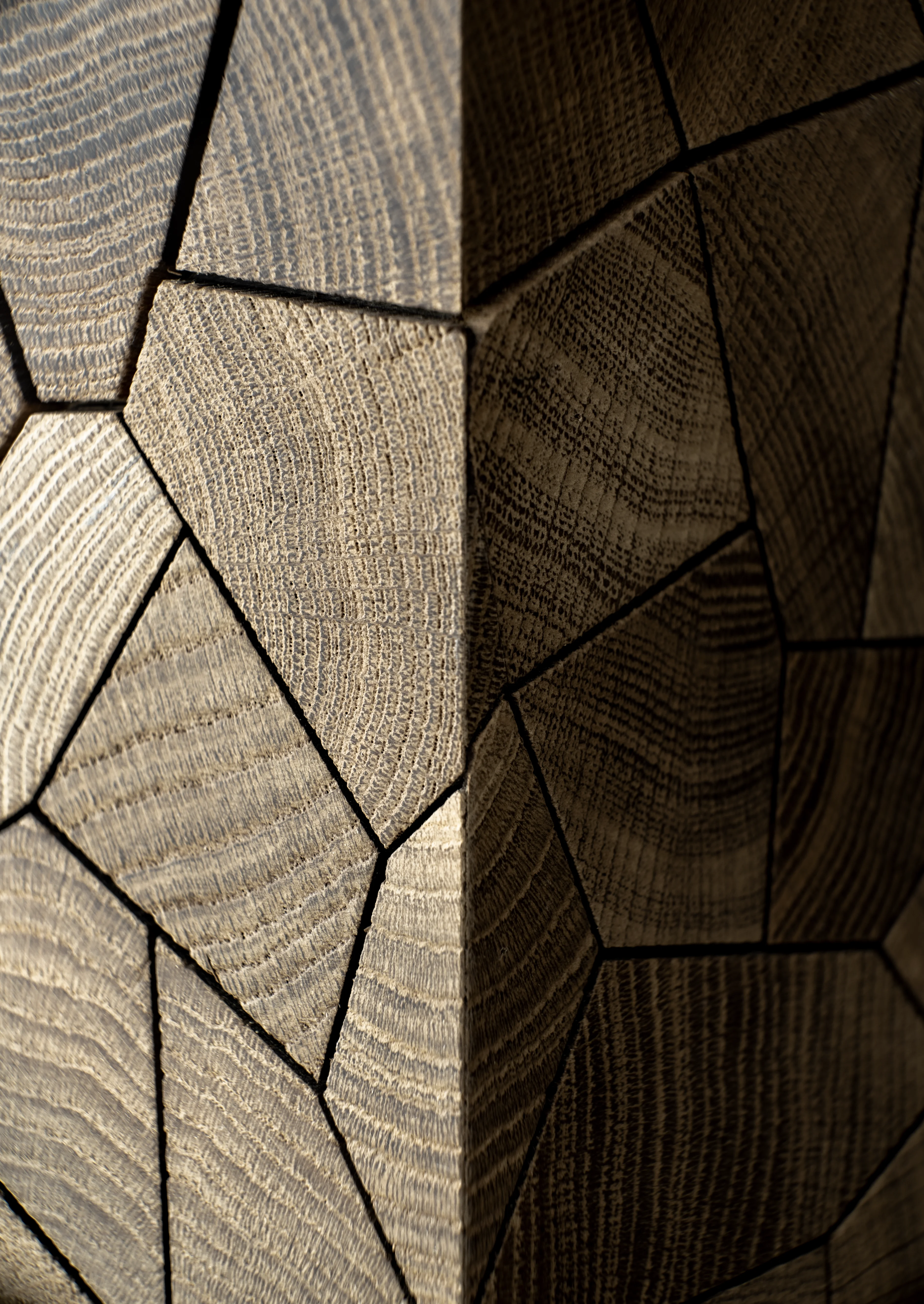
How Does End Grain Teak Parquet Resist Extreme Wear?
End grain teak parquet shifts the orientation of the timber so that the vertical growth rings face upward toward foot traffic. Rather than exposing the long fibers along the face of a board, which can fray or splinter under concentrated pressure, end-grain surfaces absorb vertical compressive forces directly into the cell ends. Under compression, the wood fibers press together and rebound without shearing.
This mechanical orientation pairs naturally with the dense cellular anatomy of Zambezi teak. While standard European oak registers a Janka hardness rating of approximately 1,300 lbf, Zambezi teak achieves approximately 2,990 lbf. When cut as end-grain blocks, the floor forms an ultra-resilient surface capable of sustaining heavy hospitality traffic, commercial footfall, and demanding private environments without indentations.
Why Choose Smoked Zambezi Teak for High-Traffic Projects?
Smoked Zambezi teak relies on core smoking rather than artificial pigment stains to produce its deep, warm brown tonality. The smoking process penetrates through the complete thickness of the timber, activating natural components deep within the wood cells. Because the color exists through the entire depth, superficial scratches or wear lanes do not expose pale timber underneath.
As years pass, smoked surfaces develop a tactile patina that becomes richer with use. Unlike sealed coatings that trap damage beneath plasticized barriers, a breathable finish combined with core smoking preserves the natural grain definition. When fabricated by hand into modular panels or intricate weaves, this treatment maintains a consistent tonal depth across adjoining architectural zones.
How Does Zambezi Teak Compare to Standard European Oak?
Understanding the material differences between reclaimed African teak and European oak assists specifiers in matching each timber to site conditions and client demands.
| Performance Attribute | Zambezi Teak (Baikiaea plurijuga) | European Oak (Quercus robur) |
|---|---|---|
| Hardness Rating | Approx. 2,990 lbf (Janka) | Approx. 1,300 lbf (Janka) |
| Cellular Composition | High natural silica and resin deposits | Open cellular pores with high tannin levels |
| Dimensional Stability | Naturally high; stabilized by long seasoning | Moderate; responds to indoor relative humidity |
| Grain Orientations | End-grain mosaic, woven strip, bespoke panels | Flatgrain planks, chevron, herringbone, end-grain |
| Coloring Method | Deep core smoking without surface stain | Surface lacquering in twelve colors or core smoking |
| Wear Resistance | Usage class 33 to 34 heavy commercial suitability | Usage class 33 heavy commercial suitability |
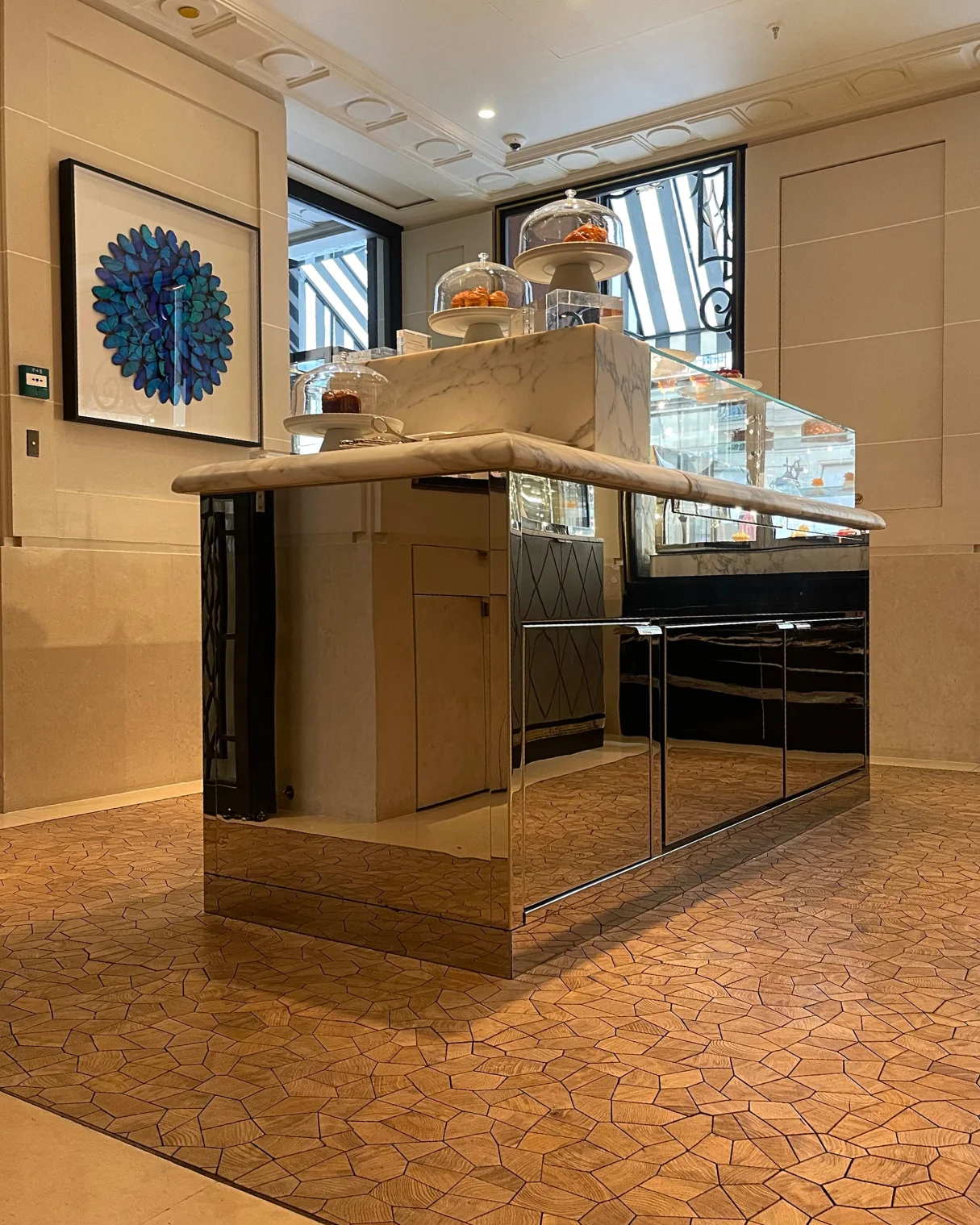
Specifying Zambezi Teak with OscarOno Paris
At OscarOno Paris, Zambezi teak is selected and crafted for projects where standard boards cannot fulfill the design brief. Our Réserve collection presents our signature organic end-grain pattern cut in solid Zambezi teak. Sourced exclusively from fallen trees in southern Africa, each tree is geolocalized, documented, and certified before being transformed into Opus Réserve in a deep Smoke finish. It delivers a hardness of approximately 2,990 lbf, pairing organic movement with peerless endurance.
To honor the material without creating waste, offcuts from Réserve production are gathered by hand to create the Tweed collection. Strips of varied widths and surface textures are hand-woven into continuous patterns that resemble tailoring cloth underfoot. Tweed carries an official Usage class 33 rating for heavy commercial traffic, a Cfl-s1 fire rating, and FSC and PEFC certification, bringing tactile warmth to challenging hospitality and residential rooms.
These floors have been tested in demanding international environments, sharing structural principles with our celebrated oak installations such as the Hotel Dame des Arts in Paris and private residences completed with DN Design Studio in Miami. To review the tactile quality directly, Order samples for your atelier, or visit our Library to download architectural spec sheets, CAD details, and 3D files.
Frequently asked questions
What is the difference between Zambezi teak and Asian teak?
Zambezi teak (*Baikiaea plurijuga*) is a southern African hardwood known for its exceptional hardness of approximately 2,990 lbf and natural silica density. Asian teak (*Tectona grandis*) is softer, often plantation-grown, and typically cut into long, flat boards for marine or outdoor use.
Is reclaimed teak flooring suitable for high-traffic commercial spaces?
Yes. When cut as end grain or woven panels, Zambezi teak achieves usage ratings up to class 33 for heavy commercial environments, outperforming standard oak floors under heavy footfall.
Does smoked Zambezi teak require surface staining?
No. Smoked Zambezi teak is treated through its full depth by core smoking, which darkens the wood fibers without superficial stains, ensuring color consistency as the floor ages.
How does end grain construction increase floor longevity?
End grain exposes vertical wood fibers that compress and spring back under heavy foot traffic rather than shearing or denting, significantly extending the lifespan of the installation.
More from the Atelier
How to Prevent Fading on Hardwood Floors: Design Guide
An architectural approach to managing sun exposure on wood floors, from spectrally selective glazing to finish choices and uniform patina development.
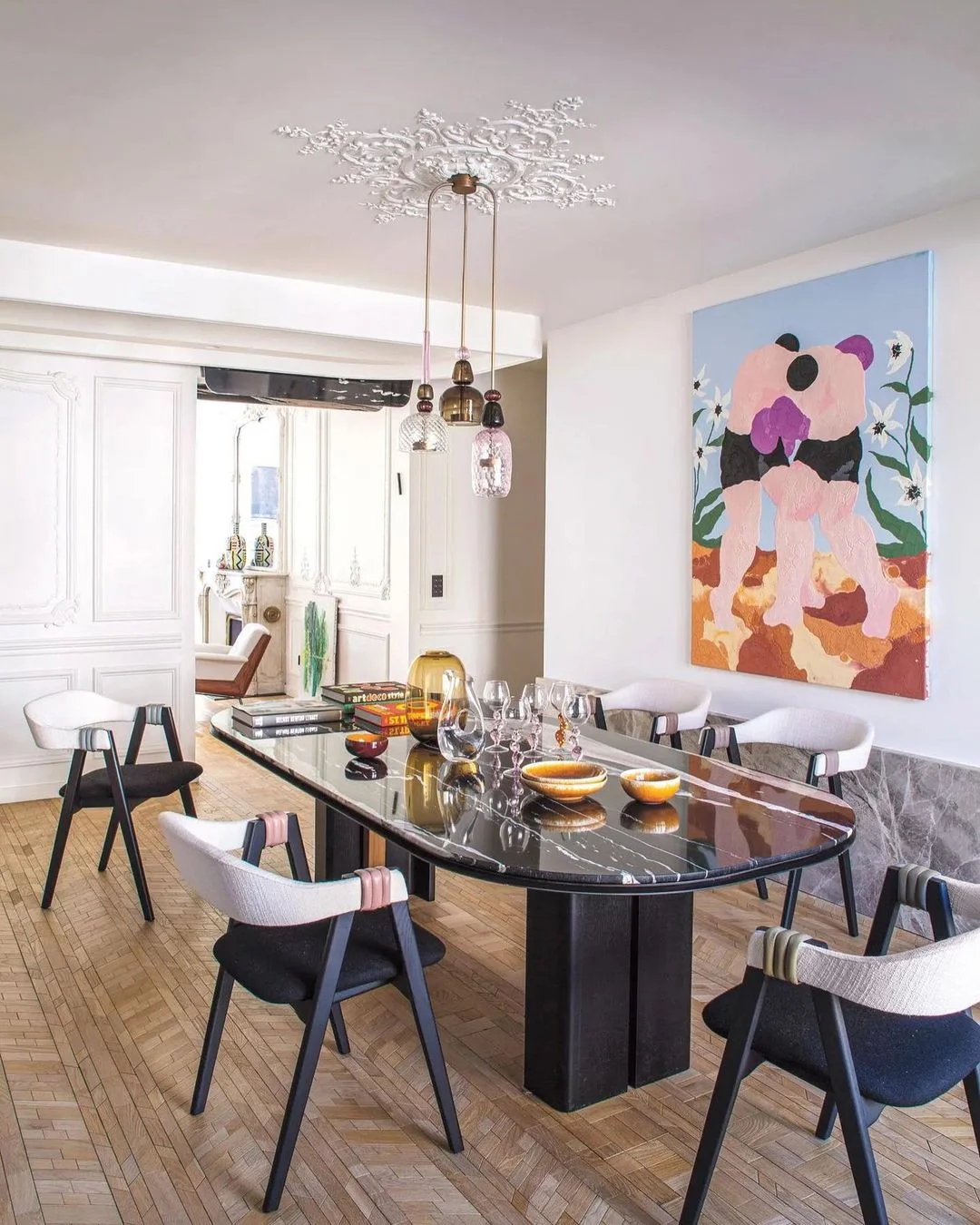
The Craft of Marquetry Parquet Flooring and Panels
Marquetry parquet flooring bridges historical French palace geometry with contemporary minimalism, bringing architectural structure to luxury interiors.
What Is Smoked Oak Flooring and How Does It Age in Sun?
Discover what smoked oak flooring is, how core smoking protects against sun fading, and how natural light develops oak patina over time.