
Wood in Film: Set Design and Material Storytelling
How cinema uses the texture, grain, and patina of timber to silently narrate stories.
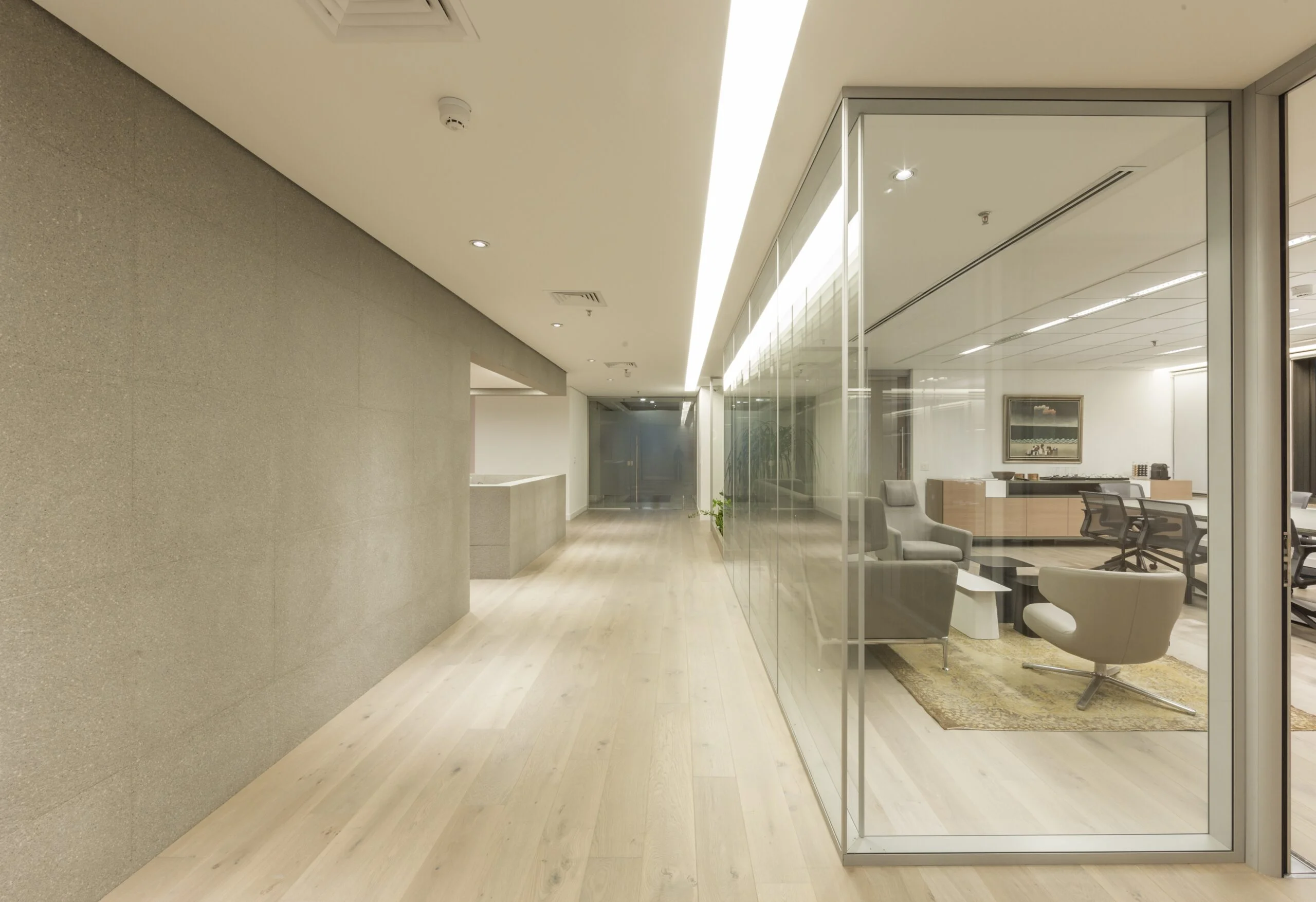
Set designers use wood in film as a physical, silent narrator to instantly establish the psychological tone, historical period, and social standing of a space. By manipulating grain, finish, and weathering, master production designers translate abstract emotional narratives into tangible, atmospheric environments. This technique of material storytelling bridges the gap between cinematic illusion and physical reality.
- Gothic, dark-stained wood paneling and creaking floorboards signal old-world wealth, secrets, and institutional decay.
- Juxtaposing warm timber with sterile concrete and steel emphasizes the psychological divide between nature and technology.
- Weathered, water-damaged wood serves as a sanctuary of human connection and emotional warmth in cold, institutional worlds.
- Visible wood grain in stop-motion animation can act as a profound visual metaphor for soul, life, and unpolished humanity.
- While physical sets often utilize simulated wood flats or faux-painted grain, the visual impact of wood texture remains a primary cinematic tool.
How does set design wood act as a storytelling tool in cinema?
Wood acts as an atmospheric anchor on screen, using its physical state—whether highly polished or deeply decayed—to communicate a character's history, social class, and inner emotional state before a single line of dialogue is spoken. Production designers rely on these subconscious material associations to build believable, immersive worlds.
In the mystery-thriller Knives Out (2019), production designer David Crank and set decorator David Schlesinger transformed the historic Ames Mansion into a character of its own. The dark-stained Gothic wood paneling, massive oak bookshelves, and creaking floorboards do not merely represent wealth; they represent old-world, eccentric power and hidden family secrets. By absorbing light rather than reflecting it, these dense, heavy timber surfaces create a sense of claustrophobia and history, suggesting that the walls themselves have witnessed decades of deception. Rather than a passive backdrop, the set design wood acts as a physical manifest of the family's moral decay.
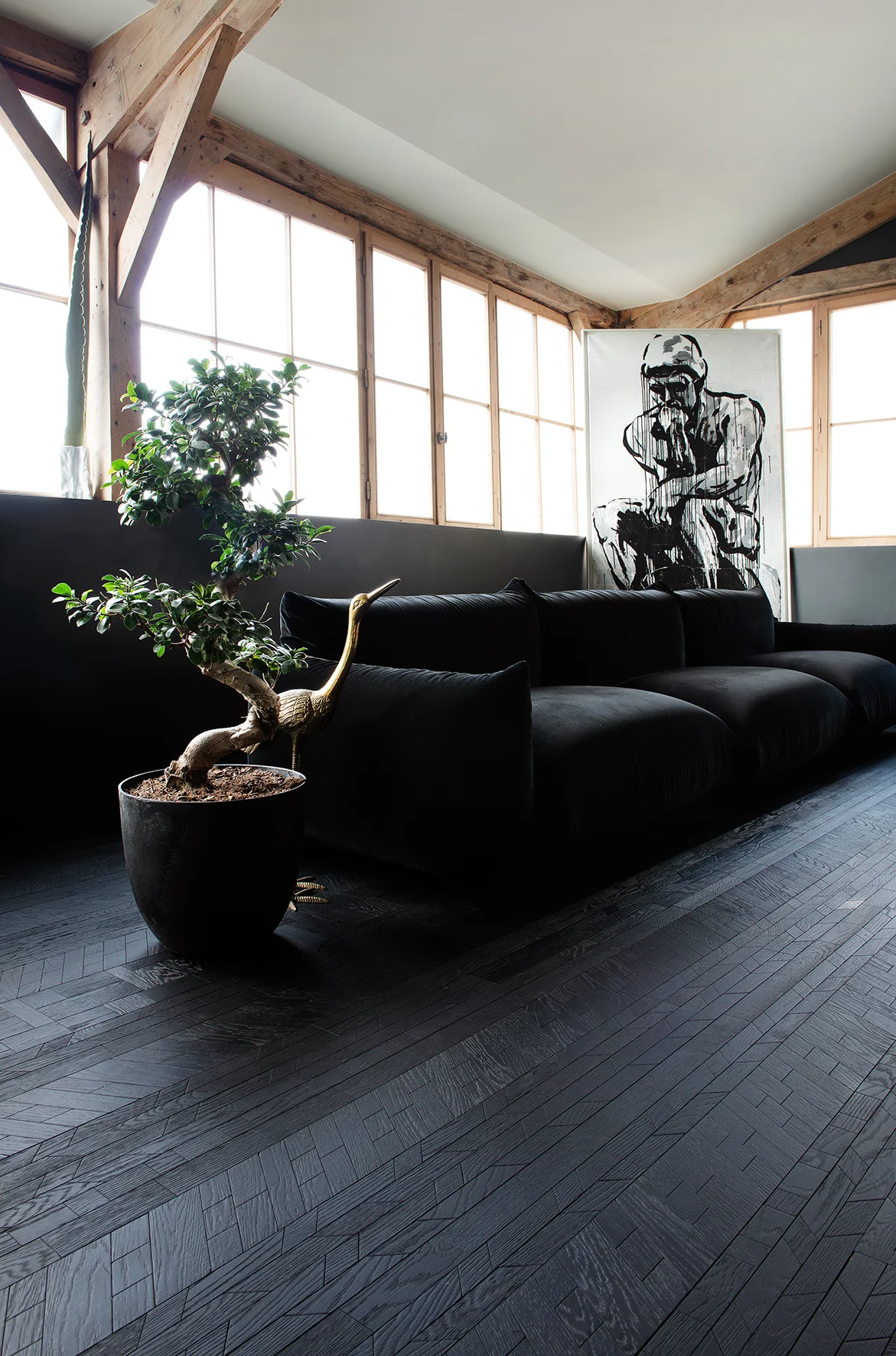
How do film sets establish the contrast between organic warmth and sterile technology?
Set designers establish the tension between human nature and technological advancement by contrasting warm, organic timber surfaces with cold, synthetic materials such as concrete, glass, and steel. This stark material dichotomy visually manifests the psychological conflicts and thematic divides at the core of a film's narrative.
In Alex Garland's sci-fi thriller Ex Machina (2014), production designer Mark Digby and set decorator Michelle Day masterfully executed this contrast. The home of the reclusive tech billionaire was filmed partly at Norway's eco-luxury Juvet Landscape Hotel, which features minimalist, timber-clad cabins. Digby blended these natural wood interiors with subterranean concrete sets. The warm, tactile wood surfaces ground the billionaire's residence in the serene beauty of nature, while the windowless, metallic laboratories symbolize the cold, clinical ambition of artificial intelligence.
How does weathered wood evoke historical authenticity in period films?
Weathered wood communicates historical authenticity by showcasing the natural toll of time, labor, and climate on human environments. Distressed, uneven, and patinated timber surfaces signal to the audience that a space is genuinely lived-in, grounding the cinematic narrative in a tangible, historically accurate physical reality.
In period dramas, the presence of pristine, machine-cut wood would immediately shatter the illusion of historical accuracy. For the film Hamnet, production designer Fiona Crombey utilized reclaimed, hand-weathered wood to evoke the earthy, raw reality of Elizabethan England. Similarly, in other gothic adaptations like Frankenstein, production designer Tamara Deverell uses heavily distressed, rough-hewn timber to reflect the gothic, elemental atmosphere of the story. These designers understand that the imperfections of wood—splits, knots, and faded patinas—are precisely what make a cinematic space feel genuine.
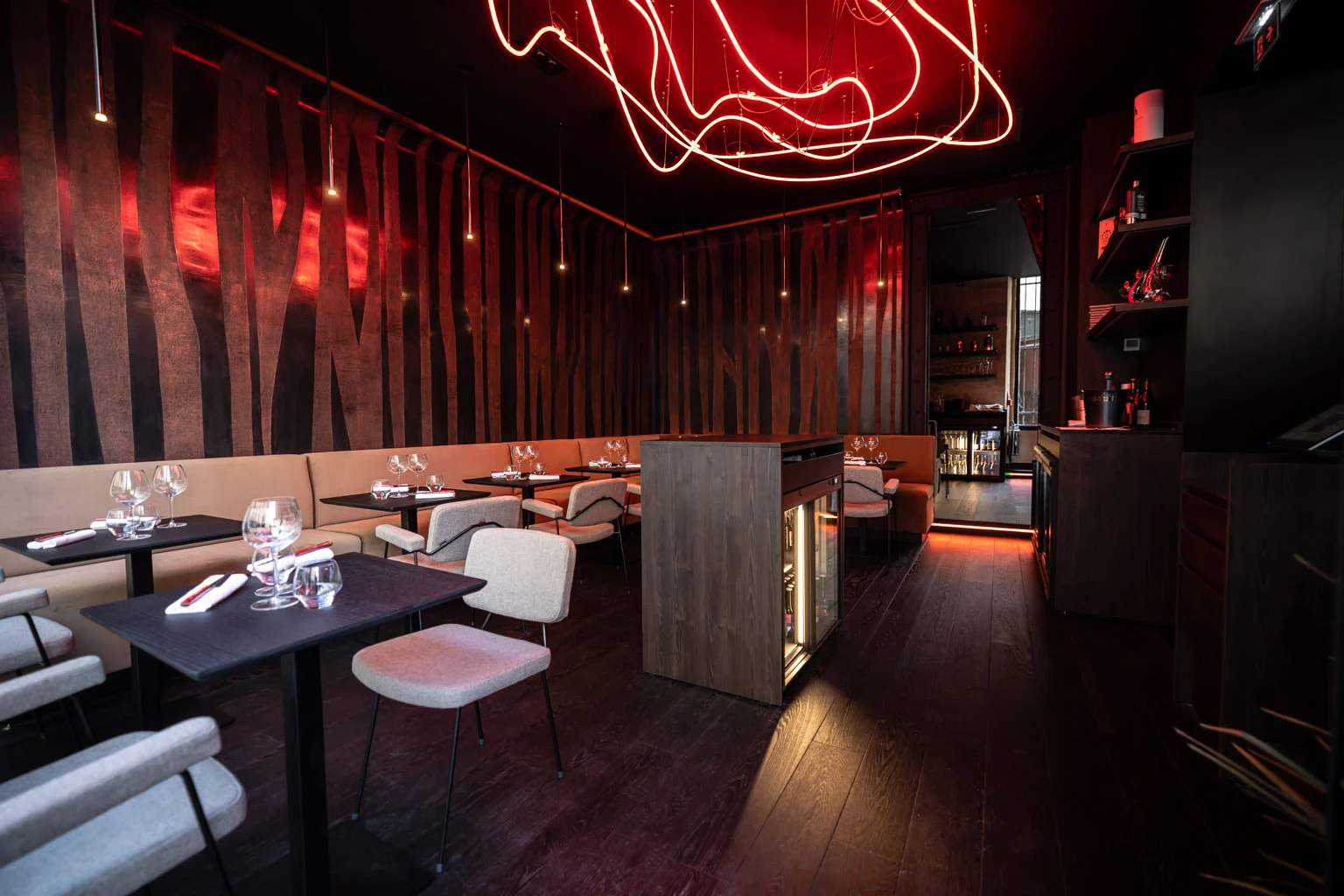
What is the role of wood grain in stop-motion animation character design?
In stop-motion animation, visible wood grain functions as a tactile metaphor for life, soul, and unpolished humanity. The natural, organic movement of the grain across a puppet's surface creates a sense of living warmth, separating the character from the cold, synthetic materials often found in modern environments.
In Guillermo del Toro's Pinocchio (2022), cinematographer Frank Passingham and the puppet-making team chose to leave a visible, raw wood grain on Pinocchio's body. Carved from a pine tree that grew over the grave of Geppetto's son, the puppet's physical form is a direct manifestation of grief and love. To ensure the texture remained consistent across rapid prototyping and multiple replacement faces, the animators meticulously mapped and printed the wood grain. This tactile, imperfect texture visually separates Pinocchio from the cold, polished plastic and metal of the fascist-era world around him, highlighting his organic innocence and soul.
Cinematic Wood Textures and Emotional Resonances
| Wood Texture | Visual Character | Cinematic Meaning | Key Movie Example |
|---|---|---|---|
| Gothic Dark Oak | Deep-toned, dense grain, matte or low-sheen | Old wealth, institutional secrets, decay | Knives Out |
| Organic Warm Pine | Pale golden tones, visible knots, soft grain | Nature, isolation, baseline humanity | Ex Machina |
| Scorched Charred Wood | Fractured black surface, high texture, light-absorbing | Destruction, transition, hidden intensity | Modern Gothic Cinema |
| Weathered Reclaimed Timber | Splits, water stains, uneven graying patinas | Historical survival, poverty, domestic warmth | The Shape of Water |
How do camera lighting and lens choice reveal wood texture on screen?
Cinematographers reveal wood texture on screen by using low-angle, directional lighting to cast dramatic shadows across the grain, paired with macro lenses that emphasize physical depth. This careful manipulation of light and focus transforms flat wooden panels into dimensional, highly tactile landscapes of shadow and highlight.
In The Shape of Water (2017), production designer Paul Austerberry and cinematographer Dan Laustsen contrasted the cold, clinical green-hued concrete of the government lab with the warm, water-damaged wood of Elisa's apartment. Laustsen used golden, warm light to filter through the narrow gaps of the aged wood floorboards, casting soft, dreamlike patterns of caustic light on the ceiling below. This play of light on textured, matte wood surfaces invites the audience to imagine the physical touch of the timber, turning the floor into an active agent of comfort and shelter. Highly polished, lacquered woods are often shot with sharp reflections to signal power or modern luxury, whereas raw, open-pore timber is filmed with soft, directional light to evoke vulnerability and organic beauty.
Summary: The Lessons of Cinema for Our Living Spaces
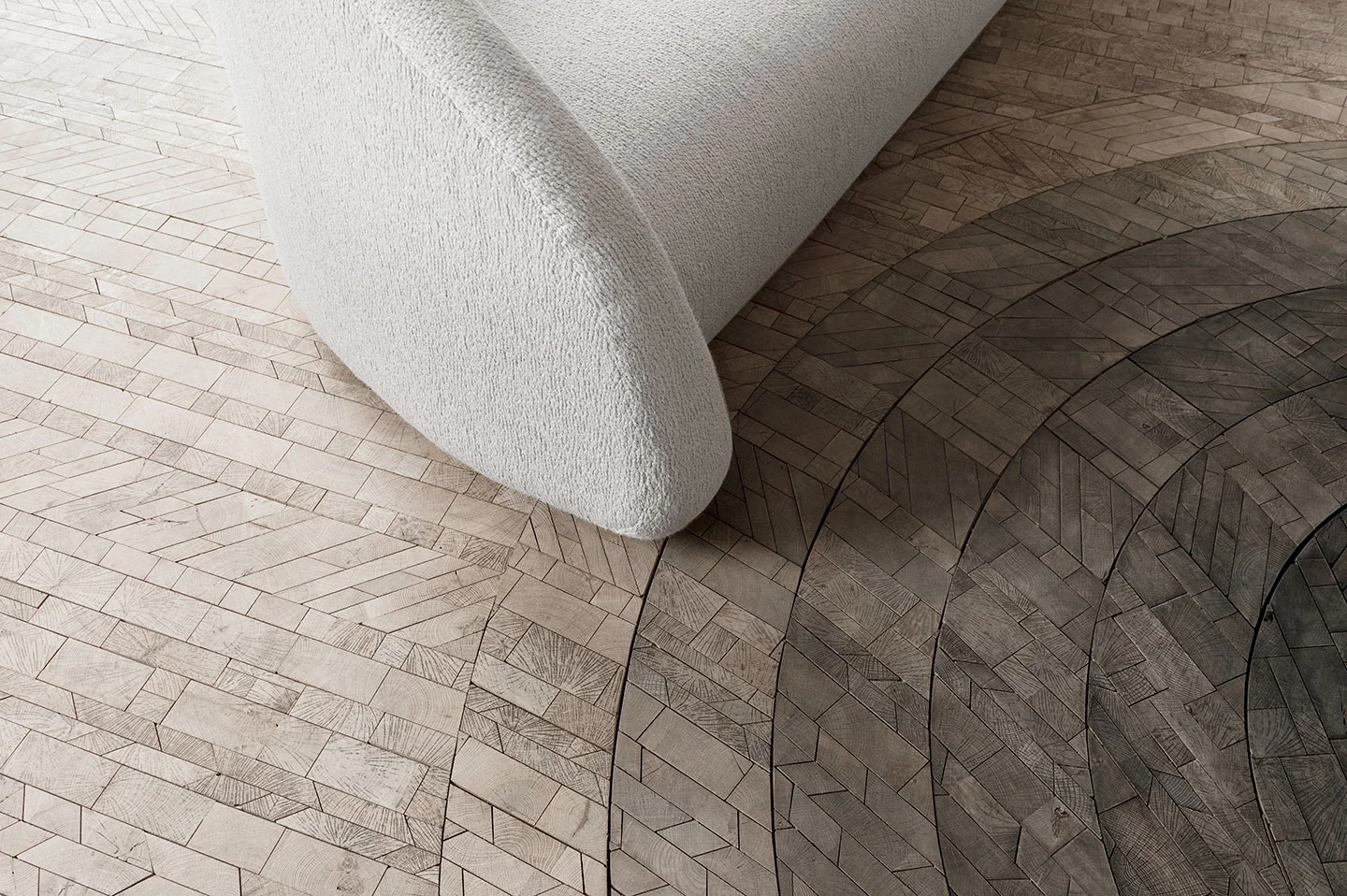
The lessons of set design wood demonstrate that the surfaces we choose to surround ourselves with are never neutral. Whether in a film set or a private residence, the choice between highly polished lacquered panels and raw, open-pore end-grain wood determines the emotional climate of a room. By understanding wood as a tactile storyteller, architects and designers can craft spaces that do not just look beautiful, but tell a deep, physical story of history, craft, and human connection.
Frequently Asked Questions
Do film sets use real solid wood?
While some high-end productions use real timber, many film sets utilize plywood flats, plaster, and scenic painting techniques to simulate wood grain. However, the visual and psychological impact of the simulated texture remains the same on screen.
Why is dark wood often used in mystery films?
Dark-stained wood paneling absorbs light rather than reflecting it, creating deep shadows and a sense of history. This material qualities evoke old-world secrets, institutional wealth, and a slightly claustrophobic atmosphere perfect for mysteries.
How does lighting affect the look of wood grain on screen?
Low-angle, directional lighting catches the physical ridges of open-grain wood, creating highlights and shadows that emphasize its three-dimensional texture. In contrast, flat, overhead lighting can make wood surfaces appear lifeless and uniform.
What does scorched or charred wood symbolize in cinema?
Scorched wood, reminiscent of the traditional Japanese Shou-Sugi-Ban technique, often symbolizes destruction, rebirth, or a modern, intense minimalism. It is frequently used in contemporary design-forward thrillers and gothic films to denote strength and raw beauty.
More from the Atelier
Calm Bedroom Design: How Wood Floors Create Restful Interiors
Learn how natural wood bedroom floors, acoustic balancing, and soft timber textures combine to transform your bedroom into a quiet, restorative sanctuary.
Summer Light & Organic Grids: Coastal Sanctuaries
Discover how the raw, organic grids of end-grain wood and pale timber tones ground bright, modern seaside properties into peaceful sensory retreats.
Minimalism and Wood: Doing More with Less Material in Design
Discover how warm minimalism replaces stark white spaces with tactile timber. Learn how a monomaterial approach creates serene, acoustically quiet luxury.