
The Forest Bathing Idea: How Shinrin-Yoku Inspires Wellbeing in Design
Bringing the restorative sensory cues of the forest canopy into high-end architectural spaces.
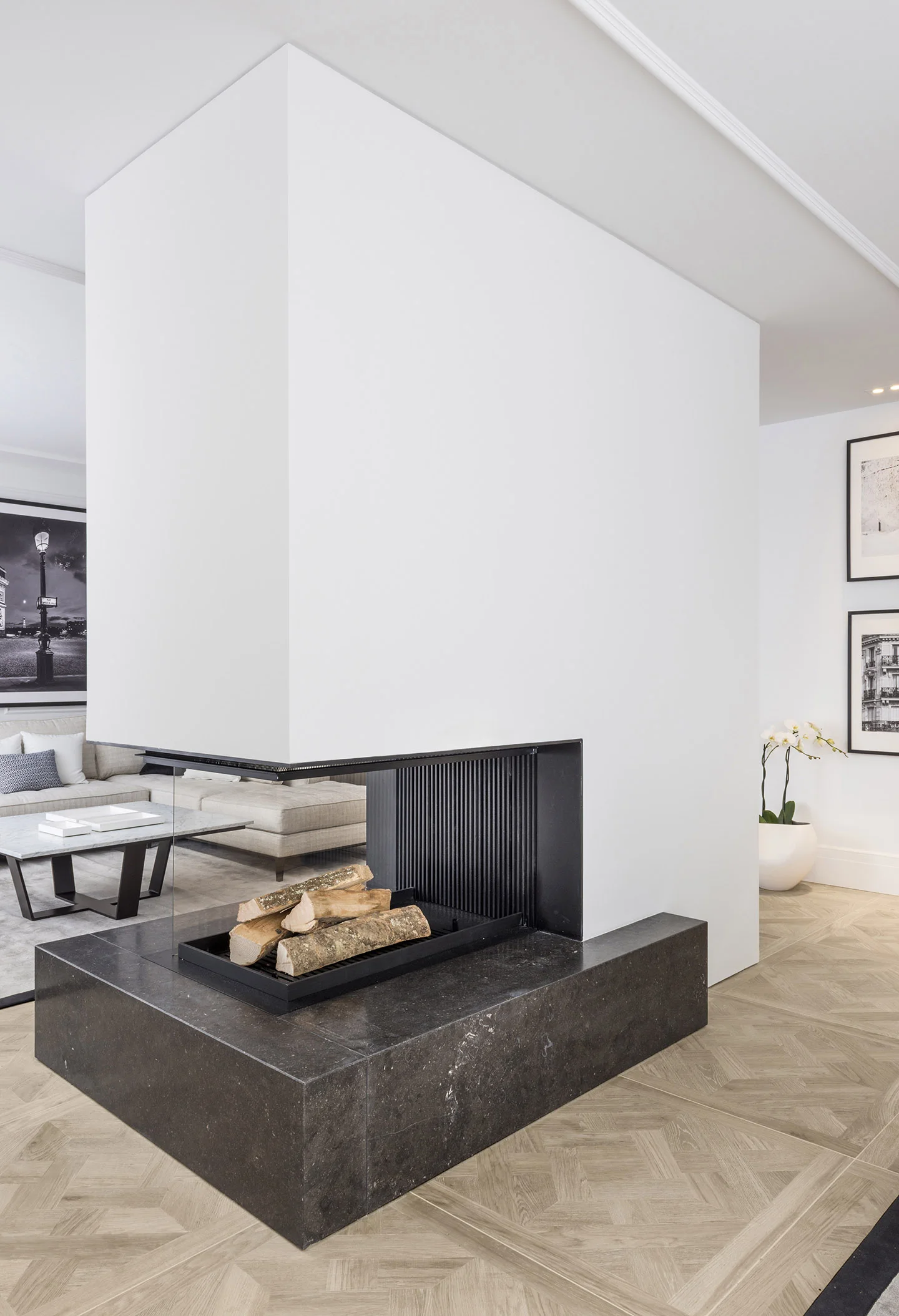
The concept of forest bathing, or shinrin-yoku, translates into interior architecture by replicating the subtle sensory cues of a natural woodland. Through the deliberate integration of highly tactile materials, acoustic dampening, and organic geometries, designers can recreate the restorative, stress-reducing qualities of a forest canopy. Utilizing raw, natural-oiled timber—specifically end-grain cuts that expose the tree's growth rings—establishes an honest, barefoot connection that fosters deep nature wellbeing within the built environment.
- Origins in Preventative Health: Coined in 1982 by Japan's Ministry of Agriculture, Forestry, and Fisheries, shinrin-yoku was developed as a nature-based response to urban burnout.
- Biophilic Analogues: Wellness-focused design relies on "natural analogues"—textures, patterns, and materials that mimic organic life to reduce physiological stress.
- Acoustic Grounding: End-grain wood flooring acts as a natural acoustic buffer, absorbing ambient sound to create quiet, sanctuary-like interiors.
- Material Honesty: Reclaiming and upcycling timber offcuts supports sustainable luxury without depleting pristine, old-growth forests.
What is the history of shinrin-yoku and forest therapy?
The practice of shinrin-yoku, commonly translated as forest bathing, emerged in Japan during the early 1980s. It was officially introduced in 1982 by Tomohide Akiyama, then the director-general of the Ministry of Agriculture, Forestry, and Fisheries. The initiative was designed as a nature-based public health campaign to combat the physiological and psychological toll of corporate burnout in rapidly expanding urban centers. While the practice itself is relatively modern, it draws deep inspiration from ancient Shinto and Buddhist traditions of nature reverence, where forests have long been revered as sacred, restorative spaces.
Over the past four decades, forest therapy has evolved from a cultural philosophy into an internationally recognized science. Numerous environmental medicine studies have demonstrated that spending mindful time in woodlands lowers cortisol levels, reduces blood pressure, and boosts immune system activity. These physiological benefits are largely attributed to phytoncides—organic antimicrobial compounds released by trees like cedar, pine, and oak. Today, contemporary interior designers and architects look to these clinical benefits as a blueprint, seeking to evoke the same calming chemical and sensory responses within urban homes, spas, and workspaces.
How does forest bathing translate to interior design and architecture?
Bringing the essence of forest therapy indoors requires a shift from superficial decoration to deep biophilic design. Rather than simply adding potted plants to a room, architects seek to integrate "natural analogues." These are materials, textures, and patterns that mimic the complex, non-repetitive structures found in nature. This approach is central to the concept of "barefoot luxury"—a design language popularized by visionaries like Raphaël Navot, which prioritizes raw, uncompromised material honesty and sensory depth over cold, synthetic perfection.
To simulate the calming canopy of a forest, designers manipulate light, shadow, and sightlines. Utilizing slatted timber screens, fluted glass, or deep-set windows allows daylight to filter through the space, casting moving, organic shadows that mimic the dappled light of woodland leaves. This slow, shifting light pattern encourages mindful presence, inviting occupants to slow down, explore the space with their senses, and connect with their immediate physical surroundings.
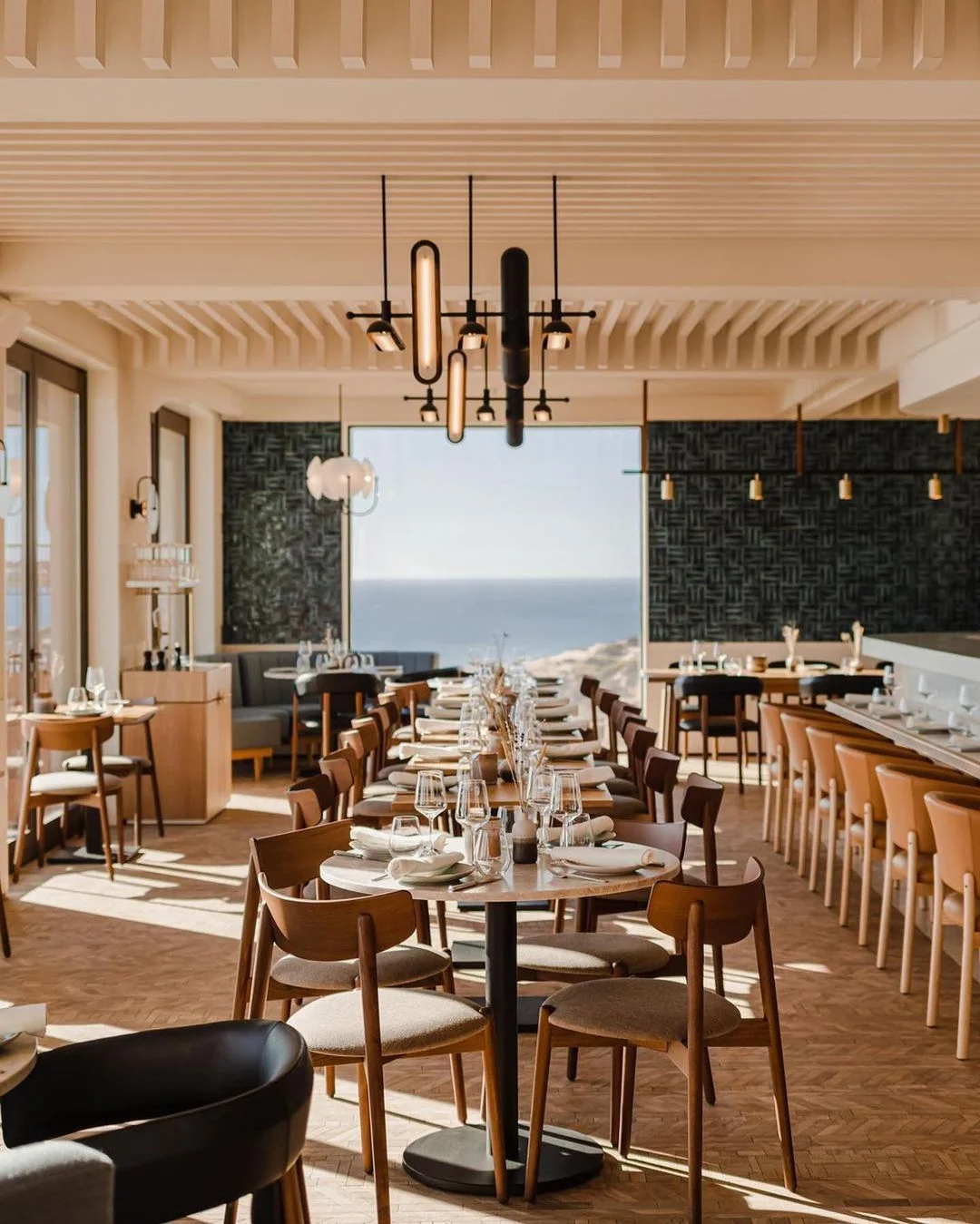
In luxury hospitality projects, such as the Aethos Ericeira Hotel, this philosophy is brought to life through expansive timber surfaces that echo the natural landscape. By minimizing synthetic finishes and allowing the natural variation of the wood grain to lead the aesthetic, the interior environment becomes a seamless extension of the outdoors, providing a grounding backdrop that immediately puts guests at ease.
Why does end-grain wood evoke the sensory feeling of a forest?
Among all timber cuts, end-grain wood is uniquely suited to bringing the physical essence of shinrin-yoku indoors. Traditional linear planks are cut lengthwise along the trunk, displaying long, uniform grain lines. In contrast, end-grain is sliced crosswise, exposing the tree's concentric growth rings, knots, and natural history. This orientation acts as a literal "slice of the forest," creating a dense, mosaic-like floor surface that feels incredibly solid yet velvet-smooth underfoot.
Beyond its striking visual depth, end-grain timber provides unmatched acoustic grounding. When a person walks across traditional linear hardwood or synthetic flooring, the impact often creates a hollow, high-pitched "click-clack" sound that can disrupt mental tranquility. Because end-grain tiles are oriented vertically, the wood fibers absorb the energy of footsteps, resulting in a deep, quiet, and solid acoustic response. This natural sound-absorption mimics the quiet, muffled floor of an ancient woodland, establishing a hushed, cathedral-like atmosphere that is essential for quiet luxury and sensory recovery.
How do notable projects integrate forest bathing into their design?
Pioneering architects around the world are increasingly using natural timber as a structural and sensory tool to dissolve the boundary between built environments and the natural world. These projects illustrate how material selection directly influences human wellbeing and spatial experience. The following table highlights three modern architectural projects that successfully translate the principles of forest bathing and timber craftsmanship into reality.
| Project Name | Location | Key Design Element | Sensory & Wellbeing Outcome |
|---|---|---|---|
| Forest Bath (Bosbad) by GAAGA | Eindhoven, Netherlands | Wrapped in reclaimed wood and a colonnade of real tree trunks | Creates a seamless physical and visual transition from the surrounding forest to private living quarters. |
| Casa de Baños by Robert Hutchison | Mexico | Secluded structure featuring vertical yellow pine siding | Designed to dissolve the boundary between the bather and the surrounding pristine forest canopy. |
| Comcast Technology Center Wellness Spaces | Philadelphia, USA | 30,000 square feet of reclaimed white oak end-grain flooring | Grounds a high-rise corporate environment with tactile warmth and superior acoustic dampening. |
These diverse projects highlight that whether in a dense urban skyscraper or a secluded wellness retreat, the physical presence of wood serves as an anchor. By celebrating the natural irregularities, textures, and aging processes of timber, designers can create spaces that do not feel static, but rather evolve and acquire a beautiful patina over time, reflecting the passage of seasons just like a living forest.
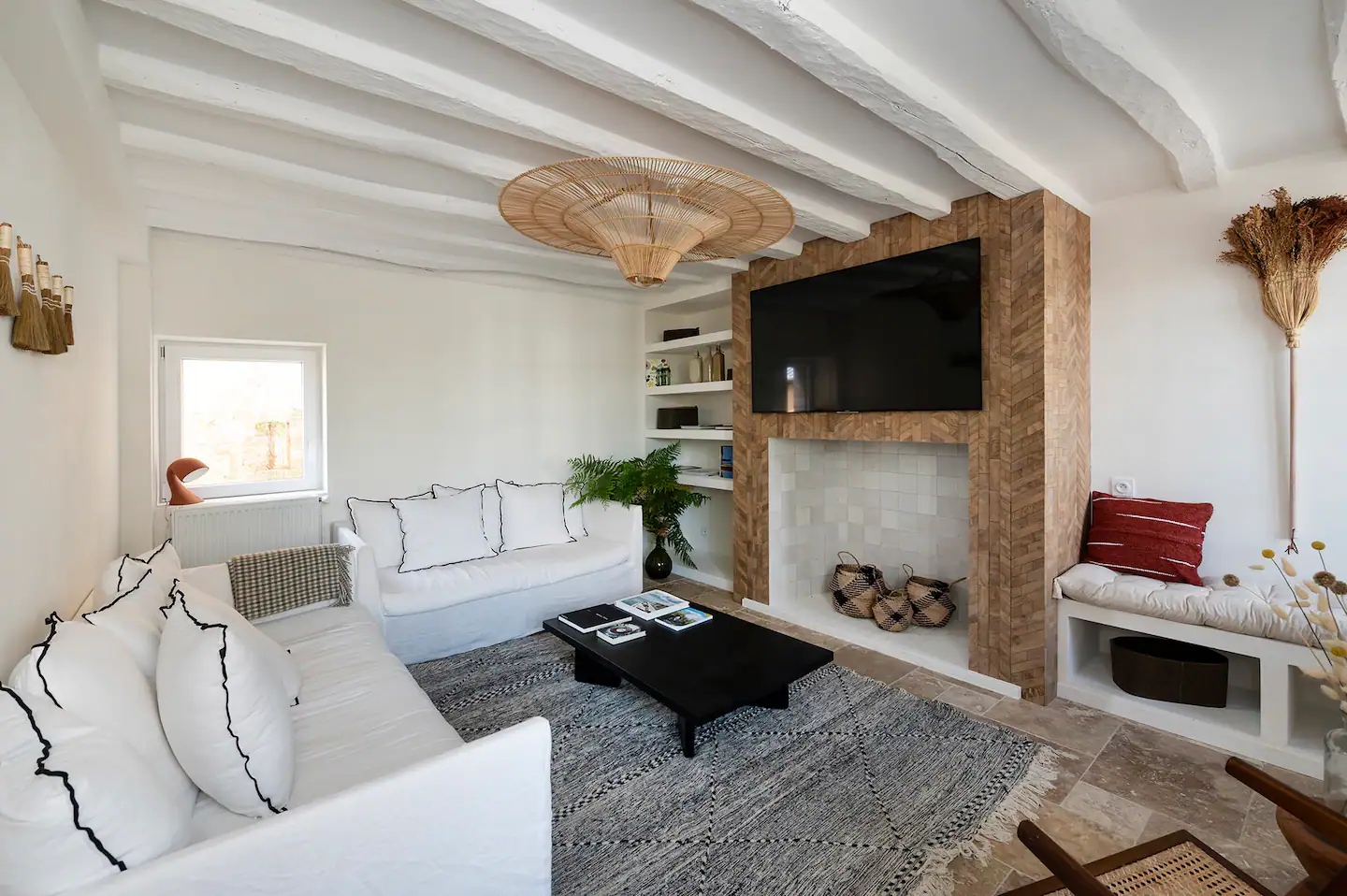
What materials and palettes best support indoor nature wellbeing?
To craft an interior that authentically evokes the restorative atmosphere of a woodland, the material palette must prioritize tactile variation and organic origins. Designers should select raw, unlacquered, or natural-oiled woods like European oak, pine, or cedar. Unlike heavy, synthetic polyurethane coatings that seal the timber under a plastic-like barrier, natural oils protect the wood while allowing it to breathe. This breathability lets the timber release subtle, grounding organic resins and maintain its natural warmth, gently holding and radiating ambient heat rather than feeling cold to the touch.
This wooden foundation should be paired with complementary natural materials that share an organic lineage. Hand-applied clay plaster, raw river stones, textured cast glass, and coarse linen textiles create a rich, multi-sensory dialogue. Color palettes should avoid stark, artificial pigments, leaning instead on earth-derived tones: deep moss greens, soft eucalyptus, muted slate grays, and warm, sandy beiges. When layered thoughtfully under soft, indirect lighting, these materials combine to create a deeply grounding environment that honors the spirit of shinrin-yoku.
Frequently Asked Questions About Forest Bathing in Design
What is the main benefit of bringing forest bathing concepts indoors?
Designing interiors with forest bathing concepts introduces tactile natural materials, softens harsh lighting, and lowers ambient noise. This combination helps lower heart rates and cortisol levels, fostering a deep sense of psychological calm and spatial comfort.
Why is end-grain wood preferred for wellness-focused interiors?
End-grain wood exposes the concentric growth rings of the tree, providing a highly tactile surface underfoot. Additionally, its vertical fiber structure excels at absorbing ambient sound, reducing echo to create a quiet, sanctuary-like environment.
What other natural materials pair well with wood to evoke shinrin-yoku?
Raw clay plaster, natural river stones, linen textiles, and hand-cast glass complement timber surfaces beautifully. These materials enhance the tactile diversity and organic atmosphere of the space, mirroring the complex textures of a forest floor.
More from the Atelier
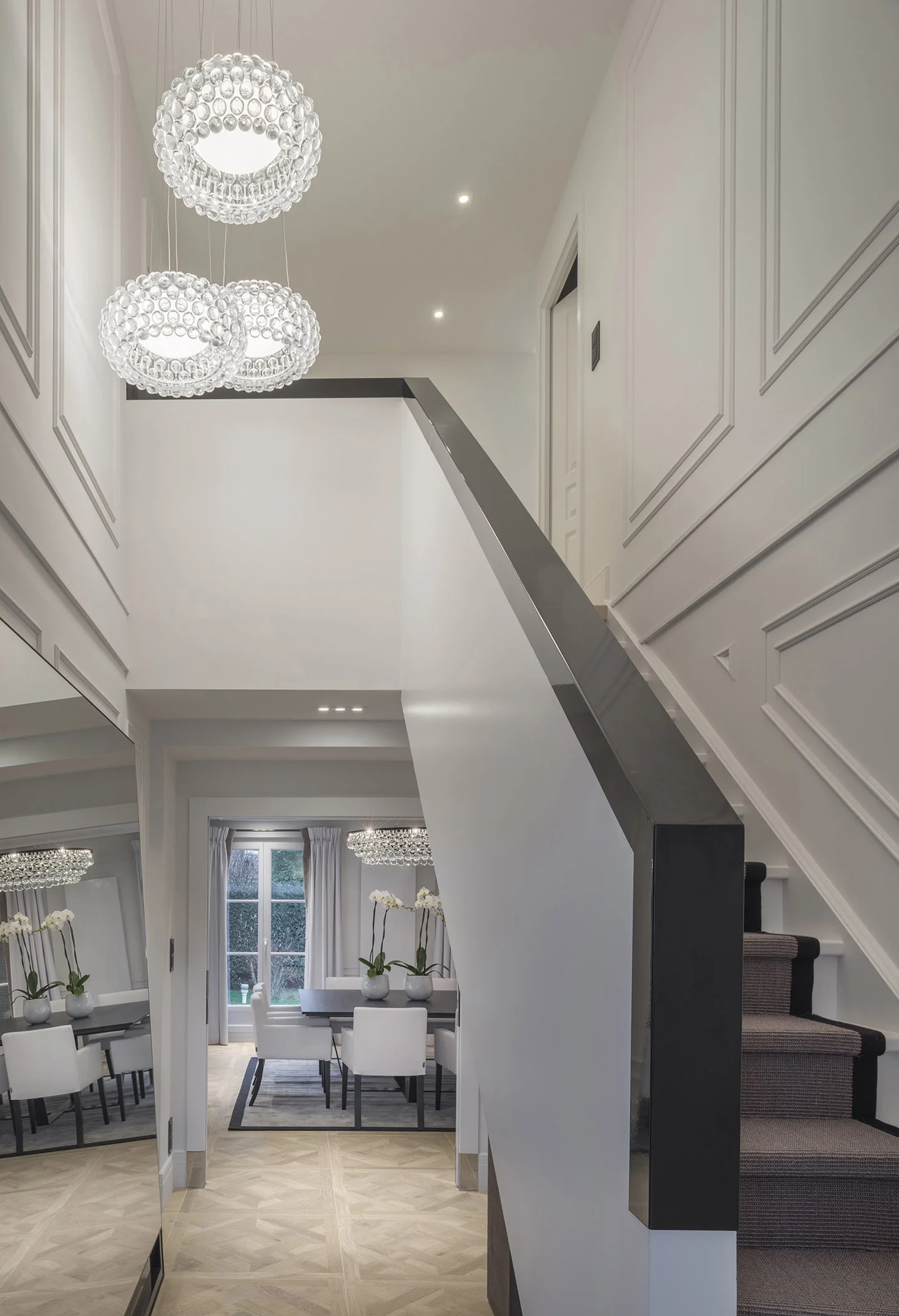
Calm Bedroom Design: How Wood Floors Create Restful Interiors
Learn how natural wood bedroom floors, acoustic balancing, and soft timber textures combine to transform your bedroom into a quiet, restorative sanctuary.
Summer Light & Organic Grids: Coastal Sanctuaries
Discover how the raw, organic grids of end-grain wood and pale timber tones ground bright, modern seaside properties into peaceful sensory retreats.
Minimalism and Wood: Doing More with Less Material in Design
Discover how warm minimalism replaces stark white spaces with tactile timber. Learn how a monomaterial approach creates serene, acoustically quiet luxury.