
The Language of Wood: Words We Borrow from Trees
How the etymology of truth, books, and memory is carved from timber.

The human vocabulary is deeply rooted in the forest, with fundamental words like book, library, and truth physically and etymologically carved from trees. This ancient linguistic relationship shapes how we describe stability, knowledge, and memory through wood idioms and tree metaphors. By understanding these connections, we can appreciate how natural wood surfaces do not merely cover a room, but speak to a profound human heritage.
Key Takeaways
- The word book shares a deeply resonant etymological link with the beech tree, referencing the ancient beech-wood tablets used for runic carvings.
- The word library originates from the Latin liber, which initially referred to the inner bark of a tree used as an early writing surface.
- Core concepts of truth, trust, and tree share the same Proto-Indo-European root, deru-, meaning firm, solid, or steadfast.
- Modern designers leverage these narrative depths by choosing tactile, deeply textured timber to cultivate contemplative "slow spaces."
- Natural wood surfaces provide a distinct acoustic hush, absorbing ambient noise to mimic the quiet, focused atmosphere of historic libraries.
How does the language of trees shape human vocabulary?
Human language borrows extensively from the anatomy and life cycle of trees to express complex abstract ideas. From the "roots" of an issue to "branches" of knowledge, wood idioms and tree metaphors provide a structural framework for describing growth, origin, and stability in everyday communication. We naturally describe family history as a "family tree," refer to offshoots of organizations as "branches," and speak of individuals who are "steadfast as an oak."
This reliance on the language of trees is not accidental. Early humans lived in intimate contact with forests, utilizing timber for shelter, warmth, and tools. As abstract thought developed, the physical characteristics of wood—its grain, its strength, its underground networks—offered the perfect vocabulary to describe human experiences. When we speak of someone having "deep roots" or "turning over a new leaf," we are utilizing a cognitive bridge built over millennia of forest coexistence.
What is the etymological link between books and beech wood?
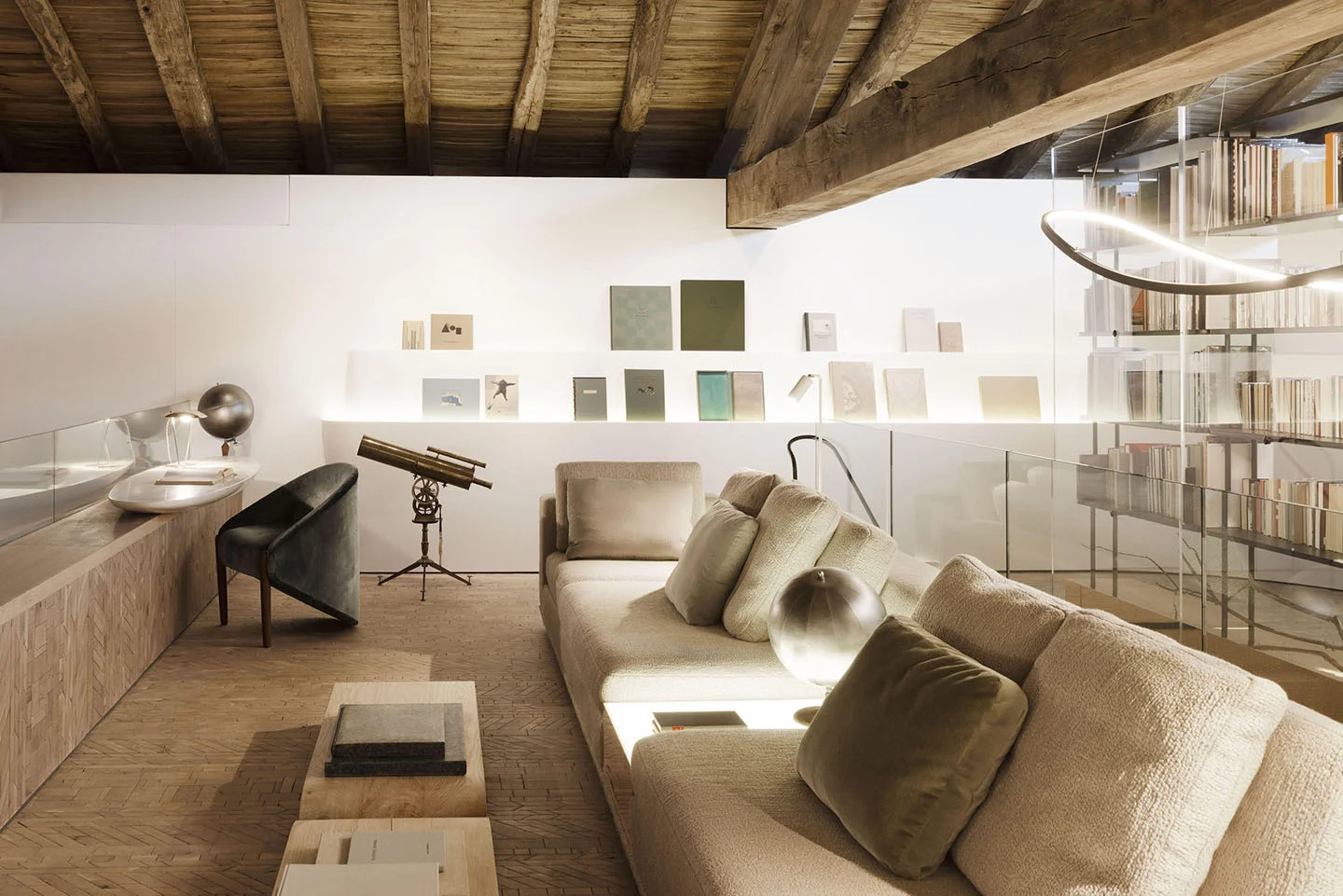
The connection between books and beech wood is a deeply resonant etymological link tracing back to early Germanic runic writing. Before the advent of paper, early tablets and writing boards were carved from the close-grained wood of the beech tree, known in Old English as bōc. This direct physical medium eventually gave rise to the modern English word "book," linking our modern literary storage systems to the physical boughs of the forest.
According to historical linguistics, this etymological path is mirrored in several Germanic languages, such as the German word for book (Buch) and beech (Buche). A similar phenomenon occurred in classical antiquity. The Latin word for book, liber, originally referred to the inner bark of trees, which was peeled, dried, and written upon. Thus, whether tracing Germanic or Romance languages, the physical substance of the tree is the literal foundation of human reading, writing, and archival memory.
Why do truth, trust, and trees share the same linguistic root?
The words truth, trust, truce, and tree all descend from the Proto-Indo-European root deru-, which translates to firm, solid, or steadfast. This linguistic origin demonstrates that our ancestors conceptualized moral honesty and reliability through the physical resilience of enduring timber. To speak the truth was to speak with the unyielding strength of a mature trunk.
This shared ancestry reveals how deeply our moral concepts are tied to physical materials. In early societies, a tree was the ultimate symbol of endurance, weathering centuries of storms while remaining firmly anchored in the earth. By naming abstract values like trust and truth after this botanical steadfastness, early speakers grounded complex ethical ideas in a tangible, visible reality. When we walk upon or touch real timber, we are interacting with the very material that defined our historical understanding of integrity.
How does architectural wood design translate the language of trees?
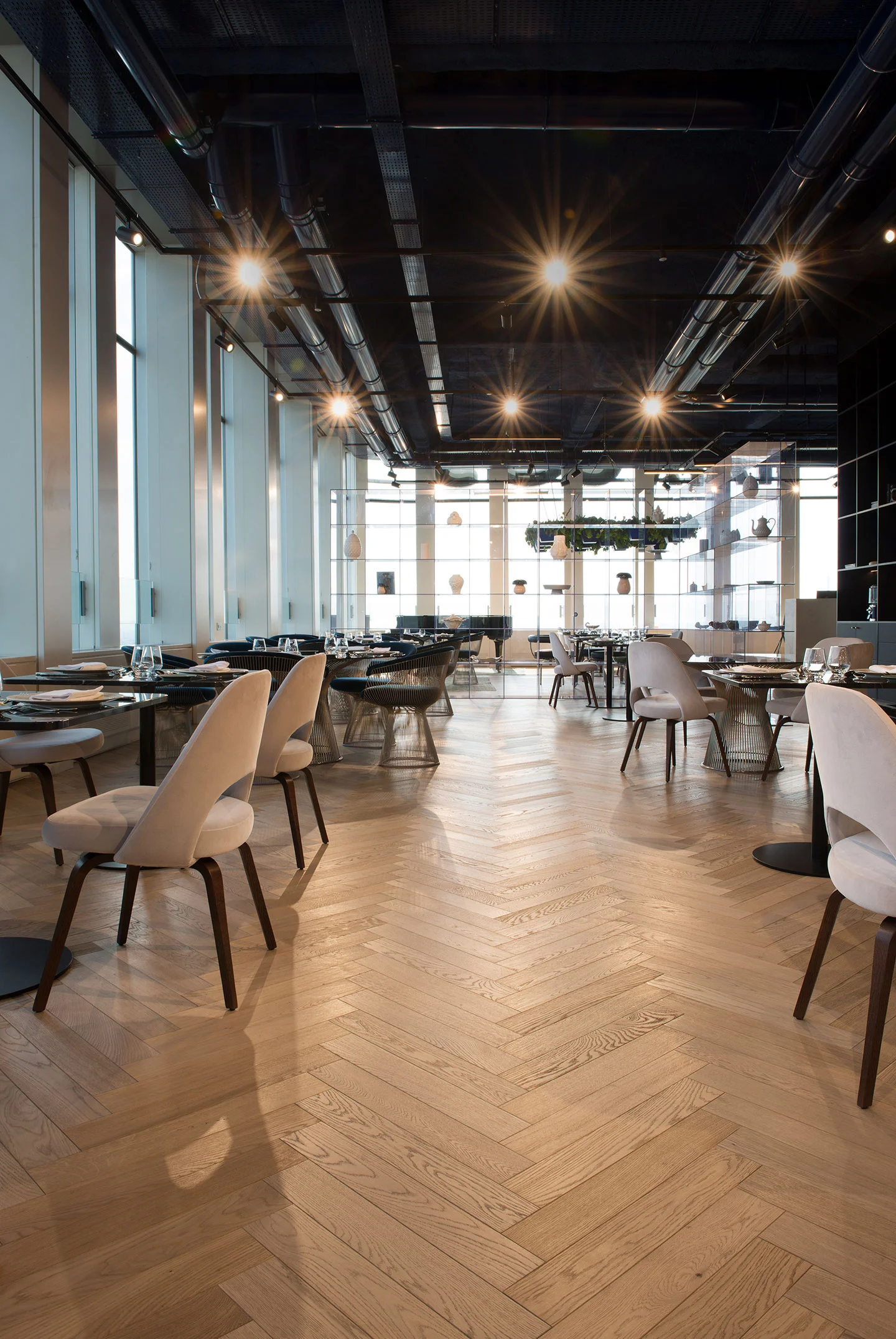
Modern architectural design translates the language of trees by utilizing physical wood textures—such as brushed grain, sandblasted surfaces, and end-grain patterns—to establish a narrative-driven, tactile environment. These organic surfaces create a sensory bridge between raw forest ecology and human intellectual sanctuaries. In doing so, architects move away from sterile, synthetic surfaces in favor of materials that carry historical weight and foster quiet introspection.
This design approach aligns with the growing "Slow Space" movement, which prioritizes materials that age gracefully and tell a story. By incorporating a "palette of the scribe"—ink-stained charcoal oaks, pale parchment-toned beech, and warm amber heartwoods—designers can evoke the atmosphere of ancient scriptoriums. The physical relief of deeply brushed timber feels like tactile typography underfoot, turning the floor into a legible canvas of natural history.
How do wood surfaces establish acoustic and psychological sanctuaries?
Wood surfaces establish acoustic and psychological sanctuaries by naturally dampening sound waves and lowering physiological stress levels. The cellular structure of timber, particularly dense end-grain configurations, absorbs ambient noise to recreate the reverent, quiet atmosphere of historic libraries and monastic scriptoriums. This reduction in reverberation creates a sense of psychological safety, allowing for deeper focus and mental clarity.
Beyond acoustics, the sensory experience of wood-lined spaces deeply affects human well-being. The dry, comforting scent of natural oak tannins and wood oils evokes a subconscious connection to nature, while the sight of organic growth rings provides a grounding visual rhythm. By replacing reflective, cold materials with acoustic timber flooring, designers can transform high-traffic modern rooms into quiet, contemplative retreats that invite slow, deliberate living.
Comparing Wood-Derived Words and Their Linguistic Origins
| Modern Word | Linguistic Origin | Original Meaning | Tree Connection |
|---|---|---|---|
| Book | Old English bōc | Beech tree / writing tablet | Early runes were carved onto tablets made of close-grained beech wood. |
| Library | Latin liber | Inner bark of a tree | The inner bark was peeled, dried, and used as a primary writing surface. |
| Radical | Latin radix | Root | Used metaphorically to describe going to the absolute origin or root of an issue. |
| Truth | Proto-Indo-European deru- | Firm, solid, steadfast | Shares its direct ancestral root with the physical word for "tree." |
Frequently Asked Questions
Why is the word book connected to the beech tree?
The word book is connected to the beech tree because early Germanic tribes used smooth tablets of beech wood, known as bōc, to carve runic characters before the widespread availability of paper.
What does the Latin origin of library tell us about writing?
The Latin word for library, libraria, comes from liber, meaning the inner bark of a tree. This reveals that tree bark was one of the earliest physical mediums used by humans to record written language.
How do wood floors improve the acoustics of a room?
Wood floors, particularly dense end-grain surfaces, improve room acoustics by absorbing sound waves rather than reflecting them. This natural sound-dampening property reduces echo and creates a quiet, sanctuary-like environment.
More from the Atelier
Calm Bedroom Design: How Wood Floors Create Restful Interiors
Learn how natural wood bedroom floors, acoustic balancing, and soft timber textures combine to transform your bedroom into a quiet, restorative sanctuary.
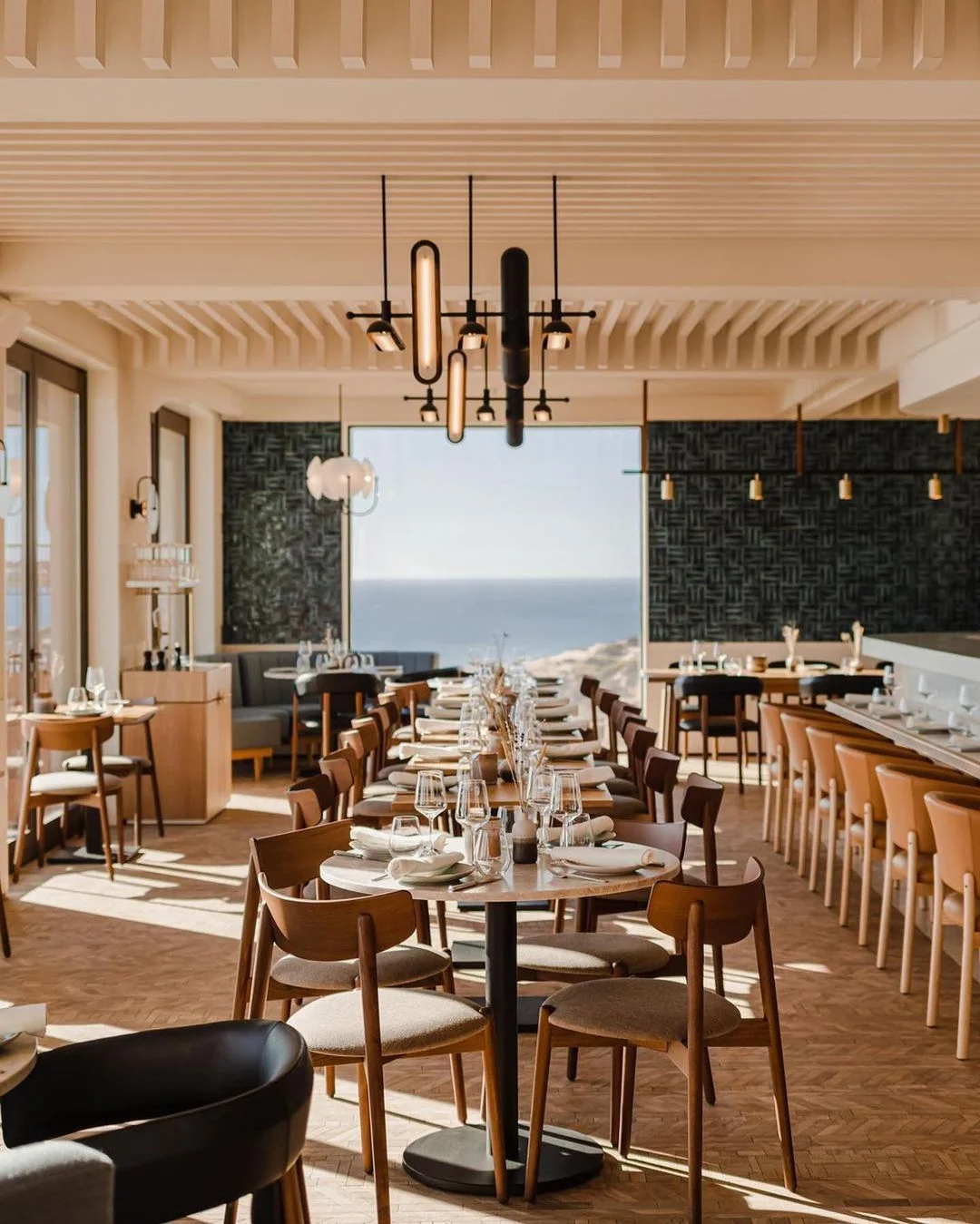
Summer Light & Organic Grids: Coastal Sanctuaries
Discover how the raw, organic grids of end-grain wood and pale timber tones ground bright, modern seaside properties into peaceful sensory retreats.
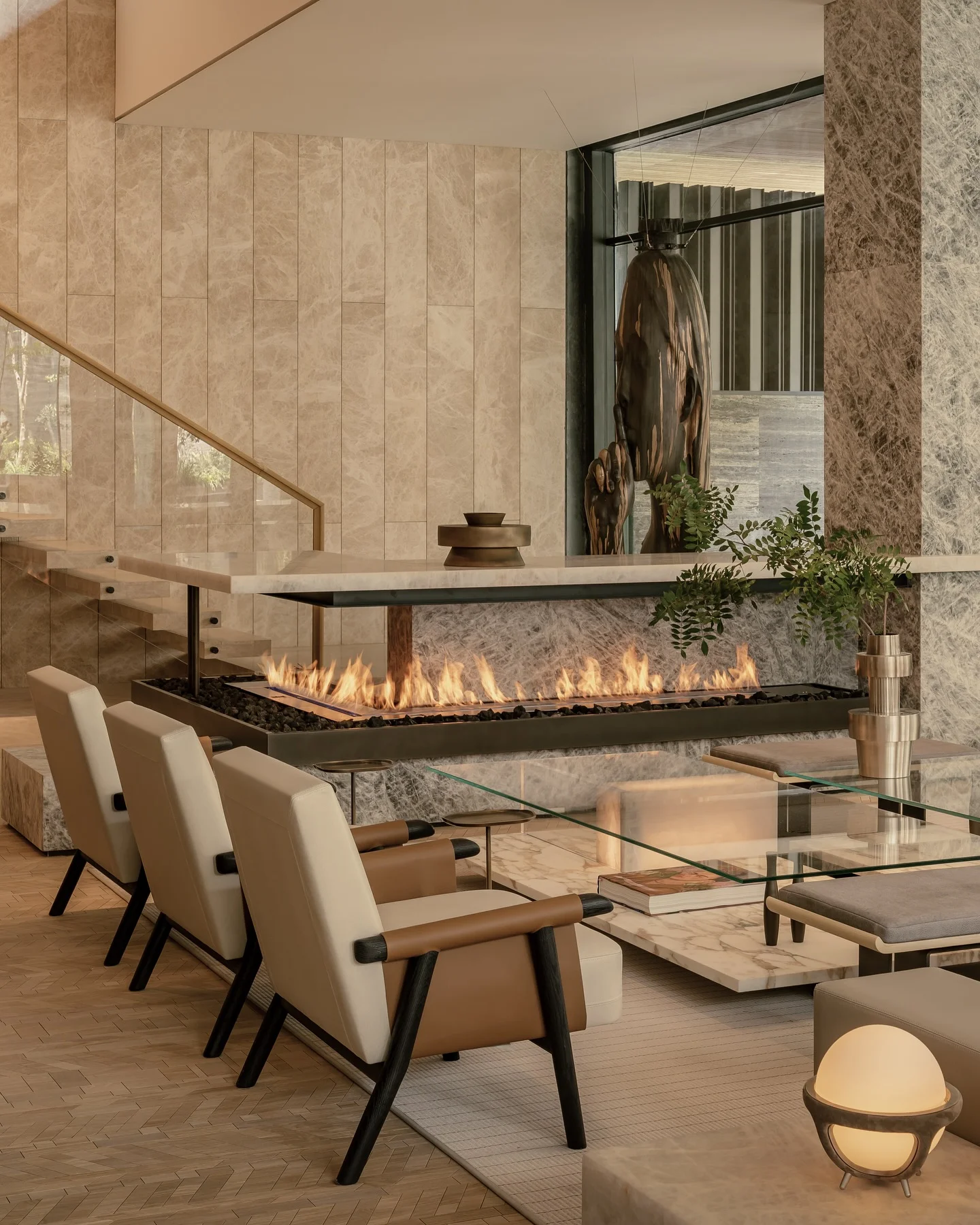
Minimalism and Wood: Doing More with Less Material in Design
Discover how warm minimalism replaces stark white spaces with tactile timber. Learn how a monomaterial approach creates serene, acoustically quiet luxury.