
The Oldest Trees on Earth: What Deep Time Teaches Us
Ancient bristlecone pines, historic oaks, and the luxury of patience.
The oldest trees on earth, such as the ancient bristlecone pines of California and veteran European oaks, offer profound lessons in resilience, slow growth, and material longevity. By studying these exceptionally long-lived organisms, architects and designers learn to appreciate "deep time"—the philosophy of selecting dense, slow-matured materials that develop character and patina over centuries rather than decaying. This perspective shifts our understanding of wood from a mere structural commodity to a living, historical archive.
- The Great Basin bristlecone pine is the oldest living tree species, with individual specimens surviving for over 4,800 years in harsh, high-altitude climates.
- Slow growth rates pack cellulose fibers tightly together, creating extremely dense timber that naturally resists environmental decay and mechanical wear.
- Ancient European oaks demonstrate how natural wood chemistry, specifically tannin accumulation, protects structural timber while enriching its visual patina over centuries.
- Dendrochronology—the study of tree rings—provides a scientific and graphic record of historical environmental changes.
- Modern architectural movements increasingly embrace these natural principles by incorporating end-grain wood surfaces that highlight organic growth rings.
What is the oldest living tree on Earth?
The oldest living tree on earth is a Great Basin bristlecone pine (Pinus longaeva) located in the White Mountains of California, estimated to be over 4,850 years old. Known colloquially as "Methuselah," this ancient organism has survived millennia of harsh winds, freezing temperatures, and arid conditions through an extraordinary process of slow, adaptive growth. The precise location of this tree remains a closely guarded secret to protect it from vandalism and environmental disruption.
To survive at elevations exceeding 3,000 meters, the bristlecone pine allocates its energy with extreme efficiency. Instead of growing rapidly to compete for sunlight, it focuses on cellular density. Scientific research into conifer longevity and environmental adaptation reveals that these harsh conditions prevent the growth of fungal pathogens and wood-boring insects. This unique ecological isolation, combined with the tree's slow metabolic rate, allows individual specimens to witness entire civilizations rise and fall.
How does slow growth determine the density and durability of wood?
Slow growth directly determines the density and durability of wood by packing cellulose fibers and annual growth rings tightly together. In rapid-growth conditions, trees produce wide bands of soft earlywood, whereas slow-growing ancient trees develop narrow, compressed rings consisting mostly of dense structural latewood. This tight cellular spacing increases the wood's specific gravity, making it highly resistant to physical impact and moisture penetration.
When a tree grows in a challenging climate, its cambium layer produces fewer, smaller cells each season. This results in incredibly narrow annual growth rings, sometimes visible only under magnification. The resulting wood contains very little air space within its cellular cavities, giving it a density that rivals stone. For architects and designers, understanding this relationship is crucial when selecting timber surfaces designed to withstand heavy foot traffic and structural loads over decades.
What can ancient oaks teach us about structural longevity and patina?
Ancient oaks teach us that true structural longevity is achieved through material adaptation and the natural accumulation of protective chemical compounds. Over centuries, veteran European oaks (Quercus robur) accumulate high concentrations of natural tannins, which darken the heartwood and shield the timber from biological degradation. This chemical transformation creates a deep, irreplaceable patina that cannot be replicated by artificial stains.
In European temperate forests, veteran oaks have stood for over a thousand years, weathering storms, droughts, and human intervention. Dendrochronological studies, as detailed in historical forestry and environmental records, show that these oak trees adapt structurally to seasonal shifts, recording history in their fibers. When utilized in historical timber frame architecture or high-end flooring, this wood continues to breathe, oxidizing gently to develop a rich, silvery-grey or deep amber hue that marks the passage of time with grace.
How does dendrochronology translate into modern interior design?
Dendrochronology translates into modern interior design by celebrating the transverse cut of the tree—known as end-grain—as an honest, graphic narrative. Instead of hiding the growth rings, contemporary designers use end-grain blocks to lay bare the natural biography of the timber, turning organic variation into a sophisticated architectural canvas. This methodology honors the natural lifecycle of the forest by showcasing the physical records of climate and time.
In high-end residential and hospitality projects, there is a distinct movement away from uniform, mass-produced surfaces toward materials that carry historical weight. End-grain wood flooring and wall claddings expose the circular growth rings, medullary rays, and natural fissures of the tree. When swept by low, warm architectural lighting, these micro-textures create a dynamic surface that shifts in appearance throughout the day, grounding modern interiors in the quiet luxury of deep time.
Comparing Ancient Timber Characteristics
| Tree Species | Average Lifespan | Key Structural Property | Aesthetic Expression in Design |
|---|---|---|---|
| Great Basin Bristlecone Pine | 3,000 – 4,800+ Years | Extreme resin density, highly rot-resistant | Wind-scoured, bone-white, highly textured |
| European Oak | 500 – 1,000+ Years | High tannin content, excellent mechanical strength | Deep golden-brown, rich medullary rays, elegant patina |
| Zambezi Teak | 200 – 400+ Years | Natural silica and oil retention, highly stable | Smoked, dark charcoal, subtle irregular grain patterns |
Frequently Asked Questions about Earth's Oldest Trees
What is the oldest living tree species on Earth?
The Great Basin bristlecone pine (Pinus longaeva) is recognized as the oldest non-clonal living tree species on Earth, with individual trees in California surviving for more than 4,800 years. Their longevity is attributed to their slow growth rate and resin-saturated wood, which protects them from disease and decay.
How do scientists determine the age of ancient trees without cutting them down?
Scientists determine the age of living ancient trees using a specialized tool called an increment borer. This instrument extracts a slim, straw-like core of wood from the bark to the center of the trunk, allowing dendrochronologists to count the annual growth rings without harming the tree.
Why does slow-growing wood last longer than fast-growing wood?
Slow-growing wood lasts longer because its cellular structure is exceptionally compact, resulting in narrow annual rings with high density. This dense composition minimizes moisture absorption, reduces seasonal expansion and contraction, and provides natural resistance against mechanical wear, insects, and fungal rot.
What is the philosophy of "deep time" in modern architecture?
The philosophy of "deep time" in modern architecture rejects temporary, fast-fashion materials in favor of elements that embody geological or historical endurance. It prioritizes honest, natural materials—such as end-grain timber, natural stone, and hand-finished metals—that age beautifully and tell a story of long-term survival and craft.
More from the Atelier
Calm Bedroom Design: How Wood Floors Create Restful Interiors
Learn how natural wood bedroom floors, acoustic balancing, and soft timber textures combine to transform your bedroom into a quiet, restorative sanctuary.
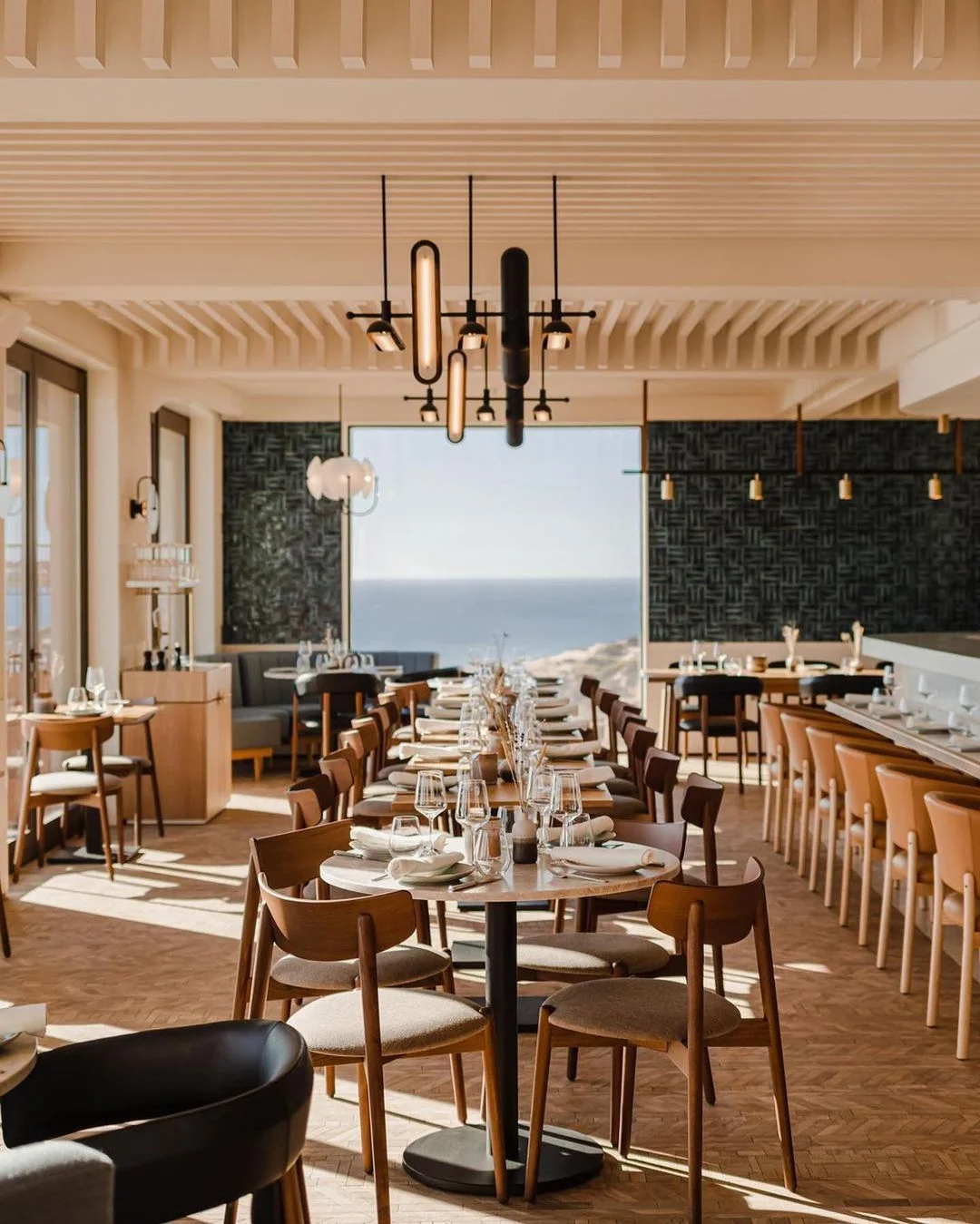
Summer Light & Organic Grids: Coastal Sanctuaries
Discover how the raw, organic grids of end-grain wood and pale timber tones ground bright, modern seaside properties into peaceful sensory retreats.
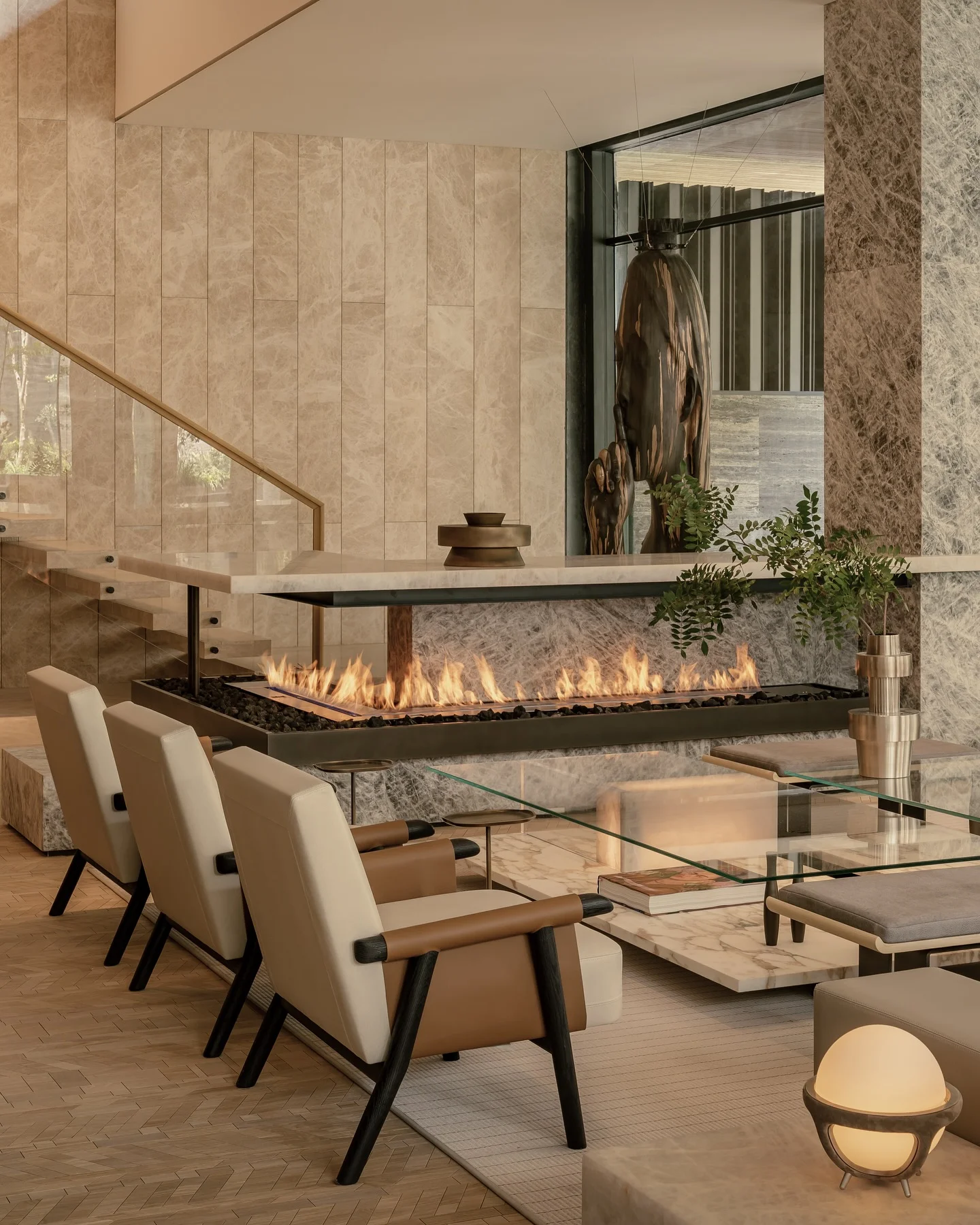
Minimalism and Wood: Doing More with Less Material in Design
Discover how warm minimalism replaces stark white spaces with tactile timber. Learn how a monomaterial approach creates serene, acoustically quiet luxury.