
Why Handwork Endures: The Slow Craft Movement in Design
In an age of speed, intentional craftsmanship and slow design bring permanent value to luxury interiors.
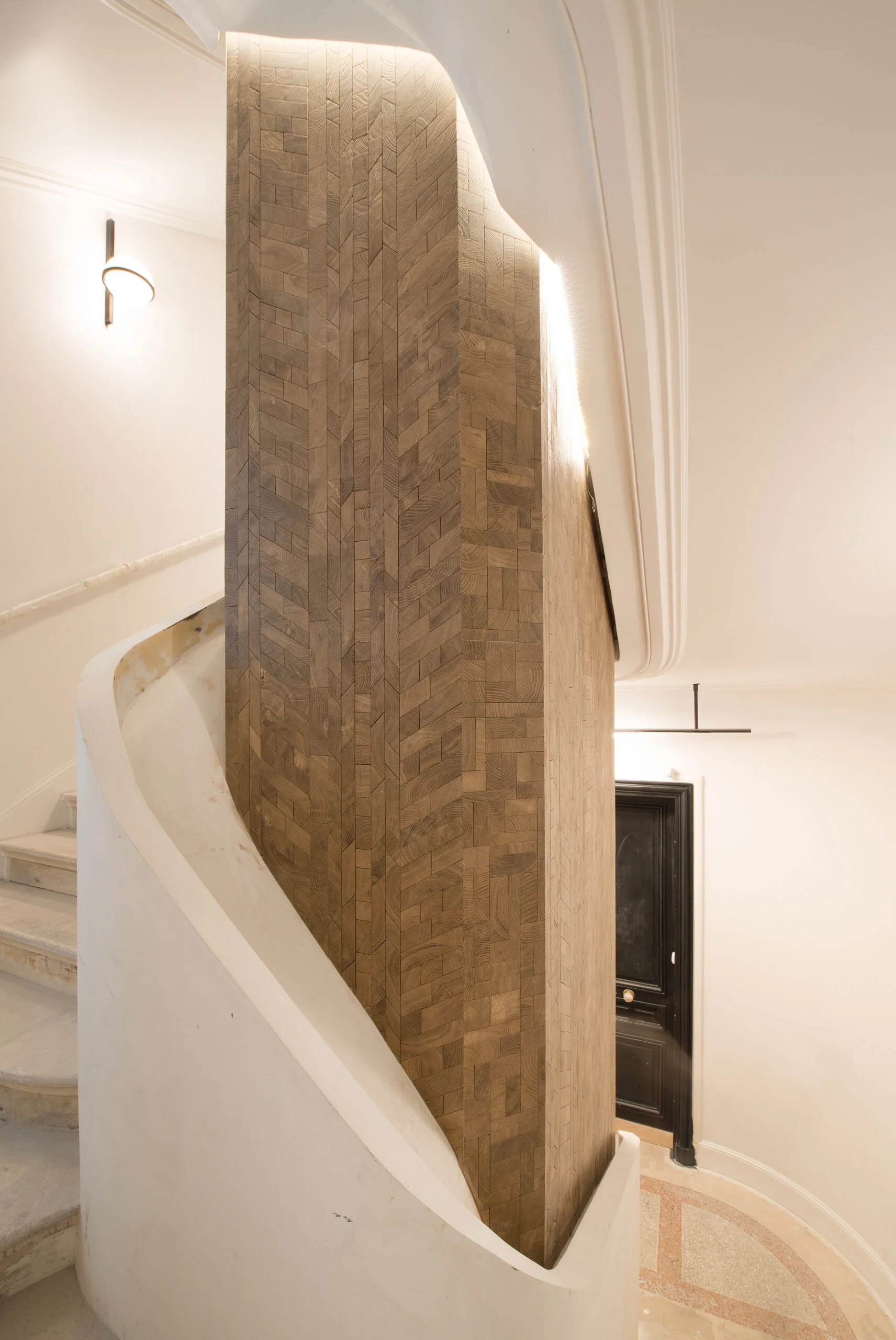
The slow craft movement in interior architecture represents a deliberate return to human-centric, time-intensive production methods that celebrate material honesty and tactile depth. By prioritizing intentionality over speed, this philosophy fosters a profound emotional connection between individuals and their physical environments. This approach ensures that architectural elements are treated not as disposable commodities, but as enduring components of a home.
- Slow craft emphasizes the irreplaceable value of the human hand, creating objects and surfaces with distinct tactile depth.
- Slow design, originally conceptualized by Strauss and Fuad-Luke, prioritizes material origin, cultural relevance, and environmental longevity.
- Modern luxury is shifting from cold minimalism toward "sensorial luxury," where warmth and texture define the space.
- Collaborating with local artisans ensures that architectural projects are deeply grounded in their specific geographical and cultural contexts.
- Global platforms like XTANT showcase heritage crafts as the modern vanguard of sustainable, meaningful luxury.
What is the slow craft movement in interior design?
The slow craft movement is an architectural and design philosophy that prioritizes deliberate, artisanal production techniques, cultural preservation, and material longevity over fast-paced industrial manufacturing. It encourages designers to expose the origins of natural materials and reflect on the cultural histories embedded within time-intensive, hand-built elements.
Originally formulated by theorists Carolyn F. Strauss and Alastair Fuad-Luke, the movement's core principles—particularly Reveal and Reflect—urge creators to make the history of an object transparent. In practice, this means leaving hand-planing marks visible on a timber beam, utilizing natural, non-toxic finishes that allow wood to age gracefully, and celebrating the unique provenance of raw materials. This transparency transforms structural and decorative elements into quiet narratives of their own making.
Why does handwork endure in an automated world?
Handwork endures because it satisfies a fundamental human need for sensory connection and permanence that automated mass production cannot replicate. Through tactile variations and organic imperfections, hand-crafted details establish an emotional resonance and a slow, evolving beauty that transforms flat, digital spaces into warm, physical sanctuaries.
As digital interfaces dominate daily life, the physical home has become a critical refuge. The design landscape is moving decisively away from sterile, cold minimalism toward "sensorial luxury." High-end spaces are now curated for warmth, tactile depth, and character, prioritizing how an interior feels underfoot and to the touch over how it photographs. A hand-burnished surface or a hand-set layout responds to the human presence, offering a physical grounding that machines simply cannot program.
How does slow architecture ground a space in its physical context?
Slow architecture grounds a space by integrating site-specific materials, vernacular building methods, and direct collaborations with regional master craftsmen. This context-driven approach ensures that structures are culturally relevant, structurally durable, and visually harmonious with their immediate environment, avoiding the standardized, placeless aesthetics of mass-produced design.
An excellent exemplar of this context-driven approach is the work of London-based architecture studio Manea Kella on the restoration of Casa Popeea, a boutique hotel in Romania. By collaborating directly with local craftsmen and utilizing traditional plastering and woodwork, they preserved the building's Art Nouveau soul while ensuring structural longevity. Similarly, designer Gloria Cortina’s AA315 residence in Mexico City features bespoke timber architectural elements, hand-hewn from Swiss larch and Macassar ebony by master woodworker Simón Hamui, anchoring the residence firmly within its physical and artistic landscape.
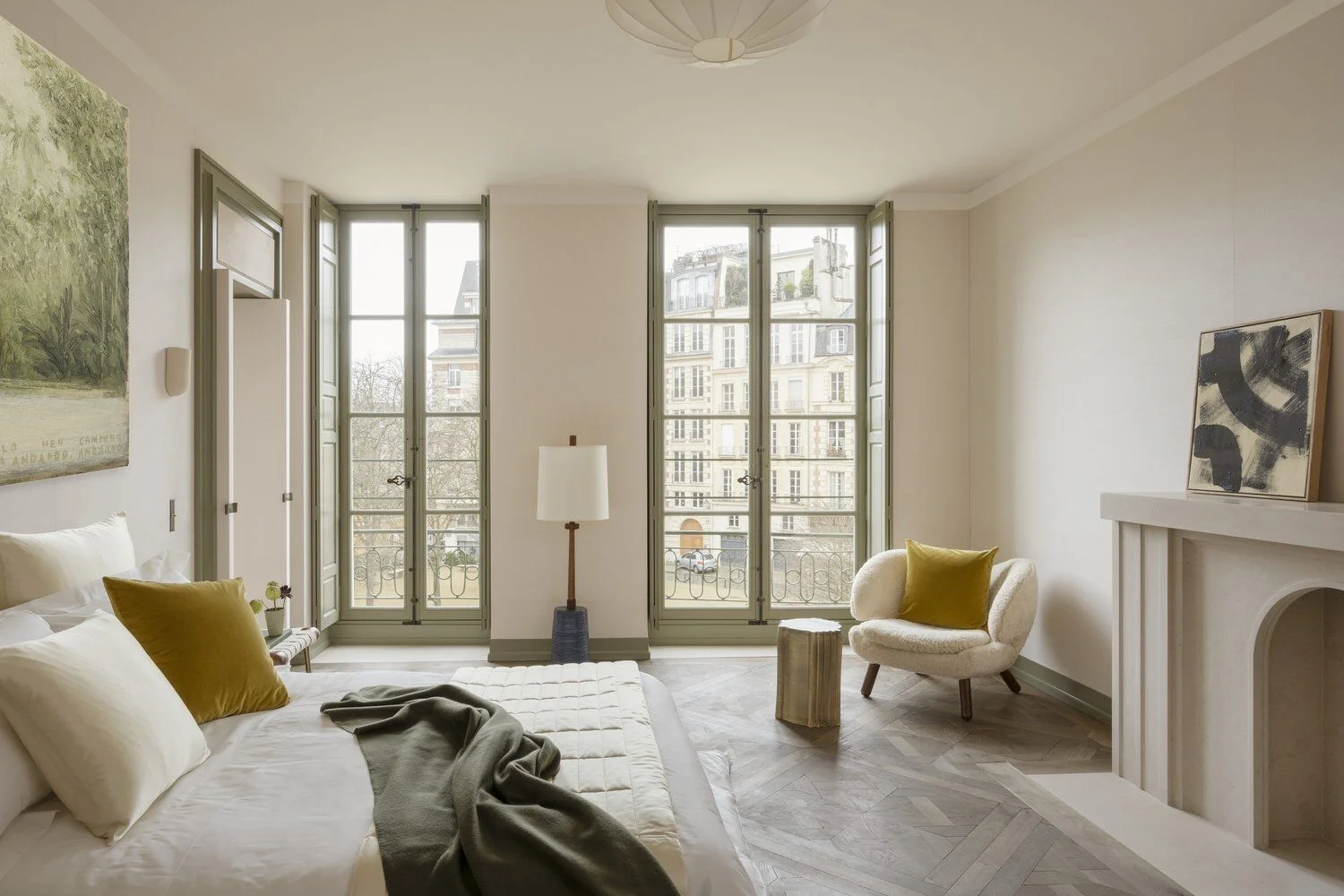
Slow-crafted materials vs. mass-produced surfaces
To understand the enduring value of the handmade movement, it is useful to examine how slow-crafted materials compare to mass-produced alternatives across key physical and experiential dimensions. The choice between them dictates not only the immediate aesthetic of an interior, but also how it performs over decades.
| Metric | Slow-Crafted Materials (Hand-Applied, Solid Timber) | Mass-Produced Materials (Synthetic, Machine-Finished) |
|---|---|---|
| Tactile Depth | High; subtle irregularities that respond to human touch and shifting light. | Low; perfectly flat, uniform, and cold to the touch. |
| Aging & Patina | Excellent; develops a rich, desirable character and matures beautifully over time. | Poor; degrades, scratches easily, and must be replaced rather than restored. |
| Acoustic Quality | Absorbs sound waves, creating quiet, dampened, and serene environments. | Reflects sound waves, leading to harsh, hollow echoes in open spaces. |
| Environmental Impact | Low; relies on sustainable sourcing, local labor, and non-toxic natural oils. | High; involves chemical glues, high-energy manufacturing, and short lifespans. |
What role do global craft platforms play in contemporary design?
Global craft platforms serve as critical curators that elevate traditional, heritage techniques into the vanguard of contemporary luxury design. By connecting independent master artisans with international architects, these networks demonstrate that slow, handmade processes are essential for creating highly personalized, sustainable, and culturally rich modern spaces.
Events such as XTANT in Mallorca bring together global artisans specializing in heritage techniques, from traditional weaving to intricate wood carving. This collective focus highlights how handmade techniques preserve cultural biodiversity and offer a highly personalized alternative to standardized commercial interiors. By celebrating the slow, deliberate pace of master creators, these platforms redefine luxury as a collection of stories, skills, and human hours rather than mere material wealth.
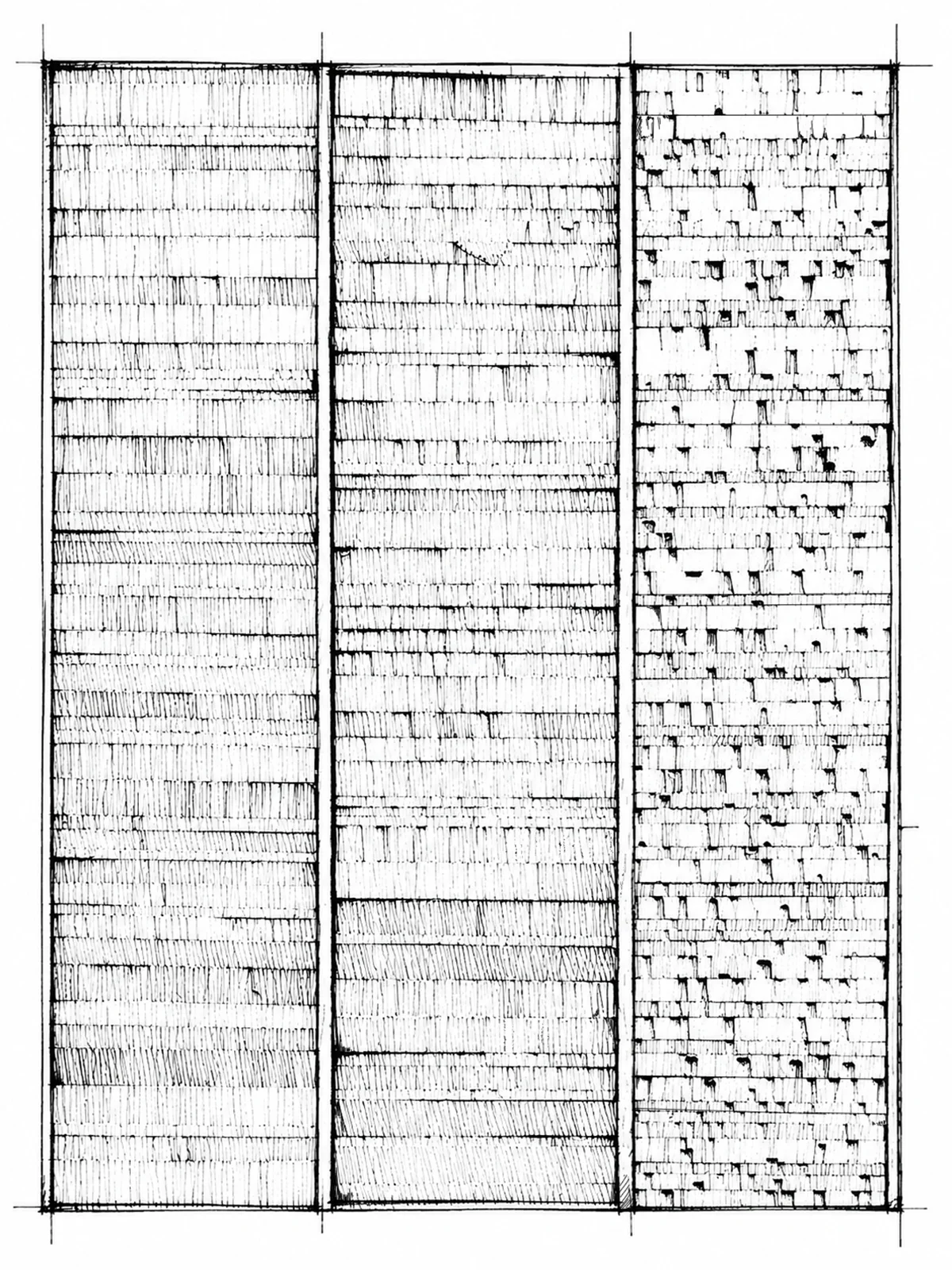
How does tactile imperfection enhance luxury spaces?
Tactile imperfection introduces organic depth and warmth to luxury spaces by ensuring that no two surfaces are completely identical. Subtle, human-made variations in texture interact dynamically with natural light, breaking the sterile monotony of machine-made finishes and inviting touch in a way standardized materials cannot.
When light hits a hand-planed timber board or a hand-woven wood panel, it does not bounce off uniformly. Instead, it diffuses softly across the microscopic ridges left by the artisan's tools. This interaction creates a visual softness and a shifting pattern of micro-shadows that change throughout the day. This quiet poetry of human touch brings a sense of life and movement to static architectural planes.
How does slow craft contribute to acoustic and olfactory wellness?
Slow-crafted timber surfaces enhance indoor wellness by offering natural acoustic dampening and olfactory grounding that synthetic materials fail to provide. Thick wood elements absorb sound waves to foster peaceful, quiet interiors, while organic finishes breathe naturally, releasing subtle, grounding scents of heartwood and natural oils.
Modern spaces are often filled with hard, reflective surfaces like glass, steel, and polished concrete, which amplify noise and increase stress. Integrating slow-crafted, solid wood elements helps absorb ambient noise, softening the room's acoustics. Furthermore, instead of off-gassing synthetic chemicals, hand-applied natural oil and wax finishes emit the gentle, earthy scent of raw timber. This olfactory grounding connects occupants directly to the natural world, reinforcing a sense of safety and calm.
Frequently Asked Questions about slow craft and design
What is the slow craft movement?
The slow craft movement is a design philosophy that prioritizes deliberate, handmade production, material honesty, and cultural preservation over fast-paced, automated manufacturing. It focuses on creating high-quality, long-lasting architectural elements and objects that honor the artisan's labor and the natural environment.
Why is handmade craftsmanship valued in luxury design?
Handmade craftsmanship is valued because it introduces unique tactile depth, organic imperfections, and a sense of permanence that machines cannot replicate. It elevates an interior by incorporating custom, site-specific details that tell a story and age beautifully over generations.
What are the principles of slow design?
Slow design, formulated by Carolyn F. Strauss and Alastair Fuad-Luke, emphasizes sustainability, mindfulness, and cultural relevance. Its core principles, such as Reveal and Reflect, encourage creators to expose the origins and environmental history of materials while prompting users to contemplate the craft behind their surroundings.
How does slow architecture benefit the environment?
Slow architecture benefits the environment by prioritizing local, sustainably sourced materials, reducing transport-related emissions, and utilizing durable construction techniques. This approach minimizes waste by building structures designed to last for centuries rather than decades.
More from the Atelier
Calm Bedroom Design: How Wood Floors Create Restful Interiors
Learn how natural wood bedroom floors, acoustic balancing, and soft timber textures combine to transform your bedroom into a quiet, restorative sanctuary.
Summer Light & Organic Grids: Coastal Sanctuaries
Discover how the raw, organic grids of end-grain wood and pale timber tones ground bright, modern seaside properties into peaceful sensory retreats.
Minimalism and Wood: Doing More with Less Material in Design
Discover how warm minimalism replaces stark white spaces with tactile timber. Learn how a monomaterial approach creates serene, acoustically quiet luxury.