
The Sound of Wood: Why Instruments Are Made from Timber
Exploring the biological architecture of tonewoods and the acoustic soul of trees.
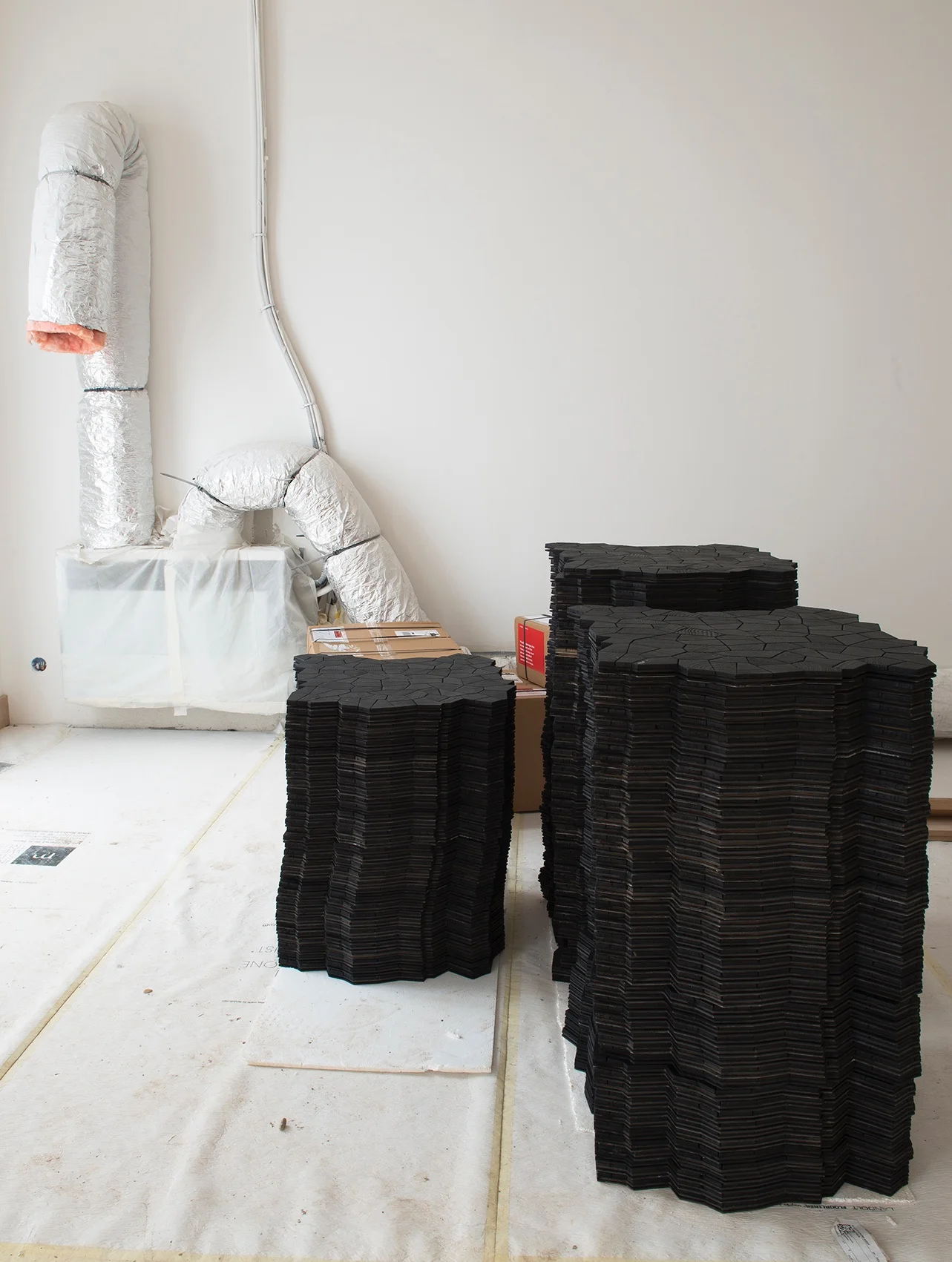
Wood is the primary material for musical instruments because of its unique cellular structure, which provides an unmatched balance of strength, lightweight flexibility, and internal resonance. The microscopic, air-filled tubes within timber act as natural acoustic filters, amplifying rich harmonic frequencies while dampening harsh overtones. This biological architecture makes natural wood impossible to replicate with synthetic materials.
- Tonewoods are specific timber species selected for their exceptional acoustic resonance and rapid sound transmission properties.
- The cellular structure of wood, comprised of hollow tracheids, allows it to vibrate freely while maintaining structural integrity.
- Dense woods like Maple reflect sound to project energy, while lightweight woods like Spruce vibrate easily to generate warmth.
- Architectural wood elements, particularly end-grain, utilize these same cellular channels to absorb impact noise and diffuse sound waves.
What is tonewood and how does it shape acoustic sound?
Tonewood is a term used by luthiers and woodworkers to describe timber species with physical properties that make them ideal for acoustic instruments. These woods are chosen for their ability to vibrate consistently, preserve harmonic frequencies, and project sound waves cleanly across a space. The acoustic performance of any tonewood is determined by its density, elasticity, and internal friction.
When a string is plucked or struck, energy is transferred to the body of the instrument. A high-quality tonewood must possess a high stiffness-to-weight ratio, allowing it to flex under tension without absorbing too much of the initial vibrational energy. Softwoods like spruce and cedar, which feature highly organized cellular structures, excel at this task and are frequently utilized for the soundboards (tops) of guitars and violins.
Why are guitars and violins made of wood instead of synthetic materials?
Guitars and violins are made of wood because synthetic materials cannot replicate the complex, anisotropic cellular structure of natural timber. Wood possesses a high stiffness-to-weight ratio along its grain, allowing it to flex under string tension while vibrating with rich, natural harmonic depth. Synthetic alternatives like carbon fiber or plastics often produce cold, sterile tones because they lack the microscopic variations that filter out unpleasant high-frequency screeching.
The historical legacy of instrument making points to specific geographical regions for sourcing these materials. For centuries, luthiers have favored the Paneveggio Forest in the Italian Dolomites, often called the "Forest of Violins." Antonio Stradivari hand-selected spruce from this region due to its slow, uniform growth rings, which yielded wood of incredible acoustic clarity and rapid sound transmission.
How does cellular wood structure act as an acoustic filter?
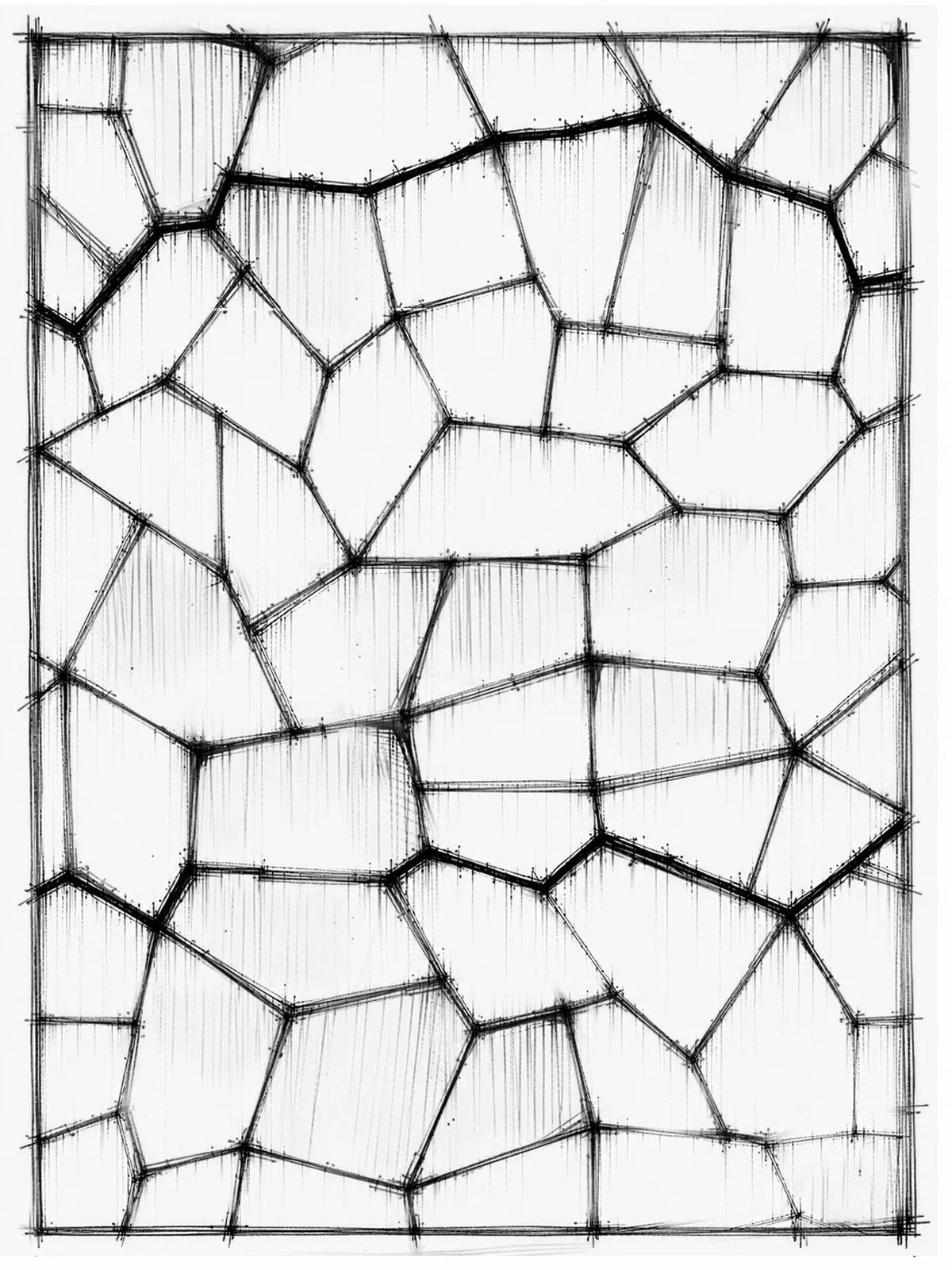
The cellular structure of wood acts as an acoustic filter through millions of microscopic, hollow tubes called tracheids. These hollow pathways allow sound waves to travel rapidly along the length of the grain while naturally absorbing and dampening high-frequency vibrations across the grain. This natural filtration eliminates harsh, discordant noises, leaving behind the warm, resonant tones characteristic of acoustic wood.
Different parts of an instrument require different acoustic responses. Dense hardwoods are selected to reflect sound and provide stability, whereas lightweight softwoods are chosen to vibrate and amplify the air column. The table below outlines how various wood categories perform acoustically, bridging the world of instrument design and interior architecture:
| Wood Category | Key Species | Acoustic Role | Primary Instrument Use | Architectural Parallel |
|---|---|---|---|---|
| Soft Resonance Woods | Norway Spruce, Western Red Cedar | High vibration, rapid sound transmission, warmth | Soundboards (instrument tops) | Ceiling baffles, acoustic wall panels |
| Hard Reflective Woods | Hard Maple, Ebony, Rosewood | Sound projection, structural stability, reflection | Instrument backs, necks, fingerboards | Wall paneling, heavy flat-grain flooring |
| Porous/Fibrous Woods | European Oak, Ash | Sound diffusion, subtle dampening, textural warmth | Percussive components, decorative trim | End-grain flooring, sound-scattering surfaces |
Can architectural wood replicate the acoustic qualities of musical instruments?
Architectural wood cannot turn an entire room into a giant instrument, but it uses the exact same biophilic acoustic principles to control noise and resonance. By strategic selection of wood species, orientation, and grain cuts, architects can create quiet, acoustically balanced environments that feel warm and sound natural. Standard flat-grain boards tend to reflect sound waves, whereas exposing the end-grain face introduces a completely different acoustic profile.
When wood is cut on its end-grain face, the vertical growth rings are exposed directly to the room. This orientation functions like a honeycomb of millions of microscopic straw-like pores that swallow impact sound rather than reflecting it. Scientific studies on wood acoustics show that this orientation is highly effective at reducing footfall noise and scattering high-frequency flutter echoes. It transforms the sharp, hollow "clack" of footsteps into a deep, muted, grounding thud.
Biophilic acoustics: Designing spaces with the physics of sound
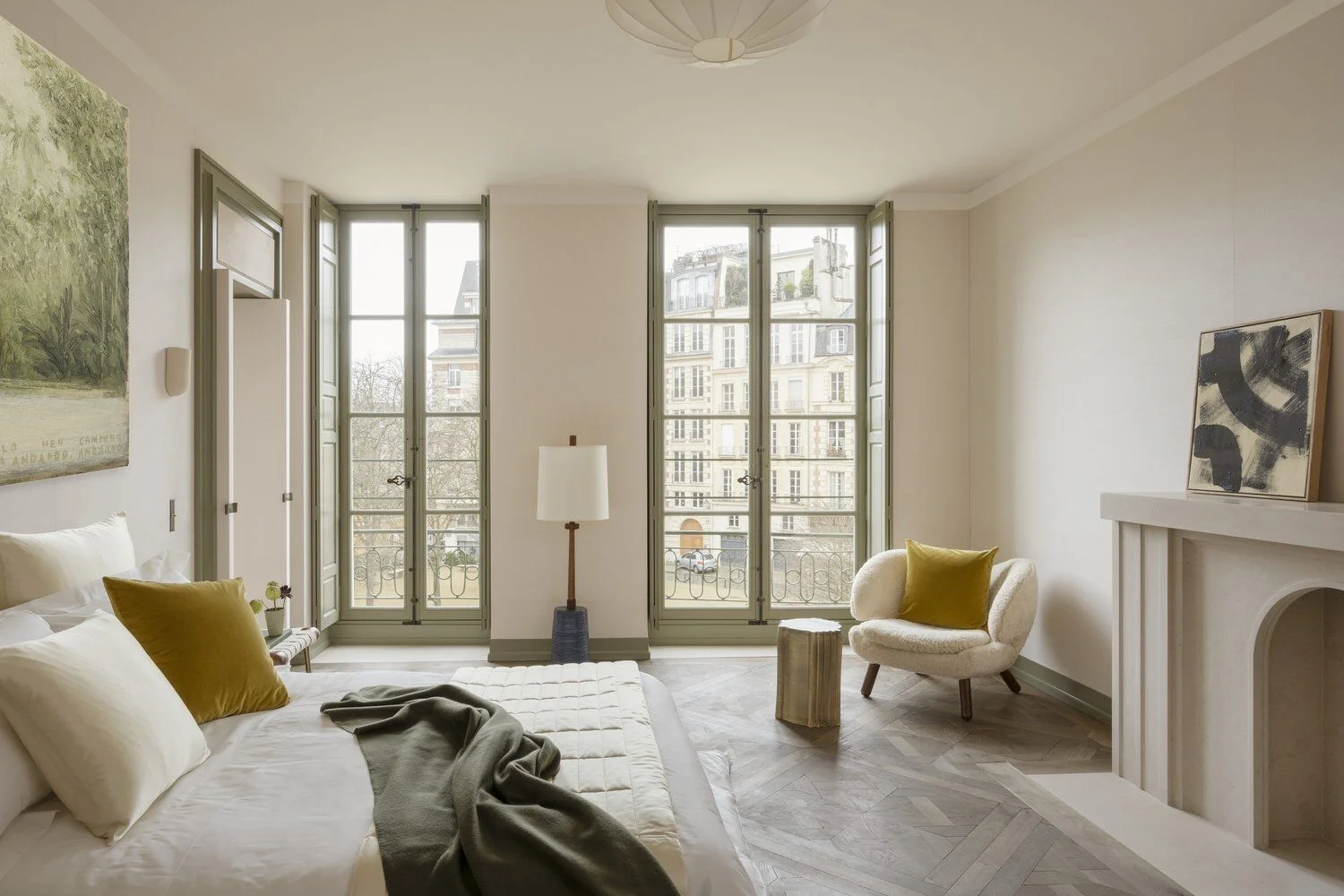
Biophilic acoustics is an architectural design philosophy that integrates natural materials like timber to manage sound as a tactile, subconscious medium. Rather than relying on synthetic acoustic foam, this approach uses the organic porosity and mass of wood to create peaceful, balanced interior soundscapes. In luxury residential and hospitality design, acoustics are increasingly treated as a fundamental material rather than an afterthought.
Integrating large areas of natural timber—whether through wall panels, ceilings, or end-grain flooring blocks—softens the harsh acoustic reflections of modern minimalist homes dominated by glass and concrete. This creates a space that feels visually and aurally cohesive. Just as a luthier balances the reflective qualities of a violin's maple back with the resonant warmth of its spruce top, an architect can balance reflective hard surfaces with the grounding, sound-softening presence of natural timber.
"Wood does not merely exist in a room; it actively listens and responds, shaping the auditory warmth of our daily lives much like the chamber of a fine cello."
Frequently Asked Questions about acoustic wood and instruments
Why does aged wood sound better in instruments?
Aged wood sounds better because, over decades of drying and vibrating, the organic compounds within the wood cells crystallize and harden. This process reduces internal dampening and moisture content, allowing the wood to vibrate more freely and transmit sound waves with greater speed and clarity.
What is the most resonant wood in the world?
Norway Spruce (Picea abies) is widely considered the most resonant wood in the world for stringed instruments. Its exceptionally high stiffness-to-weight ratio and uniform grain structure allow it to translate mechanical vibration into acoustic energy more efficiently than almost any other material.
How does wood flooring affect the acoustics of a room?
Wood flooring provides a warmer, more balanced acoustic environment than tile, polished concrete, or laminate. While flat-grain wood reflects mid-to-high frequencies, engineered or solid wood subfloors naturally absorb low-frequency vibrations, preventing harsh flutter echoes and reducing sound transmission between levels.
Why does end-grain wood absorb sound better than flat-grain boards?
End-grain wood absorbs sound more effectively because its cut exposes the open ends of the timber's vertical vascular system. Sound waves and impact energy enter these microscopic, straw-like pores and are scattered and dissipated within the cellular matrix, rather than bouncing directly off a flat surface.
More from the Atelier
Calm Bedroom Design: How Wood Floors Create Restful Interiors
Learn how natural wood bedroom floors, acoustic balancing, and soft timber textures combine to transform your bedroom into a quiet, restorative sanctuary.

Summer Light & Organic Grids: Coastal Sanctuaries
Discover how the raw, organic grids of end-grain wood and pale timber tones ground bright, modern seaside properties into peaceful sensory retreats.
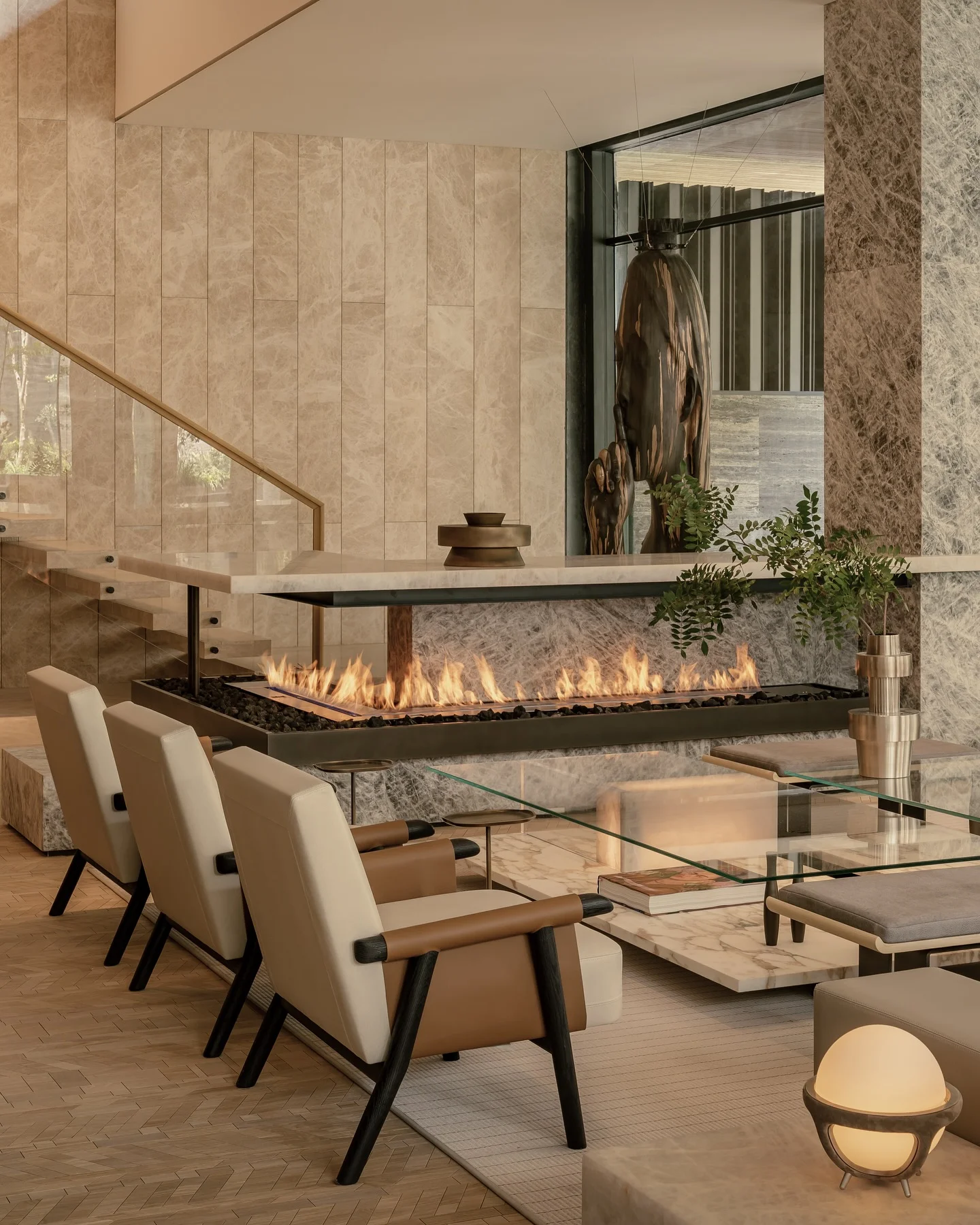
Minimalism and Wood: Doing More with Less Material in Design
Discover how warm minimalism replaces stark white spaces with tactile timber. Learn how a monomaterial approach creates serene, acoustically quiet luxury.