
What Are Wood Flooring Grades? Oak Grades Explained
Demystifying Prime, Select, and Rustic timber to find the perfect aesthetic canvas.
Wood flooring grades are visual classifications that categorize timber based on its natural characteristics, such as knots, sapwood, and colour variation. This grading has no impact on the structural integrity or durability of the wood; instead, it serves as a design guide to help architects and designers select the precise aesthetic character—ranging from pristine minimalism to organic complexity—for their projects.
- Aesthetic classification: Wood grading is purely a visual sorting process, meaning all grades offer identical structural strength and longevity.
- Prime grade: Represents the most uniform cut, featuring straight grain, minimal colour variation, and almost no knots.
- Select grade: Provides a balanced, rhythmic middle ground with subtle mineral streaks, gentle colour transitions, and small pin knots.
- Rustic or Character grade: Celebrates the complete life story of the tree, embracing large filled knots, swirling grain, and sapwood.
- Natural growth features: Characteristics like medullary rays (silver grain) and sapwood are organic features of the tree's growth, not defects.
What are wood flooring grades?
Wood flooring grades are standardized visual classifications used to sort raw timber boards based on the presence and size of natural characteristics like knots, sapwood, and grain variation. Established guidelines, such as the European Standard EN 1310, regulate how these features are measured, ensuring consistency across the timber industry. When a log is milled, different parts of the tree yield different patterns; grading is the process of sorting these boards so that a floor can achieve a unified design direction.
In high-end architectural design, understanding wood grading is essential for establishing the atmospheric foundation of a space. Rather than indicating quality, the grade determines the visual "noise" of the surface. A room wrapped in highly figured, knotted oak communicates a grounded, tactile connection to nature, while a floor laid with pristine, knot-free planks shifts the focus entirely to the architectural volumes, light, and furniture contours.
What is prime grade oak?
Prime grade oak is the most refined and visually consistent cut of timber, characterized by straight, uniform grain, minimal colour variation, and a near-total absence of knots. Often referred to as "AB Grade" or "Select/Prime" in European markets, it serves as a quiet, seamless canvas that allows the volumetric beauty of modern architecture to speak without visual interruption. Only the smallest, occasional pin knots—typically under 5mm—are permitted in this premium selection.
This grade is highly sought after for warm minimalist interiors, gallery spaces, and grand Parisian apartments. By minimizing the natural contrast of the wood, a prime floor creates a continuous, velvety expanse underfoot that catches soft, diffused morning light without distraction. Because only a small percentage of any harvested tree meets these strict visual criteria, prime timber is highly curated and represents a deliberate architectural statement of quiet luxury.
What is select grade oak?
Select grade oak is a highly versatile wood grade that strikes a deliberate balance between the pristine uniformity of Prime and the expressive texture of Rustic timber. Typically classified as "B Grade," it allows for small, occasional knots up to 15mm and gentle, natural colour variations. This grade preserves the inherent warmth and organic origin of the wood without allowing the floor pattern to dominate the interior design.
Architects frequently specify select grade when they want a floor that feels unmistakably authentic yet disciplined. It introduces a subtle rhythmic movement down the length of a room, showcasing delicate grain curves, occasional mineral streaks, and tiny pin knots that trace the tree's early growth. It provides just enough texture to ground a modern interior, preventing it from feeling sterile while maintaining an elegant, understated background.
What is rustic vs prime oak?
The difference between rustic and prime oak lies entirely in their visual texture and natural variation, with prime oak offering a clean, monolithic look and rustic oak showcasing prominent knots, sapwood, and dramatic grain patterns. While prime oak acts as a minimalist canvas, rustic oak—often called character or coarse grade—celebrates the rugged, biophilic storytelling of the forest. Neither grade is superior in terms of density, wear resistance, or structural longevity.
Choosing between these two grades is a foundational design decision. A prime floor recedes into the background, prioritizing light and form, whereas a rustic floor becomes a primary architectural feature. In luxury design, rustic planks are treated with immense artisanal care; larger knots are not viewed as defects but are hand-brushed, finished with natural oils, and carefully filled with colour-matched putties to create a flat, highly tactile surface that feels incredible underfoot.
| Grade Classification | Knots Allowed | Sapwood Presence | Grain & Tonal Variation | Ideal Design Aesthetic |
|---|---|---|---|---|
| Prime (AB) | Only rare pin knots (< 5-10mm) | Virtually none | Straight, highly uniform, minimal contrast | Warm minimalism, galleries, quiet luxury |
| Select (B) | Occasional small knots (< 15-20mm) | Subtle, minor edge ribbons | Mild, flowing curves, gentle tonal shifts | Classic contemporary, quiet residential |
| Rustic / Character (CD) | Frequent, large filled knots (> 25mm) | Permitted, adds light creamy ribbons | Swirling, high contrast, rich mineral streaks | Biophilic design, wabi-sabi, tactile warmth |
How do sapwood, knots, and medullary rays affect wood grading?
Sapwood, knots, and medullary rays are the biological building blocks of a tree's anatomy that determine its visual grading by introducing distinct tonal contrasts and structural patterns. Sapwood, the younger outer rings of the tree, introduces lighter, creamy ribbons of wood that contrast beautifully with the darker, denser heartwood. Knots occur where branches once grew, leaving behind dark, swirling mineral configurations that capture the tree’s vertical history.
Medullary rays represent one of the most exquisite features of premium oak cuts. These active nutrient pathways run perpendicular to the growth rings; when the log is quarter-sawn, they appear on the surface as shimmering, reflective "silver grain" or metallic-looking flakes. According to industry grading rules, medullary rays are celebrated as a hallmark of premium, stable cutting techniques rather than a defect, catching low-angle afternoon sun to create a subtle, three-dimensional shimmer across the room.
Does a lower wood grade mean lower quality flooring?
No, a lower wood grade does not mean lower quality flooring, as grading is strictly an aesthetic classification rather than a measure of structural stability, hardness, or durability. A rustic or character-grade plank possesses the exact same density, wear layer, and structural integrity as a prime-grade plank cut from the same tree. The term "lower" simply refers to its position on the scale of visual uniformity, not its performance underfoot.
In fact, in the realm of high-end architectural surfaces, highly expressive character-grade flooring often requires more intensive artisanal hand-working than prime boards. Ateliers hand-brush the grain to raise the texture of the winter growth rings, manually fill larger knots to preserve a smooth surface plane, and apply bespoke multi-layered stains to harmonize the deep mineral contrasts. Thus, selecting a rustic grade is a premium, deliberate design choice that celebrates the raw, unforced poetry of natural timber.
"The beauty of wood lies in its ability to tell a story. Whether that story is told through the pristine silence of a prime plank or the rich, textured narrative of a knotted rustic board, the grade is simply the language the architect chooses to write the space."
Frequently Asked Questions About Wood Grading
What is the difference between AB and CD grade wood?
AB grade (Prime) refers to timber with a highly uniform appearance, straight grain, and virtually no knots or sapwood. CD grade (Rustic) contains more natural character, including larger knots, colour variation, and visible sapwood, while maintaining the exact same structural durability.
Does wood grading affect the price of flooring?
Yes, wood grading typically affects the price because Prime (AB) grade timber represents only a small fraction of the log, making it rarer and more expensive to source. However, highly curated rustic floors that undergo extensive hand-brushing, manual knot-filling, and bespoke oiling can also represent a significant artisanal investment.
What is sapwood in wood flooring?
Sapwood is the younger, outer layer of the tree trunk through which water and nutrients flow. It is naturally lighter and creamier in colour than the darker heartwood at the center of the log, creating beautiful tonal contrasts when permitted in rustic and character wood grades.
Can you mix different wood grades in a single space?
Yes, mixing wood grades is a common design technique to create a custom visual rhythm. For instance, designers might specify a Select grade to introduce subtle movement in large open living areas, while reserving Prime grade for intimate gallery corridors where absolute visual silence is desired.
More from the Atelier
Pine and Fir: Are Softwood Floors a Good Idea?
Discover why architects and minimalist designers are choosing pine and fir over traditional hardwood, embracing a living canvas of light and historic patina.
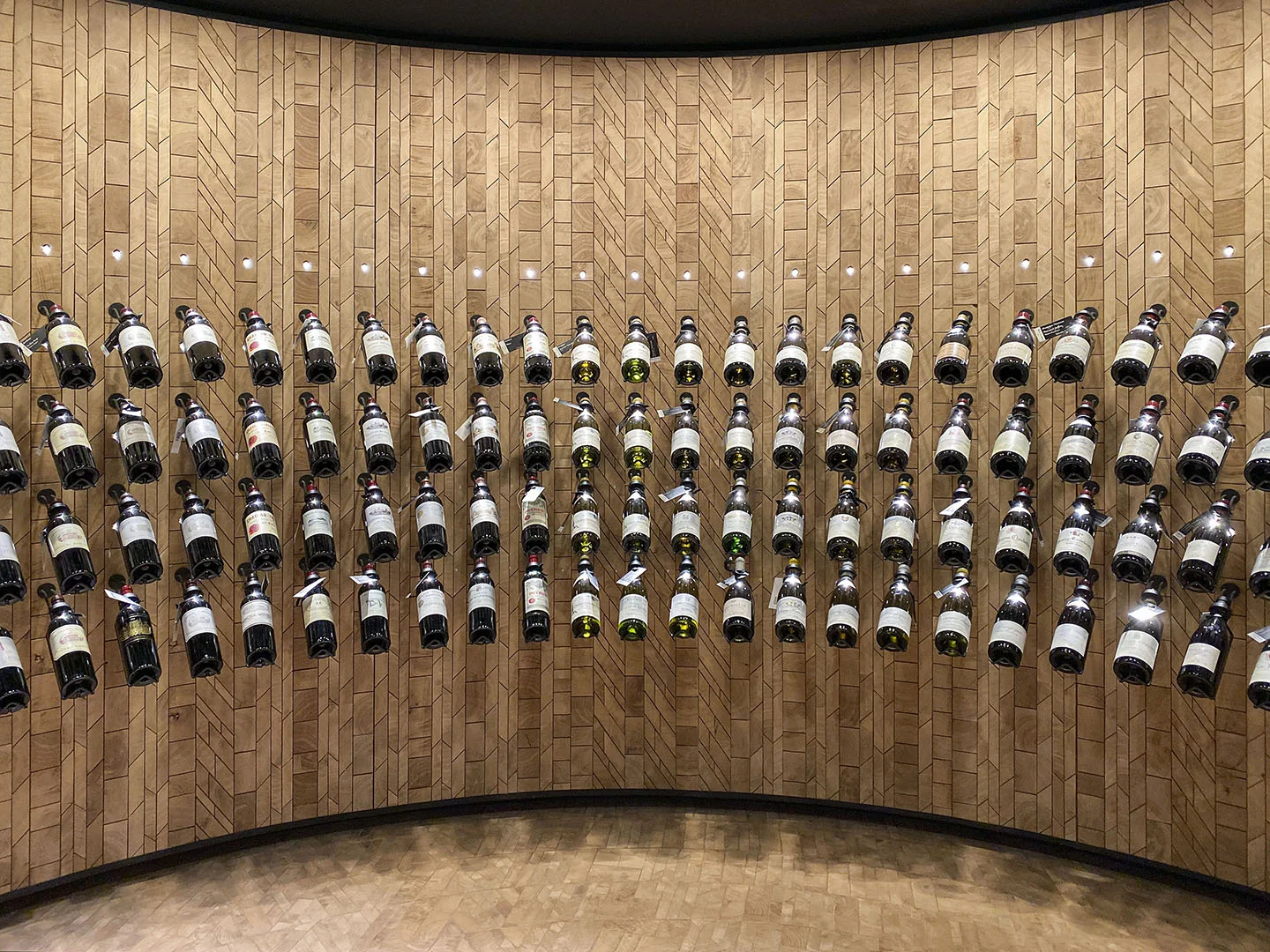
Chestnut and Elm: Underrated Woods for Character Floors
Explore why chestnut flooring and elm wood floors are emerging as the ultimate character wood species, offering rich histories and striking organic patterns.
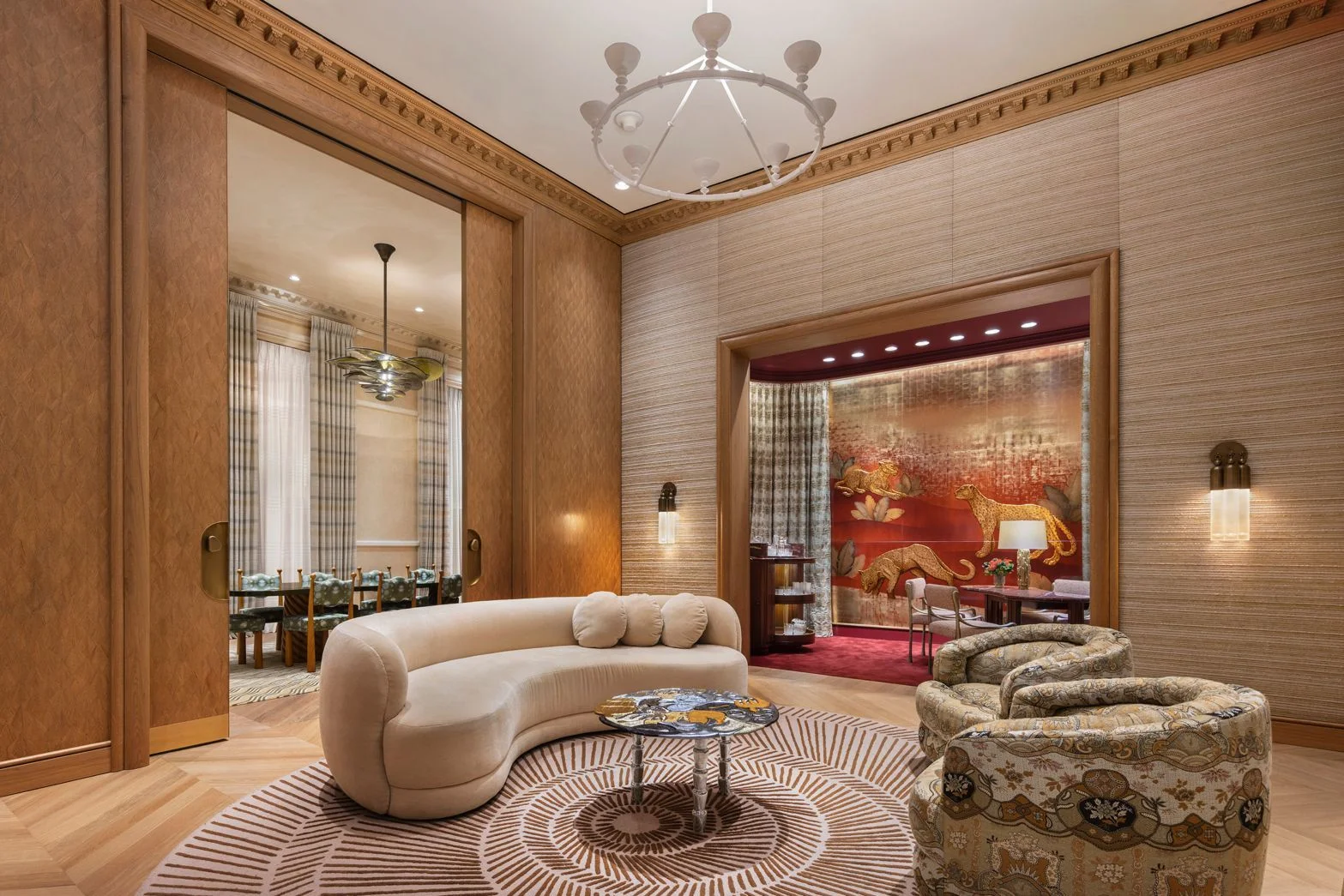
Cherry Wood Flooring: Warmth That Deepens with Age
Discover how cherry wood flooring is stepping out of the 1990s and into modern minimalist architecture, celebrated for its unique light-reactive patina.