
What Are Wood Grades? Understanding Knots, Sapwood and Character
An architectural guide to wood flooring grades, from minimalist Prime to expressive Rustic.

Wood flooring grades are visual classifications that categorize timber based on the presence of natural characteristics like knots, sapwood, and color variation. These grades—ranging from ultra-clean Prime to highly expressive Rustic—determine the aesthetic character of a floor but do not affect its structural integrity, stability, or durability. Choosing the right grade is a deliberate architectural decision that establishes the foundational tone of an interior.
- Wood grading is strictly a visual classification system and does not indicate structural strength, hardness, or quality.
- Prime grade features uniform coloration, straight grain, and virtually no knots or sapwood, acting as a silent, velvety canvas.
- Select grade offers a balanced, classic look with subtle tonal shifts and small, sporadic knots that feel authentic yet restrained.
- Rustic and Character grades celebrate the tree's complete natural history, showcasing expressive knots, sapwood ribbons, and mineral streaks.
- Surface finishes and stains can be used as visual harmonizers to either soften the contrast of rustic wood or highlight the linear purity of prime oak.
What are wood flooring grades?
Wood flooring grades are standardized visual classifications used to categorize timber planks based on their aesthetic features, including knots, color variation, sapwood, and grain patterns. These grades, defined by bodies like the European Standard EN 13226, do not measure structural quality or durability, but rather the visual purity and natural variation of the wood surface. Standardizing these categories helps architects and designers specify the exact visual texture required for their projects.
A common misconception in interior design is that "grading" operates as a hierarchy of quality, implying that lower grades are structurally inferior. In truth, a Prime-grade plank and a Rustic-grade plank cut from the same oak tree possess identical density, cellular strength, and longevity underfoot. The grading process occurs at the mill immediately after sawing, where trained graders sort the raw timber based on visual parameters. While some regions use proprietary names, the industry globally relies on the classic spectrum of Prime (or AB), Select (or ABC), and Rustic (or CD) to define wood grading.
Solid vs engineered wood grading standards
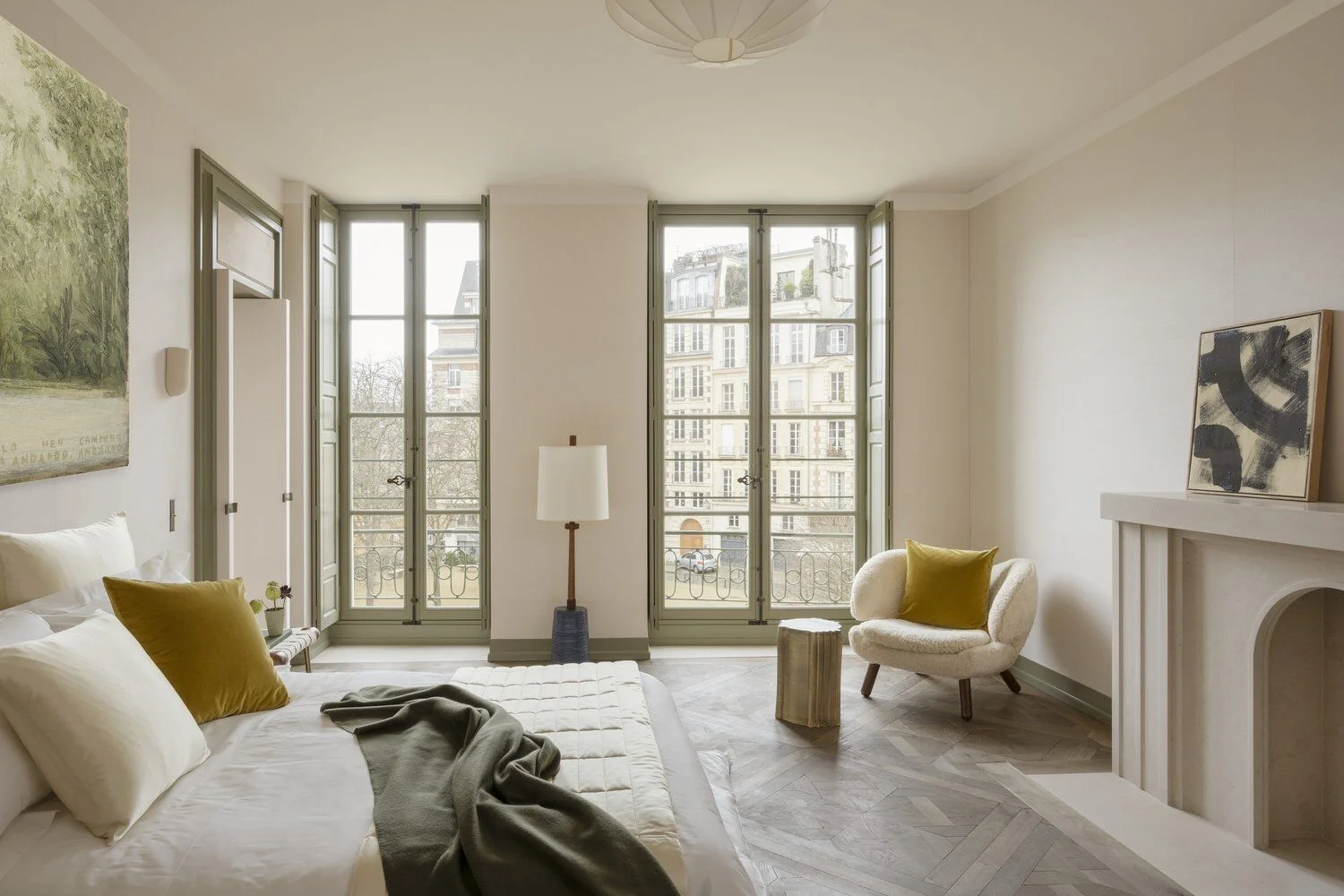
Solid and engineered wood flooring utilize the same visual grading standards, as the classification depends entirely on the appearance of the top wear layer. Whether the plank is a solid cut or an engineered construction, the grading criteria for knots, sapwood, and mineral streaks remain identical across the board. The structural backing of engineered flooring does not influence how the face veneer is graded.
For engineered wood, only the noble top layer (the wear layer) of European oak or other hardwoods undergoes visual grading. This allows designers to specify highly textured, rustic surfaces or monolithic prime surfaces while benefiting from the superior dimensional stability that multi-layer engineered cores provide. Understanding that the visual grading rules apply exclusively to the surface ensures that technical decisions regarding underfloor heating compatibility or subfloor moisture can be made independently of aesthetic choices.
Oak grades explained: Prime, Select, and Rustic compared
The primary categories of oak flooring grades are Prime, Select, and Rustic, each offering a distinct aesthetic narrative for interior spaces. Prime oak provides a clean, monolithic canvas with minimal knots; Select balances subtle movement with small, sporadic features; and Rustic celebrates the raw, uninhibited organic character of the tree. These categories allow designers to tailor the floor to the desired architectural style.
To help guide specifications, the physical differences between these visual grades are outlined in the comparison table below, illustrating the progression of natural features from the cleanest cut to the most expressive timber.
| Visual Grade | Maximum Knot Size | Sapwood Allowance | Color Variation | Best Suited Architectural Styles |
|---|---|---|---|---|
| Prime (AB) | Typically under 10mm (pin knots only) | Virtually none (trace amounts on edges) | Highly uniform, minimal contrast | Ultra-minimalist, gallery spaces, formal modernism |
| Select (ABC) | Up to 15mm–20mm (healthy, tight knots) | Minimal, sporadic along the outer edges | Subtle, natural tonal gradients | Classic Parisian, transitional, warm contemporary |
| Rustic / Character (CD) | Virtually unlimited (filled and sanded knots) | Permitted, creating light-to-dark contrast | Highly dramatic, rich mineral striping | Organic modernism, biophilic design, rustic retreats |
What is sapwood and how does it affect wood grading?
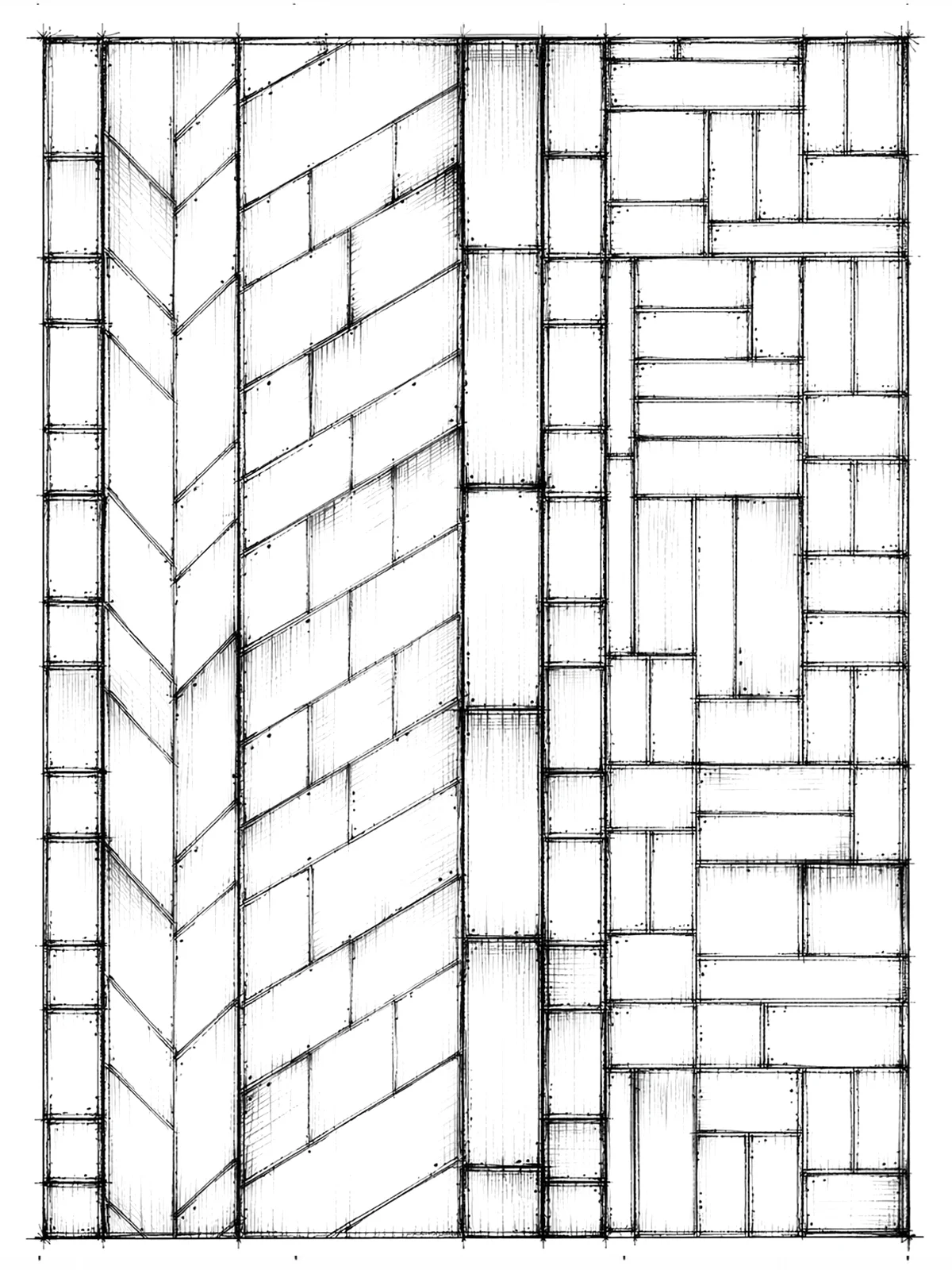
Sapwood is the younger, living outer layer of a tree trunk that transports water and nutrients, recognized by its pale, creamy-white color. In wood grading, the presence of sapwood is highly restricted in Prime and Select grades to maintain color uniformity, but is celebrated in Rustic grades for its contrasting, organic rhythm. This lighter wood contrasts beautifully with the darker, older heartwood found at the center of the trunk.
According to wood science resources such as standard wood grading guidelines, sapwood is naturally softer than heartwood when green, but once properly kiln-dried and finished, it offers comparable performance in flooring. In Prime grades, sapwood is meticulously trimmed away during milling to ensure a seamless, velvety surface. In contrast, rustic and character flooring embraces sapwood as a painterly element, where pale ribbons of cream weave through honey-toned heartwood, creating a dynamic sense of movement across the floor.
How does the presence of knots influence wood flooring grades?
Knots are the dense, circular markings left where branches once grew from the tree trunk, serving as the primary visual determinant for wood grading. Prime grades strictly limit knots to small, sporadic pin knots, while Character and Rustic grades allow larger, open knots that are filled and sanded to create a textured, historically rich surface. The size, frequency, and type of knots dictate how busy the floor will appear.
Wood graders distinguish between "sound" knots, which are structurally fused to the surrounding wood, and "dead" or unstable knots, which can loosen over time. In premium rustic grading, dead knots are carefully excavated and filled with specialized, high-durability mineral resins or wood fillers before sanding. This process ensures the floor remains completely flat and easy to maintain while preserving the raw, wabi-sabi charm of the natural timber. When raking light catches a hand-brushed, knot-rich board, it reveals a living landscape of micro-shadows that flat, knot-free boards cannot replicate.
Rustic vs prime oak: Which grade is right for your project?
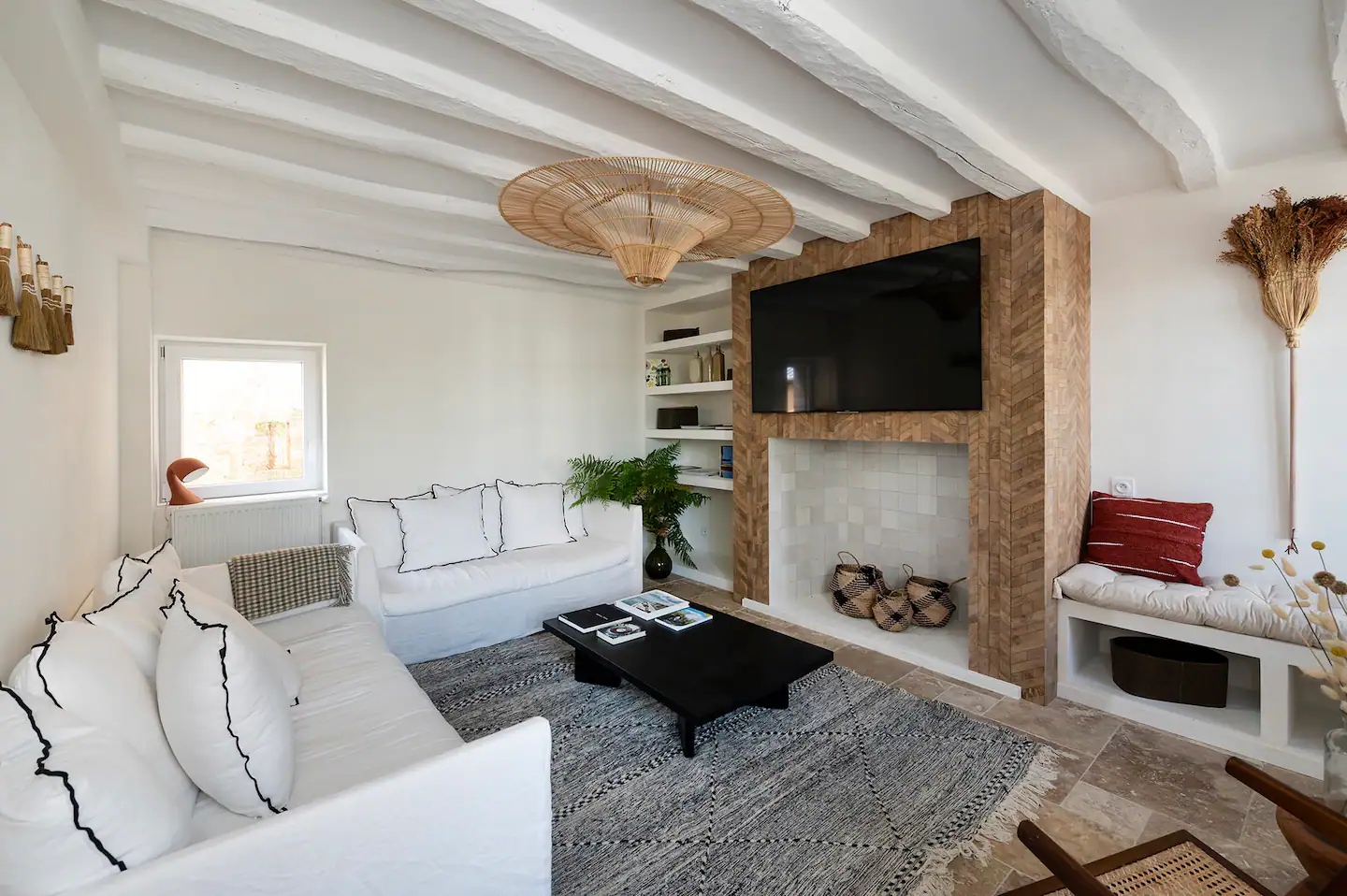
Choosing between rustic vs prime oak depends on the architectural intent, lighting conditions, and desired atmosphere of your interior space. Prime oak excels in ultra-minimalist, contemporary, or gallery-like environments requiring a quiet, seamless floor, whereas rustic oak brings warmth, texture, and organic authenticity to classic, biophilic, or transitional designs. Both grades offer distinct design benefits that shape how light behaves in a room.
Designers frequently use finishes to manipulate or harmonize the visual impact of their chosen grade. For example, applying a deep charcoal, smoked, or rich tobacco stain to a rustic-grade floor can soften the high-contrast transitions of sapwood and knots, yielding a surface that is highly textured yet visually cohesive. Conversely, applying a clear natural oil to a Prime-grade floor highlights the clean, linear flow of the oak grain without distraction. Understanding these interactions allows for precise control over the final architectural finish.
Frequently Asked Questions about Wood Flooring Grades
Does a lower wood grade mean the flooring is less durable?
No, wood grading refers strictly to visual characteristics and has no bearing on the structural integrity, hardness, or durability of the timber. A Rustic-grade oak floor is just as hard and long-lasting as a Prime-grade oak floor.
Can you get engineered wood flooring in a Rustic grade?
Yes, engineered wood flooring is widely available in all visual grades, including Prime, Select, and Rustic. The visual grade of engineered flooring is determined entirely by the appearance of the natural hardwood wear layer on top.
What is the difference between Select and Character grade?
Select grade is a balanced, classic cut with minimal sapwood and small, sporadic knots that keep the floor quiet. Character grade is more expressive, allowing for larger knots, mineral streaks, and distinct ribbons of pale sapwood to highlight the tree's natural biography.
How do knots in rustic wood flooring affect maintenance?
Knots in high-quality rustic flooring are filled with durable, industrial-grade resins and sanded completely flat during manufacturing. This ensures the floor remains simple to clean, mop, and maintain without dirt or debris getting caught in the natural crevices.
More from the Atelier
Pine and Fir: Are Softwood Floors a Good Idea?
Discover why architects and minimalist designers are choosing pine and fir over traditional hardwood, embracing a living canvas of light and historic patina.
Chestnut and Elm: Underrated Woods for Character Floors
Explore why chestnut flooring and elm wood floors are emerging as the ultimate character wood species, offering rich histories and striking organic patterns.
Cherry Wood Flooring: Warmth That Deepens with Age
Discover how cherry wood flooring is stepping out of the 1990s and into modern minimalist architecture, celebrated for its unique light-reactive patina.