
What Is Reclaimed Wood, and Is It Right for Your Floor?
An architectural guide to the sourcing, patina, and performance of antique timber surfaces.
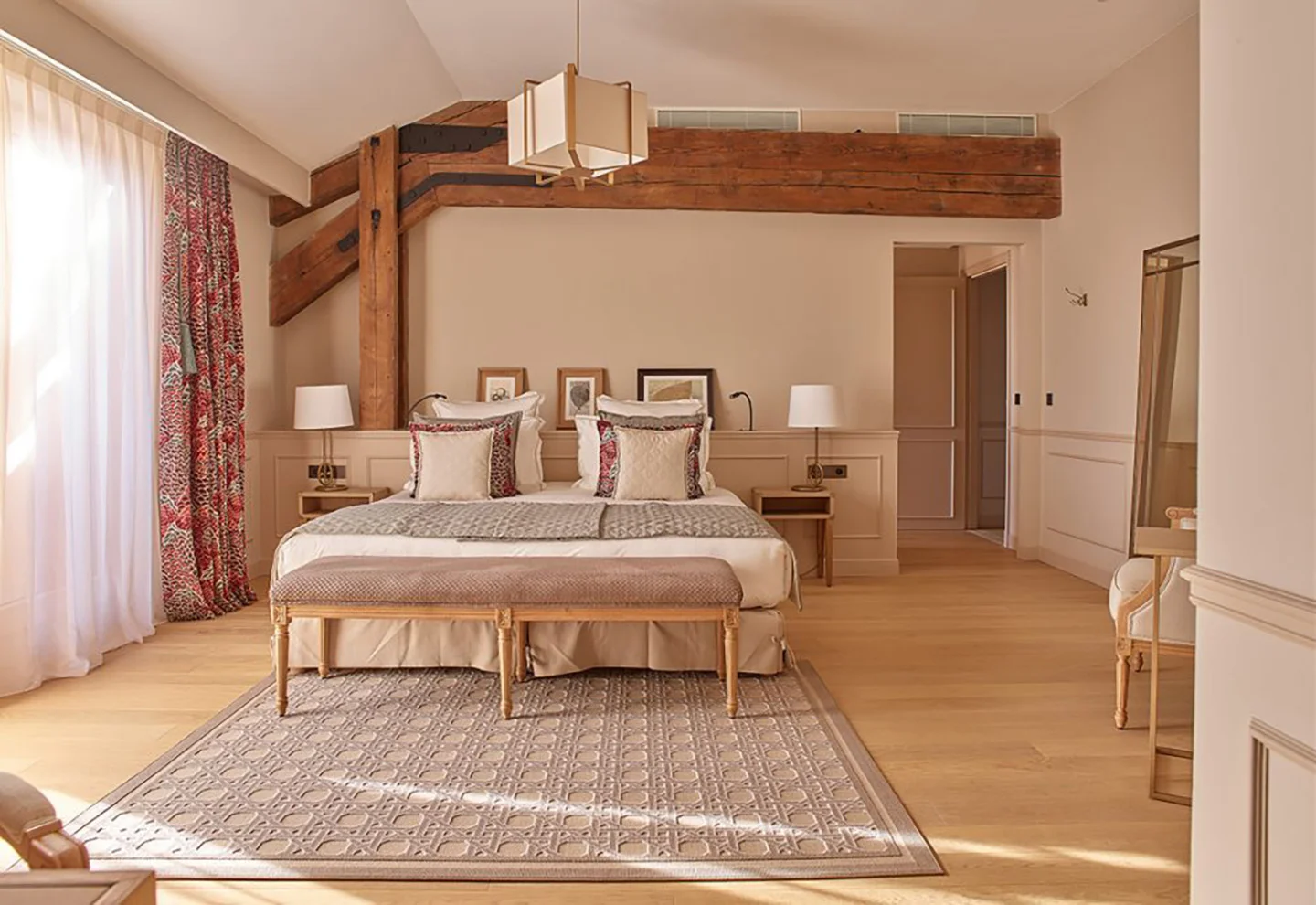
Reclaimed wood flooring is crafted from antique timber salvaged from historical structures like old barns, European railways, and 19th-century industrial buildings. Prized for its rich, naturally oxidized patina and tight grain density, this material acts as a storied anchor in high-end design. However, its ultimate suitability depends on how it is processed and whether its format matches modern climate controls.
- Old-Growth Origins: Antique timber is typically sourced from slow-grown, old-growth forests, making it structurally denser and harder than modern plantation wood.
- Inimitable Patina: The unique coloration, mineral streaks, and nail holes are natural markers of centuries of natural oxidation and weathering.
- Processing Rigour: Genuine reclaimed wood requires comprehensive de-nailing, kiln-drying to precise moisture levels, and specialized milling to prevent structural failure.
- The Format Choice: In modern luxury spaces with underfloor heating or dry HVAC systems, engineered reclaimed flooring is far more stable than solid planks.
What is reclaimed wood flooring?
Reclaimed wood flooring is flooring produced from old-growth timber harvested decades or centuries ago, then salvaged from decommissioned architectural structures. This timber is sourced from structural beams, agricultural threshing floors, and industrial warehouses rather than newly felled trees. Because these trees grew slowly in undisturbed forests, the wood displays much tighter growth rings and superior hardness compared to modern first-generation timber.
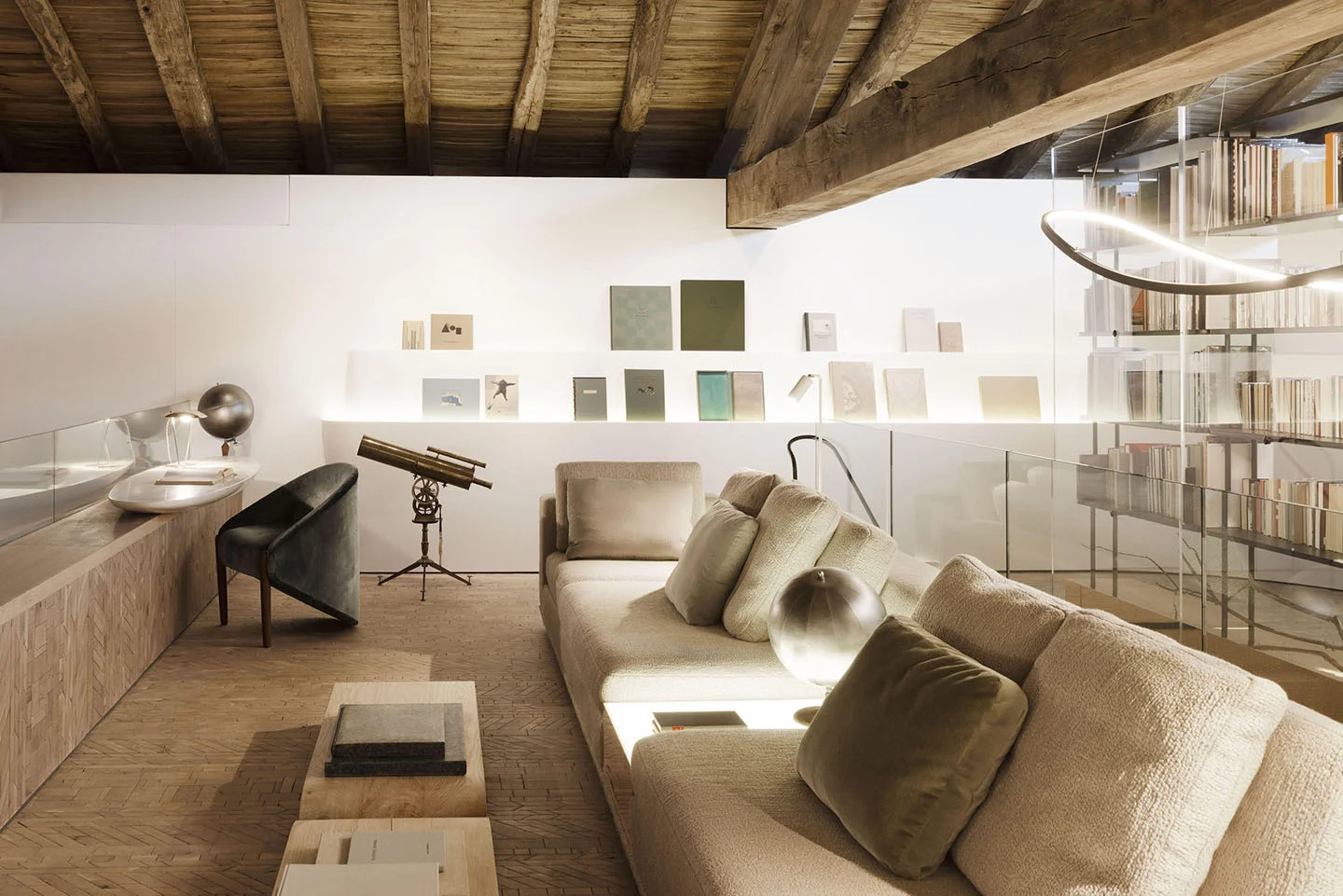
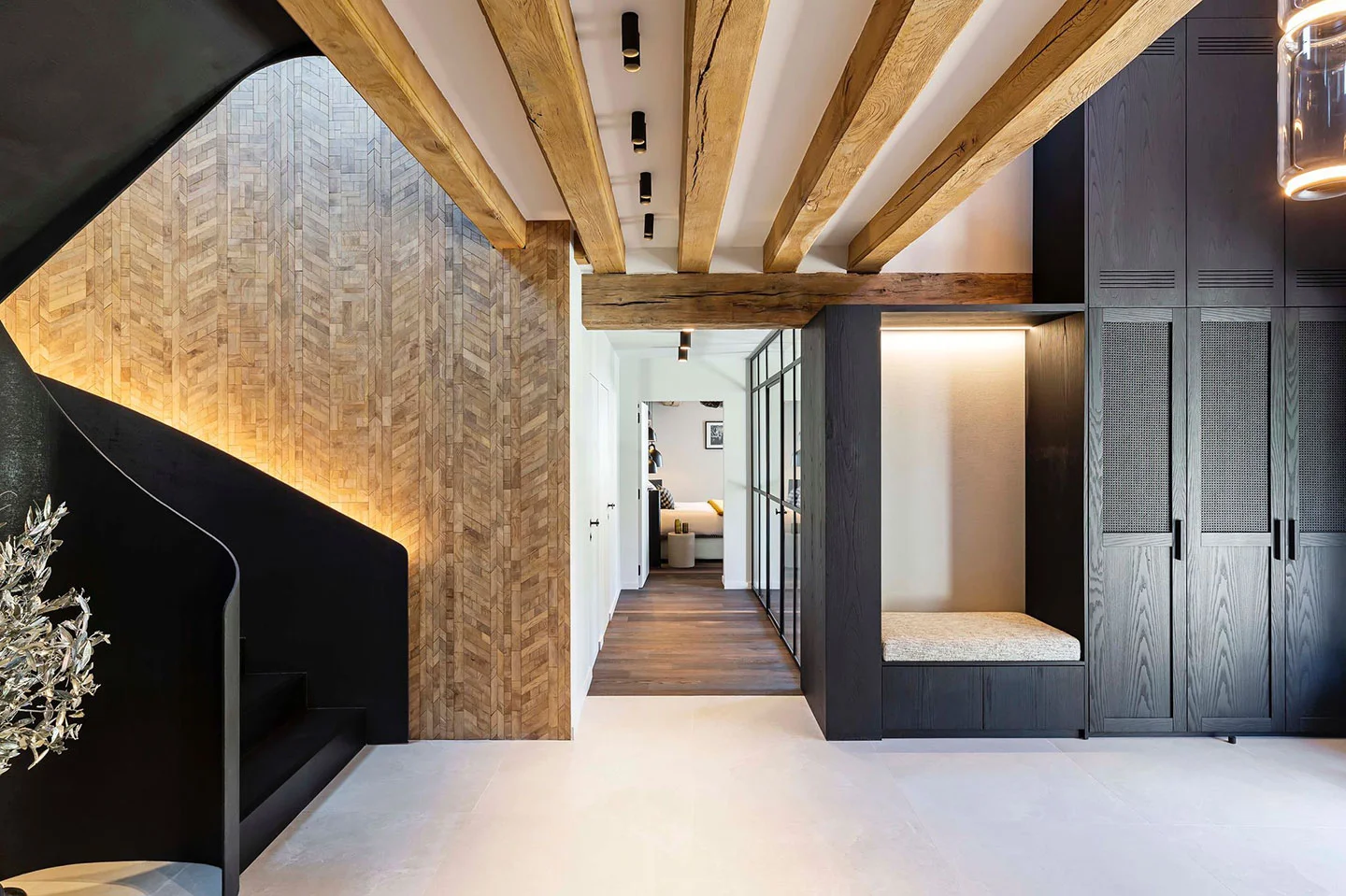
In high-end contemporary design, reclaimed timber is treated as a form of applied history rather than a rustic cliché. Renowned designers like Rose Uniacke famously pair clean, airy, plaster-walled rooms with deeply textured, bare antique wood floors. Similarly, Michael and Alexandra Misczynski of Atelier AM ground historic, art-filled modern lofts with rugged, wide-plank reclaimed oak threshing floors. This juxtaposition of ancient, tactile timber with minimalist architecture defines the current language of warm, quiet luxury.
Where does salvaged wood come from?
Salvaged wood is sourced from a variety of historical structures, each lending a distinct aesthetic and physical character to the milled floorboards. The most sought-after origins include antique agricultural barns, 19th-century industrial factories, and European railway infrastructure. Barn wood often provides wide oak or chestnut planks with a weathered face, while industrial joists and beams yield exceptionally dense timber with minimal knots.
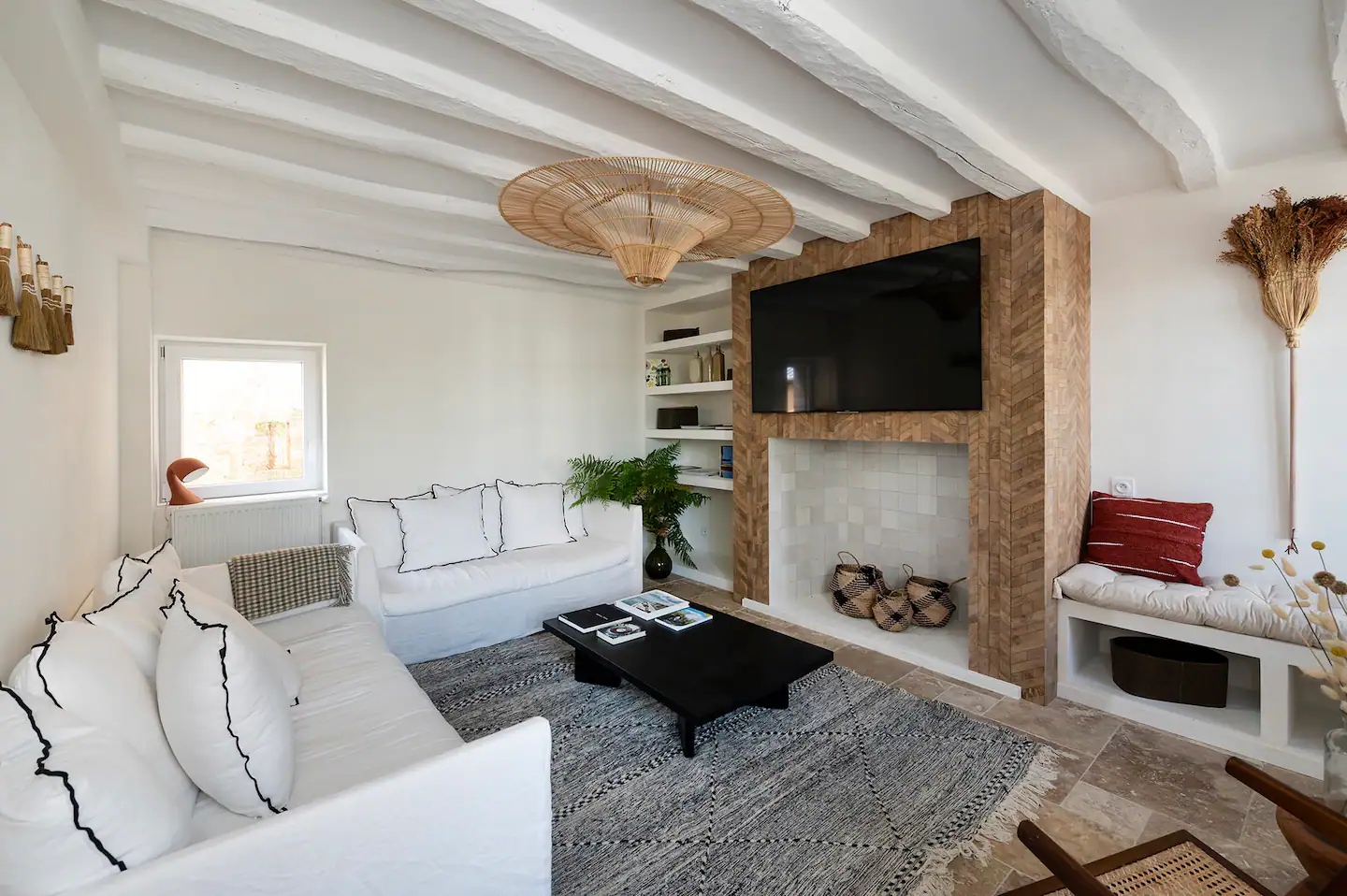
French railway oak is particularly prized for its extreme durability and deeply saturated tones. Decades of exposure to the elements and mineral contact turn the wood a rich, dark amber and charcoal tone that cannot be replicated by modern chemical stains. Another emerging trend in luxury retail and hospitality is the use of salvaged industrial end-grain wood blocks. Originally specified in factory floors for their extreme resistance to heavy machinery, these blocks are now repurposed to create graphic, mosaic-like patterns with a highly tactile surface.
Solid vs engineered reclaimed wood: which is more stable?
Engineered reclaimed wood is significantly more stable than solid reclaimed planks, particularly when installed over underfloor heating or in climates with seasonal humidity shifts. While solid reclaimed wood has already completed its initial drying cycle over decades, it remains highly reactive to modern HVAC systems. Dry indoor heating can cause solid antique boards to cup, warp, or develop unsightly gaps between the joints.
To mitigate this stability dilemma, specialty ateliers bond a genuine antique wear layer (typically 4mm to 6mm thick) to a multi-layered birch plywood core. This cross-laminated structure restrains the natural movement of the wood, allowing designers to specify the look of ancient timber in high-performance luxury environments. Reviewing antique timber stability parameters shows that engineered construction reduces thermal and moisture expansion by up to seventy percent compared to solid lumber.
| Material Property | Solid Reclaimed Wood | Engineered Reclaimed Wood | Faux-Aged New Wood |
|---|---|---|---|
| Sourcing Origin | Deconstructed historic structures | Antique face veneer on engineered core | Newly felled sustainable timber |
| Dimensional Stability | Low to moderate (highly reactive) | High (minimal expansion/contraction) | High to moderate depending on core |
| Underfloor Heating | Not recommended | Highly recommended and stable | Highly recommended |
| Patina Authenticity | Genuine natural oxidation & wear | Genuine natural oxidation & wear | Chemically stained, wire-brushed |
| Wastage Factor | 15% to 20% due to character variation | 8% to 10% (pre-graded face veneer) | 5% to 8% (highly uniform) |
What should you consider before buying antique oak flooring?
Before purchasing antique oak flooring, you must verify the material's structural preparation, particularly its kiln-drying history and metal-detection clearance. True antique timber is laden with hidden iron nails, bolts, and structural hardware that must be meticulously extracted. Following de-nailing, the wood must undergo professional kiln-drying to bring its internal moisture level down to between six and nine percent.
Proper kiln-drying guidelines dictate that this step is essential to eradicate any wood-boring insects, fungi, or dormant larvae. It also prepares the ancient fibers for the dry, climate-controlled interiors of modern residential and commercial spaces. Additionally, designers must account for a higher waste factor. While standard flooring requires an extra five to ten percent for cutting allowance, reclaimed wood typically requires a fifteen to twenty percent surplus to account for boards with unusable splits, heavy rot, or extreme grain deviations.
How do you maintain the patina of age on reclaimed floors?
Maintaining a reclaimed wood floor requires a preservative approach that protects the timber's hard-won surface history from harsh abrasion. Traditional polyurethane coatings should be avoided, as they create a plastic-like barrier that reflects light harshly and obscures the deep topography of the grain. Instead, designers recommend low-sheen, hand-rubbed natural oils or matte penetrating hardwax oils.
These natural oil finishes soak directly into the wood pores, protecting the boards from within while leaving the physical texture open to the touch. When cleaning, only use pH-neutral wood soaps specifically formulated for oiled surfaces. Never allow water to pool on the floor, and avoid heavy mechanical sanding. Sanding a reclaimed floor down to bare wood completely strips away the naturally oxidized patina, reducing a centuries-old historical surface to the appearance of ordinary, newly milled timber.
Frequently Asked Questions
Is reclaimed wood flooring more expensive than new wood?
Yes, genuine reclaimed wood flooring is generally more expensive than newly harvested timber due to the intensive manual labor involved in its recovery. The processes of carefully dismantling old structures, de-nailing by hand, kiln-drying, and milling to modern tolerances add significant cost to the raw material.
Can you use reclaimed wood floors with underfloor heating?
You can use reclaimed wood with underfloor heating, provided you select an engineered format rather than solid planks. The multi-layer construction of engineered reclaimed flooring resists the expansion and contraction caused by temperature fluctuations, ensuring the boards remain flat and stable.
What is the difference between reclaimed wood and faux-aged wood?
Reclaimed wood features authentic structural character, dense old-growth grain patterns, and deep natural color variations achieved through decades of oxidation. Faux-aged wood uses newly harvested timber that is mechanically distressed with wire brushes and chemically stained to mimic the appearance of age.
More from the Atelier
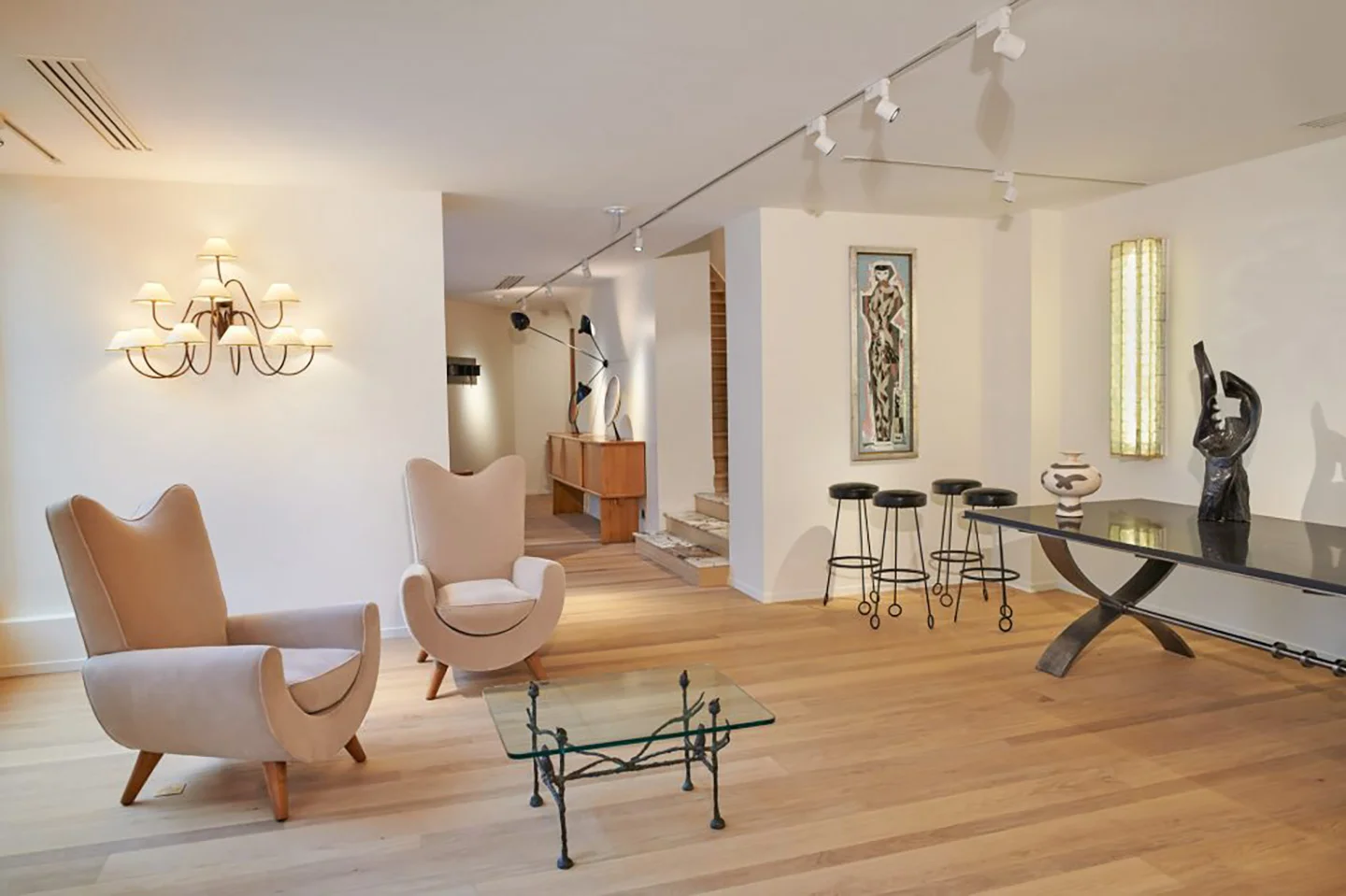
Pine and Fir: Are Softwood Floors a Good Idea?
Discover why architects and minimalist designers are choosing pine and fir over traditional hardwood, embracing a living canvas of light and historic patina.
Chestnut and Elm: Underrated Woods for Character Floors
Explore why chestnut flooring and elm wood floors are emerging as the ultimate character wood species, offering rich histories and striking organic patterns.
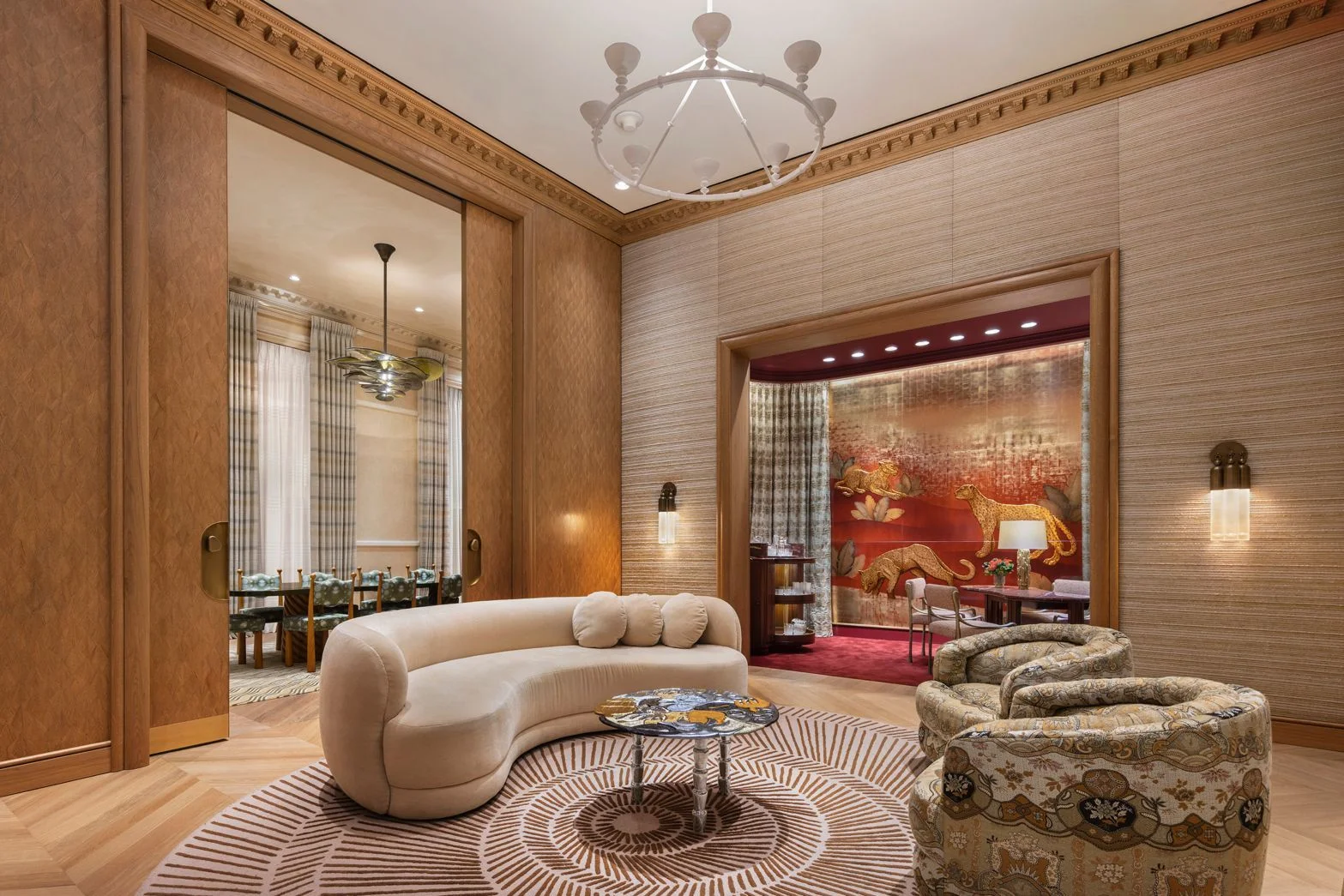
Cherry Wood Flooring: Warmth That Deepens with Age
Discover how cherry wood flooring is stepping out of the 1990s and into modern minimalist architecture, celebrated for its unique light-reactive patina.