
What Makes Wood Sustainable? A Guide to Sustainable Wood Flooring
A wood floor is only as sustainable as the forest it came from, the waste it left behind and the years it stays down.
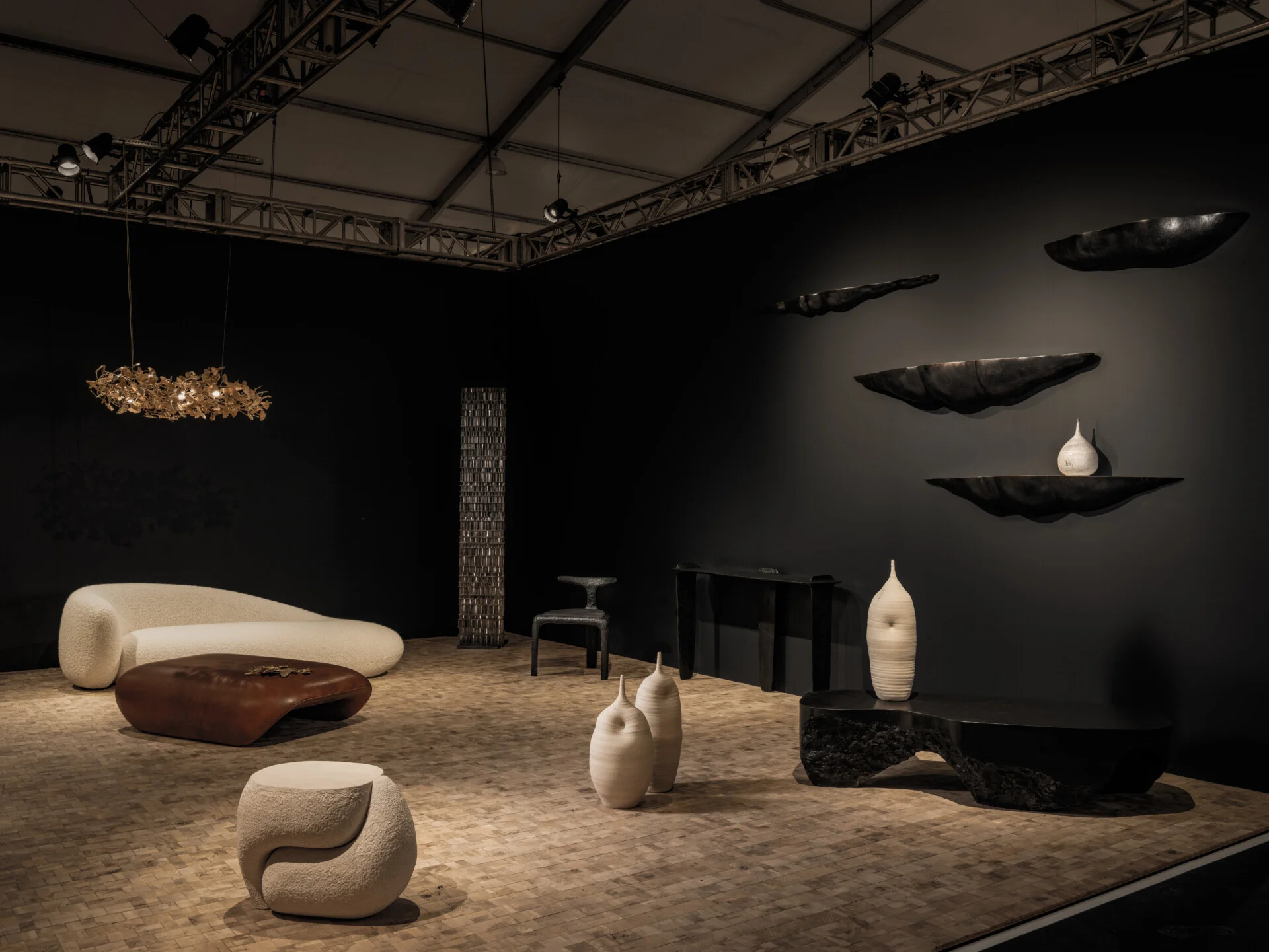
Sustainable wood flooring comes from forests managed so they regrow, proven by FSC or PEFC certification with an unbroken chain of custody to the product you buy. It is made with as little waste as possible, and it lasts long enough that the carbon stored in the wood stays out of the atmosphere for decades. A floor needs all four to deserve the word.
What makes a wood floor sustainable?
- A responsibly managed forest. Harvesting stays within what the forest can regrow, and protects soil, water, wildlife and the rights of the people who live from it.
- Proof. FSC or PEFC certification, carried through every company that owns the wood on its way to you.
- Efficient use. Thin layers of slow-grown hardwood, offcuts turned into product rather than burned, and little waste at the factory.
- Long life. A floor that can be maintained and renewed rather than replaced keeps its carbon stored and saves making a new one.
What is the difference between FSC and PEFC?
They are the two main forest certification systems, and both are a sound basis for a specification. The difference is in how they are organized.
| FSC (Forest Stewardship Council) | PEFC (Programme for the Endorsement of Forest Certification) | |
|---|---|---|
| Approach | One set of global principles, adapted locally | Endorses national certification systems that meet its benchmark |
| Strength | Consistency across countries | Fits regions with many small, private forest owners, common in Europe |
| Label types | FSC 100%, FSC Mix, FSC Recycled | PEFC certified, PEFC recycled |
| Traceability | Chain of custody certification | Chain of custody certification |
On FSC labels, FSC 100% means all the wood comes from FSC-certified forests; FSC Mix blends certified wood with recycled material or controlled wood from low-risk sources.
What is a chain of custody, and why does it matter?
A chain of custody is the audited trail that follows certified wood from the forest through the sawmill, the manufacturer and the distributor. Every company that takes ownership of the wood must hold its own chain of custody certificate. If one link does not, the chain is broken and the finished floor cannot be sold as certified, however good the forest was.
This is where greenwashing hides. A supplier who says "our oak comes from certified forests" but has no certificate of its own cannot prove that certified and uncertified wood were not mixed along the way.
How does a wood floor store carbon?
A growing tree takes carbon dioxide from the air and builds the carbon into its wood. About half the dry weight of wood is carbon, and it stays locked in for as long as the wood is not burned or left to rot, including the decades it spends as a floor.
That makes the life of the floor part of its environmental case. The idea behind cascading use is to keep wood in long-lived products first, reuse or recycle it next, and burn it for energy only at the very end. A floor that is maintained and renewed for generations is the first step done well. Certification alone does not make a floor carbon neutral: the energy used to make, ship and install it is measured separately, in an Environmental Product Declaration (EPD).
Using the whole tree: floors made from offcuts
Every floor leaves offcuts. The question is whether they become firewood or another floor.
Cube is built entirely from solid endgrain oak offcuts the atelier would otherwise set aside, squared into blocks and laid in an even grid. Its construction is economical with slow-grown oak as well: a 6 mm oak top layer on 10 mm birch plywood. It is FSC and PEFC certified and rated usage class 34, very heavy commercial traffic, so it lasts as long as any floor can.

At Design Miami 2022, Cube in Natural was the floor of a gallery booth, the grid of square blocks showing the rings of every offcut.
Terra goes further. It is a wood terrazzo built from the endgrain fragments left over from Opus and Forêt production, each one placed, turned and separated by hand until the floor becomes a composition. Tweed does the same with the teak offcuts of Réserve, woven by hand.
Wood from fallen trees: Réserve
Réserve takes the idea of a sustainable source to its limit. It is the Opus pattern cut in Zambezi teak (Baikiaea plurijuga), a southern African wood far harder than oak, that is never planted and never felled: it is recovered only after the tree has fallen. Each tree is geolocalized, documented and certified, and each floor is made from a single season of fallen trees, and then no more.
What should you ask a wood flooring supplier?
- Do you hold your own chain of custody certificate, and what is its number? You can check it in the public FSC or PEFC database.
- Is this product sold with an FSC or PEFC claim, and which one (for example FSC 100% or FSC Mix)?
- What is the species, and where was it harvested?
- What happens to your offcuts?
- Is there an EPD, and what is the product rated for? A floor rated for heavy traffic will be replaced less often.

At Carole Lambert Présente in Paris, Cube in Black shows that a floor made from offcuts can look anything but leftover.
Frequently asked questions
Is wood flooring sustainable?
It can be one of the most sustainable floors there is, if the wood comes from forests managed to regrow, proven by FSC or PEFC certification with a chain of custody, and if the floor is made with little waste and lasts for decades. Uncertified wood from unknown forests is not.
What is the difference between FSC and PEFC?
FSC sets one set of forest management principles worldwide and applies them locally. PEFC endorses national certification systems that meet its international benchmark, and is widespread in European forests with many small owners. Both require an independent chain of custody, and both are a sound basis for specifying wood.
Is engineered wood flooring more sustainable than solid wood?
Often, yes. A layered board uses a few millimeters of slow-grown hardwood on a base of faster-growing wood such as birch plywood, so one oak log covers more floor. Its overall footprint still depends on certified sourcing, the adhesives used and how long the floor lasts.
Does FSC or PEFC certification mean a floor is carbon neutral?
No. Certification proves the forest is managed responsibly and the wood is traceable. The carbon footprint of manufacturing, transport and installation is a separate question, answered by an Environmental Product Declaration (EPD).
Sustainable floors by OscarOno Paris
Cube and Terra are made from what other floors leave behind, both FSC and PEFC certified, with a Cfl-s1 fire rating. Réserve comes only from fallen Zambezi teak, traced tree by tree.
To see them in your own space, order samples. Spec sheets, CAD and 3D files are in the library.
More from the Atelier
Protecting End Grain Wood Block Flooring from UV Fading
Discover the science of oak photodegradation and how to protect end-grain wood floors from UV fading using advanced varnishes and architectural design.

Parquet Floor Restoration: Is an Old Parquet Floor Worth Saving?
Loose blocks, gaps, stains and a worn finish can all be put right. How to tell whether an old parquet floor is worth restoring, what the work involves, and when it is not.

Squeaky Wood Floors: Why They Squeak and How to Fix Them
A squeak is friction: wood on wood, wood on a nail, or a subfloor moving on its joists. Find which one it is and the fix follows.