
What to Expect from Milan Design Week
One week each spring, two very different events: the fair at Rho and the Fuorisalone across the city.
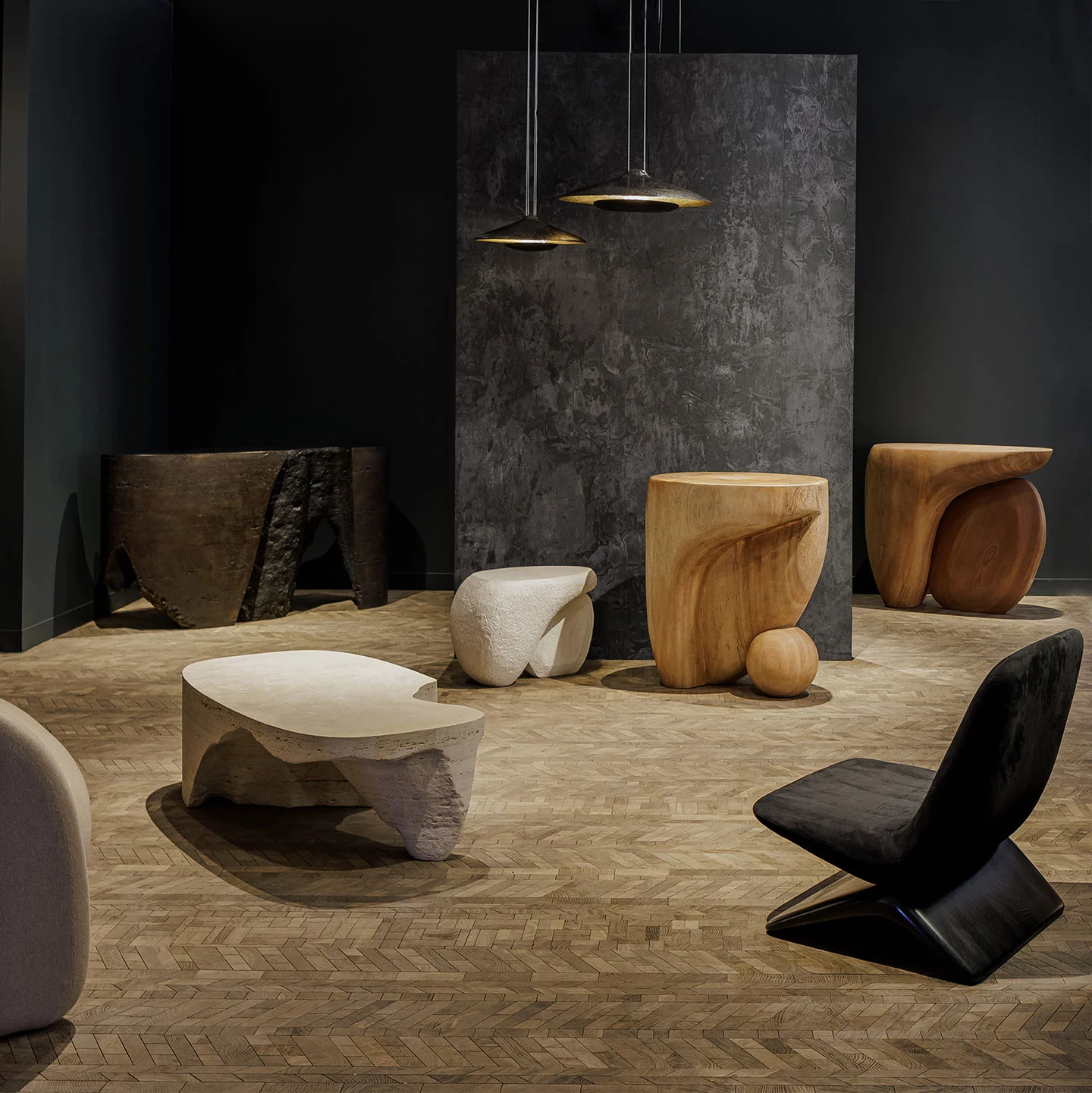
Milan Design Week is the largest annual gathering of the furniture and interior design world: one week each spring when Salone del Mobile fills the fair halls at Rho and hundreds of independent events, known as the Fuorisalone, take over the city. Expect new furniture, lighting and materials from the major brands at the fair, and more experimental installations, gallery shows and showroom launches in the city. Most visitors split their time between the two.
Salone del Mobile and Fuorisalone: what is the difference?
| Salone del Mobile | Fuorisalone | |
|---|---|---|
| What it is | The official international furniture fair | Independent events across the city |
| Where | Rho Fiera, on the edge of Milan | Showrooms, galleries, courtyards and palazzi in Milan's districts |
| What you see | Brand stands, new collections, trade meetings | Installations, launches, exhibitions, talks |
| Access | Ticketed, mainly for the trade | Largely free, some events need registration |
Where to go in the city
The Fuorisalone is spread across districts, each with its own character. Brera, around the art academy, has dense streets of brand showrooms and galleries. Tortona, in the former industrial south-west, hosts large installations in converted warehouses. Isola, north of Porta Garibaldi, mixes younger studios with newer architecture. The official Fuorisalone guide and map are the easiest way to plan routes, because the program changes every year.
How to plan your days
- Give the fair one or two full days. The halls are vast; decide in advance which sections matter to you.
- Group the city by district. Crossing Milan between appointments wastes hours in a busy week.
- Book early. Hotels fill months ahead, and some installations and dinners need registration.
- Go early in the day. The most talked-about installations have long queues by afternoon.
What to look for in the materials
Trend reports from Milan go out of date quickly. A more useful habit is to look closely at materials, because they move slower than styles and last longer in a project.
- How a surface is made. Is the color in the material or painted on? Is the wood solid, layered or printed? Touch it.
- How it will age. Natural materials that wear well are worth more than finishes that look perfect only on opening day.
- Where it comes from. Certification, traceability and the use of offcuts are now standard questions to ask an exhibitor.
- Color with depth. Earthy and saturated palettes have been strong in recent years; they work best with materials that have texture of their own, such as oak, stone and linen.
OscarOno Paris in Milan
OscarOno Paris floors have been part of Milan's design week and its shopping streets. At Salone del Mobile, Forêt endgrain oak was laid in Black, charred in the shou sugi ban tradition.
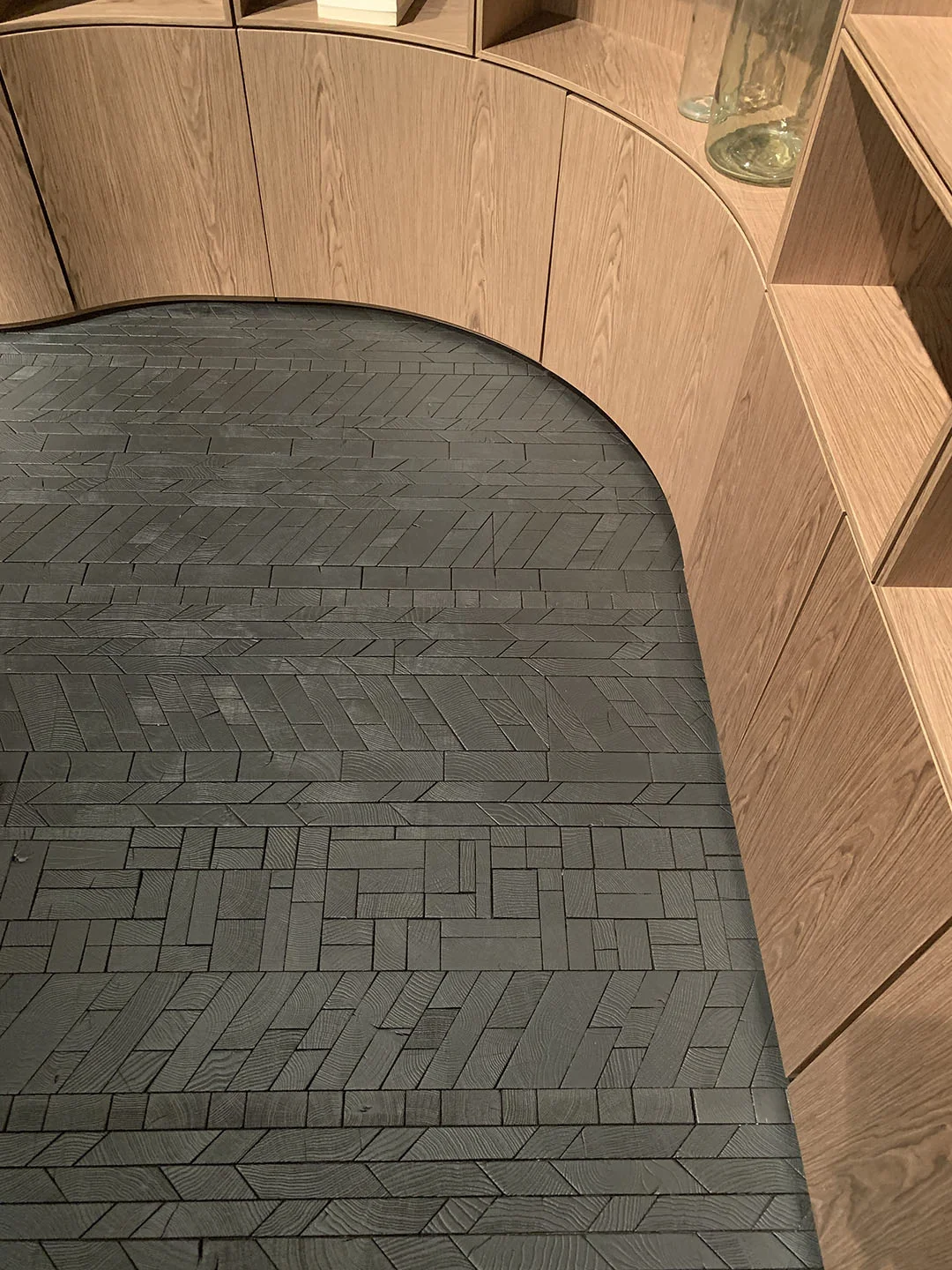
Forêt is built from six planks and six patterns in endgrain oak, combined freely so the surface never repeats. It comes in Natural, Smoke (smoked through the full depth of the oak) or Black, with no stain, and is rated usage class 34 for very heavy commercial traffic, which is why it works as well in a store as on a stand.
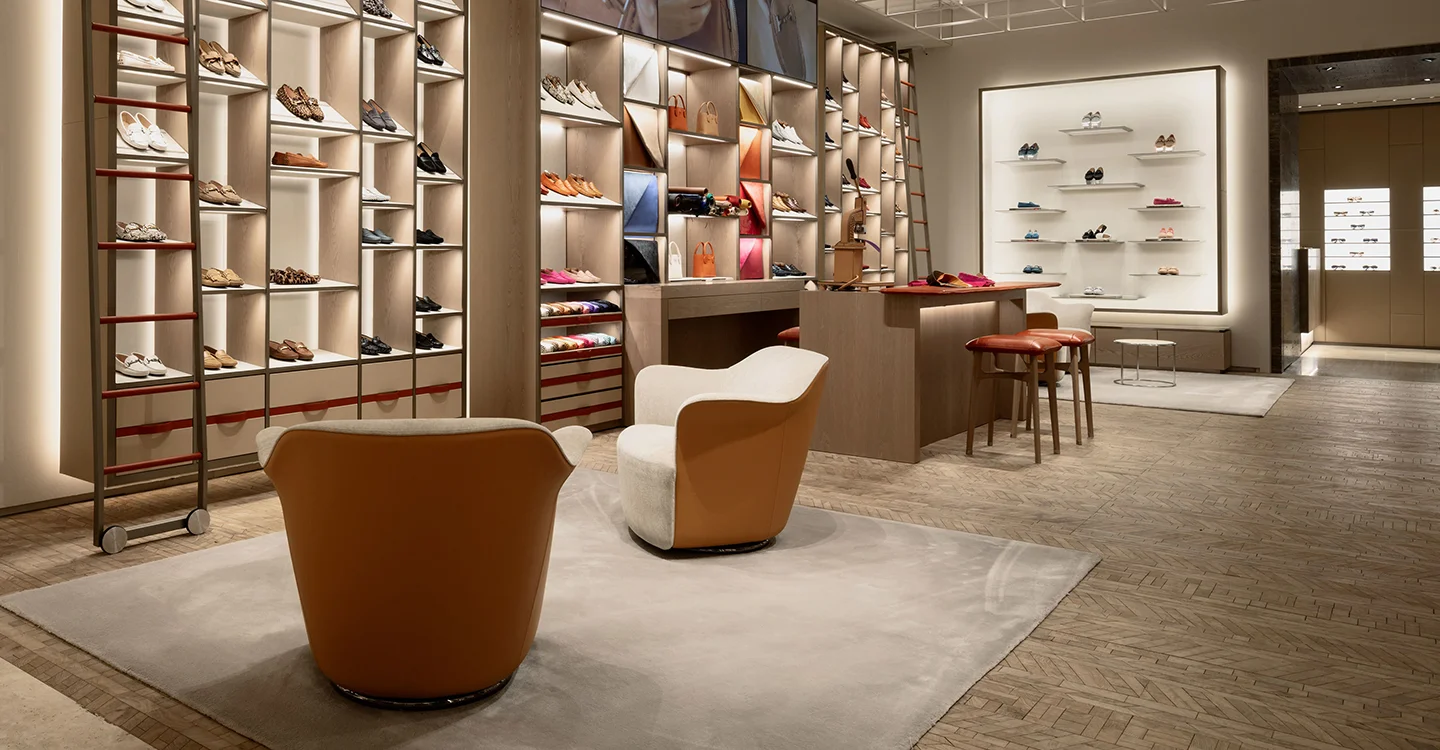
In the city center, the Tod's flagship on Via Montenapoleone has Forêt in Natural across the whole store. Its sister floor, Opus, cuts oak on its endgrain face into an organic pattern whose joins disappear into one continuous surface.
Frequently asked questions
When is Milan Design Week?
It takes place once a year in spring, usually in April, over about a week. Salone del Mobile and the Fuorisalone run at the same time, so check both official calendars for the exact dates of each edition.
What is the difference between Salone del Mobile and Fuorisalone?
Salone del Mobile is the official furniture fair, held in the exhibition halls at Rho Fiera on the edge of Milan. Fuorisalone is the name for the hundreds of independent exhibitions, showroom launches and installations held across the city during the same week.
Is Milan Design Week open to the public?
Mostly, yes. Fuorisalone events are largely free and open to anyone, though some need registration. Salone del Mobile is primarily a trade fair and sells tickets; check its official site for which days are open to the public in a given year.
Which districts should you visit during Milan Design Week?
Brera, Tortona and Isola are the best-known design districts, each with its own mix of brand showrooms, galleries and installations. Many visitors spend one or two days at the fair and the rest of the week in the city.
See the floors up close
If you are planning a project after the week, the best next step is a sample in your hand. Order samples of Forêt or Opus, and find spec sheets, CAD and 3D files in the library.
More from the Atelier
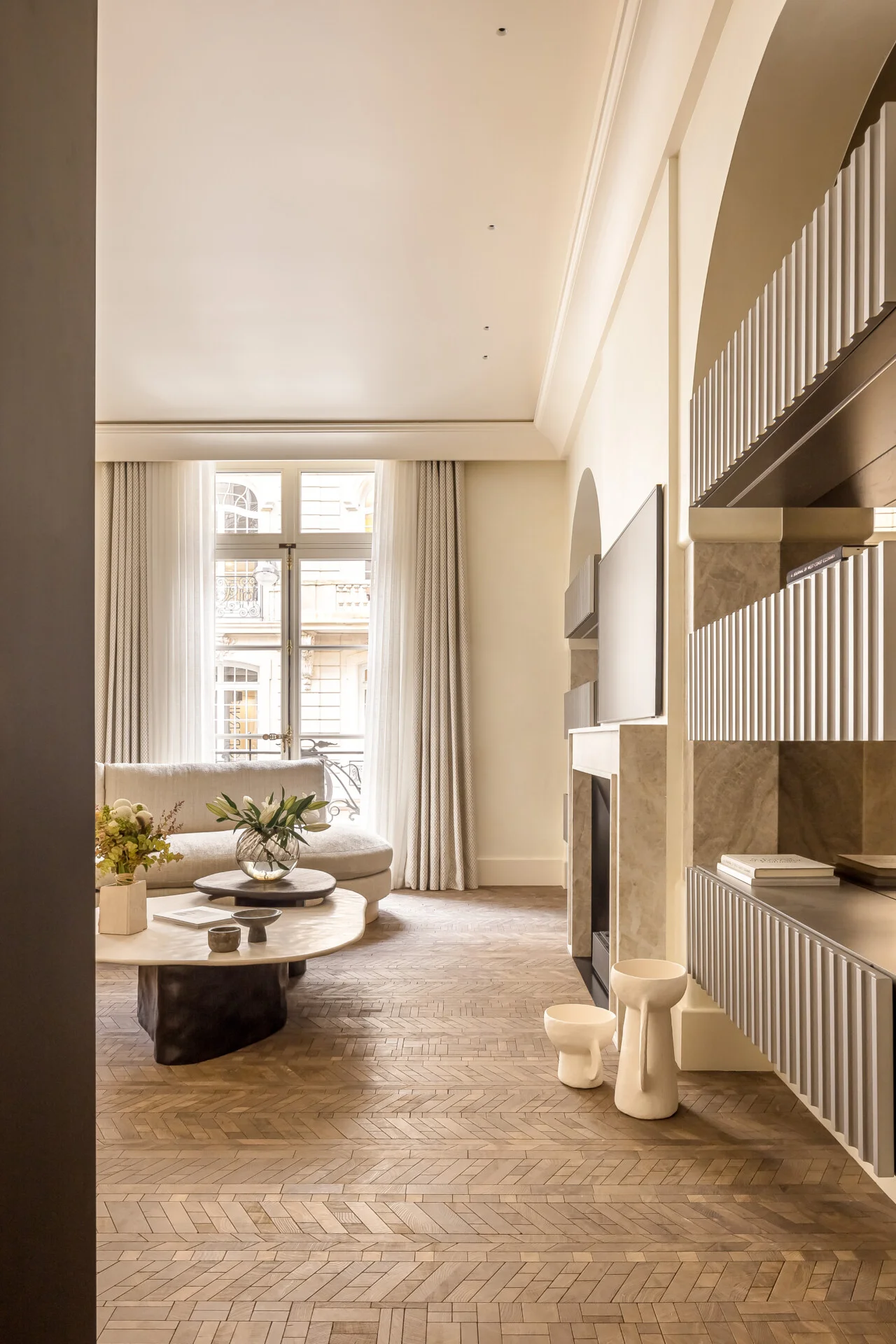
What Is Wood Terrazzo Flooring? An Architectural Guide
Wood terrazzo flooring unites reclaimed endgrain oak offcuts and mineral ground, creating continuous, tactile surfaces designed for circular luxury interiors.
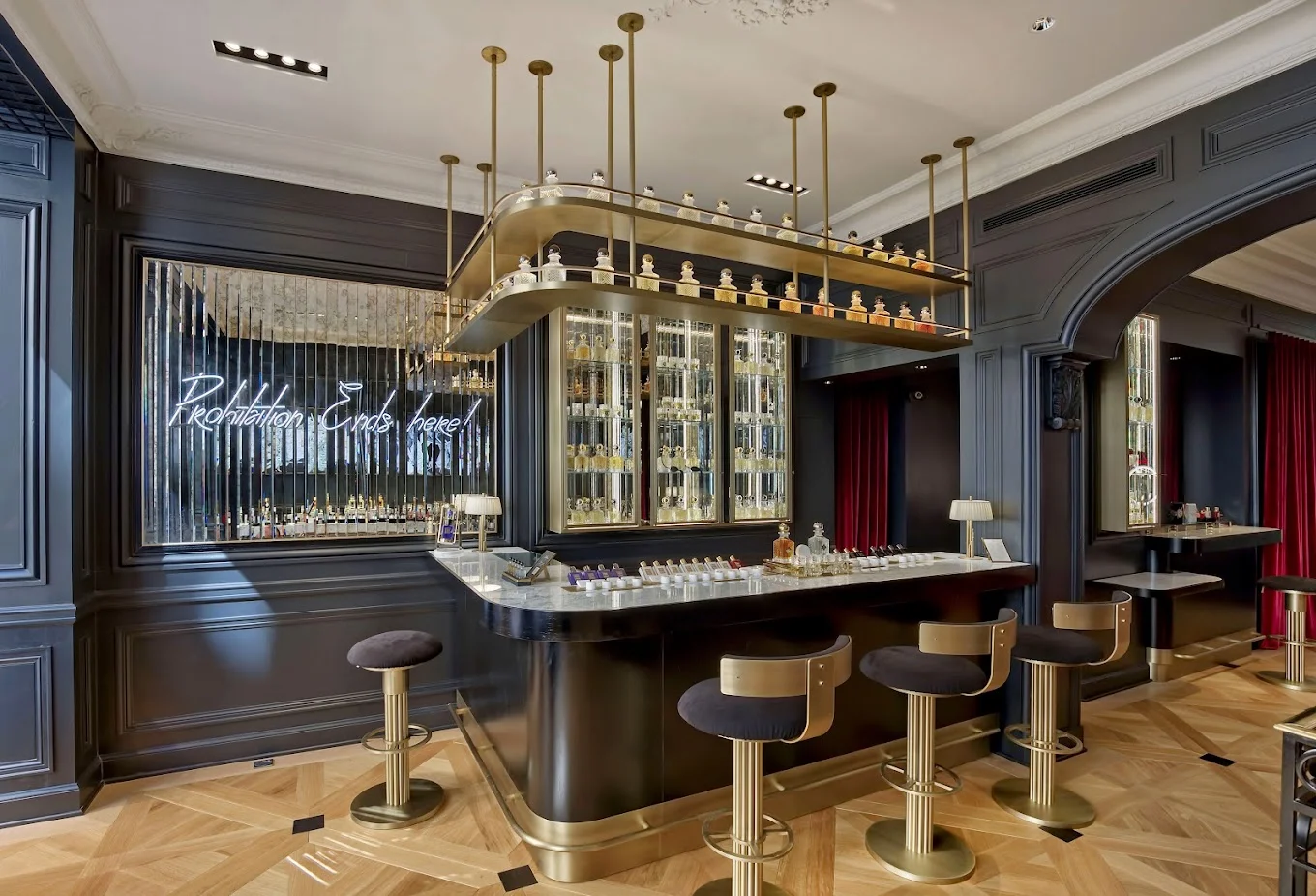
Modern Versailles Parquet: The Classic Panel in Today's Interiors
The woven oak panel first laid in a palace still works in a contemporary room. What changes is the color, the construction and how freely the weave is drawn.
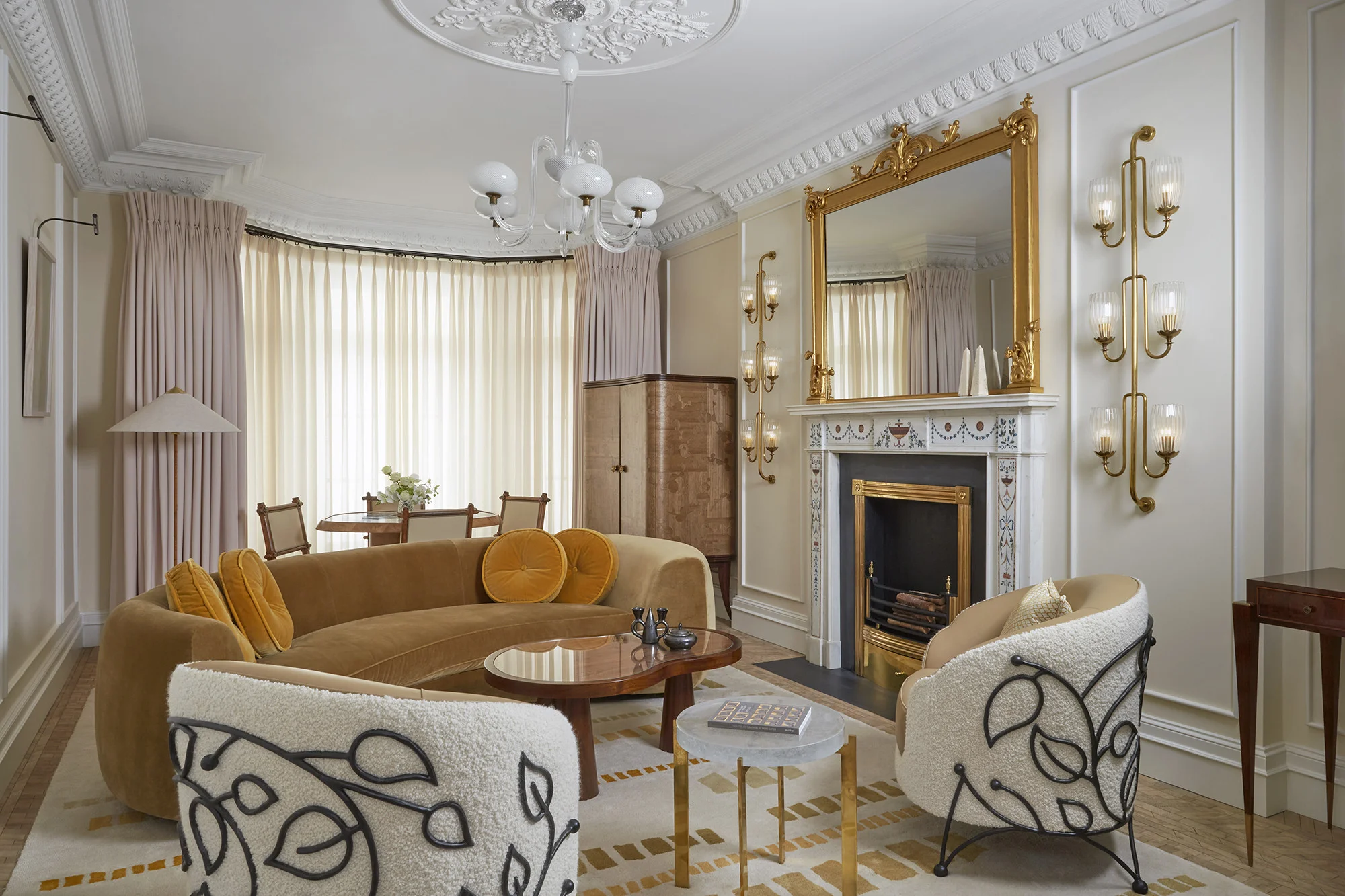
Wood Floor Interior Design: Pairing Oak with Linen, Stone and Brass
Start with the floor, then balance it: stone for weight, linen for softness, brass for light. A practical guide to designing a room around wood.