
Why Old Trees Matter: Ancient Woodland and Biodiversity
Exploring the ecological significance, temporal depth, and irreplaceable networks of veteran trees.

Ancient woodlands and veteran trees are irreplaceable ecological cornerstones that anchor global biodiversity, store massive amounts of carbon, and foster unique mycorrhizal networks. These ecosystems have developed over centuries, creating microclimates and habitats that cannot be replicated by modern planting initiatives. Understanding why old trees matter is the first step toward preserving these biological monuments and incorporating their lessons into sustainable modern design.
- Undisturbed Soil Microbiomes: Ancient woodlands preserve complex subterranean fungal networks that have co-evolved over hundreds of years and cannot be artificially recreated.
- Critical Micro-Habitats: Veteran trees provide structural niches like hollow cavities, peeling bark, and decaying wood that support thousands of rare species.
- Disproportionate Carbon Storage: Older, larger trees sequester carbon at a vastly accelerated rate compared to younger plantations.
- Climate Refugia: The multi-layered canopy of old-growth forests buffers temperatures, conserving critical moisture and reducing local drought stress.
- Symbiotic Resilience: Underground mycorrhizal networks connect mature trees, allowing them to share vital resources and stabilize the entire ecosystem.
What is ancient woodland and why is it irreplaceable?
Ancient woodland is defined as land that has been continuously wooded since at least 1600 AD. Its irreplaceability stems from undisturbed soil microbiomes, centuries of organic decay, and intricate seed banks that cannot be recreated, restored, or translocated by human intervention.
These woodlands are irreplaceable because the complex soil ecosystem develops over centuries without agricultural or industrial disruption. Ancient soils house hundreds of unique species of mycorrhizal fungi, slow-colonizing plants, and soil invertebrates that cannot survive in replanted forests. As highlighted by ecological studies on ancient woodland preservation, attempting to translocate or artificially replicate these habitats fails to preserve the intricate soil chemistry and symbiotic networks. This makes the conservation of existing ancient canopies a primary ecological priority.
What is the difference between an ancient tree and a veteran tree?
An ancient tree is defined by its chronological age, having surpassed the typical lifespan for its species. A veteran tree, while not necessarily ancient, displays structural survival features such as hollow cavities, fungal decay, and dead branches that provide critical ecological habitats.
To understand the lifespan of a forest, one must distinguish between absolute age and structural character. An ancient oak may be over 800 years old, slowly entering its senescent phase, whereas a younger birch tree might develop veteran characteristics in just 80 years due to environmental weathering. Both classifications are biologically precious, representing different stages of resilience and ecological specialization.
| Tree Classification | Primary Determining Factor | Key Ecological Structural Features | Typical Habitat Value |
|---|---|---|---|
| Ancient Tree | Chronological age (surpassing typical species life expectancy) | Very wide trunk, low crown, hollow core, extensive deadwood | High; hosts rare, slow-colonizing lichens, fungi, and birds |
| Veteran Tree | Structural habitat features (regardless of absolute age) | Hollows, decay cavities, sap runs, peeling bark, split limbs | High; acts as a critical refuge for wood-boring insects and bats |
| Young / Mature Tree | Size and growth stage (well within typical lifespan) | Intact bark, solid wood core, uniform branches, high leaf density | Moderate; supports nesting birds and generalist insect species |
How do old trees support biodiversity in forest ecosystems?
Old trees support biodiversity by creating a vast array of micro-habitats that younger trees lack. Their peeling bark, rot holes, hollow trunks, and deadwood canopy branches provide niches for thousands of rare fungi, epiphytic plants, and highly specialized saproxylic insects.
Veteran trees are particularly vital due to the sheer volume of niche environments they contain. As a tree ages and parts of its structure decay, it becomes a multi-layered vertical ecosystem. Fungi break down the heartwood, creating dry, hollow chambers that shelter nesting birds, roosting bats, and small mammals. Hundreds of species of saproxylic insects depend entirely on decaying wood to complete their lifecycles. According to research on old trees biodiversity, managed commercial forests often remove deadwood and older trees, which has contributed to the decline of these sensitive organisms. Preserving standing deadwood within ancient forests is essential to halting this biodiversity loss.

Why do old trees matter for climate resilience and carbon storage?
Old trees are vital for climate resilience because they store massive reserves of carbon in their trunks, root systems, and surrounding undisturbed soils. Their towering, complex canopies also buffer forest floors from extreme heat, conserving moisture and mitigating drought impacts.
The carbon story of an ancient woodland is not just about the volume of timber, but where that carbon is held. While young, fast-growing trees absorb carbon quickly, mature and ancient forests act as massive, stable reservoirs that lock carbon away for centuries. The undisturbed soils of ancient woodlands hold more carbon than the trees themselves, stabilized by deep root networks. Furthermore, the microclimate created under a dense, ancient canopy acts as a cooling shield, lowering ground temperatures by several degrees during summer heatwaves and protecting vulnerable understory species.
What are mycorrhizal networks and how do they sustain ancient forests?
Mycorrhizal networks are underground symbiotic webs of fungal mycelium that physically connect tree roots. These networks allow mature trees to distribute carbon, nitrogen, water, and defense signals to younger saplings, stabilizing the entire forest ecosystem against diseases and environmental stress.
Often referred to as the underground social network of the forest, these mycorrhizal fungal systems require centuries of undisturbed soil development to reach full maturity. Through this subterranean grid, ancient "mother trees" can detect the nutritional needs of surrounding saplings, actively funneling sugars and nutrients to struggling offspring. This mutualistic resource-sharing increases the survival rate of new growth and prevents the spread of pathogens. When ancient woodlands are fragmented, this delicate underground safety net is severed, leaving surviving trees isolated and far more susceptible to ecological collapse.

How does the philosophy of ancient woodland influence sustainable design?
The philosophy of ancient woodland influences sustainable design by shifting focus away from rapid timber consumption toward long-term material permanence, natural imperfection, and biological authenticity. It inspires designers to celebrate the organic passage of time written within the wood's growth rings.
By studying how ancient woodlands thrive through connection, decay, and regeneration, architects and designers are embracing materials that document their own history. The tight, concentric growth rings found in slow-grown wood tell a story of resilience, weather fluctuations, and survival. Rather than demanding flawless, homogenized timber surfaces, contemporary design increasingly celebrates natural variations, knots, and organic textures. This shift honors the natural lifecycle of the forest, encouraging the use of certified, sustainably managed timber and reclaimed materials that safeguard irreplaceable ancient ecosystems for generations to come.
Frequently Asked Questions about Ancient Woodland and Veteran Trees
Why cannot ancient woodland be replanted or replaced?
Ancient woodland cannot be replaced because its value lies in the undisturbed soil chemistry, unique seed banks, and complex mycorrhizal networks that have developed over centuries. Planting new trees on cleared land does not replicate these ancient ecological relationships.
What is the ecological role of deadwood in ancient forests?
Deadwood acts as a vital nutrient recycler and habitat, supporting up to a third of all forest biodiversity. It provides food and shelter for specialized fungi, insects, mosses, and birds that are absent in managed forests where deadwood is routinely cleared.
Are ancient woodlands protected from development?
Yes, in many regions ancient woodlands receive strict legal protections due to their irreplaceable nature, though they remain threatened by infrastructure expansion and fragmentation. Conservationists advocate for buffer zones to shield these delicate boundaries from agricultural and urban runoff.
More from the Atelier

Calm Bedroom Design: How Wood Floors Create Restful Interiors
Learn how natural wood bedroom floors, acoustic balancing, and soft timber textures combine to transform your bedroom into a quiet, restorative sanctuary.
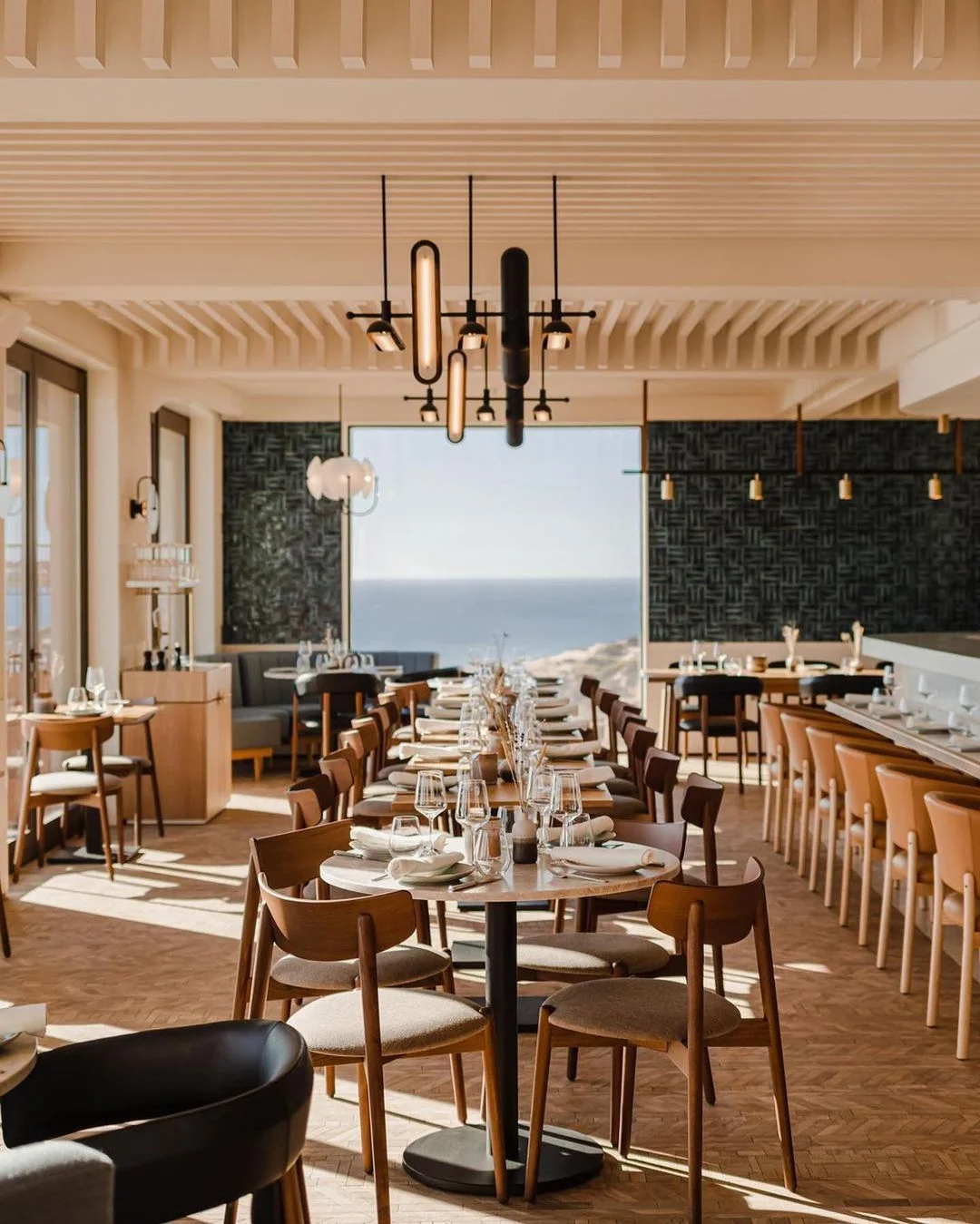
Summer Light & Organic Grids: Coastal Sanctuaries
Discover how the raw, organic grids of end-grain wood and pale timber tones ground bright, modern seaside properties into peaceful sensory retreats.
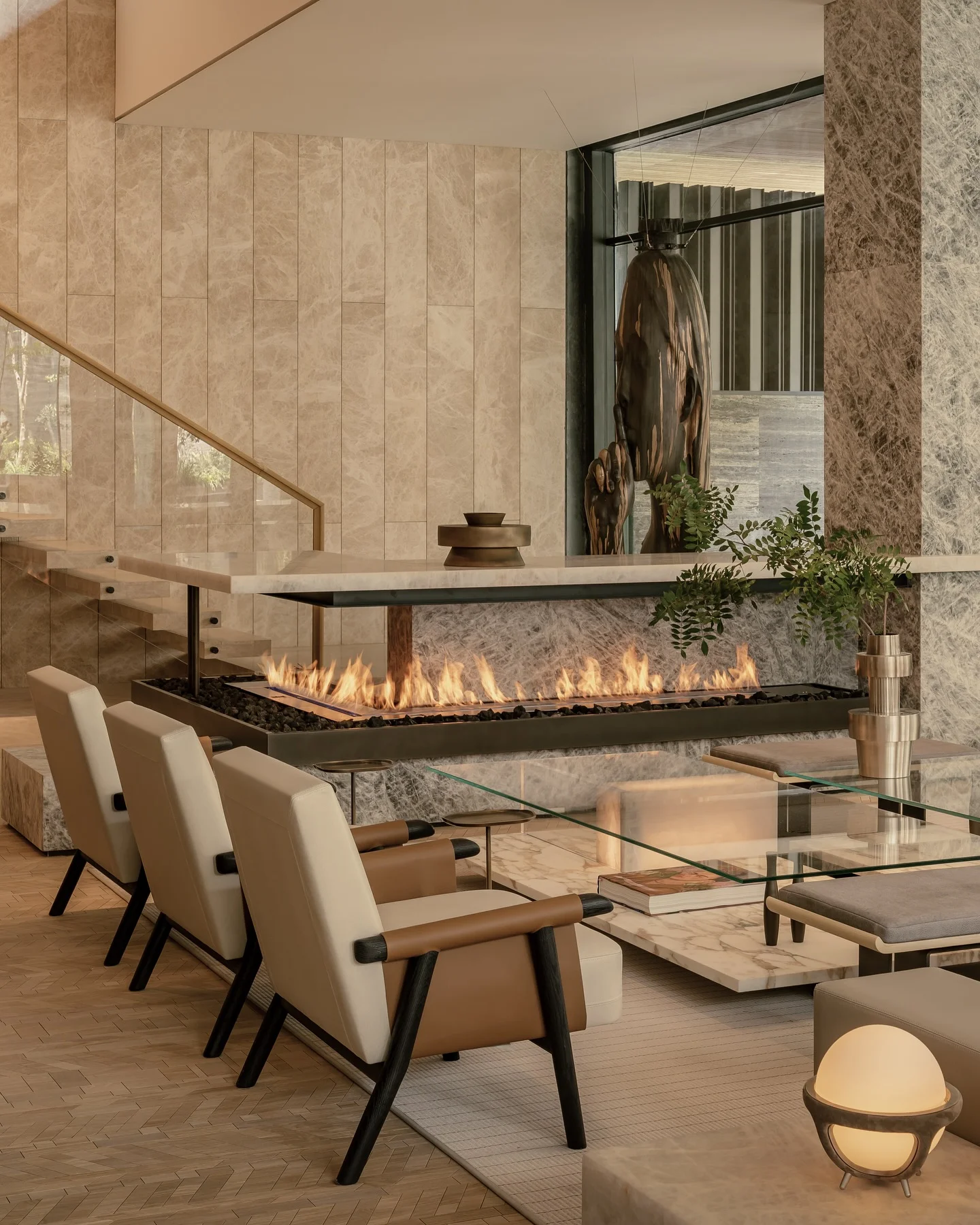
Minimalism and Wood: Doing More with Less Material in Design
Discover how warm minimalism replaces stark white spaces with tactile timber. Learn how a monomaterial approach creates serene, acoustically quiet luxury.