
What is Boatbuilding Wood? Marine Timber and Boat Deck Traditions
How the resilient timbers of the sea shape modern architecture and quiet luxury.
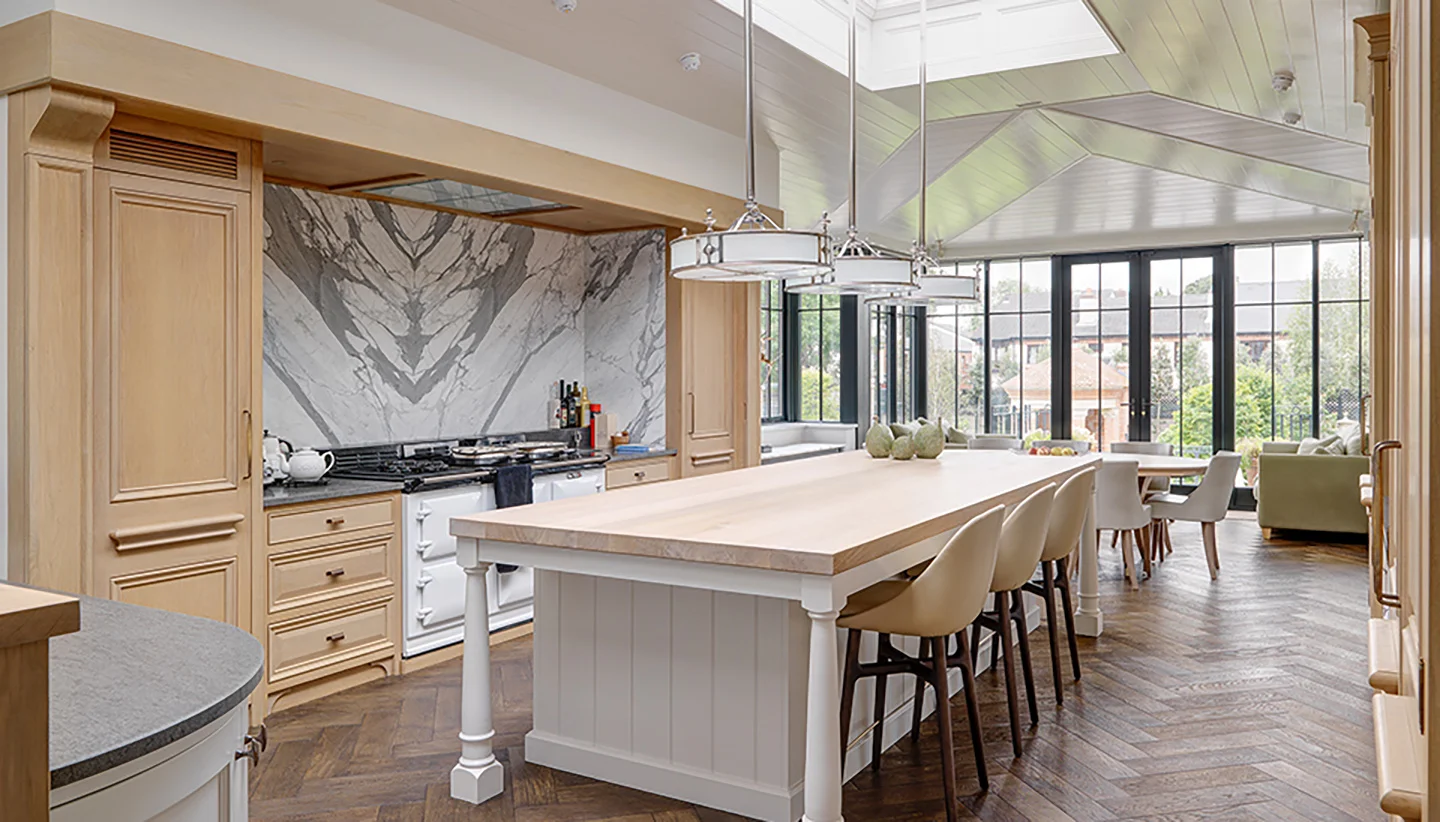
Boatbuilding wood is highly specialized marine timber selected for its exceptional dimensional stability, high oil content, and natural resistance to rot. Historically, species like teak, mahogany, and white oak have been favored for wooden boats and yacht decks because they withstand extreme moisture fluctuations without warping. Today, these time-tested marine timber traditions heavily influence high-end residential architecture and contemporary luxury surface design.
- Teak remains the gold standard for marine applications due to its high silica and natural oil content.
- Traditional techniques like steam-bending and spiling allow wooden boats to achieve fluid, organic shapes.
- Modern sustainable architecture increasingly utilizes reclaimed marine timber and chemically modified woods like Accoya.
- Marine-grade timber requires tight grain structures and precise cutting orientations to survive constant water exposure.
- The rich olfactory and tactile qualities of weathered marine wood evoke a distinct sense of understated luxury.
What makes a timber suitable as boatbuilding wood?
Boatbuilding wood must possess high natural oil and resin content, exceptional dimensional stability, and resistance to fungal decay. Traditional shipwrights choose specific marine timber species because they survive the constant cycle of wetting and drying without splitting or losing structural integrity.
The cellular biology of the wood determines its performance at sea. For instance, white oak (Quercus alba) features microscopic balloon-like structures called tyloses in its pores. These tyloses completely plug the wood's vascular system, making it virtually impervious to water penetration. In contrast, red oak lacks these structures, making it highly porous and entirely unsuitable for hulls or structural ship frames. Furthermore, the selection of heartwood over sapwood is critical, as heartwood contains the concentrated natural extracts and tannins that ward off marine borers and rot-producing fungi, a property well-documented in studies on wood durability in marine environments.
Why is teak the premier choice for a teak boat deck?
Teak is the ultimate material for a teak boat deck because its high concentration of natural rubber, oil, and silica provides built-in slip resistance and waterproof protection. These unique biological traits allow teak to remain dimensionally stable and resist rot even when constantly submerged in saltwater.
When left untreated, a teak boat deck undergoes a beautiful physical transformation. Exposure to sun, wind, and salt oxidizes the outer layers of the wood, turning the rich golden-honey timber into a soft, velvety silver-grey patina. This weathered layer acts as a natural shield, protecting the dense, oil-rich wood fibers underneath. The tactile sensation of dry, weathered teak underfoot—often described as a soft, warm driftwood touch—remains unmatched by synthetic composite alternatives. This sensory luxury, combined with teak's ability to resist warping or cracking under intense thermal expansion, has cemented its status as the most coveted decking material in maritime history.
How do different marine timber species compare?
Comparing marine timber species reveals distinct structural strengths, varying from the dense, oily resilience of teak to the high-tensile stability of mahogany. Each wood serves a specific role in marine architecture, determined by its biological properties and weight-to-strength ratio.
To understand how these woods perform under stress, architects and boatbuilders look to specific physical metrics, such as density, rot resistance, and grain consistency. The table below outlines the primary characteristics of the most celebrated woods used in traditional and modern marine construction.
| Timber Species | Common Marine Use | Key Biological Advantage | Aesthetic Signature |
|---|---|---|---|
| Teak (Tectona grandis) | Yacht decks, trim, interior joinery | Exceptional rubber, oil, and silica content | Golden-honey turning to silver-grey |
| Mahogany (Swietenia macrophylla) | Planking, hulls, polished trim | Superior dimensional stability, tight interlocking grain | Deep reddish-brown with high-gloss luster |
| White Oak (Quercus alba) | Keels, frames, structural timbers | Watertight tyloses, incredible bending strength | Pale tan to medium brown with prominent rays |
| Iroko (Milicia excelsa) | Decks, structural framing | High density, excellent alternative to teak | Yellow-brown darkening to a deep copper |
| Accoya (Acetylated Wood) | Modern marine cladding, exterior joinery | Acetylation prevents moisture absorption entirely | Pale blonde with highly uniform grain |
What are the key techniques in traditional wooden boats construction?
The construction of traditional wooden boats relies on steam-bending, spiling, and lining off to shape rigid timber into fluid, hydrodynamic forms. These centuries-old practices allow master craftsmen to bend wood under tension and match the natural curves of water without compromising structural strength.
Steam-bending is perhaps the most poetic of these techniques. By placing green or air-dried timber into a steam box, shipwrights temporarily soften the lignin—the natural polymer holding the wood fibers together. While hot and pliable, the wood can be bent around the hull's frames and clamped into place. As it cools and dries, the lignin hardens again, permanently lock-stitching the wood into its new, curved shape. Spiling, on the other hand, is the highly precise geometric process of transferring the three-dimensional, curved shape of the hull onto flat planks. Finally, "lining off" ensures that every plank's run looks visually balanced and visually pleasing to the human eye, a quality boatbuilders describe as "eyesweet."
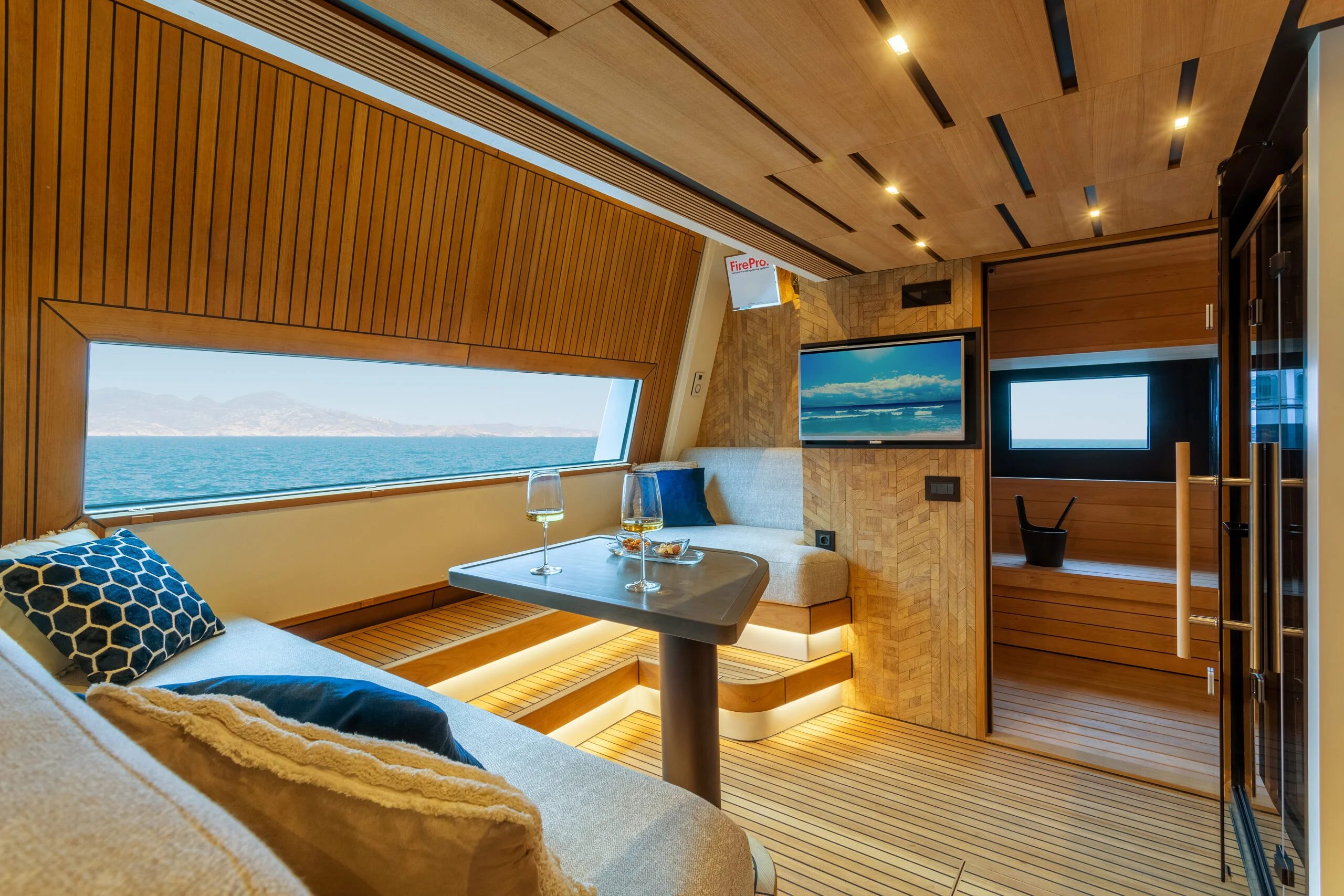
How does the "slow maritime" movement influence modern luxury interiors?
The slow maritime movement brings the raw, tactile craftsmanship of historic boatbuilding into land-bound luxury architecture through fluid woodwork and weathered timber palettes. Designers are increasingly rejecting synthetic materials in favor of natural marine timber, creating spaces that feel grounded and acoustically serene.
This design philosophy celebrates the dialogue between organic shapes and high-density wood. In high-end residential and hospitality interiors, the influence is felt in the seamless flow of curved walls, rounded cabinetry, and flush transitions. Furthermore, the acoustic properties of thick, tightly fitted timber mimic the quiet, insulated cabins of classic luxury sailing vessels. The rich, resinous aroma of woods like teak, combined with the visual rhythm of continuous grain flowing through a room, evokes a deep sense of calm and biological connection, bridging the gap between coastal heritage and modern metropolitan living.
Is marine timber sustainable in contemporary design?
Marine timber sustainability requires responsible sourcing certifications and a shift toward reclaimed wood or modified species to protect vulnerable old-growth forests. While historic boatbuilding relied heavily on wild tropical hardwoods, modern luxury design utilizes certified timbers and advanced alternatives like acetylated wood.
Because slow-growing tropical species like teak and mahogany are highly precious, their use must be handled with extreme care and ecological responsibility. Modern architectural projects often specify timbers certified by the Forest Stewardship Council (FSC) to ensure they do not contribute to deforestation. Additionally, the reuse of reclaimed marine timber—salvaged from historic docks, shipyards, and retired vessels—has emerged as a highly sought-after practice. These reclaimed planks carry a rich physical history, complete with weathered patinas and bolt marks, offering unparalleled character alongside outstanding ecological credentials, as highlighted in modern stabilization techniques for natural timber.
Frequently Asked Questions About Marine Timber
What is the best wood for a boat deck?
Teak is universally considered the best wood for a boat deck due to its high natural oil, rubber, and silica content, which provide unmatched resistance to rot, water, and slipping.
Why does teak turn grey on boats?
Teak turns grey when exposed to sunlight and saltwater, which naturally oxidizes the wood's surface fibers and creates a protective silver-grey patina without damaging the structural integrity underneath.
How do wooden boats stay watertight without leaking?
Traditional wooden boats stay watertight because the dry timber planks swell when submerged in water, pressing tightly against each other and the caulked seams to form a natural, waterproof seal.
Can marine timber be used for indoor flooring?
Yes, marine timbers like teak and fumed oak make exceptional indoor flooring, offering high durability, moisture resistance, and a rich aesthetic that brings maritime history into modern interiors.
More from the Atelier
Calm Bedroom Design: How Wood Floors Create Restful Interiors
Learn how natural wood bedroom floors, acoustic balancing, and soft timber textures combine to transform your bedroom into a quiet, restorative sanctuary.
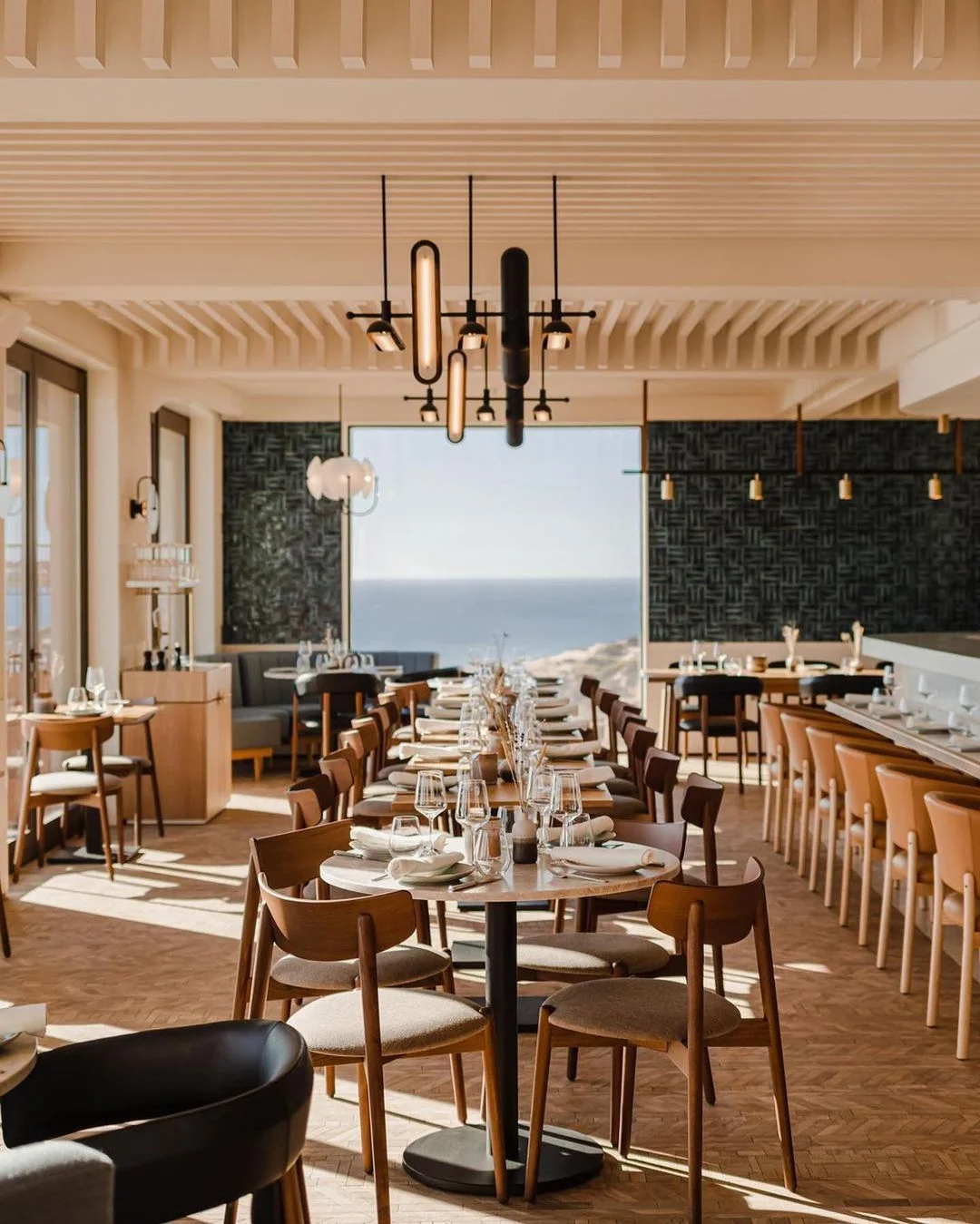
Summer Light & Organic Grids: Coastal Sanctuaries
Discover how the raw, organic grids of end-grain wood and pale timber tones ground bright, modern seaside properties into peaceful sensory retreats.
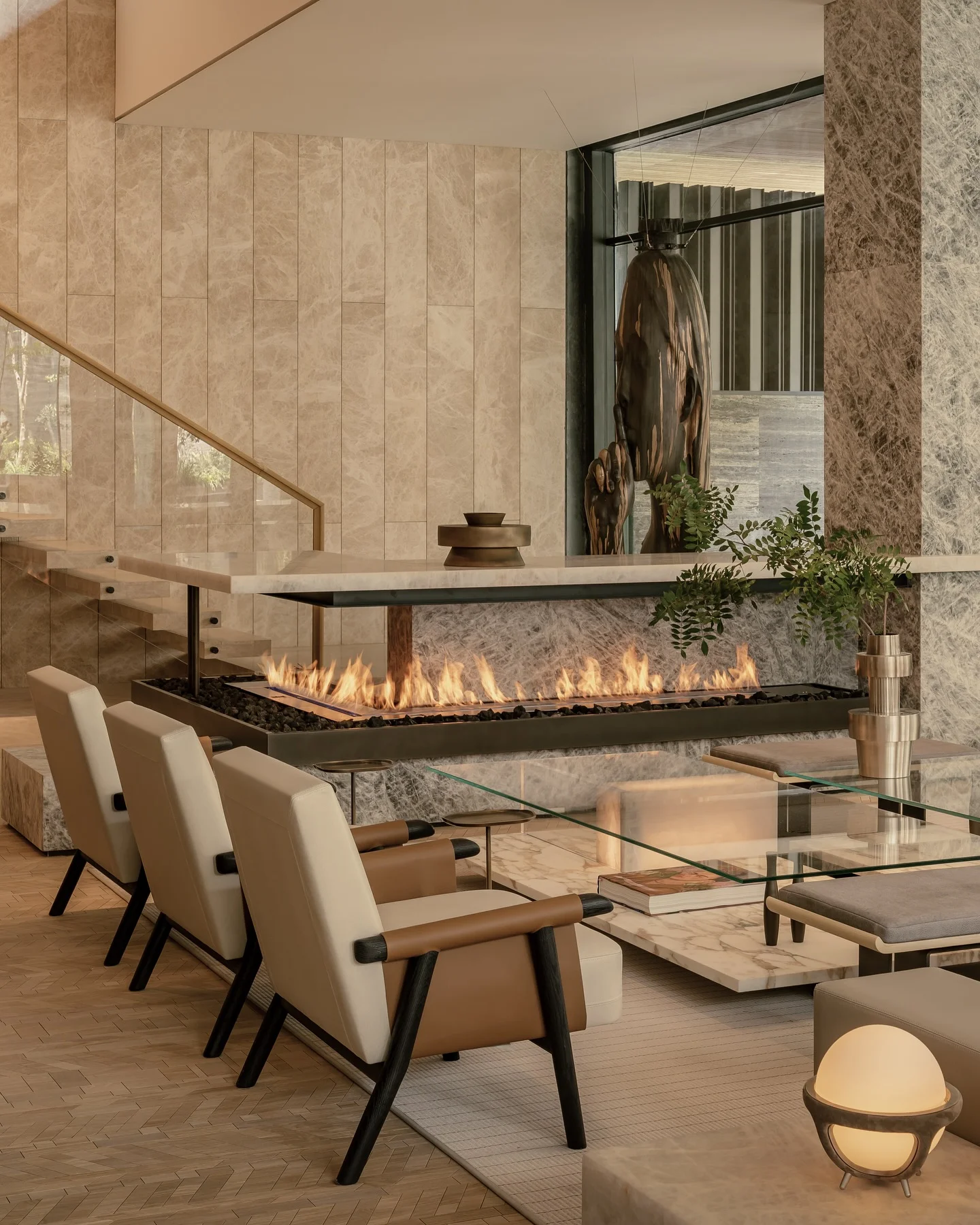
Minimalism and Wood: Doing More with Less Material in Design
Discover how warm minimalism replaces stark white spaces with tactile timber. Learn how a monomaterial approach creates serene, acoustically quiet luxury.