
Hotel Flooring: How to Choose Wood That Lasts in Hospitality
Usage class, fire rating, stability and upkeep decide whether a wood floor works in a hotel.
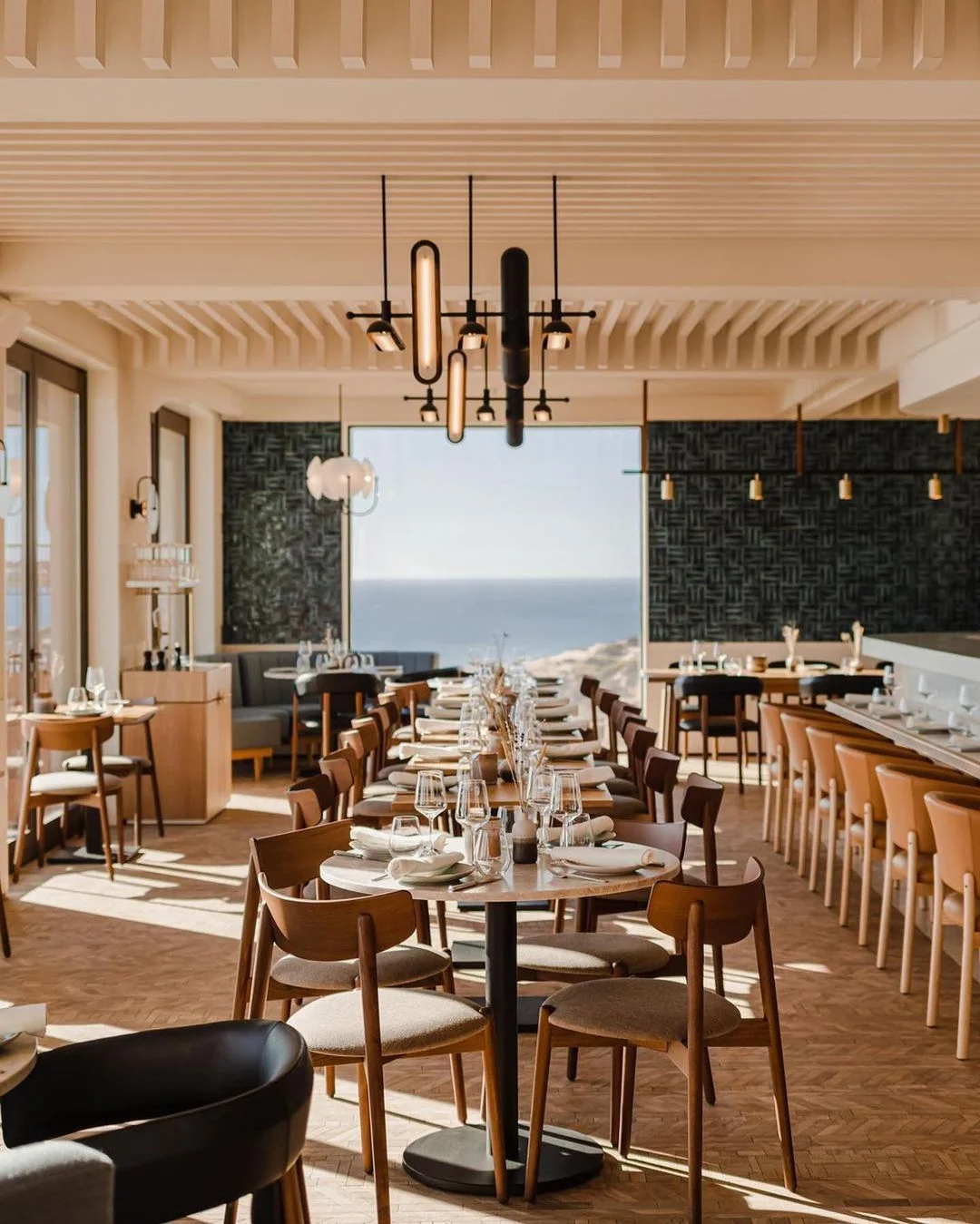
Good hotel flooring has to take heavy, constant traffic, rolling luggage and furniture, meet fire regulations and be maintained without closing a room, while still feeling warm and residential to guests. Wood can do all of that if the specification is right: a commercial usage class, a suitable fire rating, a stable layered construction and a finish that is easy to care for.
Here is what to check, which wood floors suit which parts of a hotel, and how they are kept looking good.
What should you look for in hotel flooring?
- Usage class. Public areas need a floor rated for very heavy commercial traffic (class 34); guest rooms and offices can use heavy commercial (class 33).
- Fire rating. Floors in commercial buildings are classified for reaction to fire. Cfl-s1 is a common class for wood; check what each area of the project requires.
- Stability. Hotels run heating and air conditioning around the clock and doors open constantly. A layered construction moves far less than solid boards.
- Maintenance. The floor has to be cleaned daily and repaired without long closures.
- Sound. Footsteps in a lobby or a corridor carry. The floor, its underlay and the rest of the room together decide how quiet a space is.
- Continuity. A hotel reads as one place when the same wood and finish run from the lobby to the rooms, even if the pattern changes.
Why choose wood for a hotel?
Guests respond to wood. It looks and feels like a home rather than an institution, it is warm underfoot, and unlike many synthetic floors it can be repaired and refinished rather than replaced when it wears. A well-chosen wood floor in a hotel also ages in a way people like: it gains character instead of looking tired.
The trade-off is care. Wood needs a maintenance routine and protection at entrances, and it is not the floor for wet areas such as pool surrounds.
Why does endgrain suit lobbies and restaurants?
Endgrain flooring is cut across the log, so you walk on the ends of the wood fibers rather than along their sides. That is the hardest face of the wood, and wear shows far less on it than on ordinary boards. In the nineteenth century Paris paved streets with endgrain oak blocks for exactly that reason.
Opus, endgrain oak paving in an organic pattern, revives that craft: an 8 mm endgrain oak top layer on 12 mm birch plywood, with joints under 1 mm that can be filled with LignoFusion in brown or black. Forêt, endgrain oak in six planks and six patterns, gives the architect a composition that never repeats, which suits large lobbies and dining rooms. Both are rated usage class 34 for very heavy commercial traffic and come in Natural, Smoke or Black.
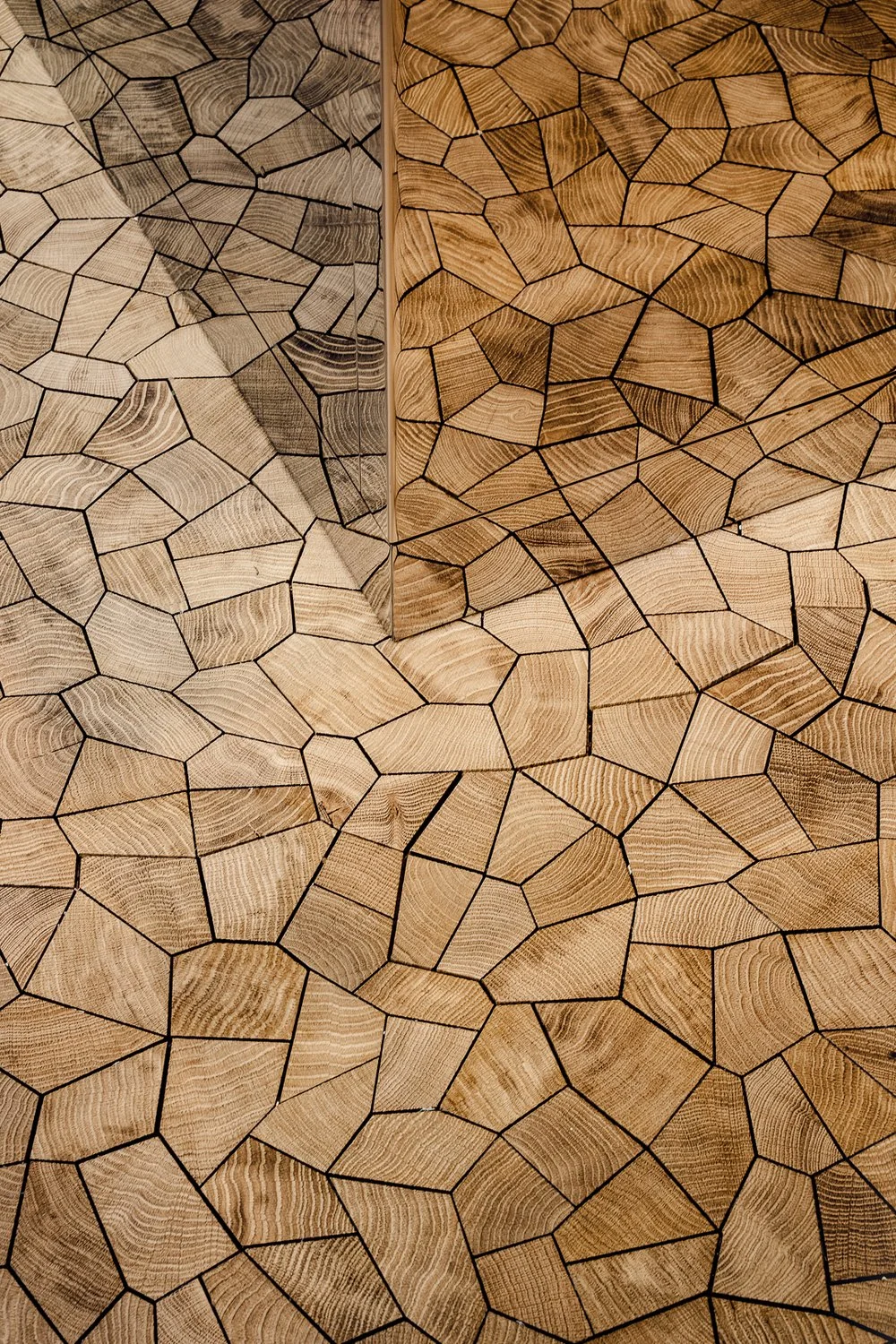
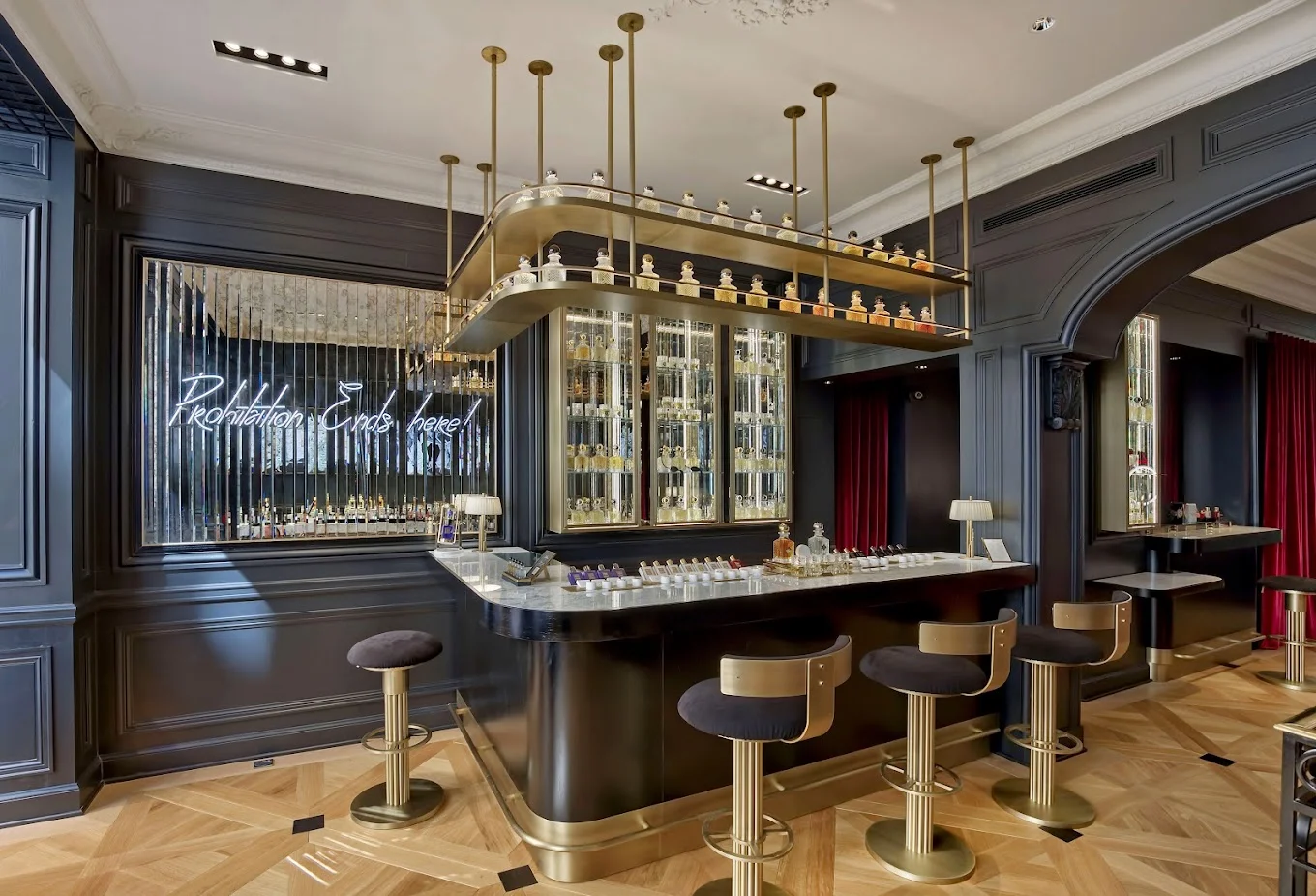
At the Butterfly Pâtisserie at the Hôtel de Crillon in Paris, laid in Opus Natural, the endgrain takes the steady traffic of a pâtisserie counter while giving the room the warmth of a private salon.
Which wood floor for each area of a hotel?
| Area | What matters most | A suitable choice |
|---|---|---|
| Lobby and reception | Very heavy traffic, luggage, first impression | Endgrain, usage class 34: Opus or Forêt |
| Restaurant and bar | Chairs, spills, constant use | Endgrain, usage class 34 |
| Corridors | Continuous traffic, sound | Plain boards in the same finish as the public areas |
| Guest rooms and suites | Comfort, quiet, residential feel | Straight boards, usage class 33: Droit |
| Wet areas | Standing water | Not wood; stop the floor at the threshold |
The endgrain collections have plain boards in the same finish, from the Atelier and Essentiel collections, for adjoining rooms and transitions, so a lobby in Forêt Smoke can run into a corridor in plain boards of the same tone. For rooms and suites, Droit, a straight oak plank, comes in 150 mm or 190 mm widths and twelve lacquered colors, rated usage class 33.
How do you maintain wood floors in a hotel?
- Stop the grit at the door. Generous entrance mats catch the sand and dust that do most of the damage to any floor.
- Clean little and often. Dry sweeping or vacuuming daily, then a damp, not wet, mop with a cleaner suited to the finish.
- Protect from furniture. Felt pads on chairs and tables, and soft wheels on luggage trolleys.
- Deal with spills promptly. Standing water is the one thing wood floors dislike.
- Plan the repairs. Oiled finishes can usually be refreshed in one worn area at a time; lacquered finishes form a harder film that is easy to clean, and repairs mean recoating a whole zone. Follow the maintenance guide for the specific floor.
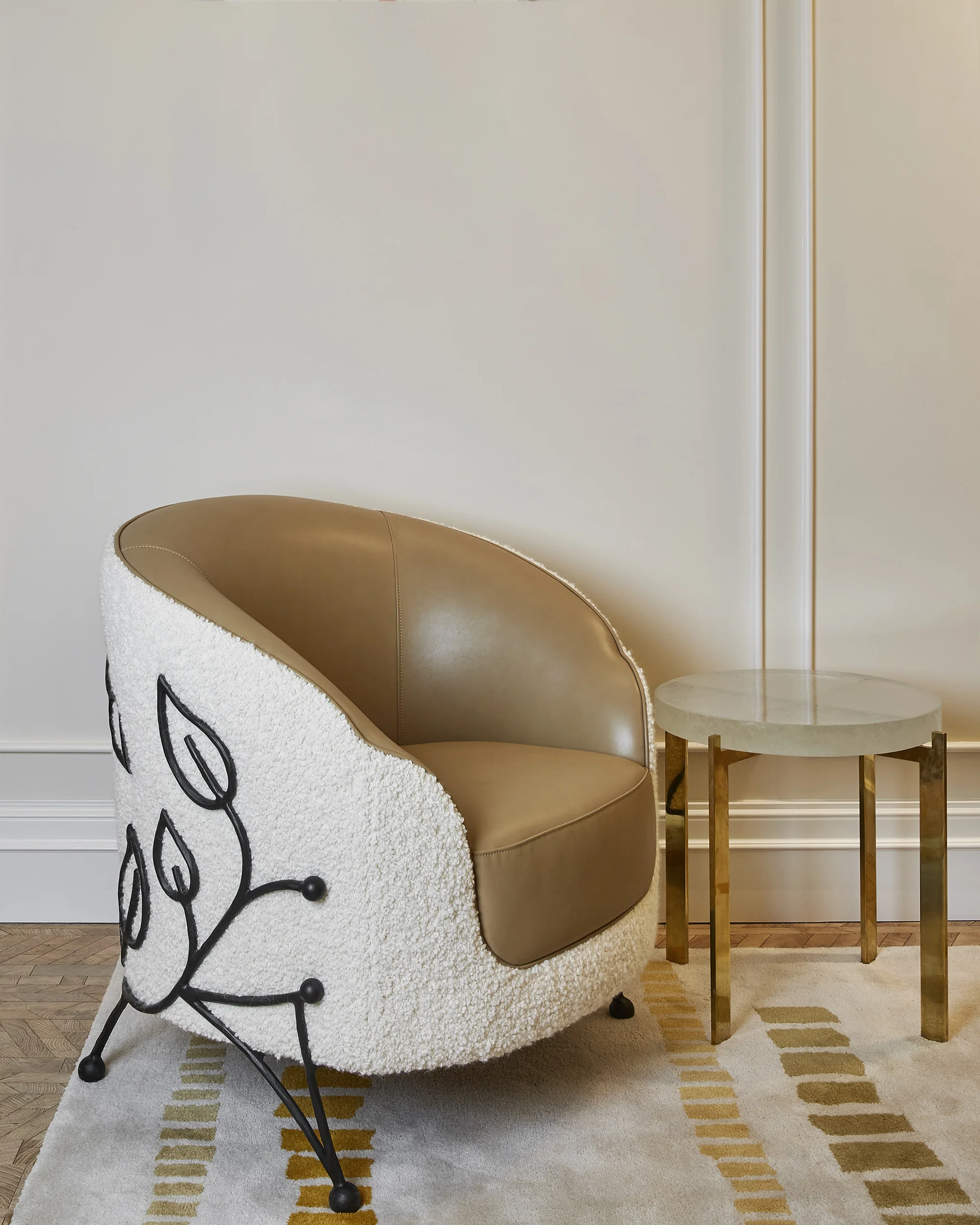
At Claridge's in London, laid in Forêt Natural, the endgrain composition runs through a hotel where the floor has to take constant guest traffic and still look composed.
Frequently asked questions
What is the best flooring for a hotel?
It depends on the area. Lobbies, restaurants and bars need a floor rated for very heavy commercial traffic with a suitable fire rating; guest rooms need comfort, quiet and warmth more than toughness. Many hotels use a hard-wearing endgrain or patterned wood in public areas and plain boards in the same finish in rooms and corridors.
What do usage classes 33 and 34 mean?
They are the European classes for how much traffic a floor is made to take. Class 33 is heavy commercial use, such as busy shops and offices. Class 34 is very heavy commercial use, such as lobbies, restaurants and other public areas with constant footfall.
What does a Cfl-s1 fire rating mean?
Cfl-s1 is a European fire classification for floorings: class C for reaction to fire, with s1 meaning low smoke production. It is a common rating for wood floors in commercial buildings. The class a project needs depends on the country and the area, so check with the fire engineer or architect.
Is wood flooring practical in a hotel restaurant?
Yes, with the right floor and routine. A hard-wearing surface rated for very heavy traffic, felt pads on chairs, mats at the entrance and spills wiped up promptly keep it in good condition. Endgrain is a strong choice because it is the hardest face of the wood and hides everyday wear well.
Is endgrain flooring quieter than ordinary wood boards?
Endgrain has a softer, calmer sound underfoot than many hard floors, which is part of its appeal in lobbies and dining rooms. The overall acoustics of a room still depend on the underlay, the ceiling and the furnishings, so treat the floor as one part of the acoustic design.
Hotel floors by OscarOno Paris
For public areas, Opus and Forêt are endgrain oak, 8 mm on 12 mm birch plywood, usage class 34, in Natural, Smoke (smoked through the full depth of the oak) or Black (charred, in the shou sugi ban tradition). For rooms and suites, Droit is flatgrain select oak, 12 mm with a 4 mm top layer, usage class 33, in twelve lacquered colors. All three carry a Cfl-s1 fire rating and are FSC and PEFC certified.
Spec sheets, CAD and 3D files for the project team are in the library, and you can order samples to test finishes against your interior.
More from the Atelier
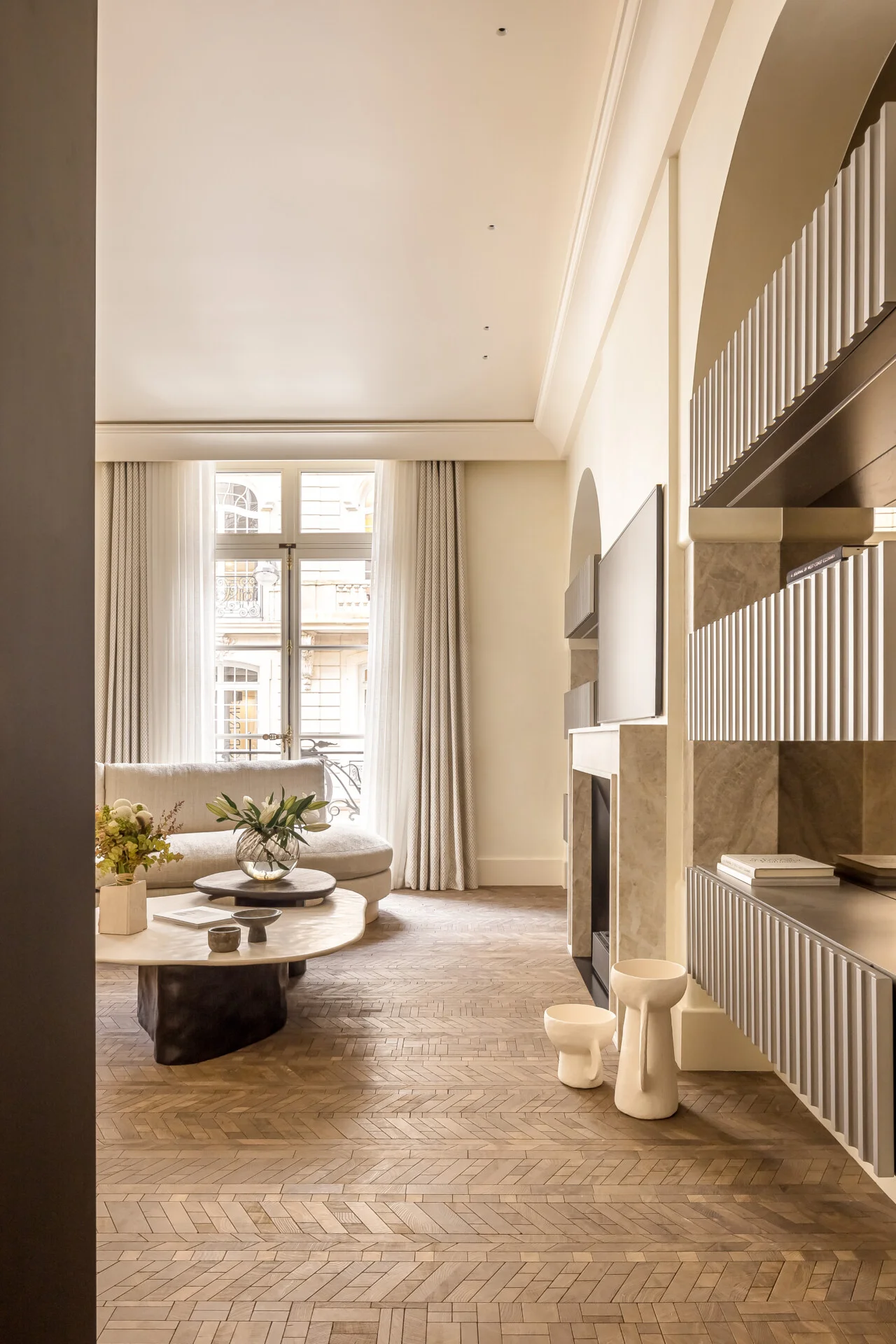
What Is Wood Terrazzo Flooring? An Architectural Guide
Wood terrazzo flooring unites reclaimed endgrain oak offcuts and mineral ground, creating continuous, tactile surfaces designed for circular luxury interiors.
Modern Versailles Parquet: The Classic Panel in Today's Interiors
The woven oak panel first laid in a palace still works in a contemporary room. What changes is the color, the construction and how freely the weave is drawn.
Wood Floor Interior Design: Pairing Oak with Linen, Stone and Brass
Start with the floor, then balance it: stone for weight, linen for softness, brass for light. A practical guide to designing a room around wood.