
Wood Flooring Trends: The Definitive Design Guide
Explore the shift toward warm minimalism, oversized formats, and highly tactile surfaces.
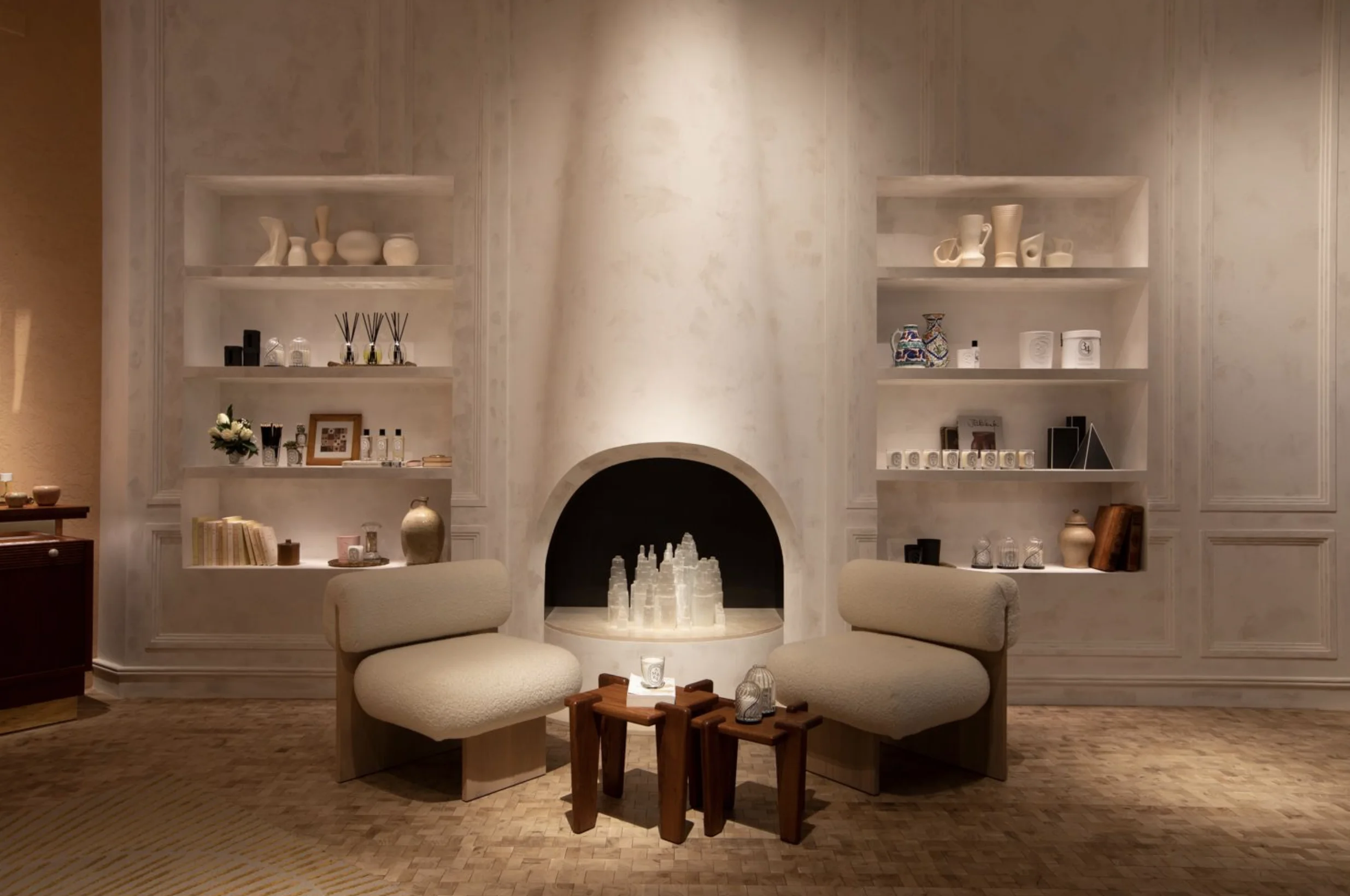
The dominant wood flooring trends this year prioritize warm minimalism, highly tactile surfaces, and oversized architectural formats. Cool, clinical grays and high-gloss finishes are being replaced by rich honey-toned oaks, textured end-grain blocks, and ultra-matte 'invisible' coatings that celebrate the raw, organic character of natural timber.
- Warm, earthy palettes like honey, toasted caramel, and soft amber are replacing cool grays and stark bleached white tones.
- Oversized formats, including planks wider than 7 inches and large-scale chevron patterns, are being used to create a sense of expansive, unified space.
- Tactility is a major design driver, with wire-brushed, hand-scraped, and raw-looking finishes gaining significant traction.
- End-grain mosaic layouts are emerging as a favored high-durability, artistically expressive option for both residential and hospitality spaces.
- Low-luster, ultra-matte, or 'invisible' varnishes are preferred to protect the wood while preserving its natural, non-reflective appearance.
Why are warm, earthy wood tones replacing cool grays?
Warm, earthy wood tones are replacing cool grays because interior designers are embracing 'Warm Minimalism' to create cozy, biophilic sanctuaries. This shift moves away from clinical, sterile environments in favor of spaces that feel grounded, permanent, and organically connected to nature. According to a comprehensive residential design survey, over 70% of leading designers are actively specifying natural, amber-hued wood tones over gray or cool-tinted stains to enhance visual warmth.
Rich ambers, honey-toned oaks, toasted caramels, and deep walnuts bring natural warmth that pairs beautifully with tactile plaster walls, bouclé fabrics, and unlacquered brass. These tones evoke a sense of heritage and permanence, making them highly desirable in both contemporary and historic restoration projects. The goal is to highlight the natural beauty of the wood, allowing its natural variations to anchor the room's color story.
How are oversized and variable-width planks transforming spatial scale?
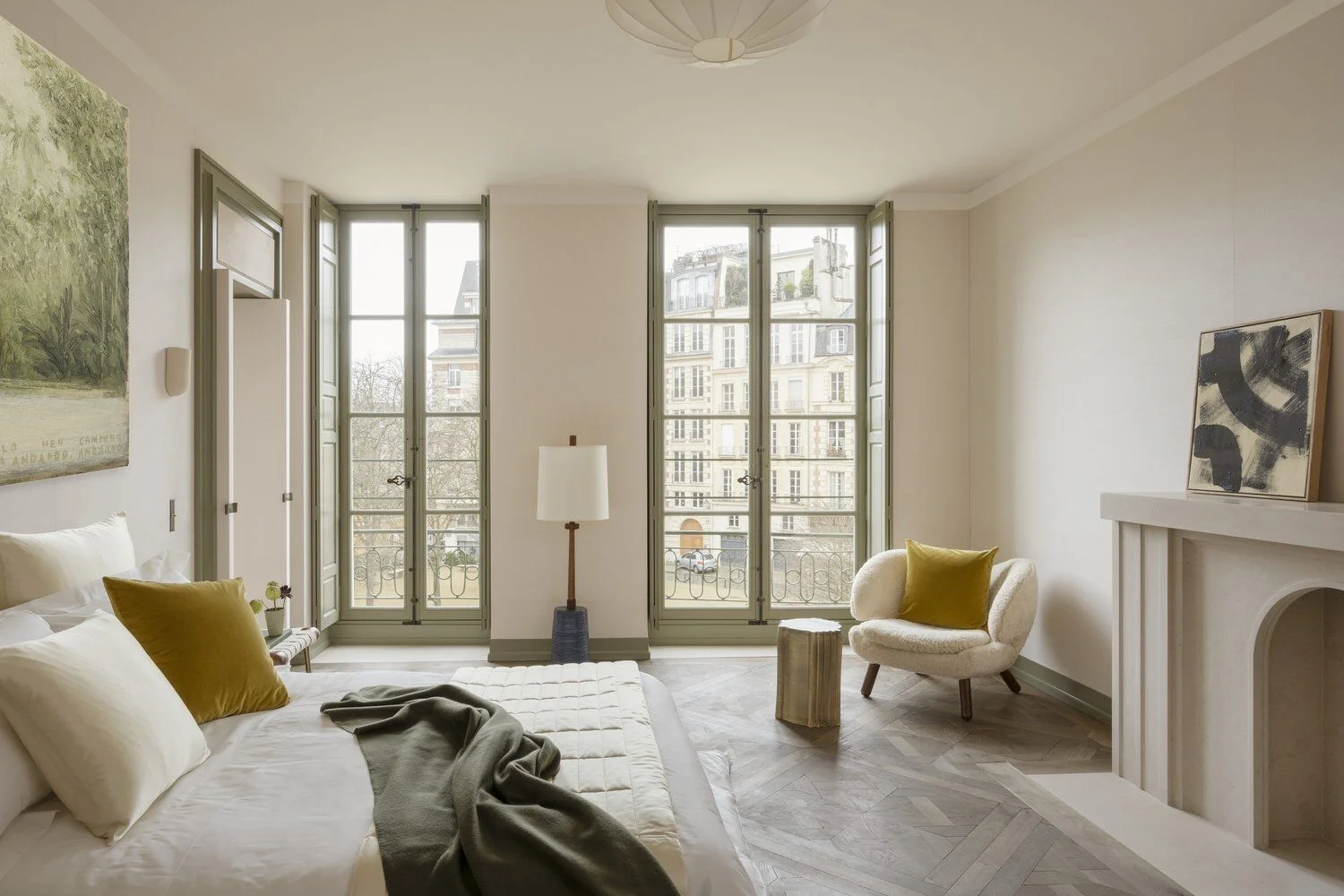
Oversized and variable-width planks transform spatial scale by reducing visual clutter and creating an expansive, continuous flow across large, open-plan interiors. These wider formats mimic the grand scale of historic European estates, making rooms feel larger and more architecturally significant. In modern residential design, narrow planks are being phased out in favor of boards that make a bolder spatial statement.
Planks measuring 7 to 10 inches wide are now the preferred standard in high-end residential architecture. Combining different widths—such as 5-inch, 7-inch, and 9-inch boards in a single installation—adds a subtle historical authenticity that makes a floor feel curated over time. Large-format chevron and herringbone patterns are similarly scaling up, providing a dramatic geometric foundation for grand hallways, galleries, and formal living spaces.
What role does texture and matte finish play in modern interior flooring?
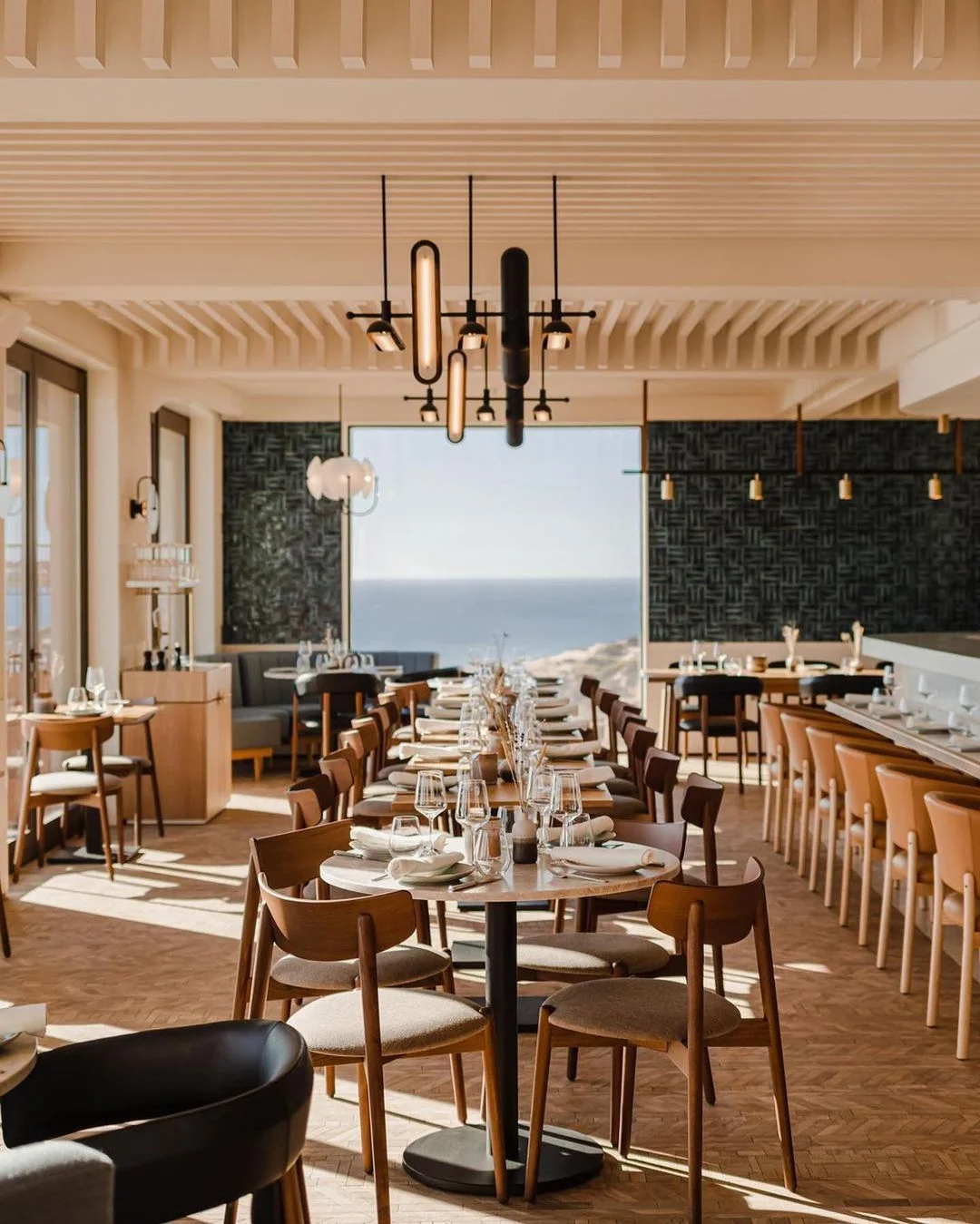
Tactile textures and low-luster matte finishes are critical in modern interior flooring because they highlight the organic, raw beauty of wood while minimizing artificial reflection. These finishes absorb light to cast a soft, velvety glow that accentuates natural grain variations, knots, and growth rings. High-gloss and semi-gloss surfaces have been phased out as designers seek a more authentic connection to the material.
Modern architects heavily favor ultra-matte, 'invisible' coatings that seal the timber without altering its naked, untreated appearance. Textural techniques like wire-brushing or hand-scraping add physical depth, making the floor highly engaging underfoot. This focus on touch is also driving the popularity of end-grain cuts, which expose the dense, circular growth rings of the tree trunk, offering a sensory and highly durable alternative to traditional linear planks.
How do different flooring trends compare in durability and style?
Different wood flooring trends offer distinct balances of structural durability and aesthetic impact depending on their cut and layout. While wide planks provide a clean, modern canvas, end-grain layouts offer unparalleled compressive strength and a highly detailed, mosaic-like appearance. Choosing the right format depends heavily on the spatial requirements and expected foot traffic of the project.
To assist in selecting the ideal format, the table below highlights the comparative characteristics of this year's leading trends based on recent industry flooring reports.
| Format & Trend | Aesthetic Character | Key Durability Factor | Best Architectural Use |
|---|---|---|---|
| Wide Planks (7–10") | Clean, continuous, and expansive | High structural stability (engineered) | Open-plan living rooms and galleries |
| Large-Format Chevron | Dynamic, historical, and grand | Requires precise geometric alignment | Formal dining halls and grand entryways |
| End-Grain Mosaics | Highly detailed, organic, and graphic | Exceptional compressive strength | High-traffic residential and retail spaces |
What are the installation requirements for modern wood flooring trends?
Modern wood flooring trends require specialized installation techniques, including precise subfloor preparation, professional gluing, and strict moisture control to ensure long-term stability. This is particularly true for complex layouts like large-format chevron or dense end-grain blocks, which expand and contract differently than traditional planks. Proper subfloor preparation prevents issues such as cupping, shifting, or gapping over time.
While engineered wood planks are highly compatible with underfloor heating, solid wood formats require careful acclimation to the room's specific microclimate before installation. Professional installers must monitor relative humidity levels and use high-quality, flexible adhesives to accommodate natural wood movement. Working with experienced craftsmen is essential to guarantee that these advanced formats perform beautifully for decades.
FAQ
What is the most popular wood flooring color this year?
Warm, natural honey-tones, soft ambers, and toasted caramel colors are leading, completely replacing the cool grays and cool-tinted stains of the past decade.
Are wide planks more stable than narrow planks?
Engineered wide planks are highly stable due to their multi-layered core construction, whereas solid wide planks are more sensitive to humidity changes and require strict indoor moisture control.
What is an 'invisible' wood finish?
An invisible finish is an ultra-matte, low-luster protective coating designed to seal the timber while preserving its raw, natural, and untreated appearance without adding shine.
Can end-grain wood flooring be installed over underfloor heating?
Yes, but it requires highly stable engineered end-grain modules, professional-grade flexible adhesives, and precise temperature-limit controls to prevent moisture fluctuations.
More from the Atelier
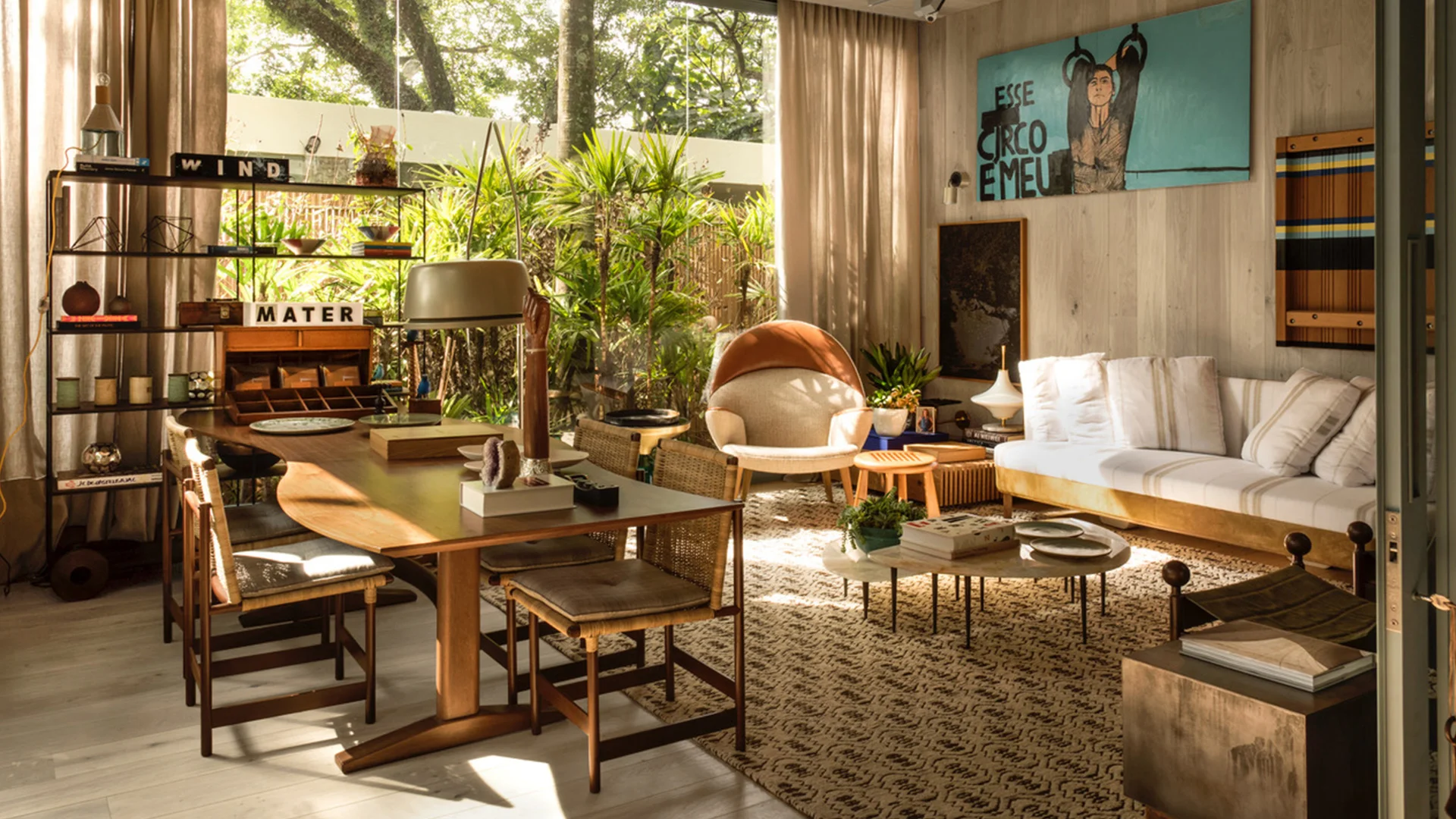
Modern Versailles Parquet & Marqueterie Trends
Discover how historic French marqueterie and Versailles parquet panels are being reinterpreted for modern commercial and residential interiors.
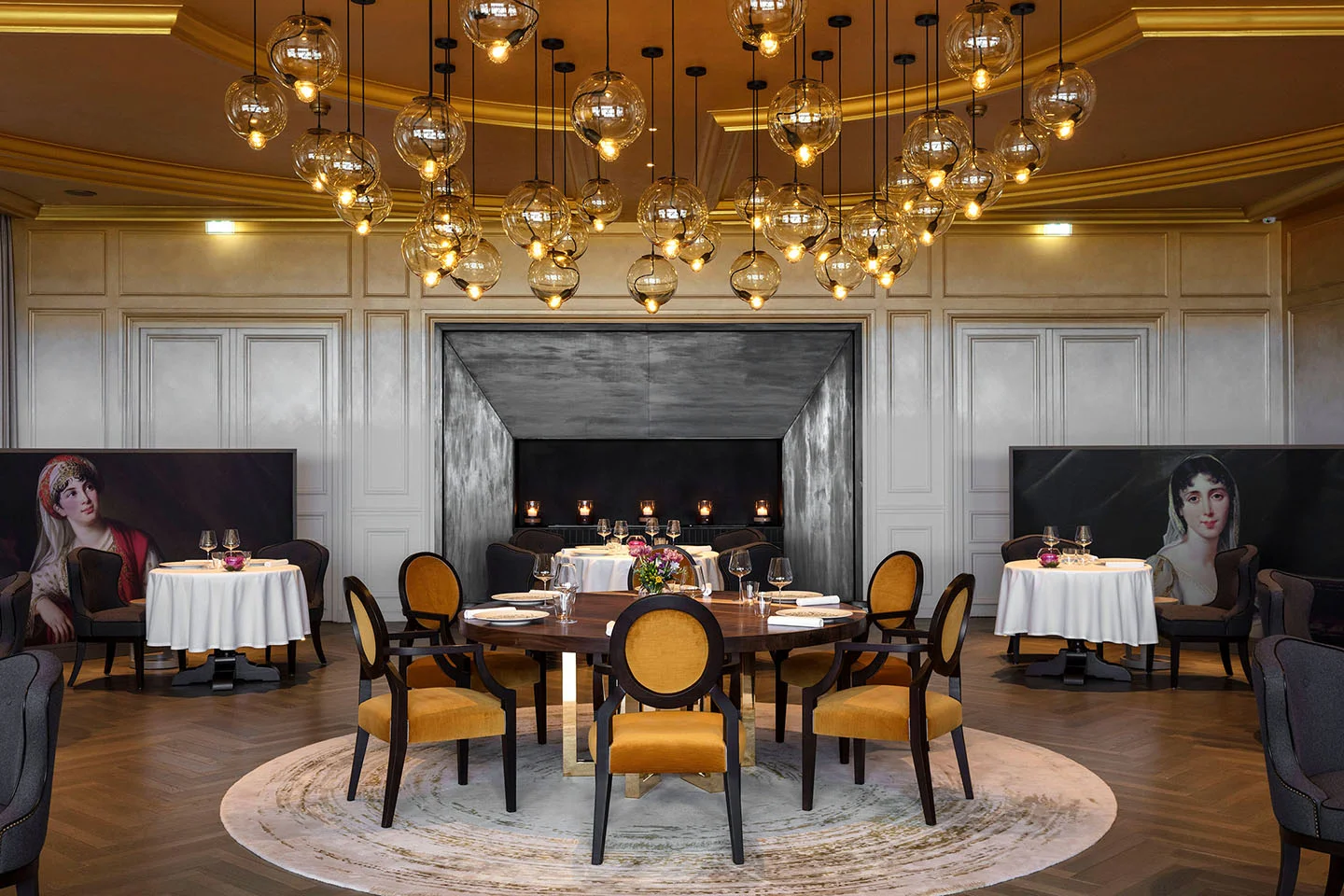
The Texture Pairing Playbook: Wood with Linen, Stone and Brass
Discover the art of balancing wood, linen, stone, and brass. This design-led guide explores how to combine these raw materials for a timeless interior.
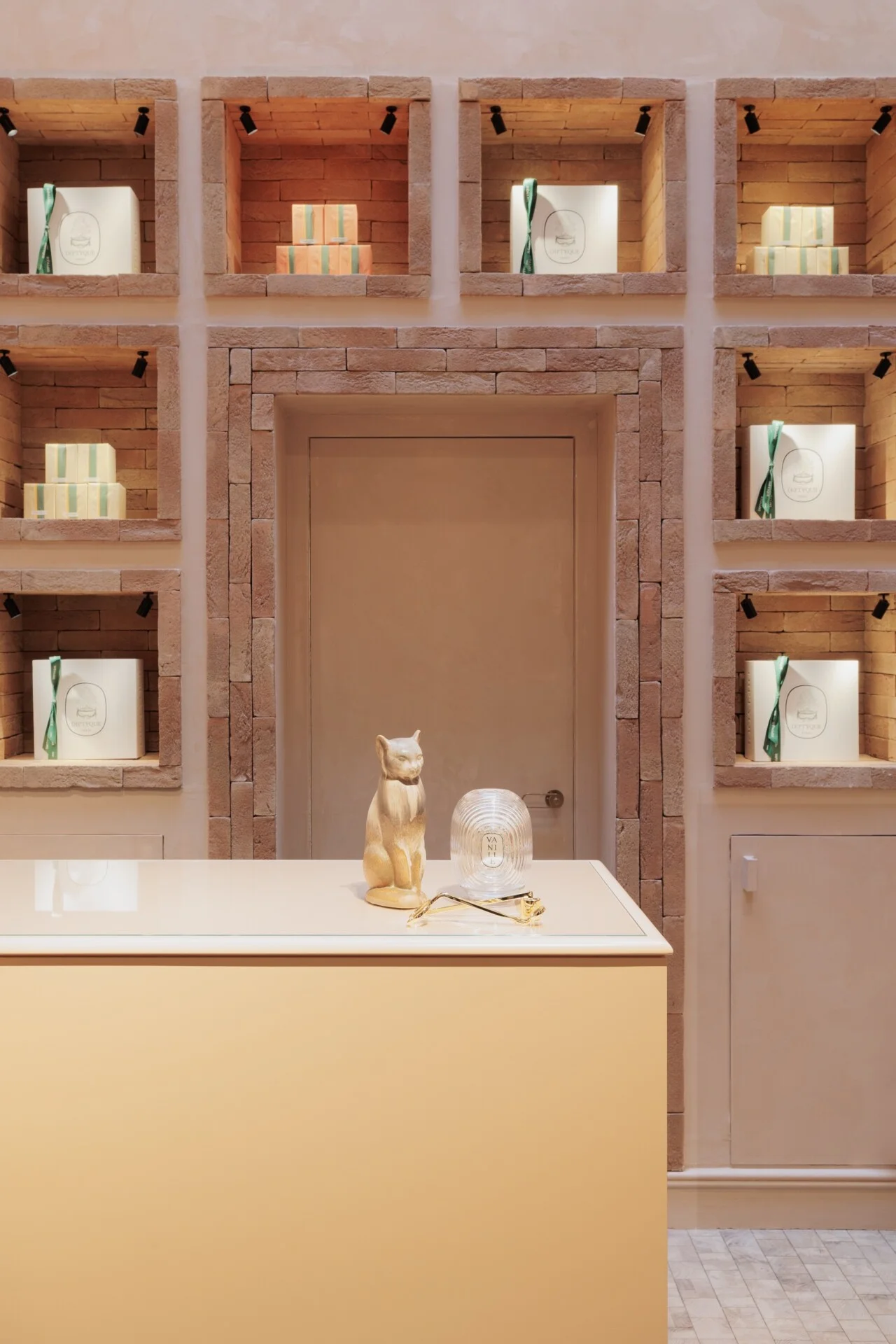
Wood Floor Direction: Which Way Should Boards Run?
An expert guide on choosing the optimal wood floor direction. Learn how natural light, entry axes, and room proportions dictate board layout.