
Wood Flooring Trends: The Shift to Warmth, Texture, and Scale
How warm tones, tactile finishes, and bold formats are redefining modern interiors.
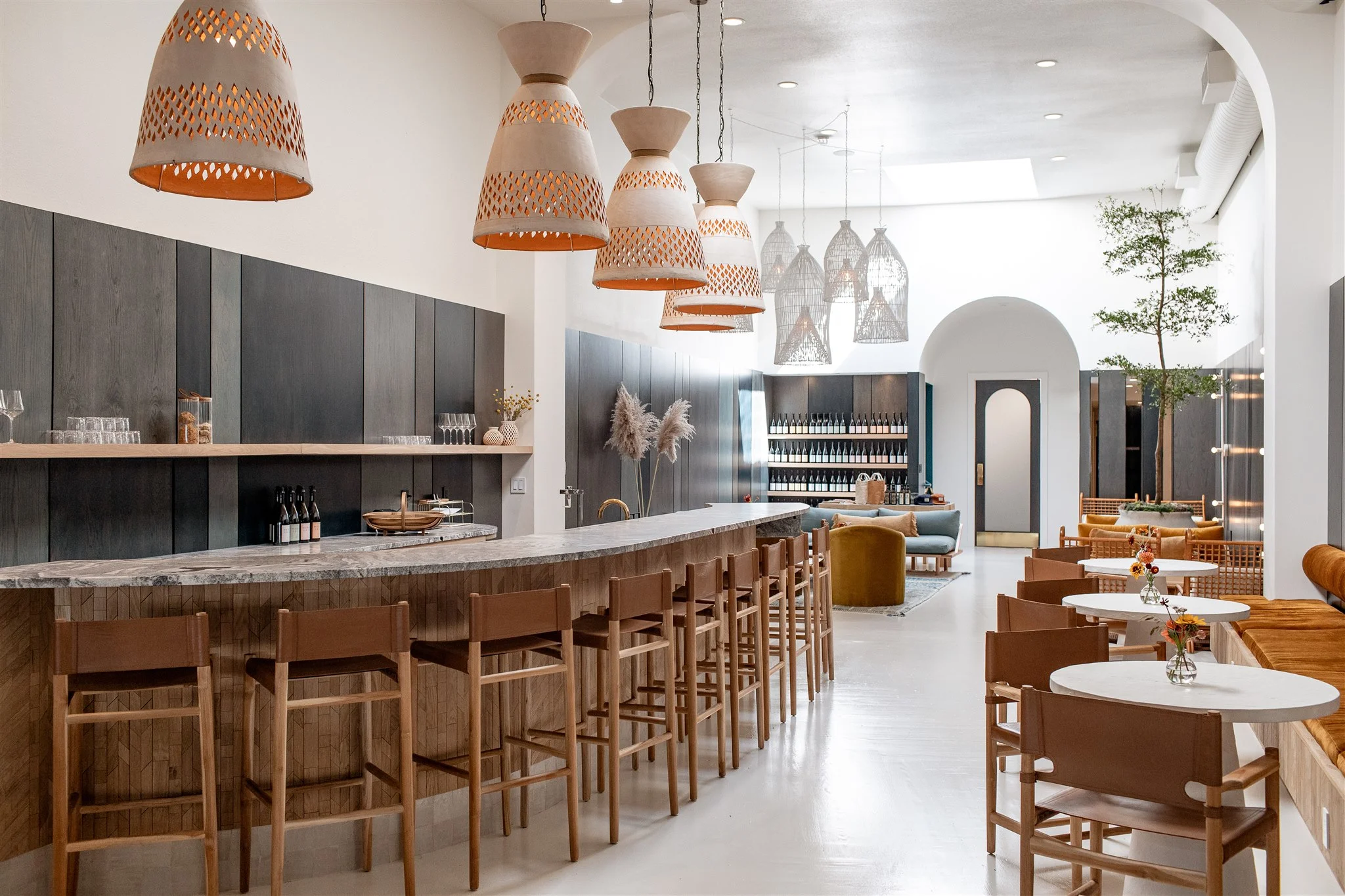
Current wood flooring trends point decisively toward warm minimalism and material honesty. Interior designers are replacing cool grays and clinical whitewashes with warm, sun-washed ambers, ultra-matte raw textures, and oversized architectural patterns like large-format chevrons and tactile end-grain blocks.
- Warm, organic tones like honey, caramel, and rich amber are replacing cool gray and stark white palettes.
- Tactile, low-sheen finishes dominate, utilizing invisible penetrative oils that preserve the raw, naked look of the timber.
- Oversized formats—including extra-wide planks, variable widths, and large-scale parquet—are being used to anchor spacious modern rooms.
- End-grain flooring has emerged as a major design movement, celebrated for its durability and distinct, circular growth-ring patterns.
What are the dominant wood flooring trends?
The dominant wood flooring trends emphasize warm minimalism, biophilic design, and material honesty. Modern interiors are prioritizing flooring that feels deeply connected to the natural world, focusing on low-luster finishes, warm mid-tones, and expressive grain patterns that serve as the foundational anchor of a space.
This design movement represents a clear departure from the clinical, sterile aesthetics that characterized much of the early 2000s. Today, homeowners and architects view the floor not merely as a practical surface, but as a key medium for introducing warmth and organic beauty. This philosophy aligns with the principles of Wabi-Sabi, which celebrate natural imperfections—such as subtle knots, mineral streaks, and raw grain variations—over uniform, synthetic perfection.
Architects are increasingly treating wood as the hero material of the home. This integration of raw timber surfaces with clean, minimalist lines creates spaces that feel both highly refined and comforting. Whether applied to expansive open-plan living zones or intimate bedrooms, the focus remains on selecting materials that tell a story of origin, craftsmanship, and ecological connection.
Which wood floor colors are replacing cool grays?
Wood floor colors are shifting away from cool grays and stark, bleached whites toward warm, golden blonde, honey, and rich caramel tones. These sun-washed hues bring an inviting, organic energy into interiors, while deep, espresso-veined walnut and smoked oak tones provide a high-contrast alternative for dramatic, luxury environments.
The decline of cool gray palettes is one of the most significant shifts in contemporary interior design. Designers are finding that warmer tones reflect natural light more beautifully, creating an atmosphere of cozy sophistication. Soft honey and toasted amber shades harmonize effortlessly with other natural materials like travertine, linen, and brushed brass.
For those seeking a bolder aesthetic, deep smoked finishes are gaining significant ground. Unlike surface stains, which can look flat and obscure the wood's natural grain, smoking techniques darken the timber through its entire depth. This process yields a complex, multi-tonal spectrum of dark browns and charcoal blacks that adds incredible visual weight and luxury to a room.
Explore these evolving tone and texture preferences in the comparison below:
| Design Element | Outdated Trend | Emerging Trend (Warm Minimalism) |
|---|---|---|
| Color Palette | Cool grays, clinical whitewashes, yellow-pines | Honey blonde, toasted caramel, smoked charcoal, amber |
| Surface Sheen | High-gloss, semi-gloss lacquers | Zero-sheen, ultra-matte, invisible penetrating oils |
| Format Scale | Standard narrow planks (3 to 5 inches) | Oversized wide planks (7 to 10 inches), mixed widths |
| Texture | Perfectly smooth, heavily sanded | Brushed, wire-textured, tactile end-grain rings |
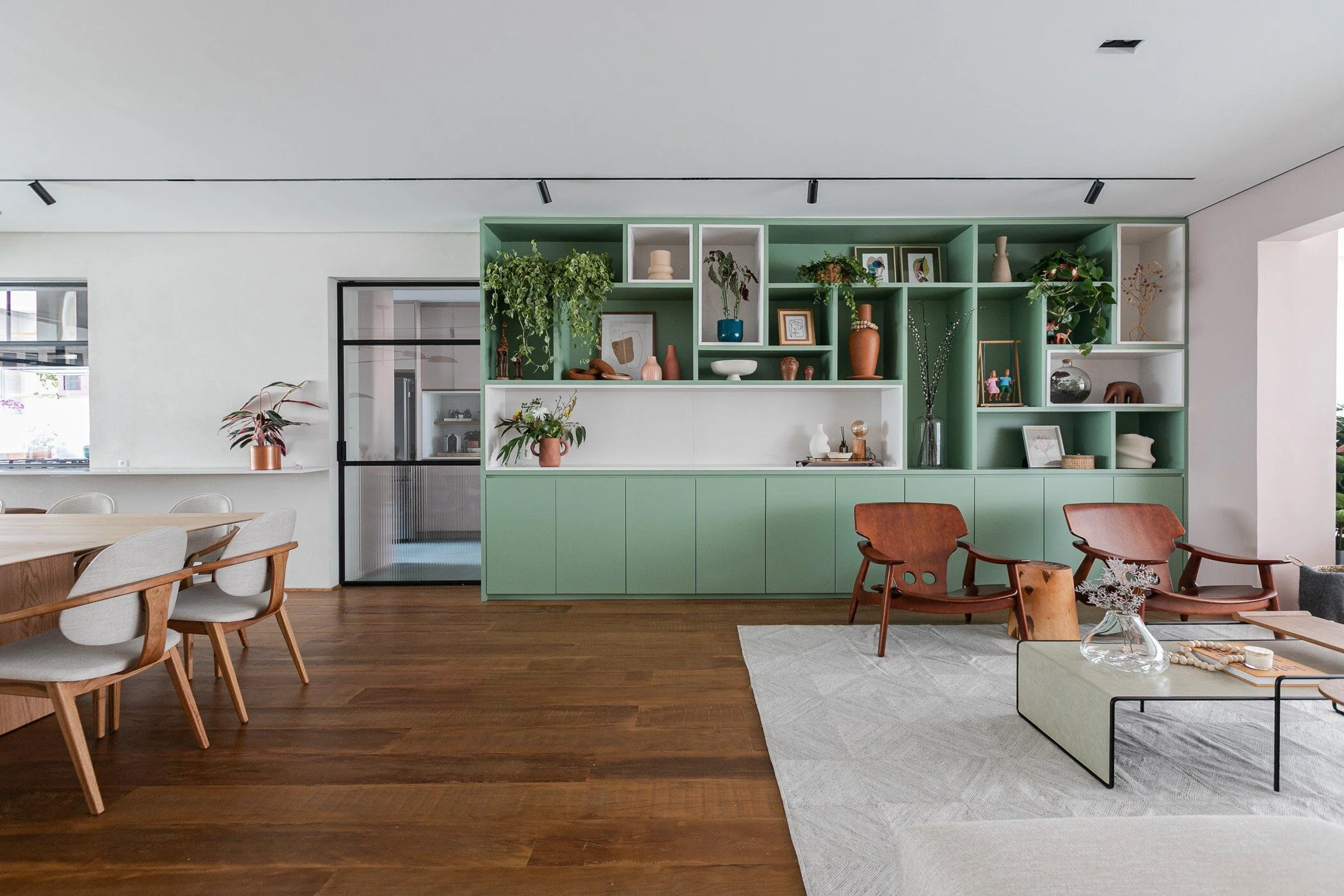
How are plank widths and parquet formats changing?
Plank widths and parquet formats are expanding to unprecedented scales, with single boards regularly reaching widths of 7 to 10 inches. Designers are also embracing variable-width layouts and oversized herringbone patterns to introduce architectural rhythm and reference the historic grandeur of traditional European estates.
Using extra-wide planks is an effective way to make a space feel larger and more cohesive. Wider boards mean fewer seams, which minimizes visual clutter and allows the natural beauty of the timber's grain to run uninterrupted down the length of the room. This technique is particularly popular in open-concept residential layouts and grand hotel lobbies.
In addition to wide planks, the trend of mixing variable widths (such as combining 5-inch, 7-inch, and 9-inch boards in the same installation) is experiencing a major revival. This method replicates the historic flooring installations of historic European manors, where carpenters utilized every part of the log to minimize waste, resulting in a floor with rich character and authentic charm.
Why is end-grain flooring gaining popularity in luxury interiors?
End-grain flooring is gaining immense popularity because it exposes the cross-section of the log, showcasing the tree's natural annual growth rings. This format offers incredible Janka hardness durability and a highly tactile, velvet-like texture underfoot, making it a favorite for high-traffic residential and commercial spaces.
Unlike traditional flat-grain planks, which are cut along the length of the trunk, end-grain blocks are cut horizontally across the tree. This means the vertical wood fibers face upward, absorbing impact and sound much more efficiently. Historically, this extreme durability led nineteenth-century cities to pave their busiest streets in oak blocks to withstand the heavy weight of carriages.
Today, end-grain is celebrated as a peak expression of material honesty. The organic geometry of the growth rings shimmers subtly under natural light, creating a quiet, three-dimensional depth that traditional planks cannot replicate. It functions as a textured tapestry, bringing an acoustic calm and visual grounding to modern architectural projects.
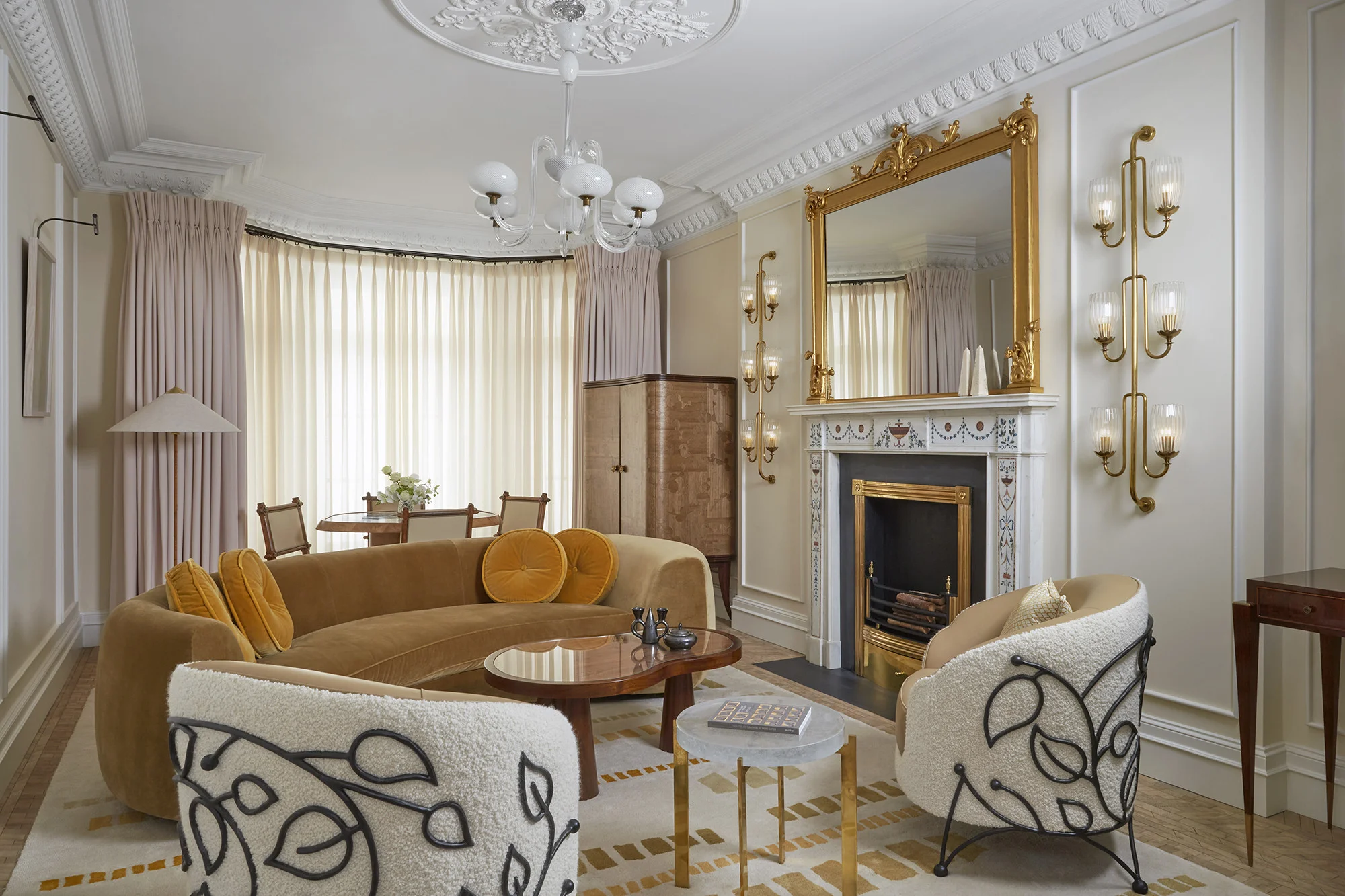
Which wood flooring finishes offer the most natural appearance?
The most natural wood flooring finishes are invisible, ultra-matte penetrating oils and water-based lacquers with zero sheen. These advanced formulations protect the wood fibers from within without leaving a plastic-like surface film, keeping the timber looking completely raw, untreated, and naked.
In the past, protecting a wood floor meant sealing it under a thick, reflective layer of polyurethane. However, modern luxury interiors demand finishes that preserve the raw, tactile texture of the wood grain. Invisible finishes achieve this by utilizing non-yellowing oils that penetrate deep into the pores, sealing the timber while maintaining a low-luster, velvet touch underfoot.
These matte finishes are not only aesthetically superior but also highly practical. They diffuse incoming natural light softly, preventing the harsh glare associated with high-gloss surfaces. Furthermore, because they do not form a hard surface shell, minor scratches and wear blend naturally into the wood's patina over time, making maintenance far simpler than with traditional high-shine lacquers.
How do contemporary designers style raw wood flooring?
Contemporary designers style raw wood flooring by pairing its organic texture with mineral plaster walls, soft linen textiles, and natural stone. This deliberate juxtaposition of raw timber and refined materials creates a balanced, multi-dimensional aesthetic that defines the warm minimalist movement.
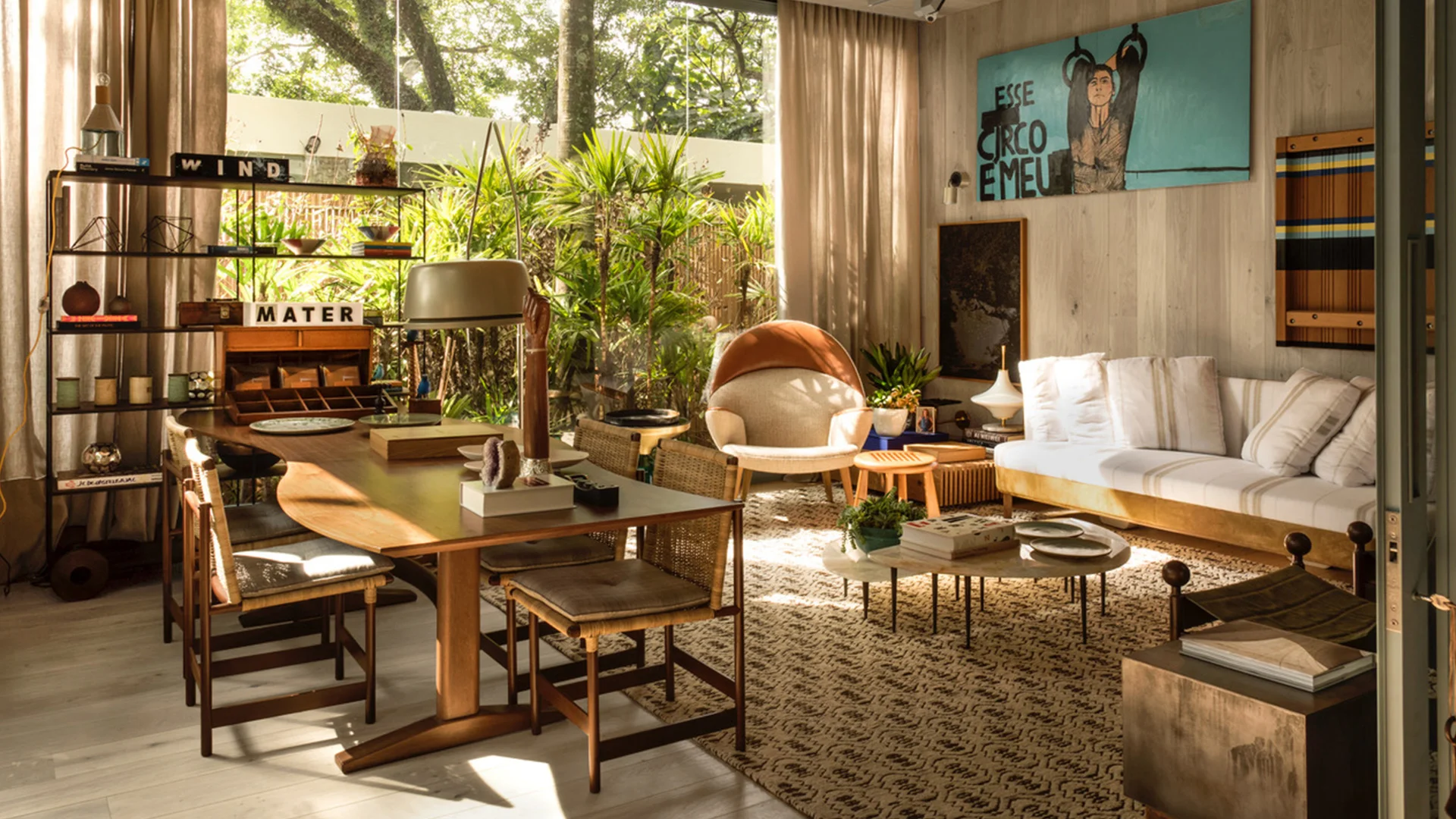
By grounding a room with a highly textured, natural wood floor, designers can keep the rest of the interior clean and minimal without it feeling cold or stark. For instance, the renowned architect Sofie Christiaens frequently utilizes raw, honest oak flooring in Belgian residential projects to establish serene, light-filled sanctuaries of calm. Similarly, projects like the Sete Apartment in São Paulo demonstrate how pairing warm engineered oak floors with matching wooden ceilings creates a beautifully integrated, biophilic living space.
When styling these spaces, the key is restraint. Rather than cluttering the floor with heavy rugs or excessive furniture, designers let the grain, format, and texture of the wood serve as the primary artwork of the room, allowing the natural geometry of the floor to guide the eye and define the space's flow.
Frequently Asked Questions
Are ultra-matte wood finishes durable enough for high-traffic areas?
Yes, modern ultra-matte finishes and penetrating oils are exceptionally durable. Because they protect the wood fibers from within rather than sitting on the surface as a plastic film, they do not show scratches or traffic wear patterns nearly as easily as traditional high-gloss lacquers.
What is the difference between chevron and herringbone parquet?
The difference lies in how the boards are cut and met. Chevron boards are cut at an angle (usually 45 or 60 degrees) and meet in a sharp, continuous point, creating a V-shaped pattern. Herringbone boards are cut in standard rectangles and laid at a 90-degree angle to one another, creating a stepped, overlapping pattern.
Is end-grain flooring suitable for residential spaces?
End-grain flooring is highly suitable for residential spaces, offering excellent acoustic dampening, a unique tactile texture underfoot, and extreme durability. Its natural pattern of growth rings adds a warm, organic character to entryways, living rooms, and primary suites.
How does biophilic design influence wood flooring choices?
Biophilic design encourages a direct connection to nature, which translates to a preference for minimally processed wood floors. This includes choosing raw-look matte finishes, warm earth-toned colors, and tactile textures that celebrate the wood's natural knots, grain variations, and growth rings.
More from the Atelier
Modern Versailles Parquet & Marqueterie Trends
Discover how historic French marqueterie and Versailles parquet panels are being reinterpreted for modern commercial and residential interiors.
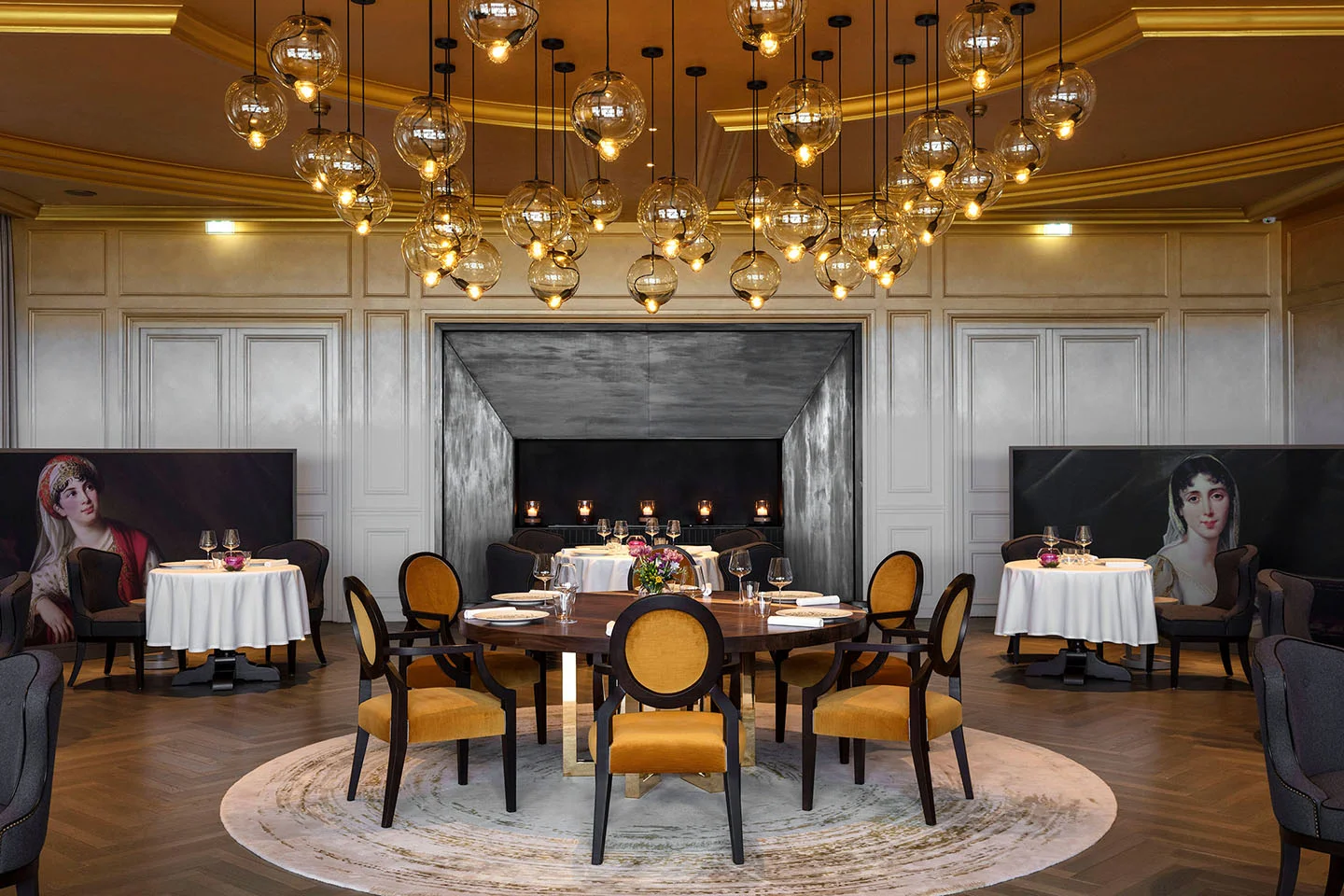
The Texture Pairing Playbook: Wood with Linen, Stone and Brass
Discover the art of balancing wood, linen, stone, and brass. This design-led guide explores how to combine these raw materials for a timeless interior.
Wood Floor Direction: Which Way Should Boards Run?
An expert guide on choosing the optimal wood floor direction. Learn how natural light, entry axes, and room proportions dictate board layout.