
Bog Oak: The Ancient Blackened Wood Buried for Millennia
Discover the chemistry, rarity, and quiet luxury of morta wood forged by deep time.
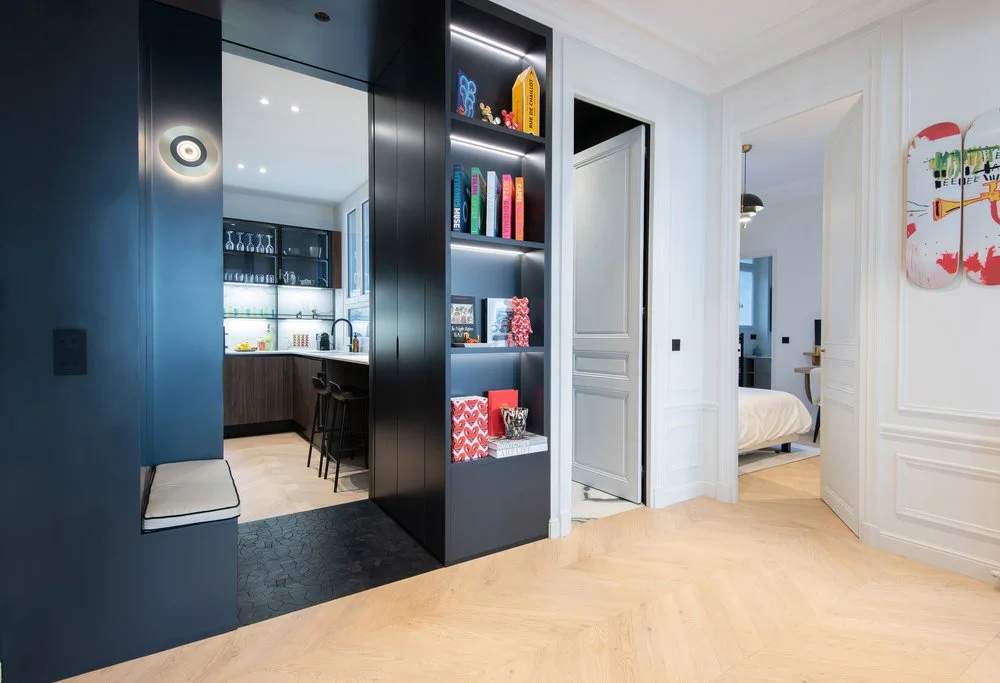
Bog oak is an ultra-rare, semi-fossilised timber salvaged from the oxygen-deprived depths of peat bogs, swamps, and riverbeds, where it has lain preserved for thousands of years. This extraordinary material, also known as morta wood, represents a physical bridge to prehistoric landscapes, holding a rich history that pre-dates the modern era. Highly prized by architects and designers, it serves as the ultimate expression of natural luxury and sustainable material drama.
- Anaerobic Preservation: Bog oak is preserved for millennia in oxygen-free environments, preventing decay while allowing the wood to slowly petrify.
- The Subterranean Alchemy: A natural chemical reaction between the wood's inherent tannins and iron salts in the bog water gives the timber its iconic dark hue.
- Ethical Luxury: Salvaged from historic land layers, it provides a highly sustainable, conflict-free alternative to endangered tropical hardwoods like ebony.
- Exquisite Density: The mineral saturation over thousands of years makes bog oak exceptionally hard, stable, and naturally resistant to decay.
What is bog oak and how is it formed?
Bog oak, also known as morta wood, is an ancient timber formed when fallen oak trees become submerged in acidic peat bogs or riverbeds, preserved from decay in an oxygen-free (anaerobic) environment. Over thousands of years, the wood undergoes a chemical transition as natural tannins react with iron salts in the water. This slow process, which can take anywhere from 3,000 to over 5,000 years, semi-fossilises the wood, altering its cellular structure and dramatically increasing its density.
When massive oak forests covered the lowland river valleys of Europe, changing climates and rising sea levels caused many of these giant trees to fall directly into waterlogged marshes. Deprived of oxygen, the microorganisms that typically decompose wood could not survive. Instead of rotting, the submerged timber began to absorb surrounding minerals, particularly iron. This chemical reaction of morta wood binds the minerals directly to the oak’s structure, transforming the organic wood into a highly stable, stone-like substance over prehistoric timescales.
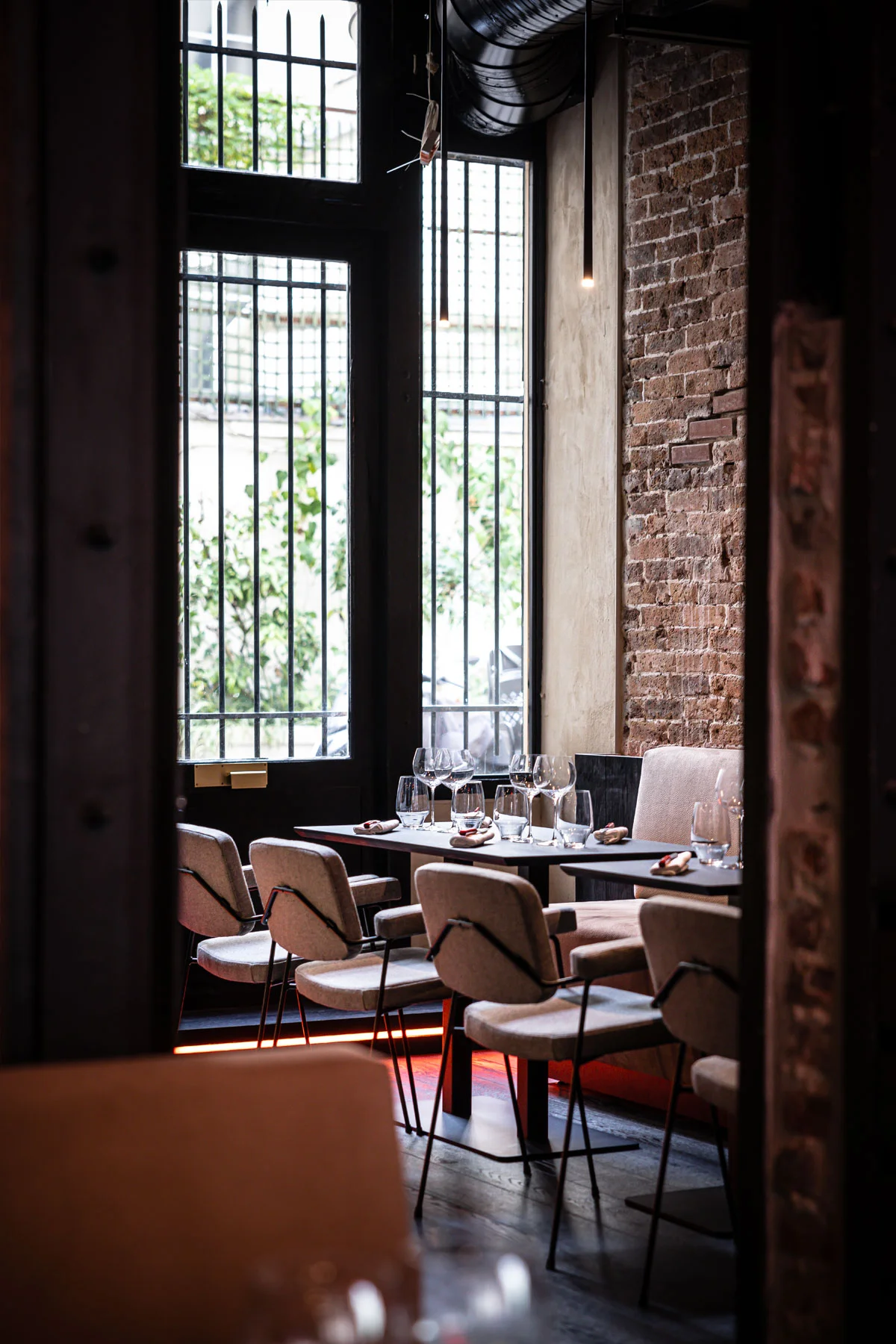
Why does ancient black oak turn a deep black colour?
Ancient black oak turns its signature dark colour due to a prolonged chemical reaction between the timber's tannic acid and dissolved iron minerals in waterlogged peat. This process gradually saturates the wood from the outside in, shifting the natural pale oak to rich shades of charcoal, silver-grey, and deep, ink-like obsidian. The older the wood is, the darker and more saturated the colour becomes through the entire thickness of the log.
Because this coloration is the result of a chemical bond rather than a surface stain, the dark hue is present throughout the entire grain of the timber. A log buried for 2,000 years may display a warm, dark brown or copper-grey tone, whereas a log that has rested in a bog for 5,000 years will often be completely jet-black. When milled, these ancient timbers reveal subtle, shimmering mineral veins under direct light, creating a depth of tone that artificial stains and chemical dyes simply cannot replicate.
The Gradual Tonal Shift of Morta Wood Over Millennia
The transformation of bog oak is a slow gradient of colour and physical density. The table below illustrates how the passage of time alters both the aesthetic and physical attributes of the timber during its long preservation:
| Age of Timber (Years) | Tonal Spectrum | Physical Characteristics | Design Application |
|---|---|---|---|
| 1,000 – 2,000 | Warm bronze, copper-brown, deep taupe | Medium density, retains classic oak elasticity | Fine furniture, architectural millwork |
| 2,000 – 4,000 | Deep charcoal, slate grey, soft black | High density, cool to the touch, mineralised | Luxury wall panelling, premium flooring |
| 5,000+ | Ink-black, obsidian, velvet-matte black | Extremely dense, stone-like feel, heavy | Bespoke masterworks, limited-edition art objects |
How is 5000 year old oak extracted and dried?
Extracting 5,000-year-old oak requires delicate excavation to salvage the water-saturated logs from deep peat layers without fracturing them. Once unearthed, the timber must undergo a highly controlled, years-long drying process to slowly evaporate internal moisture and prevent severe warping or splitting. Because the wood has been waterlogged for millennia, its moisture content can exceed 100% of its dry weight.
The extraction of bog oak is often a race against time, typically occurring in agricultural lands or fens during dry seasons when water tables are low. When the logs are first lifted, they are soft and highly vulnerable to rapid drying. If exposed to direct sunlight or dry air immediately, the sudden evaporation causes the wood fibres to shrink rapidly, tearing the timber apart. Master craftspeople and specialist sawmills employ slow, passive air-drying techniques, often followed by precise, low-temperature kiln drying over several years, to stabilize the material before it can be cut into architectural elements or flooring.
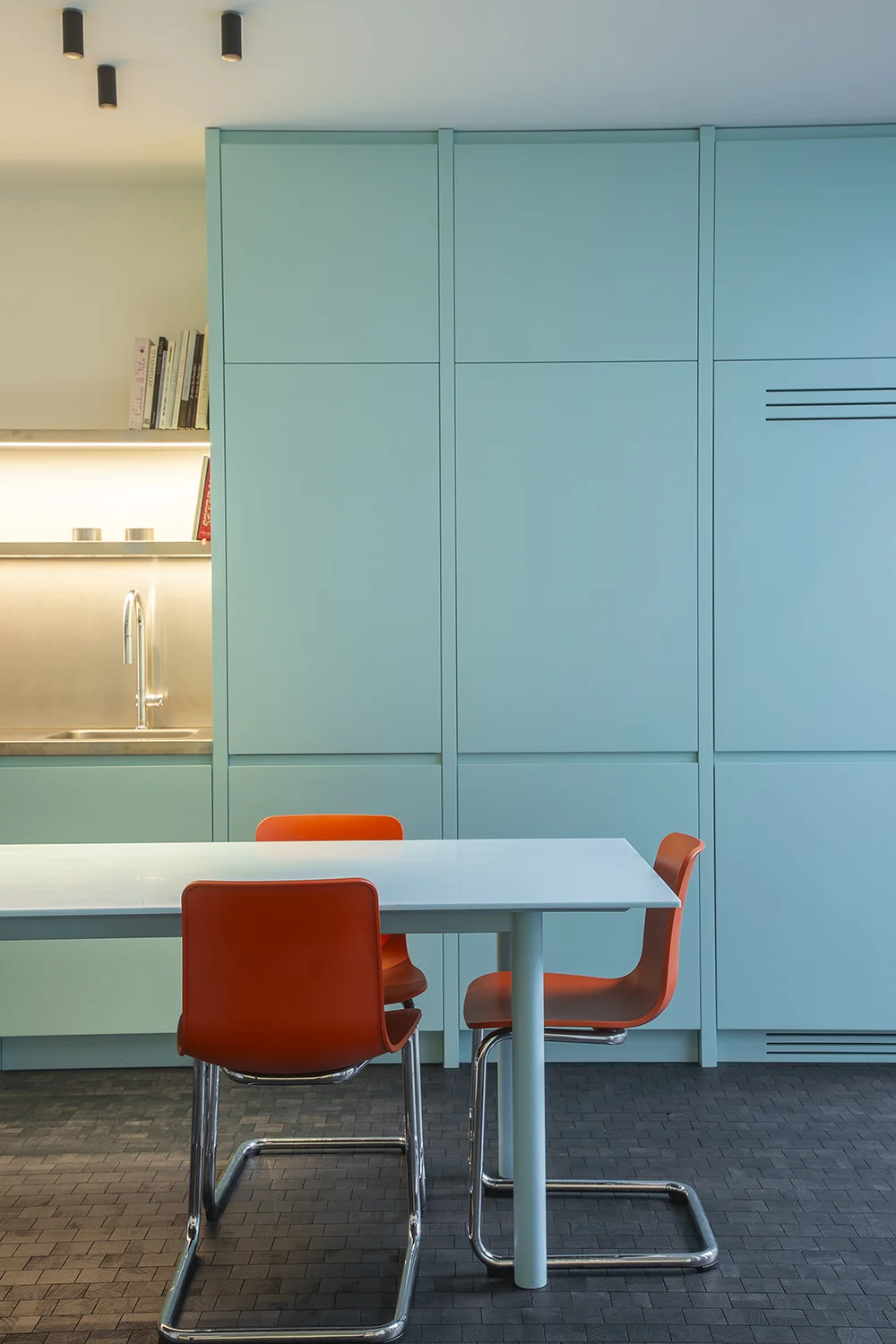
What is the significance of the Fenland Black Oak Table?
The Fenland Black Oak Table is a monumental design achievement that transformed a massive, 5,000-year-old fossilised black oak log found in Ely, Cambridgeshire, into a spectacular 13-metre-long public masterpiece. Led by cabinetmaker Hamish Low and designer Mauro Dell'Orco, the project highlighted the preservation of ancient materials through exceptional craftsmanship. This masterwork stands as a testament to the immense patience required to work with bog oak.
Discovered in the East Anglian Fens in 2012, the giant sub-fossilised log required specialized transport, a custom-built drying kiln, and a decade of collaborative effort to dry and mill. The resulting table, completed in 2022, showcases the continuous, uninterrupted grain of a single tree that was growing when the Egyptian pyramids were under construction. The Fenland Black Oak Project has raised global awareness of bog oak as a cultural treasure and a symbol of ultimate sustainability, inspiring contemporary designers to preserve these ancient natural archives within the built environment.
How is bog oak used in contemporary luxury design?
In contemporary luxury design, bog oak is utilized as a highly exclusive, sustainable alternative to endangered tropical hardwoods like ebony for bespoke architectural elements. Its dramatic tonal depth and tactile density make it a favoured material for high-end wall panelling, bespoke furniture, and exceptional statement flooring. It perfectly aligns with the principles of Warm Minimalism and Biophilic Luxury, where designers seek materials with profound narrative weight.
Because true bog oak is extremely scarce, luxury brands and design houses reserve it for limited-run architectural collections. For instance, the appreciation for this rare wood has led to exquisite creations like the Fossile collection by OSCARONO Paris, which reimagines bog oak through the lens of traditional Parisian craftsmanship, offering end-grain surfaces cut from ancient, water-blackened timber. Whether used as a textured wall cladding by brands like Wonderwall Studios or integrated into high-end yacht interiors and gallery furniture, bog oak brings an irreplaceable sensory experience—cool to the touch, mineral-rich in scent, and visually absorbing light in a velvet-matte embrace.
Comparing Black Wood Surface Alternatives
For designers seeking a dramatic, dark aesthetic, several premium options exist. The table below compares authentic bog oak with other highly sought-after black wood surfaces used in high-end architecture:
| Material Option | Origin / Process | Aesthetic Appeal | Sustainability Profile | Tactile Feel |
|---|---|---|---|---|
| Authentic Bog Oak | Natural preservation in peat bogs over 3,000+ years. | Naturally deep charcoal to jet-black with subtle mineral veins. | Highly sustainable; salvaged ethically from ancient land layers. | Incredibly dense, stone-like, and cool to the touch. |
| Shou Sugi Ban (Charred Oak) | Controlled surface-burning of timber using traditional Japanese methods. | Deeply crackled, carbonised texture with varying levels of sheen. | Very high; utilizes sustainably grown European or American oaks. | Hardened, highly textured, and dry to the touch. |
| Stained Ebony / Exotic Hardwoods | Milling of rare tropical trees, often dyed to achieve uniform blackness. | Uniformly dark, dense, and fine-grained. | Low; associated with deforestation and ecological vulnerability. | Silky, dense, and naturally warm. |
Frequently Asked Questions About Bog Oak
Is bog oak the same as fossilised wood?
Bog oak is semi-fossilised wood, representing the very early stages of petrification. While it has absorbed high levels of iron and minerals from the bog environment, making it incredibly hard and dense, it still retains its organic wood structure, allowing it to be milled, planed, and crafted into functional architectural elements.
Is bog oak a sustainable choice for interiors?
Yes, bog oak is one of the most sustainable luxury woods available. Since it is salvaged from agricultural land, peat bogs, or riverbeds where it fell naturally thousands of years ago, its extraction does not contribute to modern deforestation, making it an ethical alternative to endangered tropical hardwoods.
How do you maintain a bog oak surface?
Maintaining a bog oak surface involves protecting its natural, mineral-rich finish from harsh chemicals and excessive dry air. Regular cleaning with specialized, pH-neutral wood soaps and occasional nourishment with natural oils or waxes will keep the surface stable, preserving its deep, velvety charcoal-black lustre for generations.
More from the Atelier
Calm Bedroom Design: How Wood Floors Create Restful Interiors
Learn how natural wood bedroom floors, acoustic balancing, and soft timber textures combine to transform your bedroom into a quiet, restorative sanctuary.
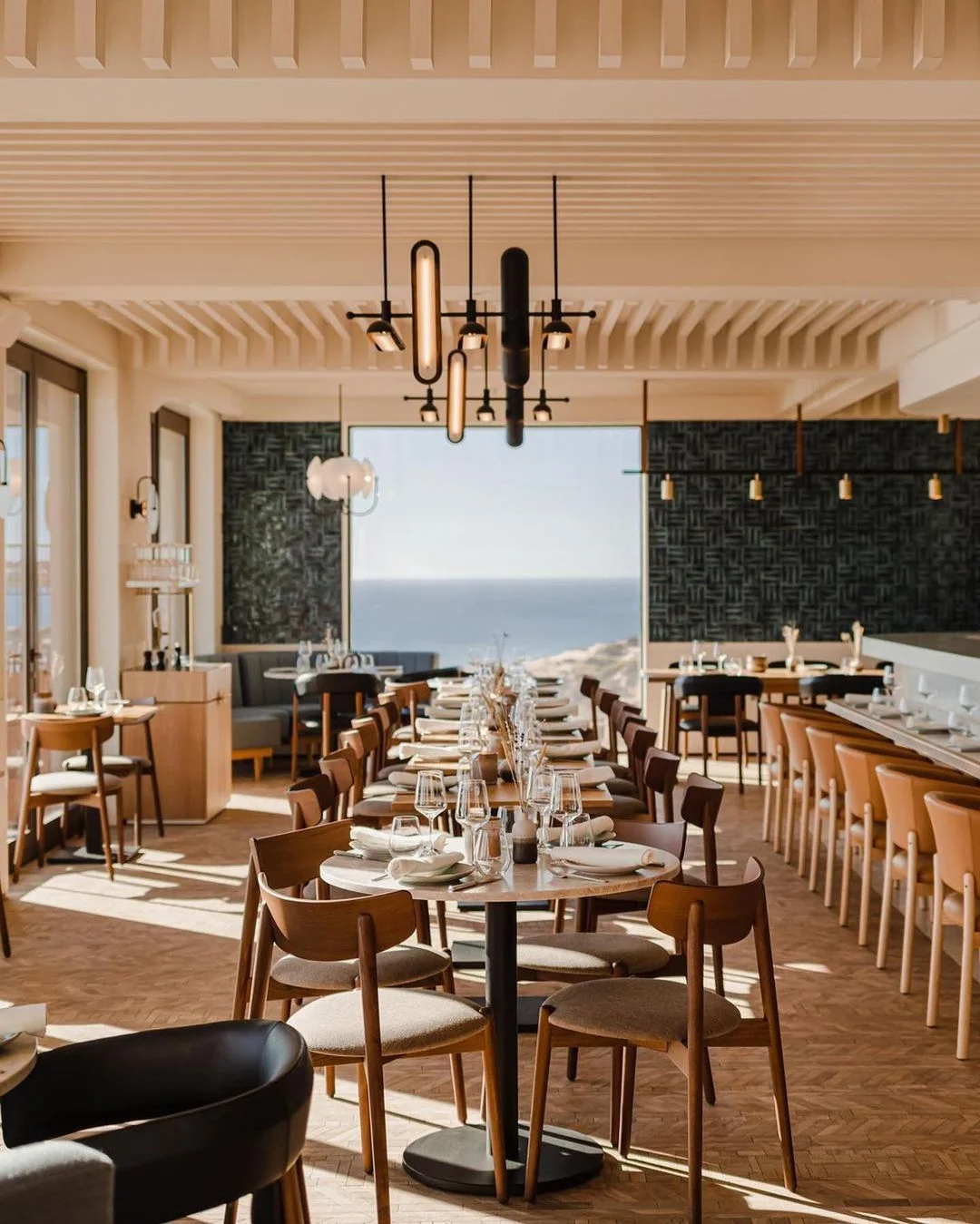
Summer Light & Organic Grids: Coastal Sanctuaries
Discover how the raw, organic grids of end-grain wood and pale timber tones ground bright, modern seaside properties into peaceful sensory retreats.
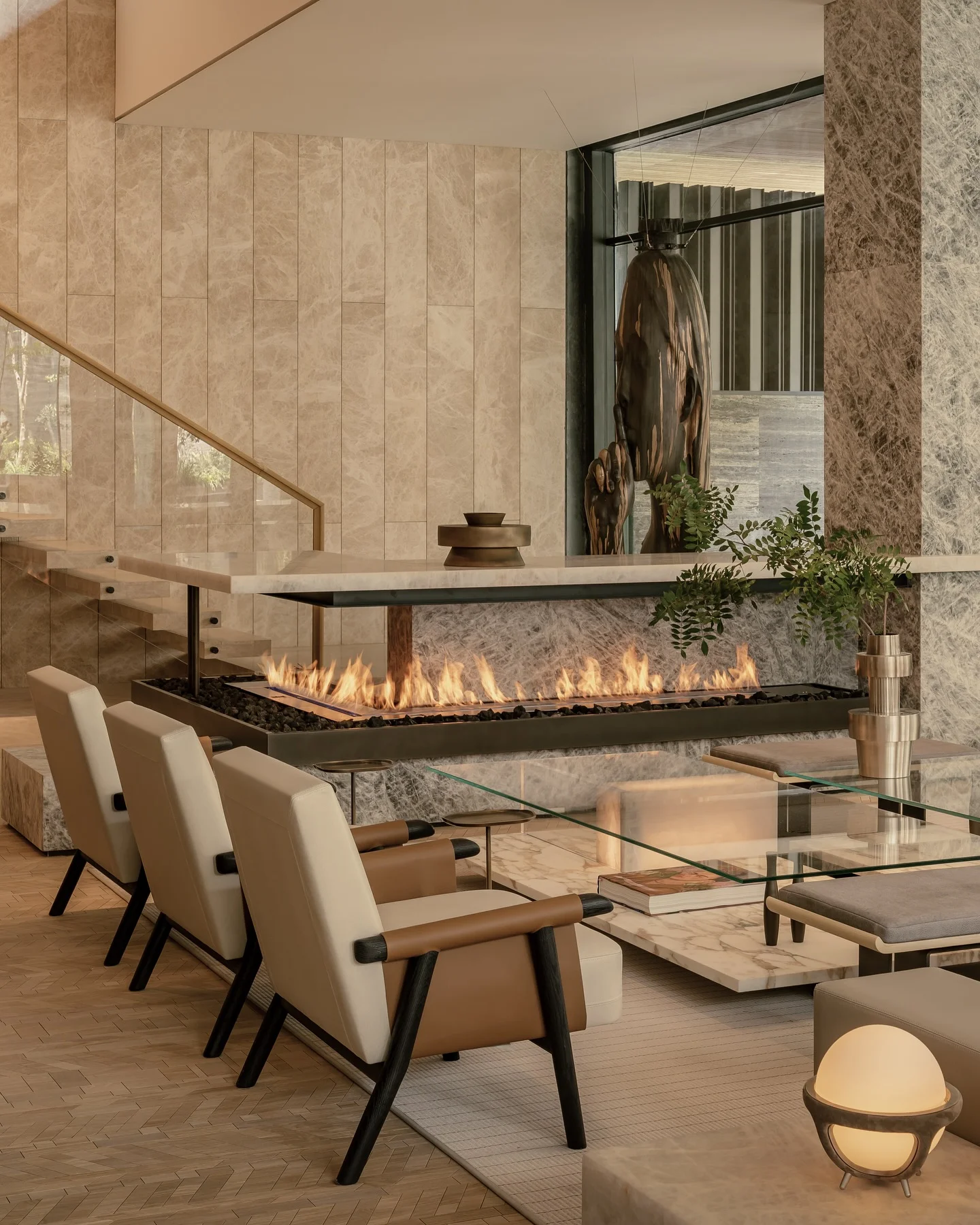
Minimalism and Wood: Doing More with Less Material in Design
Discover how warm minimalism replaces stark white spaces with tactile timber. Learn how a monomaterial approach creates serene, acoustically quiet luxury.