
How to Prevent Fading on Hardwood Floors: Design Guide
Balancing solar daylighting, architectural envelopes, and natural wood patina.
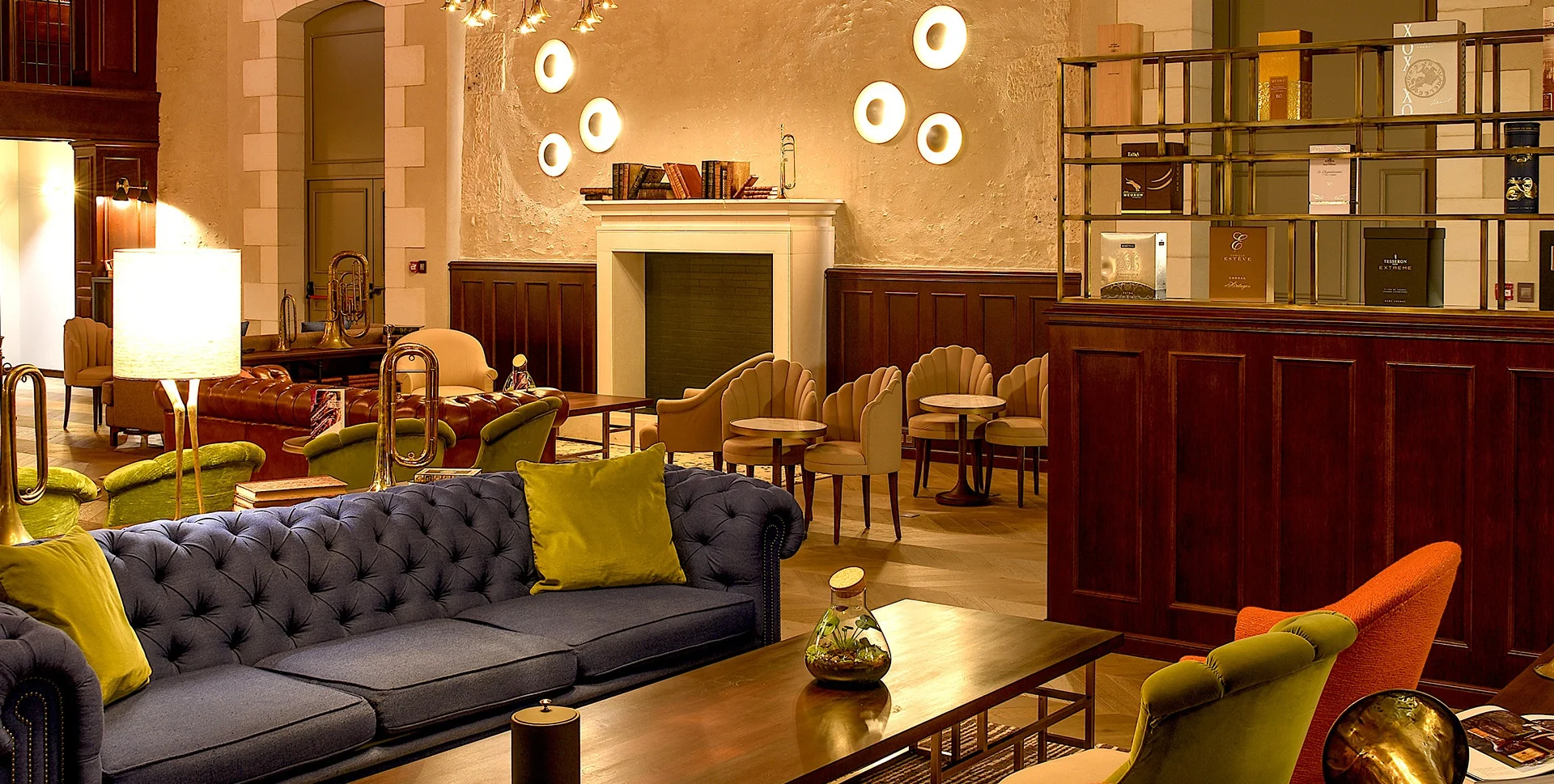
To prevent fading hardwood floors, design teams must address solar radiation at the building envelope before sunlight strikes the timber surface. Unfiltered ultraviolet rays, visible light, and infrared heat break down wood compounds, causing uneven discoloration and surface drying. Through spectrally selective architectural glazing, thoughtful spatial orientation, and stable finishes, specifiers can guide natural daylight while protecting the long-term beauty of the floor.
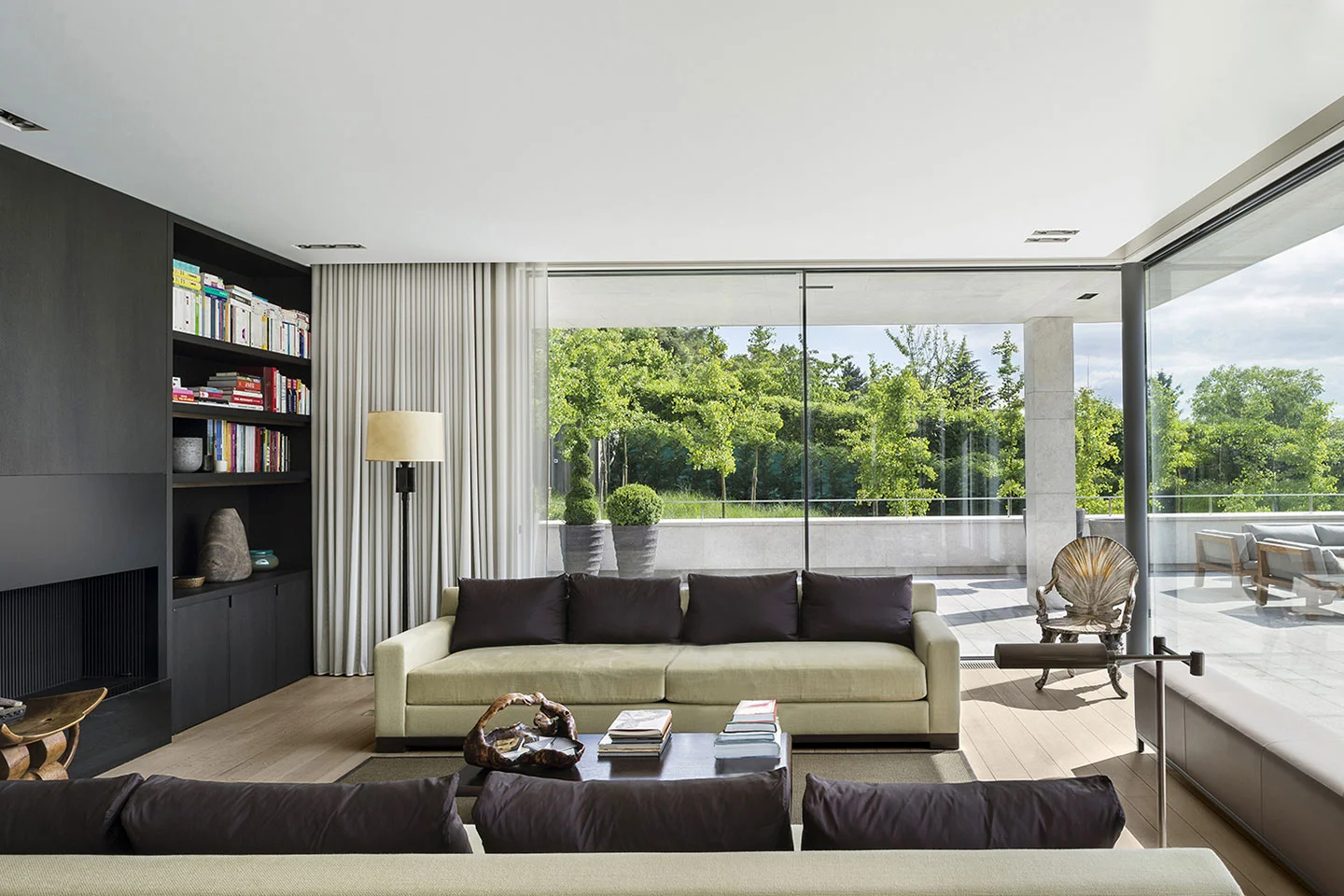
Sunlight is an essential component of architecture, shaping how materials read across the day. When direct sun exposure is left unmanaged, the organic chemistry of timber responds rapidly. Understanding how light interacts with natural wood enables architects and homeowners to preserve interior finishes while allowing the floor to mature gracefully.
Why does solar radiation cause wood floor sun damage?
Wood floor sun damage occurs through photochemical reactions driven by ultraviolet light, high-energy visible light, and solar heat. Ultraviolet radiation breaks down lignin, the organic polymer that bonds cellulose fibers together in timber cells. As lignin degrades, wood extractives alter chemically, leading to color shifts, loss of surface luster, and accelerated surface drying.
Different wavelengths affect wood in distinct ways. Ultraviolet radiation represents a primary catalyst for color changes, but visible daylight accounts for substantial chromatic alteration over prolonged exposure. Infrared radiation introduces heat, which drives moisture out of surface cells, causing micro-checking and joint stress along sun-drenched thresholds. A comprehensive solar defense must therefore address the entire solar spectrum rather than focusing solely on ultraviolet rays.
How can architects prevent fading hardwood floors through building design?
Architects prevent fading hardwood floors by integrating passive solar controls directly into the building envelope. High-performance low-emissivity glazing, spectrally selective glass coatings, and laminated interlayers block the vast majority of ultraviolet radiation before it enters the interior volume. Specifying glass with an appropriate solar heat gain coefficient also reduces thermal stress on timber assemblies near floor-to-ceiling openings.
Exterior shading devices provide an effective first line of defense. Deep roof overhangs, exterior brise-soleil, louvers, and motorized awnings intercept harsh summer sun while admitting diffuse, indirect daylight. Within the interior envelope, automated sheer drapery, solar screens, and recessed roller blinds can modulate peak afternoon light without eliminating outdoor views.
In renovations where replacement of exterior fenestration is impractical, retrofitted museum-grade architectural window films provide an unobtrusive intervention. Applied directly to existing glass panes, clear ceramic or spectrally selective films dramatically reduce ultraviolet transmission while preserving light levels and optical clarity.
What is the difference between sun bleaching and natural wood patina?
Natural wood patina is the gradual, balanced oxidation of timber fibers as wood matures under ambient light and air. In European oak, this transformation brings a subtle mellowing of tone, revealing the depth of the annual growth rings and enriching the surface character. Patina is an intrinsic, noble quality of natural material, as detailed in our discussion of wood floor patina and natural aging.
Sun bleaching, by contrast, represents acute, destructive degradation. Localized sun bleaching occurs when intense, unshaded rays break down cell walls and bleach extractives, turning rich tones dry, ashen, or yellowish. The distinction lies in balance: diffuse ambient light produces an even patina across a room, whereas intense direct sunlight through untreated glass produces stark demarcation lines and brittle surface fibers.
Which floor finishes and constructions resist solar degradation?
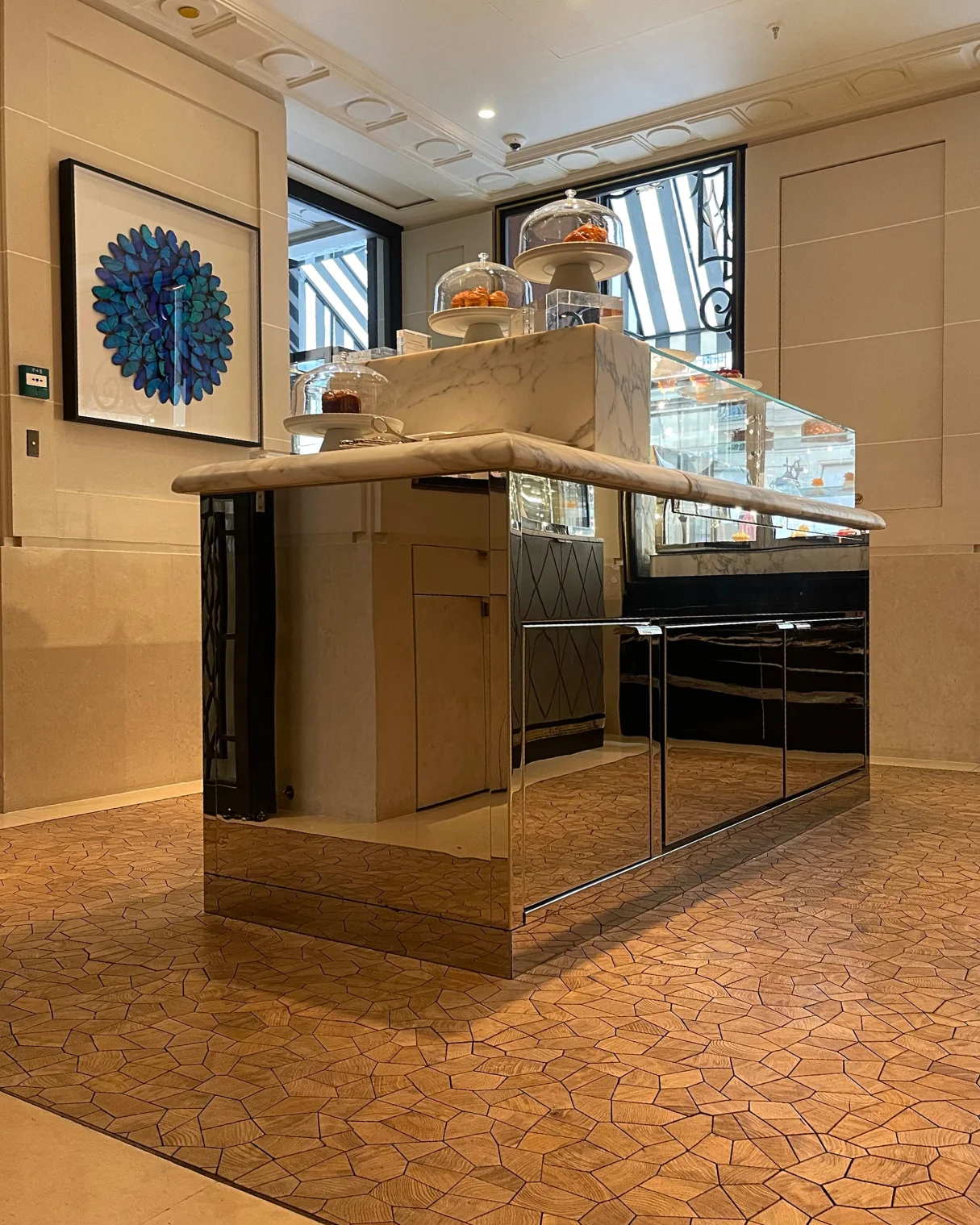
A floor finish dictates how a wood surface responds to daylight and whether maintenance can remediate solar wear. Factory-applied multi-coat lacquers seal the wood surface beneath an invisible, protective shield, shielding oak fibers from direct environmental abrasion and dirt buildup. For flatgrain planks, durable lacquered finishes provide consistent performance across high-traffic residential and commercial settings.
The underlying coloring method also plays a decisive role in long-term light stability. Surface stains remain prone to noticeable color loss when their surface pigment fades under sun exposure. By contrast, core-smoking deepens the natural tannins throughout the full thickness of the oak. As explored in our guide on smoked oak flooring and sun exposure, wood colored through its full depth maintains chromatic consistency even as the surface ages.
| Protection Strategy | Mechanism | Primary Benefit | Application Stage |
|---|---|---|---|
| Spectrally selective glazing | Low-E coatings and laminated interlayers | Blocks ultraviolet spectrum and reduces infrared heat | Envelope design and specification |
| Architectural solar shading | Louvers, overhangs, and automated sheers | Diffuses direct beam radiation during peak solar angles | Envelope and interior planning |
| Full-depth core smoking | Tannin reaction throughout timber thickness | Ensures color consistency beneath surface fibers | Material selection |
| Protective lacquer systems | Durable factory-applied topcoats | Seals timber face against moisture loss and surface wear | Material selection |
| Interior rotation routines | Periodic movement of rugs and furnishings | Ensures balanced daylight exposure across the floor | Post-occupancy care |
How should an interior layout be managed under direct sun exposure?
Interior planning must anticipate how sunlight travels across living areas throughout the seasons. Placing heavy, opaque area rugs directly adjacent to south-facing glazed openings creates high-contrast silhouettes. The covered timber remains shielded from light, while surrounding boards begin their natural ambient oxidation, creating visible rug marks when furniture shifts.
During the first year of occupancy, specifiers should recommend delaying the placement of dense area rugs or routinely shifting layout arrangements. Allowing the entire floor surface to receive ambient illumination promotes a uniform tone. Routine care should focus on dust removal with soft, dry brooms or specialized vacuums, keeping grit from abrading the factory finish under bright lighting conditions.
How does OscarOno Paris approach sunlight and aging?
OscarOno Paris creates architectural oak and teak surfaces engineered to age with quiet integrity. The straight-laid plank collection Droit offers flatgrain European oak in select grade, built with a 12 mm base and a 4 mm top layer, available in widths of 150 mm or 190 mm. Finished in twelve lacquered colors, Droit holds Usage class 33 certification for heavy commercial traffic, a Cfl-s1 fire rating, and FSC and PEFC certification, as seen in projects like Beach Front Penthouse in Tel Aviv and Villa Cologny in Switzerland.
For spaces where sunlight demands exceptional depth and stability, OscarOno Paris endgrain collections provide remarkable resistance to surface wear. The signature Opus collection arranges endgrain oak with ring patterns facing upward, featuring a 12 mm birch plywood backing and an 8 mm oak top layer. Available in Natural, full-depth Smoke, and charred Black, Opus delivers Usage class 34 durability for very heavy commercial traffic. The Forêt collection provides the same 12 mm birch plywood and 8 mm oak top layer architecture, offering architects six planks and six patterns to compose enduring surfaces in hospitality and retail destinations worldwide.
To explore finishes and technical specifications for your next interior, order samples directly from the atelier or visit the Library to download CAD blocks, 3D files, and technical data sheets.
Frequently asked questions
Can window film completely stop a wood floor from fading?
Window films significantly reduce ultraviolet transmission, but they cannot stop color change entirely. Visible light and infrared heat also contribute to wood aging, meaning that all natural timber will slowly evolve in tone over time.
Why do dark rugs leave light silhouettes on hardwood floors?
Rugs block ambient daylight and airflow from reaching the wood beneath them. While the exposed floor oxidizes and develops a subtle patina, the covered section retains its original unexposed tone, producing a distinct outline.
How does smoked oak react to sunlight compared to stained oak?
Smoked oak darkens through a chemical reaction with its natural tannins throughout the full thickness of the timber. Because the color is integral to the wood structure rather than a surface stain, the material maintains its depth without showing bleached pigment lines.
Can sun bleached timber flooring be restored without sanding?
If the timber has suffered genuine cellular breakdown from unshaded solar exposure, deep restoration often requires mechanical refinishing. Minor, uniform ambient light exposure, however, can often be managed through balanced furnishings and regular maintenance routines.
More from the Atelier
The Craft of Marquetry Parquet Flooring and Panels
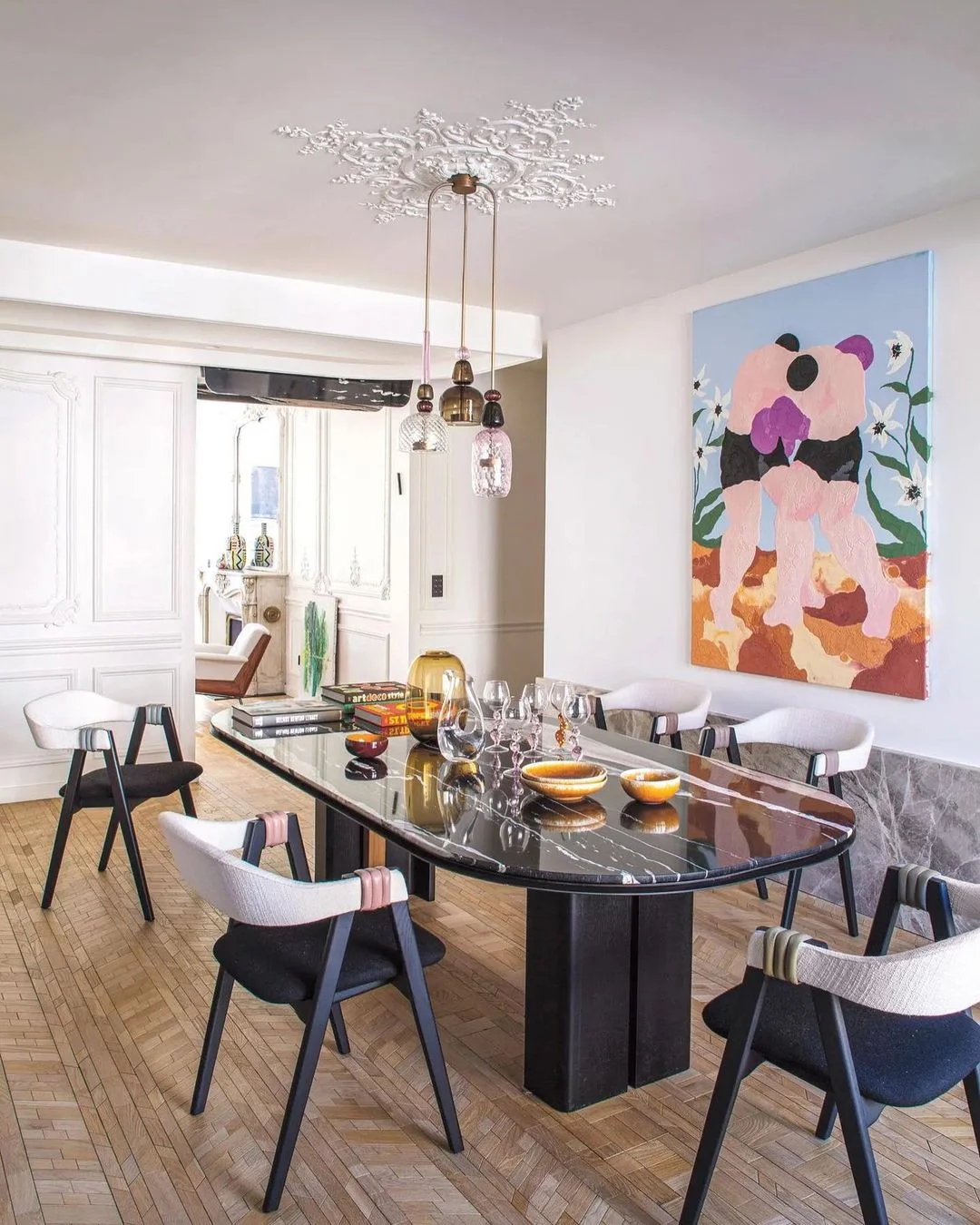
Marquetry parquet flooring bridges historical French palace geometry with contemporary minimalism, bringing architectural structure to luxury interiors.
What Is Smoked Oak Flooring and How Does It Age in Sun?
Discover what smoked oak flooring is, how core smoking protects against sun fading, and how natural light develops oak patina over time.
Chestnut Flooring: How It Compares to Oak (and Elm)
Chestnut looks like oak without the ray fleck, warmer and softer. Sweet and American chestnut, how elm compares, and when oak is the better choice.