
Oiled vs Lacquered Wood Floors: Which Finish Is Best?
One protects from inside the wood, the other from on top of it. The right choice depends on the room and on how you want to look after it.
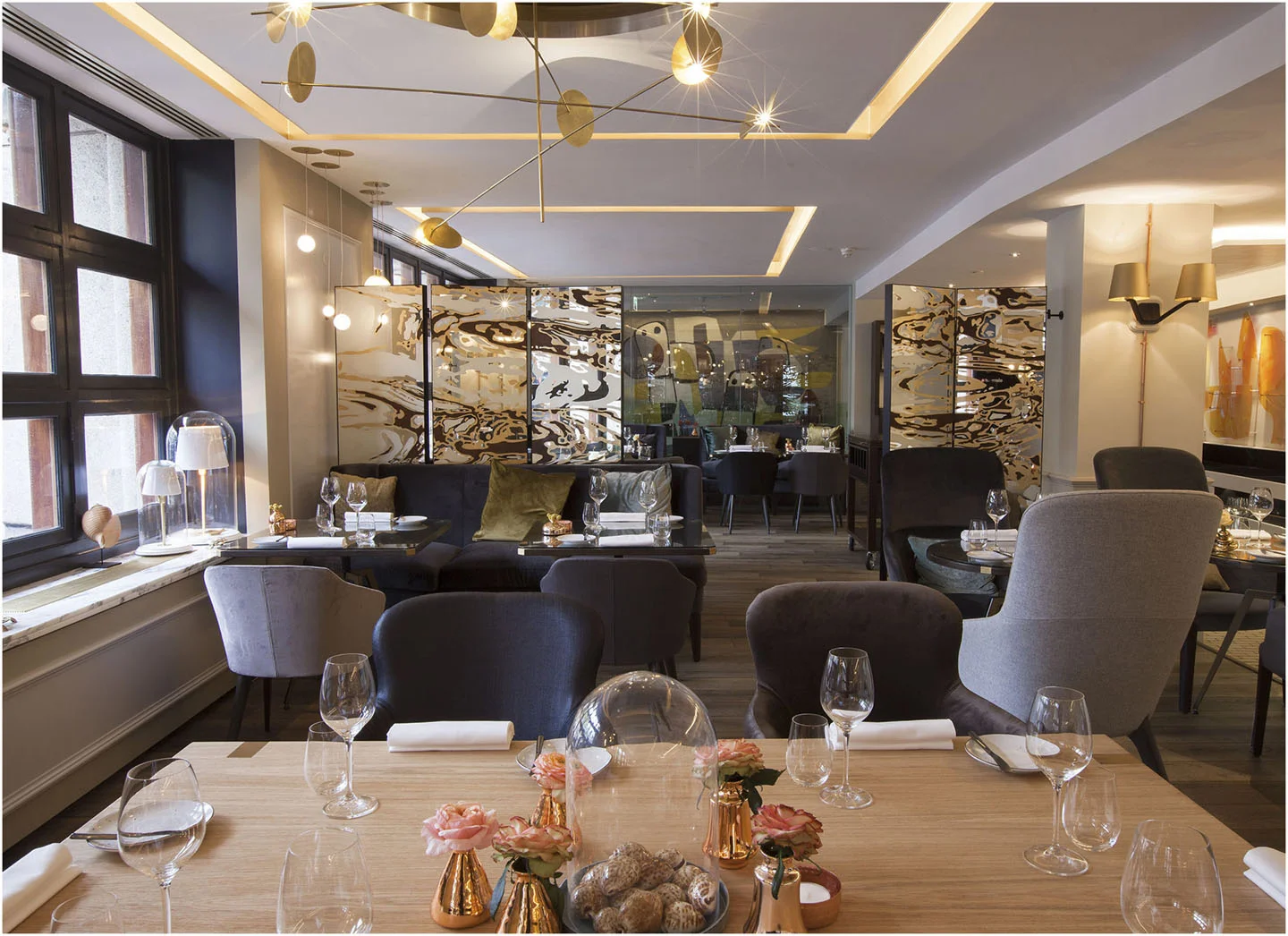
An oiled wood floor is protected from inside the wood: the oil soaks in, leaves a natural matte surface that feels like timber, and can be repaired one spot at a time, but it needs regular care and copes less well with standing water. A lacquered floor is sealed under a thin film: it wipes clean, keeps spills out better and needs very little daily upkeep, but a worn film is renewed across a whole room rather than patched. Neither is best everywhere; it depends on the room and on how much maintenance you want to do.
What is the difference between an oiled and a lacquered floor?
It is a question of where the protection sits. Oils and hardwax oils, blends of plant oils and waxes, penetrate the surface and harden inside the top of the wood. Very little stays on top, so the grain stays open and the floor feels like wood underfoot.
Lacquer, also called varnish, and today mostly water-based polyurethane, dries into a continuous film on top of the wood. The film takes the wear instead of the wood, and it can be made anywhere from ultra-matte to gloss. Our guide to matte vs gloss wood floor finishes explains how sheen changes the look.
Oiled vs lacquered: how do they compare?
| Oil or hardwax oil | Lacquer | |
|---|---|---|
| Where it sits | In the top of the wood | A film on the surface |
| Look and feel | Matte, open grain, feels like bare wood | Smooth; matte to gloss |
| Spills | Wipe up quickly; standing water can mark it | Better barrier against spills and stains |
| Scratches | Show less, blend into the wood | Can show as light lines in the film, more so at higher sheen |
| Repair | Local: sand lightly, re-oil the spot | Usually a whole room or area, to avoid a visible patch |
| Routine care | Cleaner made for oiled floors, periodic re-oiling | Sweep and damp mop; little else |
| Renewal | Re-oil when it looks dry or dull | Abrade and recoat before the film wears through |
Which finish is better for kitchens, hallways and shops?
Where spills are frequent, kitchens, entrances, dining rooms, lacquer is the easier life: water, wine and grease sit on the film until you wipe them. It also suits people who want to clean and forget. Its weak point is wear: once traffic thins the film in a doorway or in front of a counter, that area needs recoating before the bare wood is exposed and starts to soil.
Oil makes sense where the feel of the wood matters most and someone will look after it. Its great strength is repair: a scratch or a worn path can be sanded lightly and re-oiled without touching the rest of the floor, and the new oil blends in. In busy commercial spaces this suits operators who have a cleaning routine and want to fix wear section by section rather than close a whole room.
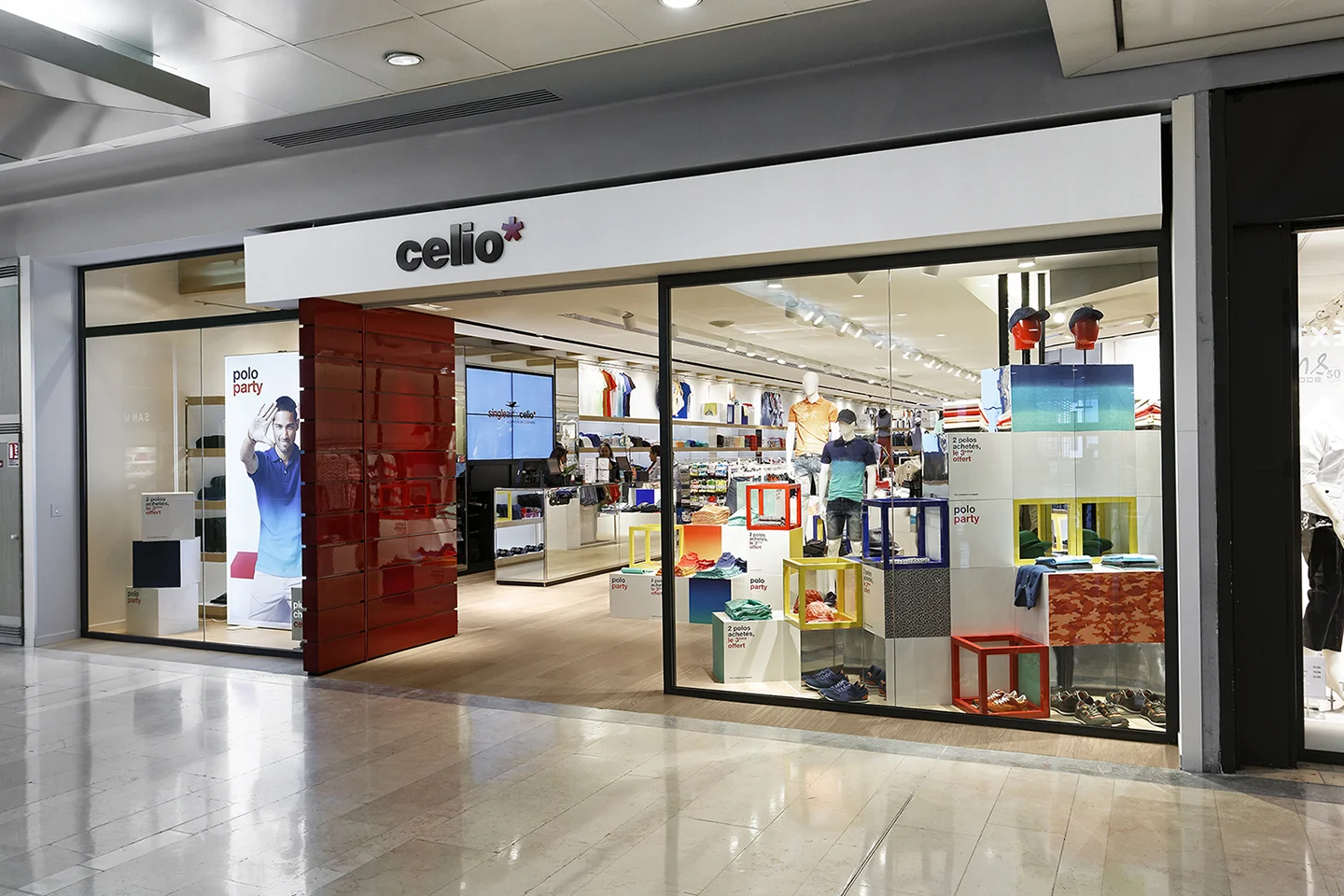
Droit, OscarOno Paris's straight oak plank, is lacquered, in twelve colors, and rated usage class 33 for heavy commercial traffic. That is why it works on shop floors such as Celio in Paris as well as in homes: the film takes the traffic and the daily cleaning stays simple.
How do you maintain oiled and lacquered floors?
Oiled floors are cleaned with a soap or cleaner made for oiled wood, which feeds the finish rather than stripping it. When the surface starts to look dry or dull, usually first in the walking paths, a maintenance oil is applied and buffed in. How often depends entirely on traffic: a hallway needs it far sooner than a bedroom. Follow the finish maker's instructions.
Lacquered floors need sweeping or vacuuming and a damp, not wet, mop with a cleaner suitable for lacquer. Avoid products that leave a waxy or oily film, which makes later recoating harder. When the film looks worn, the floor is lightly abraded and given a fresh coat; a full sanding back to bare wood is only needed if the damage goes through the film into the wood.
Switching from one system to the other is not a weekend job. Oil cannot go over lacquer, and lacquer does not bond to an oiled surface, so either change means sanding back to bare wood.
What about end grain floors?
End grain behaves differently. Because you are looking at the open ends of the wood fibers, the surface absorbs far more finish than the face of a plank, and a thick film would bury the texture of the growth rings that is the point of an end grain floor. Penetrating finishes are therefore common on end grain.
On Opus, OscarOno Paris's end grain oak floor, the color does not depend on the protective finish at all. It comes from the wood: Natural is the oak as it is, Smoke is smoked through the full depth of the oak, and Black is charred, in the shou sugi ban tradition. None of them is a stain. The spec sheet in the library gives the finish and the maintenance for each.
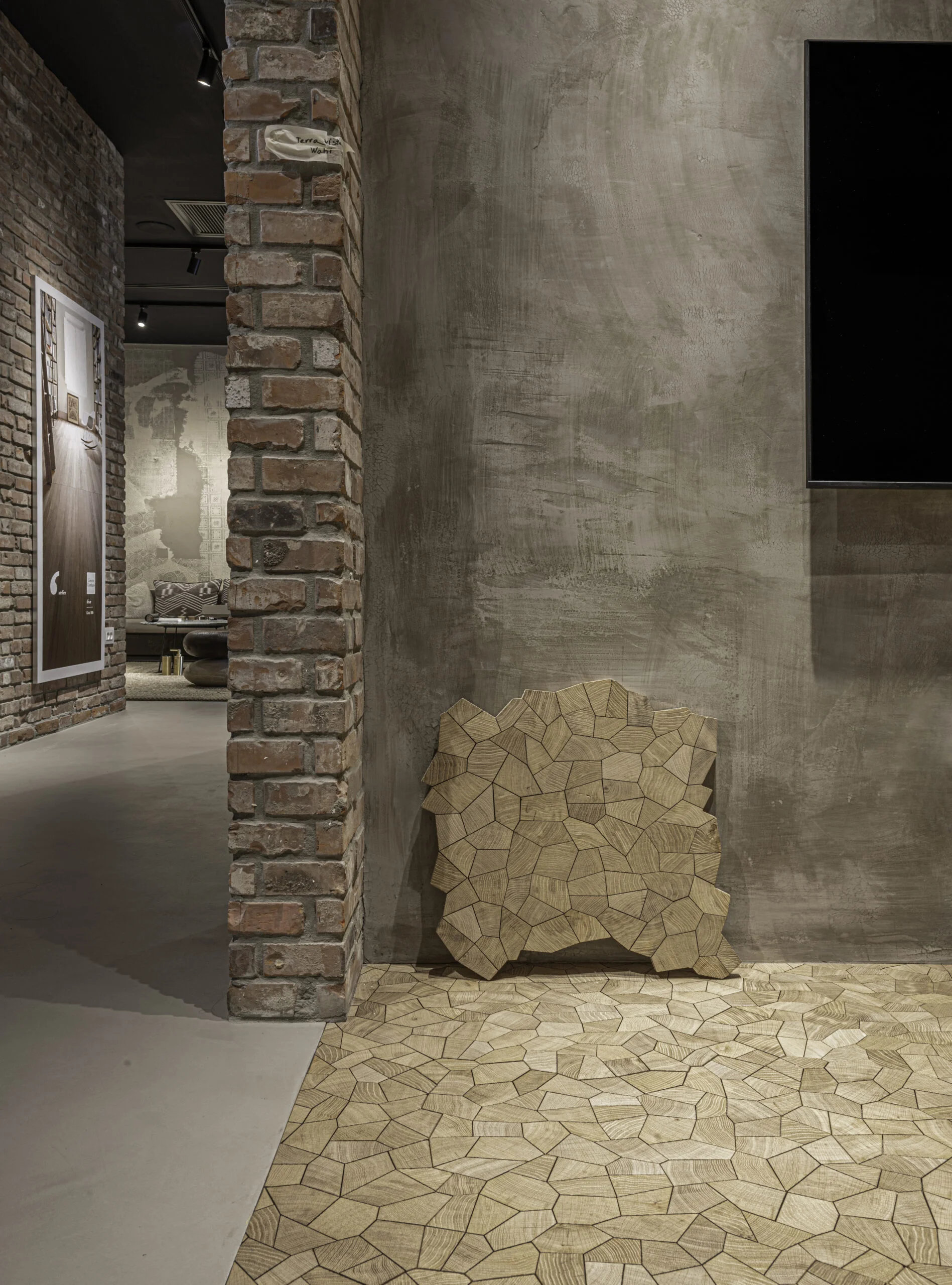
In the Parqueteam showroom in Israel, Opus in its natural finish shows why a finish for end grain should stay out of the way: the rings and the joins are the surface.
Frequently asked questions
Can you apply oil over a lacquered wood floor?
No. The cured lacquer film stops the oil from reaching the wood. To change to an oiled finish, the floor has to be sanded back to bare wood first. The reverse is also true: lacquer does not bond well to an oiled surface.
Is oil or lacquer better for a kitchen?
Lacquer is usually the easier choice, because spills sit on the film until you wipe them up. An oiled floor works in a kitchen too, as long as spills are wiped quickly and the floor is re-oiled when it starts to look dry.
How often does an oiled wood floor need re-oiling?
It depends on traffic, not on the calendar. Re-oil when the surface looks dry or dull, which happens first in hallways and walking paths. Busy areas need it much sooner than bedrooms. Follow the finish maker's instructions for the product used.
Can a scratched lacquered floor be repaired?
Light wear can be fixed by abrading the surface and applying a fresh coat, usually over a whole room or a clearly bounded area so that no patch shows. Deep scratches that cut into the wood need sanding before recoating.
Which finish looks more natural?
Oil, because it leaves almost nothing on the surface and keeps the feel of bare wood. A good ultra-matte lacquer comes close in appearance, though it feels smoother underfoot.
Finishes on OscarOno Paris floors
Droit is lacquered, in twelve colors, from select-grade flatgrain oak, 12 mm thick with a 4 mm oak top layer, 150 or 190 mm wide, and rated usage class 33. Opus is end grain oak, 12 mm birch plywood with an 8 mm oak top layer, in Natural, Smoke or Black, rated usage class 34 for very heavy commercial traffic, with joints under 1 mm. Both carry a Cfl-s1 fire rating and are FSC and PEFC certified.
The feel of a finish is best judged by hand. Order samples, and find spec sheets, maintenance details, CAD and 3D files in the library.
More from the Atelier
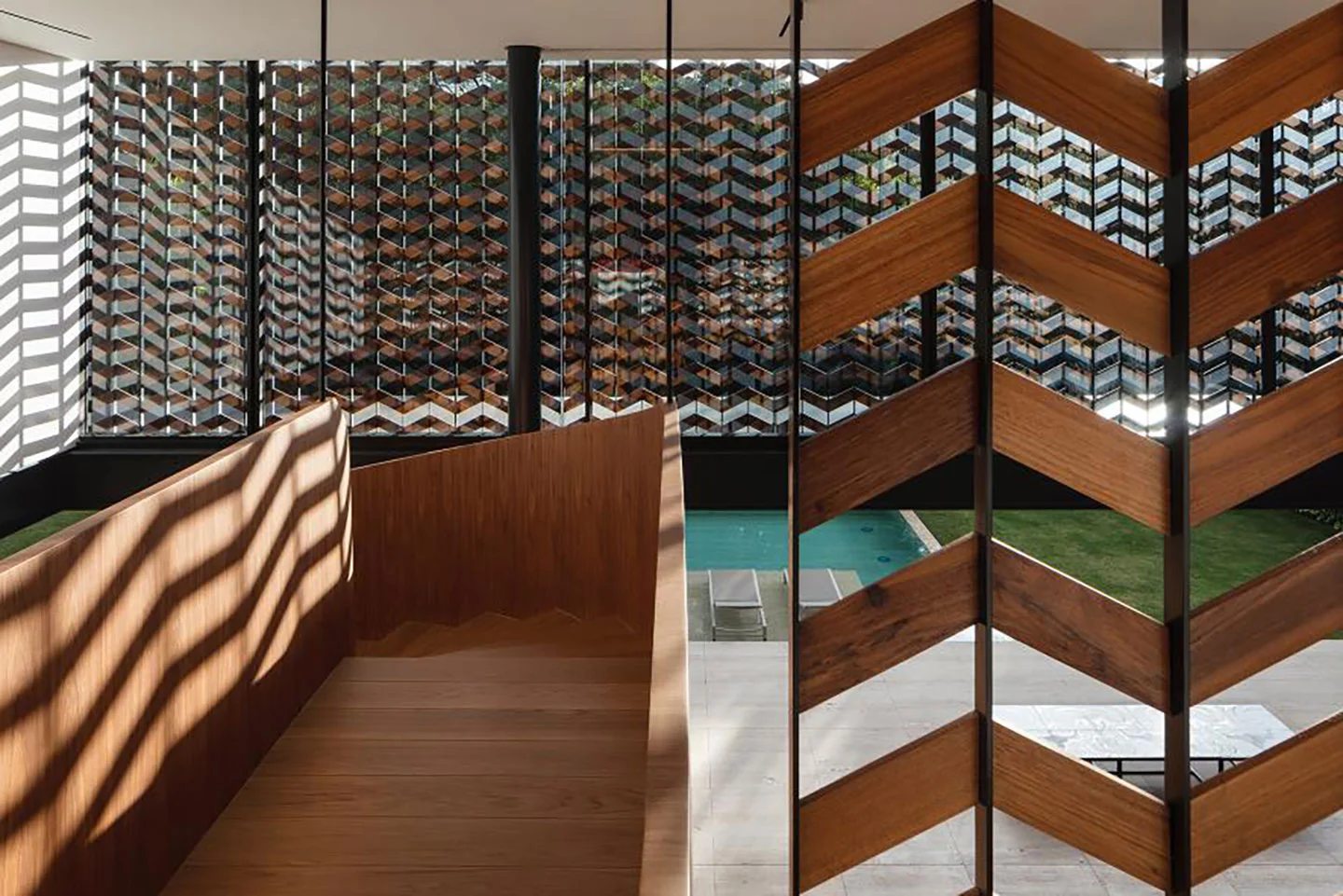
Protecting End Grain Wood Block Flooring from UV Fading
Discover the science of oak photodegradation and how to protect end-grain wood floors from UV fading using advanced varnishes and architectural design.
Parquet Floor Restoration: Is an Old Parquet Floor Worth Saving?
Loose blocks, gaps, stains and a worn finish can all be put right. How to tell whether an old parquet floor is worth restoring, what the work involves, and when it is not.
Squeaky Wood Floors: Why They Squeak and How to Fix Them
A squeak is friction: wood on wood, wood on a nail, or a subfloor moving on its joists. Find which one it is and the fix follows.