Wood Flooring Trends 2026: What Is Rising and What Is Fading
Six trends measured in a year of search interest, and how to follow them without dating your floor.
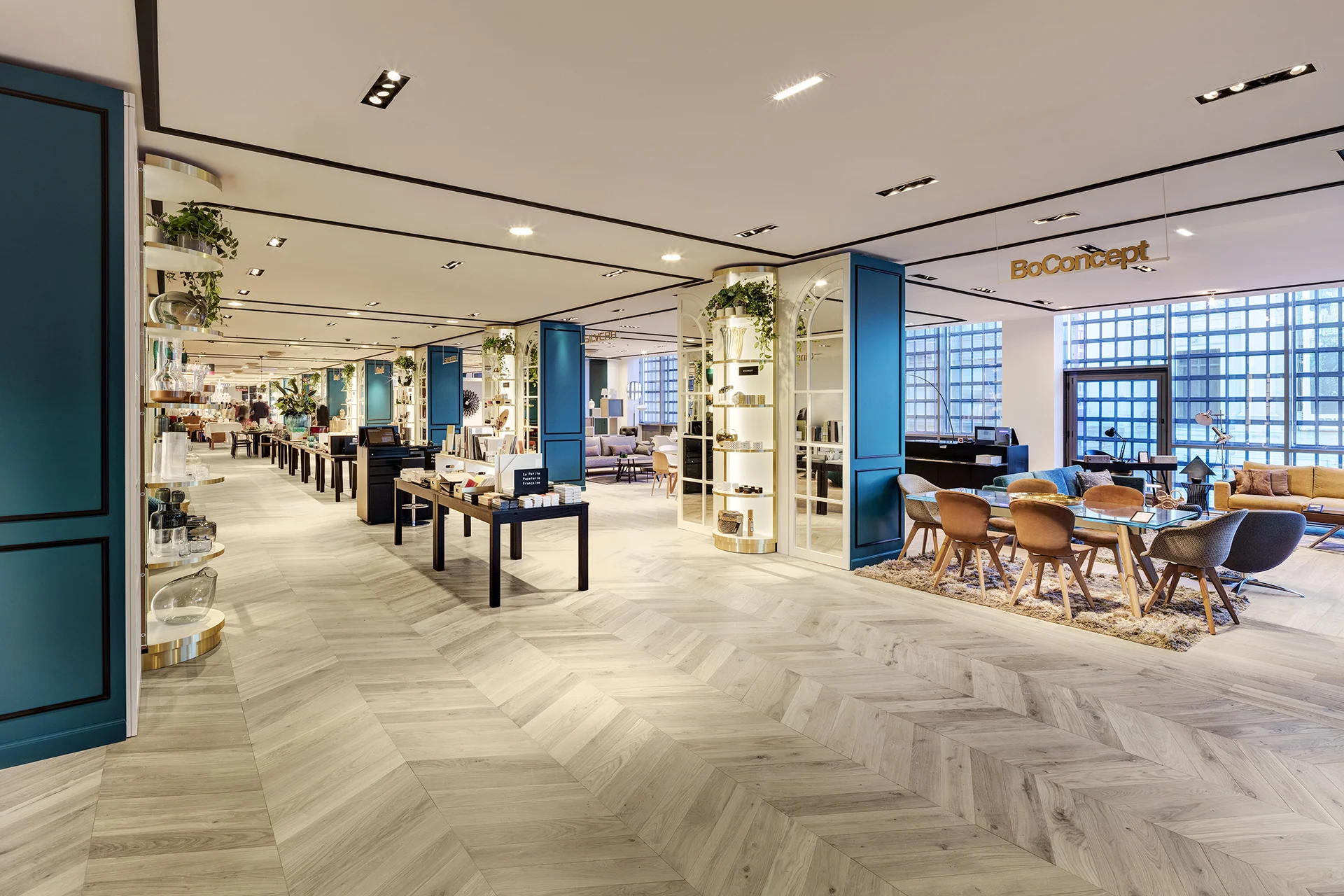
The wood flooring trends for 2026 are light natural oak, wider boards, chevron, endgrain and smoked or dark oak, with woven parquet starting to climb. We base this on Google search interest over the past twelve months compared with the twelve before, not on opinion: these are the floors people are actively looking for.
Here is what is rising, how much, and what each trend means if you are choosing a floor this year.
Which wood flooring trends are rising fastest?
| Trend | Change in search interest, past 12 months |
|---|---|
| Light oak flooring | Grew the most, nearly tripled |
| End grain wood | More than doubled |
| Chevron floors | About doubled |
| Wide plank flooring | Nearly doubled |
| White oak flooring | Up by close to 90 percent |
| Smoked and fumed oak | Three to four times, from a small base |
| Herringbone | Steady, at a much higher level |
Source: Google Trends, worldwide, past twelve months against the twelve before.
1. Light, natural oak
The strongest movement of the year is toward pale, natural oak: light oak, white oak, French and European oak are all climbing. It suits the calm, low-contrast rooms people are building, from Japandi-style interiors to restored Paris apartments, and it lets the grain rather than a stain carry the color. Cool gray stains, the look of the last decade, have faded.
OscarOno Paris's straight plank, Droit, in flatgrain oak, comes in twelve lacquered colors from pale natural tones to dark ones, so a light floor can be chosen as a color rather than a compromise.
2. Wider boards
Interest in wide plank flooring has nearly doubled. Wider boards mean fewer joints and more visible grain, and the floor reads quieter. Droit comes in 150 mm or 190 mm widths; the wider board gives the calmer, more contemporary look. Our guide to how board size changes a room goes into the choice in detail.
3. Chevron is back
Chevron has about doubled in search interest, the fastest growth of any classic pattern. Its sharp, unbroken V shapes give a room a strong direction, which suits hallways and long living rooms. Herringbone stays the more searched of the two, and within it dark and black herringbone is the variation gaining most.
OscarOno Paris makes chevron as Hongrie, point de Hongrie in oak: flatgrain select oak, 150 mm or 190 mm wide, in the same twelve lacquered colors as Droit.
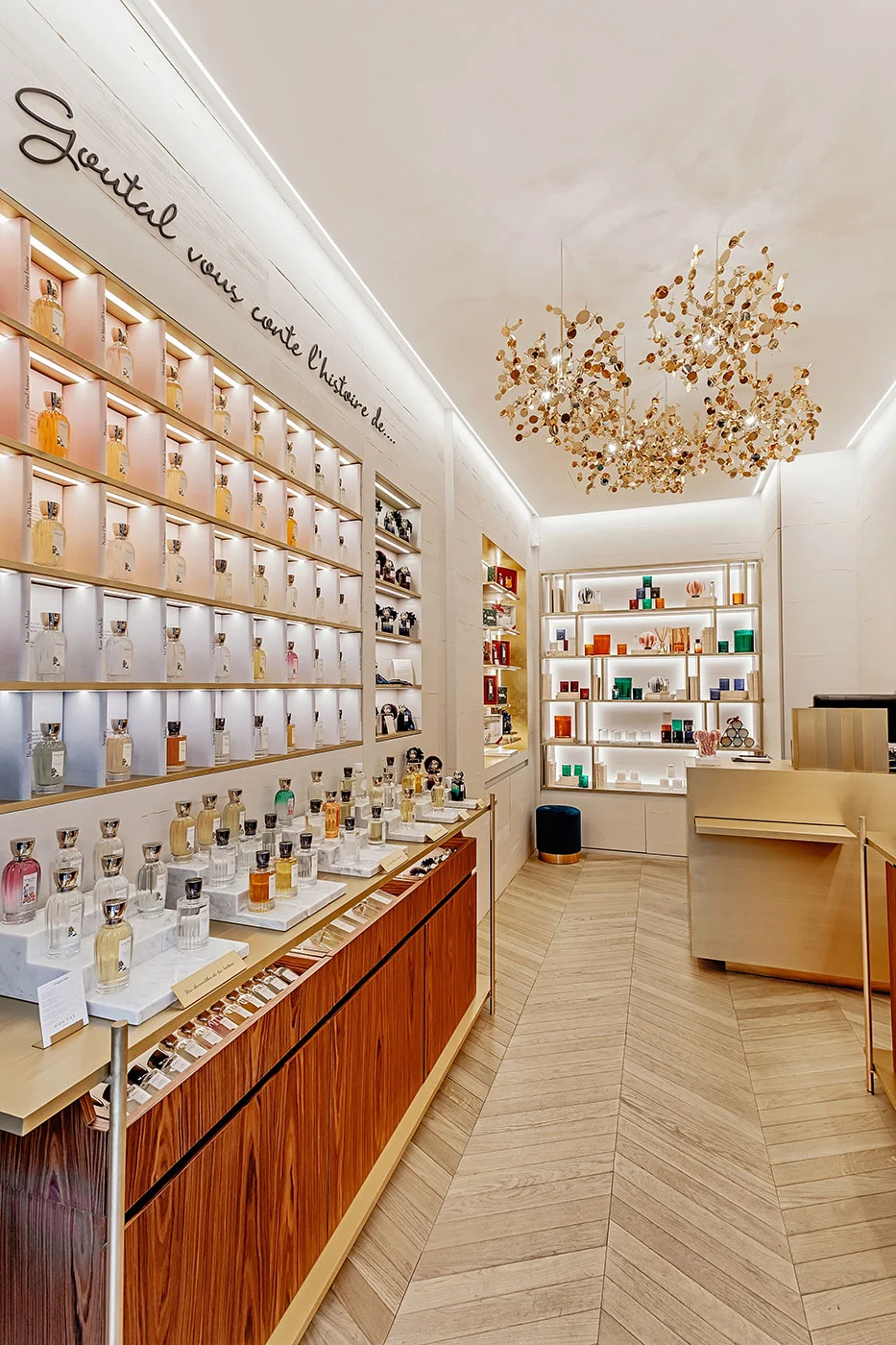
At Goutal in Paris, laid in Hongrie Natural, a light chevron brings both of this year's strongest trends into one floor.
4. Endgrain
Searches for end grain wood have more than doubled. Endgrain is cut across the log, so you walk on the ends of the fibers: the hardest face of the wood, with the growth rings on show. It looks textured and deep rather than linear, and it takes heavy traffic, which is why it is moving from restaurants and shops into homes.
Forêt, endgrain oak in six planks and six patterns, lets the architect compose a floor that never repeats: an 8 mm endgrain oak top layer on 12 mm birch plywood, usage class 34 for very heavy commercial traffic.
5. Smoked and dark oak
Smoked and fumed oak are small searches but have grown three to four times. Smoking darkens oak through a natural reaction with the tannins in the wood, so the color goes through the board instead of sitting on the surface like a stain, and the grain stays visible. The endgrain collections come in Smoke, smoked through the full depth of the oak, and Black, charred in the shou sugi ban tradition.
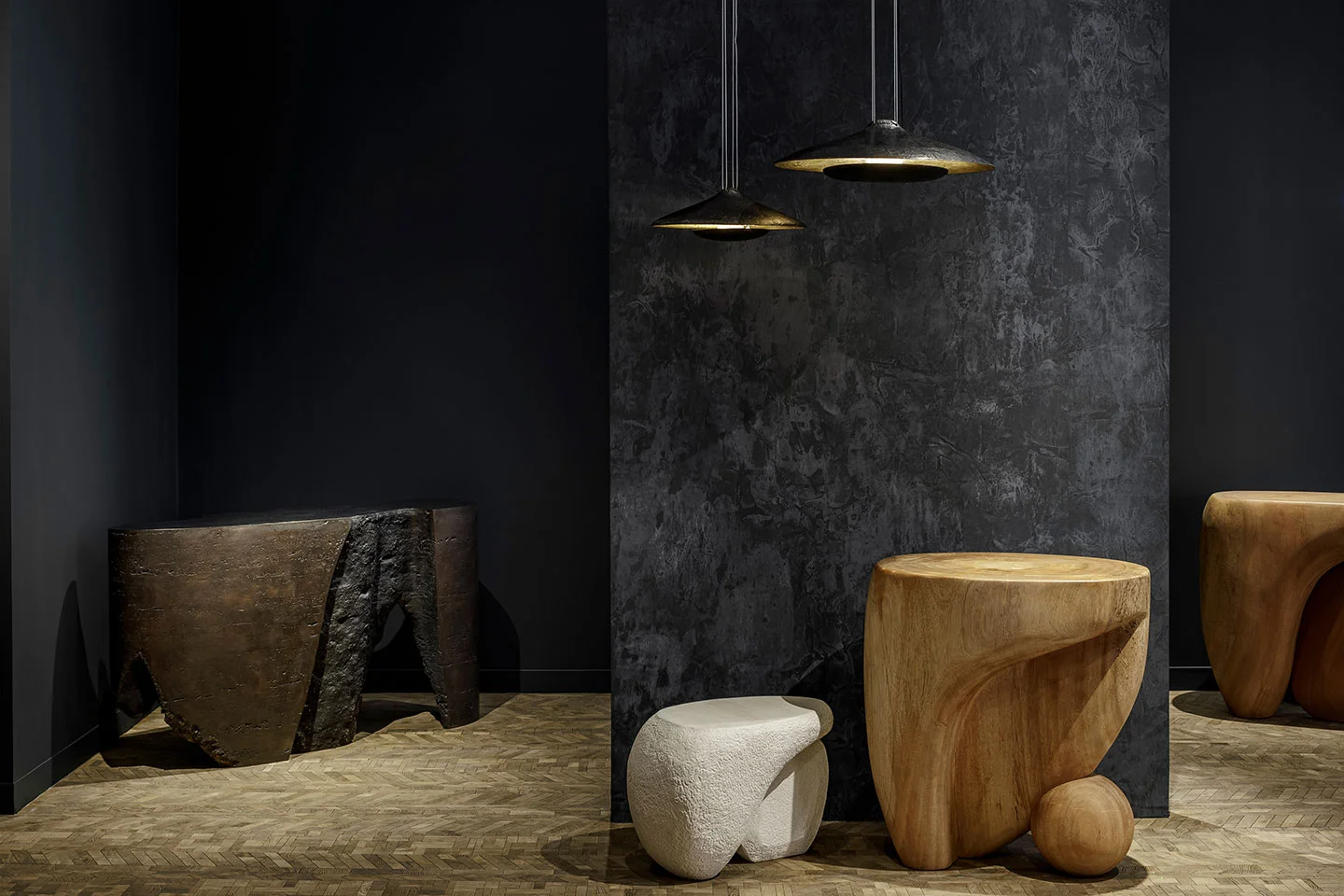
At Design Miami, laid in Forêt Smoke, the smoked endgrain shows both trends at once: a deep color that still shows every growth ring.
6. Woven and basket weave parquet
The newest movement is woven parquet. Searches for basket weave parquet jumped over the last three months, from a small base. Woven floors take the old idea of the Versailles panel and the basket weave and make it looser and more textile. OscarOno Paris's version is Tresse, strips of oak crossing over and under like a basket, in flatgrain select oak, 12 mm with a 4 mm top layer, in Natural, Smoke or Black.
What is fading?
- Gray stains. Replaced by natural and warm tones and by smoked oak where people want a cooler, deeper floor.
- High gloss. Low-sheen surfaces hide marks better and suit natural colors.
- Fake distressing. Heavily hand-scraped boards have given way to plain, well-made surfaces that show the wood itself.
How to use trends without dating your floor
A floor outlasts most of what is put on it, so treat trends as a guide to what feels fresh, not as rules. The safest choices are the ones that are trending because they are classic: natural oak, chevron and herringbone have come back many times. The bolder ones, black floors, woven patterns, very wide boards, work best when they suit the architecture of the room rather than the year.
Frequently asked questions
What are the wood flooring trends for 2026?
Light and natural oak, wider boards, chevron, endgrain, smoked and dark oak, and woven or basket weave parquet. All of them have seen search interest rise sharply over the past year, while classic herringbone holds steady.
What color wood floor is in style?
Light, natural oak is the strongest-growing color, followed by warm mid tones. Cool gray stains have faded. At the dark end, smoked oak and black floors are a smaller but fast-growing choice.
Are wide plank floors still in style?
Yes. Interest in wide plank flooring has almost doubled over the past year. Wider boards show more of the grain and fewer joints, which suits calm, open rooms.
Is chevron or herringbone more in style?
Both are classics. Chevron is the one rising fastest right now, with search interest roughly doubling in a year, while herringbone is steady at a much higher level. Dark and black herringbone is the variation gaining most.
Are gray wood floors out of style?
Gray-stained floors have largely given way to natural and warm tones. If you like a cool, quiet floor, a pale natural oak or a smoked finish ages better than a gray stain because the color comes from the wood itself.
This year's trends in OscarOno Paris floors
Light oak and wider boards: Droit, 150 mm or 190 mm, twelve lacquered colors. Chevron: Hongrie, in the same widths and colors. Endgrain and smoked oak: Forêt, in Natural, Smoke or Black. Woven parquet: Tresse, in Natural, Smoke or Black. All carry a Cfl-s1 fire rating and are FSC and PEFC certified.
Color is the hardest thing to judge on a screen. Order samples, and find spec sheets, CAD and 3D files in the library.
More from the Atelier
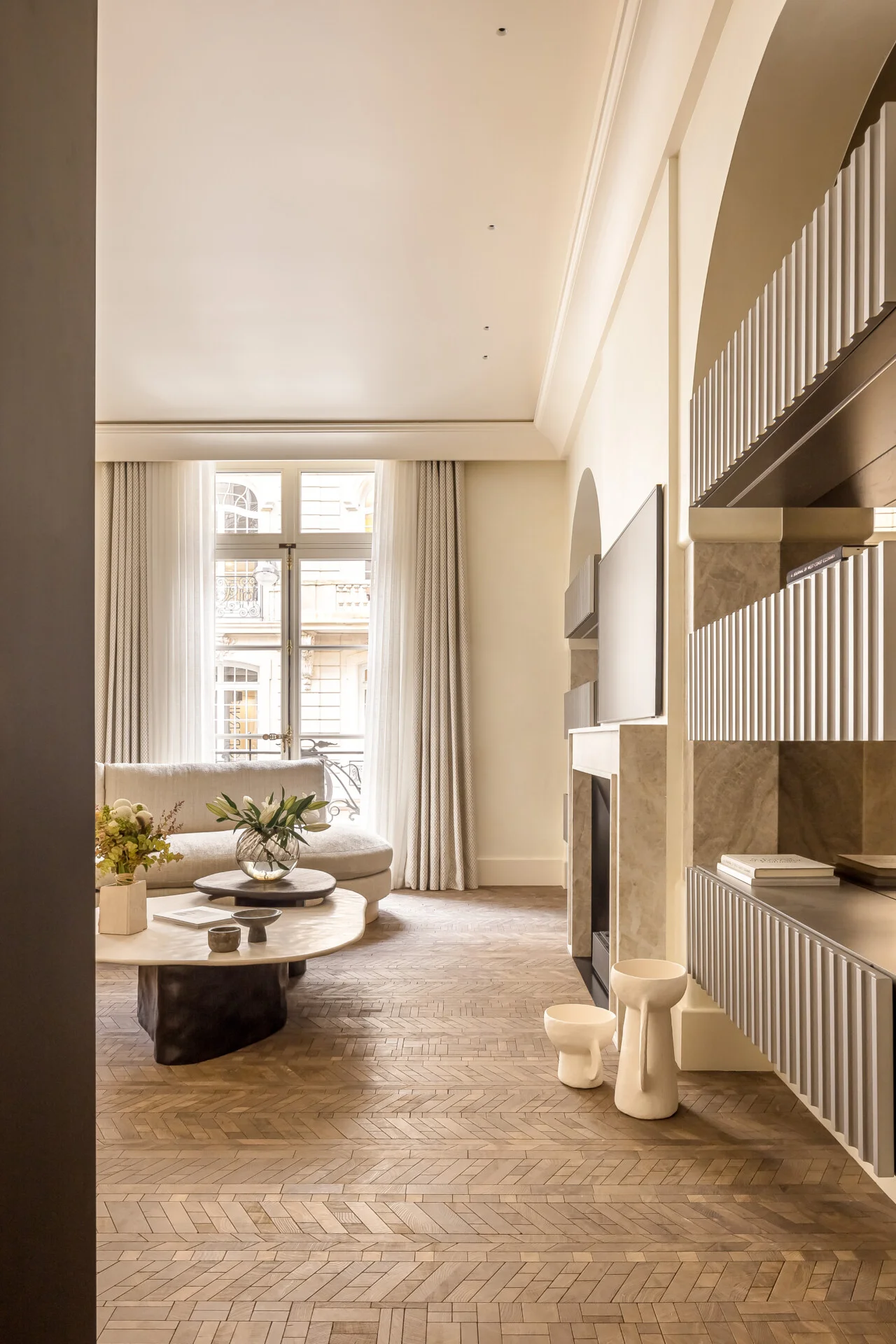
What Is Wood Terrazzo Flooring? An Architectural Guide
Wood terrazzo flooring unites reclaimed endgrain oak offcuts and mineral ground, creating continuous, tactile surfaces designed for circular luxury interiors.
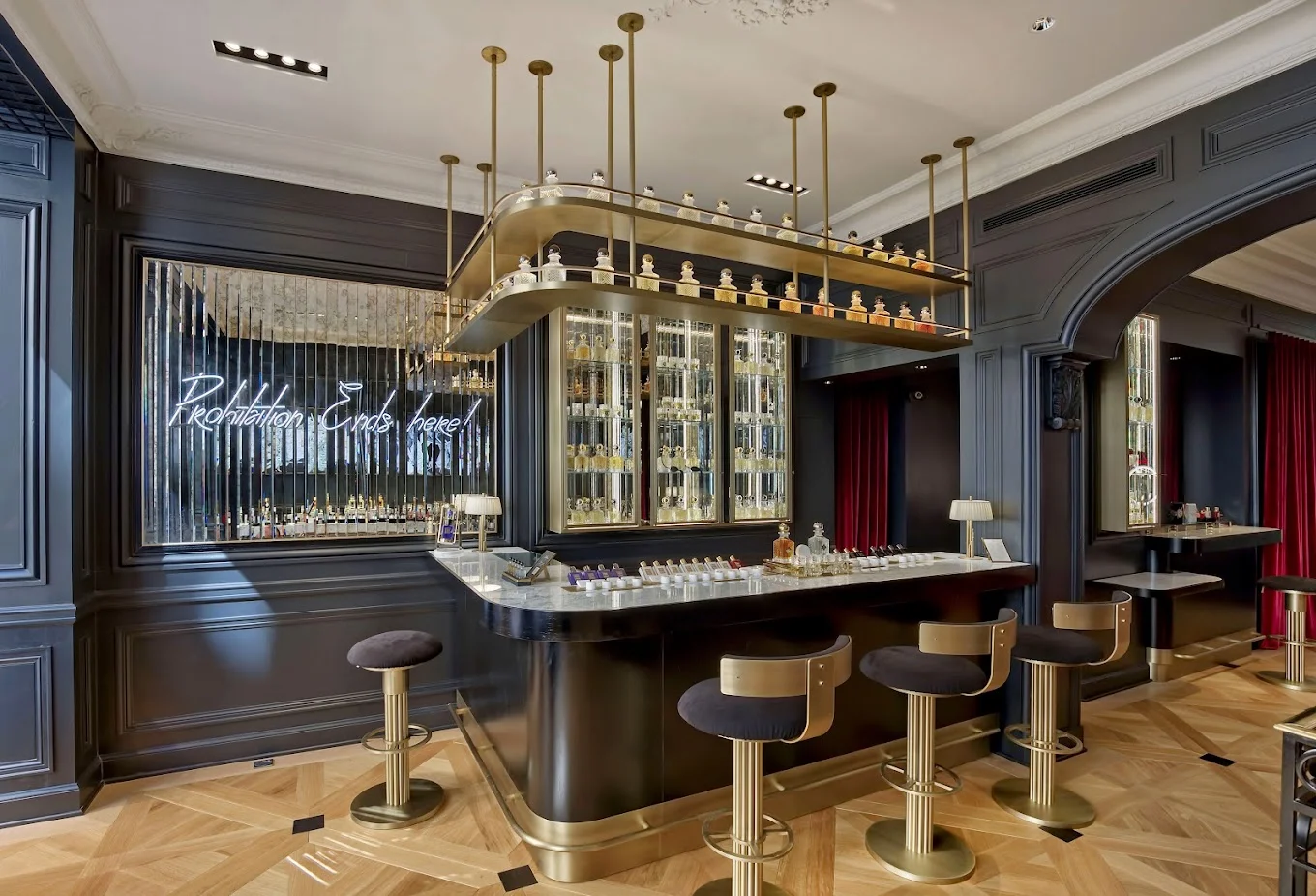
Modern Versailles Parquet: The Classic Panel in Today's Interiors
The woven oak panel first laid in a palace still works in a contemporary room. What changes is the color, the construction and how freely the weave is drawn.
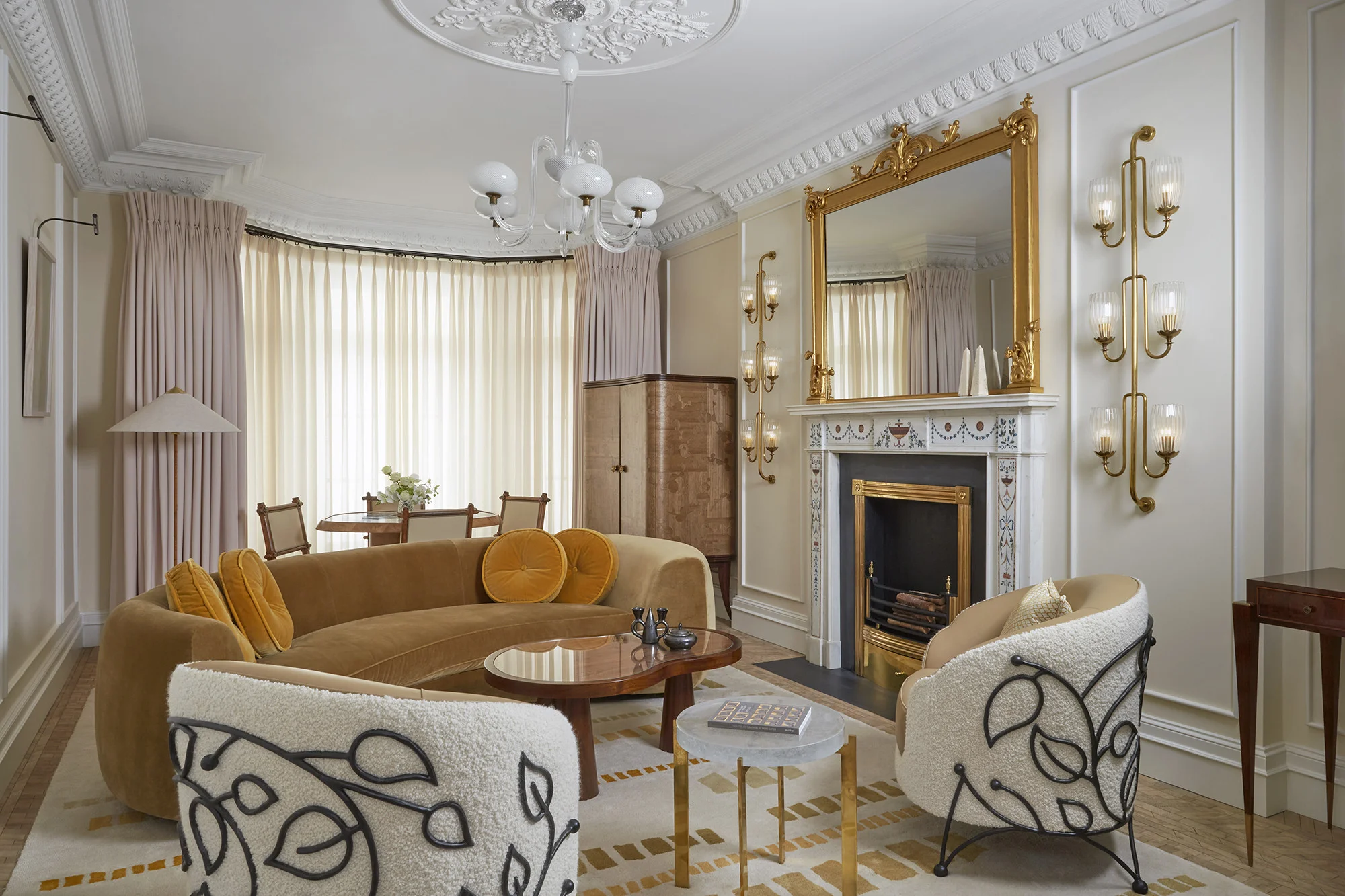
Wood Floor Interior Design: Pairing Oak with Linen, Stone and Brass
Start with the floor, then balance it: stone for weight, linen for softness, brass for light. A practical guide to designing a room around wood.