
Light Oak Flooring vs Ash, Maple and Beech: Choosing a Pale Floor
Four pale woods compared on grain, hardness, movement and color over time.
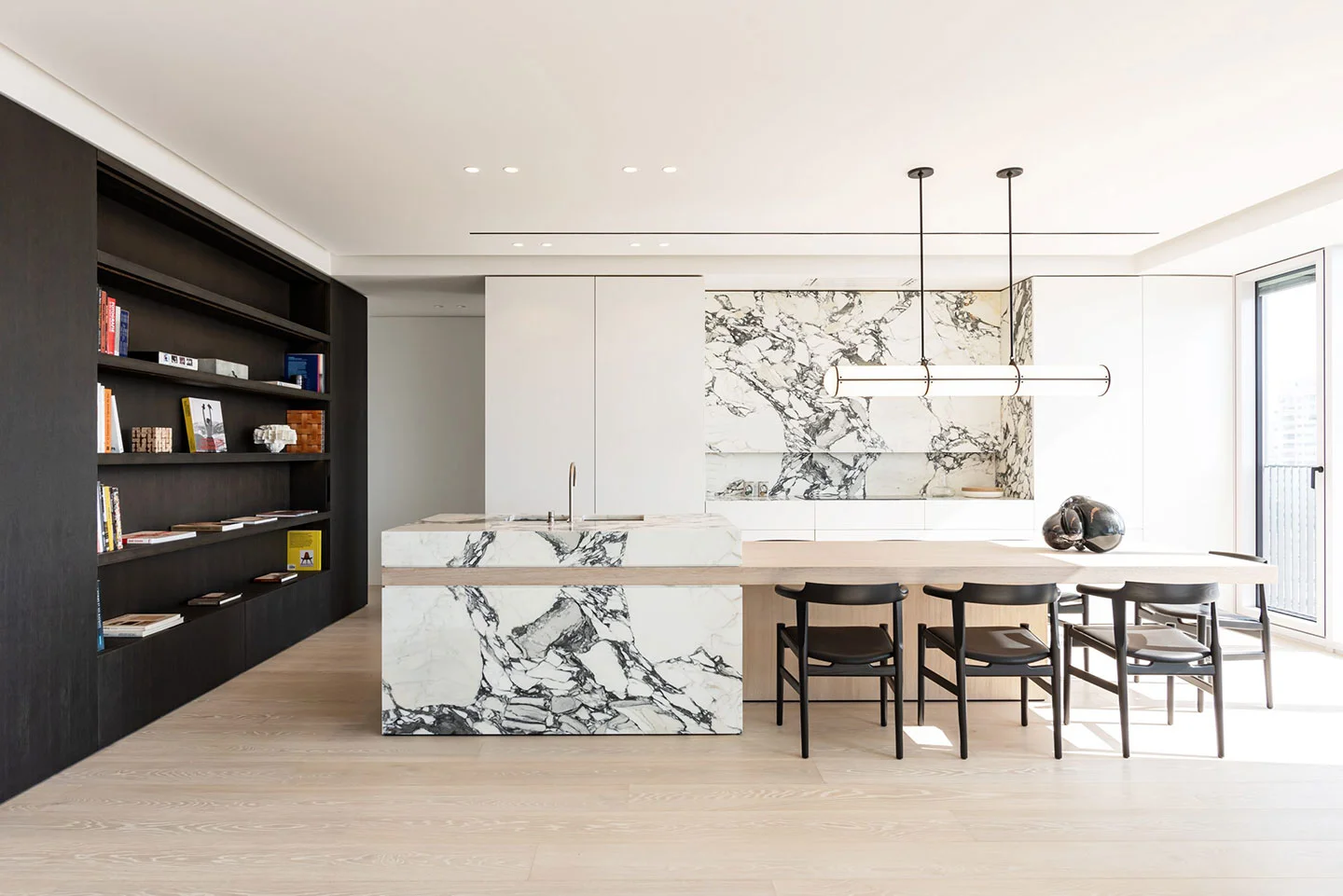
For a pale wood floor, light oak is the most practical choice: it moves less than beech, is close to ash in hardness, and takes finishes from natural to white. Ash has the boldest grain of the four, maple is the hardest and smoothest but turns golden in sunlight, and beech is warm and even but reacts most to changes in humidity. Which one suits a room comes down to how much grain you want to see and how the floor will be lived on.
What makes a wood floor look light?
Two things: the natural color of the species and the finish on top. Ash, maple and beech are pale to begin with. Oak is a light straw color when freshly cut and can be kept close to that with a clear finish, or taken paler with a white or whitened one. A light floor reflects more daylight back into the room and shows its grain more than a dark one, so the grain becomes part of the decision. For the ways oak is made paler, see bleached, limed and whitewashed finishes explained.
Ash flooring: bold grain, pale color
Ash is creamy white to pale gray-brown, with an open, strongly marked grain: wide arches on flat-sawn boards and straight stripes on quarter-sawn ones. It is close to oak in hardness and is valued for its toughness, which is why it was used for tool handles and sports equipment. On a floor it gives a lively, graphic surface that hides small marks well and takes white finishes easily. Supply has been affected in recent years by ash dieback in Europe and the emerald ash borer in North America.
Maple flooring: the smoothest and hardest
Hard maple has a fine, closed grain and very little contrast between growth rings, so a maple floor reads as an even, pale cream surface. It is the hardest of the four and the classic wood for basketball courts and dance floors. Its weak point is light: maple turns noticeably golden in sunlight over the years, more than oak, and finishes with UV inhibitors slow the change without stopping it.
Beech flooring: warm and even, but it moves
Beech has a fine, straight grain dotted with small dark flecks, and a pale cream color that becomes pinkish-gold when the wood is steamed, which is how much of it is sold. Its hardness is similar to oak. The drawback is movement: beech swells and shrinks more than oak, ash or maple as humidity changes, so it is a poor match for rooms with large seasonal swings and is generally advised against over underfloor heating.
Why is light oak flooring the usual choice?
Oak sits in the middle on every count. Its grain is visible but calmer than ash, its color holds better in sunlight than maple's, and it moves less than beech. It is also the wood that classic parquet patterns have been made in for centuries, so a light oak floor can be straight planks, herringbone or chevron.
OscarOno Paris makes its light floors in oak only, in three patterns: Droit, the straight oak plank, Rompu, a herringbone in oak, and Hongrie, a chevron in oak. All three are cut from flatgrain oak in select grade and come in the same twelve lacquered colors, which include natural and white tones as well as darker ones.
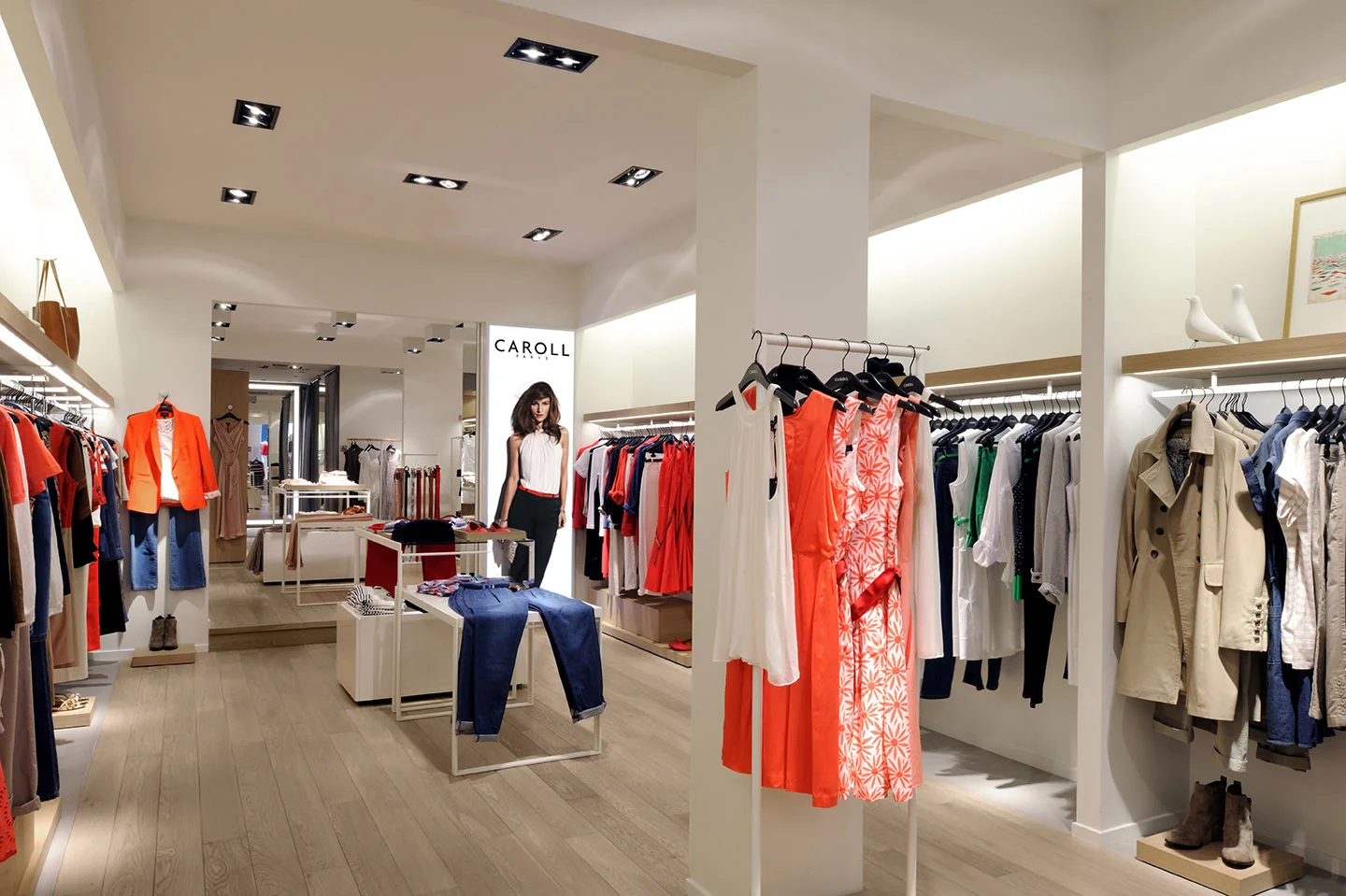
In the Boutiques Caroll stores in Paris, laid in Droit, a natural finish keeps the oak close to its own pale color.
Ash, maple, beech and oak compared
| Wood | Grain | Color | Hardness | Movement with humidity | In sunlight |
|---|---|---|---|---|---|
| Ash | Open, bold, strongly figured | Creamy white to pale gray-brown | Close to oak | Moderate | Warms slightly |
| Maple | Fine, closed, very even | Pale cream | Highest of the four | Moderate | Turns golden |
| Beech | Fine, straight, small flecks | Pale cream; pinkish-gold when steamed | Close to oak | High | Warms slightly |
| Oak | Visible, medium texture | Light straw; paler with white finishes | Reference | Moderate | Warms slightly |
How do you keep a pale wood floor light?
Every wood changes color in daylight; pale woods simply show it more. A few habits keep the change slow and even:
- Choose the finish with care. Water-based finishes yellow less than oil-based ones, and finishes with UV inhibitors slow the change further.
- Move rugs and furniture now and then. Otherwise the covered patch stays pale while the floor around it ages, and the outline shows when you move them.
- Filter strong sun. Sheer curtains or blinds on south-facing windows help a great deal.
- Keep grit off it. Light floors show scratches and dirt more than dark ones. A mat at the door, regular sweeping and a pH-neutral cleaner made for the finish do most of the work.
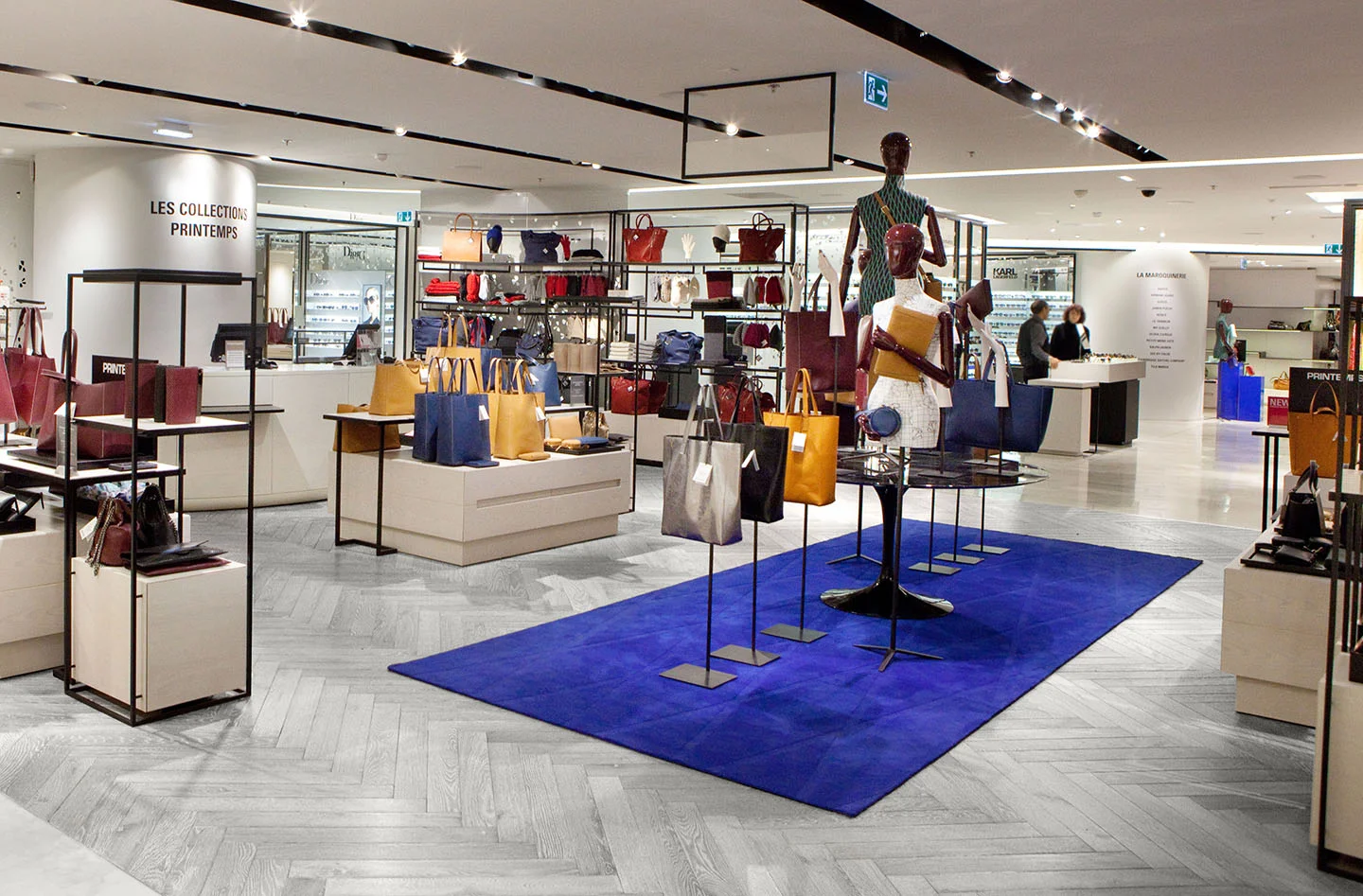
A pale herringbone also works at retail scale: Le Printemps in Paris is laid in Rompu in a whitened finish.
Frequently asked questions
Which light wood floor is the hardest?
Hard maple is the hardest of the common pale woods. Ash, beech and oak are close to one another and a little softer. In practice the finish and the care a floor gets matter as much as the species.
Does light wood flooring turn yellow?
All wood changes color in daylight. Maple turns noticeably golden; oak, ash and beech warm more gently. Water-based finishes and finishes with UV inhibitors slow the change, and moving rugs from time to time keeps it even.
Is light oak flooring good for a small room?
Yes. A pale floor reflects more daylight back into the room, so it feels brighter and more open. Straight boards laid along the length of the room, or a chevron, also lead the eye and make it read longer.
Are light wood floors harder to keep clean?
They collect no more dirt than dark floors, but they show dark debris and fine scratches more. A mat at the door, regular sweeping and a pH-neutral cleaner suited to the finish keep them looking right.
Does OscarOno Paris make ash, maple or beech floors?
No. OscarOno Paris's light floors are oak: straight planks (Droit), herringbone (Rompu) and chevron (Hongrie), in twelve lacquered colors that include natural and white tones.
Light oak floors by OscarOno Paris
OscarOno Paris does not make floors in ash, maple or beech. For a pale floor it offers oak in three patterns: Droit straight planks, Rompu herringbone and Hongrie chevron. They share one specification: flatgrain select oak, 12 mm with a 4 mm top layer, 150 mm or 190 mm wide, twelve lacquered colors. All are rated usage class 33 for heavy commercial traffic, carry a Cfl-s1 fire rating and are FSC and PEFC certified.
Pale finishes change most with the light they sit in, so judge them in your own room. Order samples, and find spec sheets, CAD and 3D files in the library.
More from the Atelier
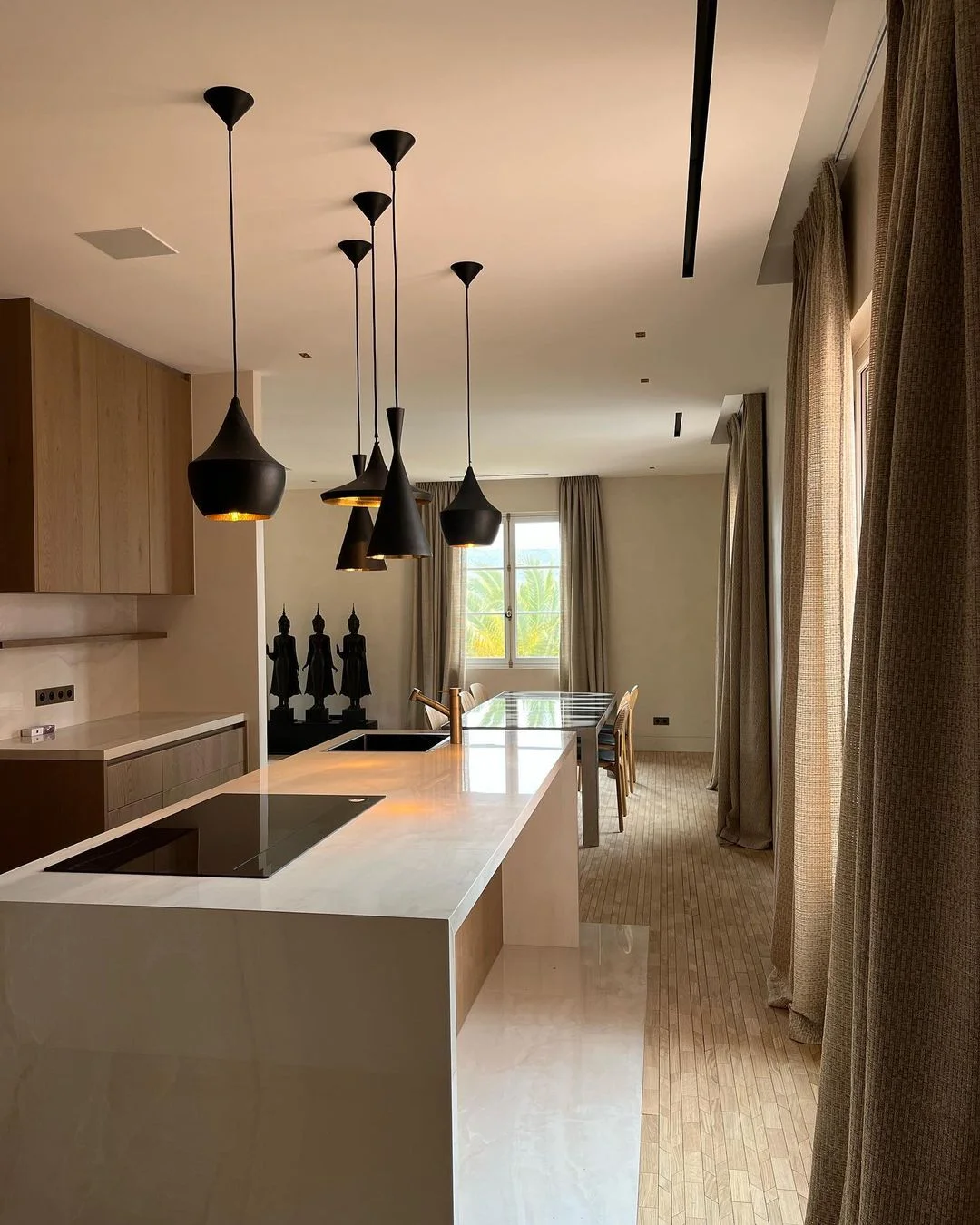
Reclaimed Teak Flooring: End-Grain Strength and Resilience
Explore how reclaimed teak flooring and end-grain timber provide extraordinary durability, natural silica protection, and stability for demanding spaces.
How to Prevent Fading on Hardwood Floors: Design Guide
An architectural approach to managing sun exposure on wood floors, from spectrally selective glazing to finish choices and uniform patina development.
The Craft of Marquetry Parquet Flooring and Panels
Marquetry parquet flooring bridges historical French palace geometry with contemporary minimalism, bringing architectural structure to luxury interiors.